
Embarking on a journey across the American West often conjures images of vast landscapes, towering peaks, and challenging adventures. For many outdoor enthusiasts, the ultimate test of endurance and a feast for the senses is tackling the Colorado Trail. This iconic long-distance path weaves its way through some of the most spectacular and rugged terrain the state of Colorado has to offer. But before you pack your bags and lace up your boots, a fundamental question often arises: exactly how long is this legendary trail, and what does that length truly entail for those who dare to traverse it?

The Colorado Trail is far more than just a measurement of miles; it’s an immersive experience that touches upon every aspect of travel, from demanding physical challenges to serene natural beauty, and from rustic backcountry camping to charming small-town hospitality. Understanding its length is merely the first step in unraveling the intricate tapestry of an adventure that promises unforgettable memories and profound personal growth. Whether you dream of thru-hiking the entire distance, tackling it in more manageable sections, or even exploring it on two wheels, knowing the specifics of its span is crucial for effective planning and a truly rewarding journey.
Unpacking The Colorado Trail: A Journey of Miles and Memories
At its core, the Colorado Trail is a monument to nature’s grandeur and the spirit of human endeavor. It carves a path through eight wilderness areas, six national forests, and countless breathtaking vistas, offering a diverse array of experiences that cater to hikers, mountain bikers, and even horseback riders. Its reputation as one of America’s premier long-distance trails is well-earned, drawing adventurers from around the globe to test their limits amidst the majesty of the Rocky Mountains.
The Definitive Length: Miles, Kilometers, and What That Means
The official length of the Colorado Trail is approximately 486 miles (782 kilometers). This impressive distance stretches from its eastern terminus in Waterton Canyon near Denver to its western end just outside of Durango. It’s a point-to-point trail, meaning there’s a distinct start and finish, requiring careful planning for transportation at both ends.
For most thru-hikers, completing the entire 486 miles takes anywhere from 4 to 6 weeks, with an average pace often settling around 15-20 miles per day. However, this is highly dependent on an individual’s fitness level, experience, the amount of gear carried, and the number of rest days taken in trail towns. Mountain bikers, often completing the trail more quickly, might aim for 2-3 weeks, though certain segments are closed to bikes, requiring detours. The sheer length signifies a significant commitment of time, resources, and mental fortitude. It’s not just a walk in the park; it’s a multi-week expedition into some of the continent’s most challenging and rewarding terrain.
What to Expect: Diverse Landscapes and Challenging Terrain
The 486 miles of the Colorado Trail are anything but monotonous. The elevation profile is perhaps as daunting as the distance itself, ranging from a low of around 5,500 feet at Waterton Canyon to soaring heights of over 13,000 feet, particularly as it traverses the Collegiate Peaks Wilderness and the San Juan Mountains. The trail boasts an astounding cumulative elevation gain of roughly 89,000 feet (27,000 meters) and an equal amount of descent. This constant up-and-down requires strong legs, well-conditioned lungs, and an ability to adapt to thin air.
Hikers will journey through a spectacular array of ecosystems. The initial segments near Denver feature drier, Ponderosa pine forests and rolling foothills. As the trail progresses westward, it climbs into denser subalpine forests of lodgepole pine, spruce, and fir, before breaking out into expansive alpine tundra above the tree line. Here, hikers are exposed to vast, open landscapes, often above 12,000 feet, where wildflowers blanket the ground in summer and marmots whistle from rocky outcrops. Later segments, especially in the San Juan Mountains, plunge into dramatic canyons and skirt alongside historic mining ruins, offering a glimpse into Colorado’s rich past. The ever-changing scenery ensures that each mile presents a new vista, a fresh challenge, and a unique memory.
Planning Your Adventure: Timing, Logistics, and Preparation
Successfully navigating the 486 miles of the Colorado Trail demands meticulous planning. This isn’t just about physical endurance; it’s about understanding the seasonal nuances, mastering logistical challenges, and preparing for the unexpected. For those accustomed to booking a cozy hotel suite or a luxurious resort, the trail offers a different kind of accommodation, primarily under the stars, but planning for town stops is still key.
When to Go: Navigating Seasons and Snowpack
The optimal window for thru-hiking the Colorado Trail typically runs from late June through September. Beginning too early in the season, particularly in May or early June, risks encountering significant snowpack in the higher elevations, making many passes impassable or extremely hazardous. Post-holing through deep snow is not only exhausting but can also obscure the trail, leading to navigational difficulties and increased risk. Conversely, hiking too late into September or October brings the threat of early winter storms, rapidly dropping temperatures, and renewed snow accumulation, especially in the exposed high country.
The sweet spot is often July and August, when the snow has largely melted, wildflowers are in full bloom, and the weather is generally more stable. However, this period also coincides with the monsoon season, particularly in the later segments of the trail. Afternoon thunderstorms, often accompanied by lightning, are a daily occurrence and necessitate early starts to cross exposed ridges before the storms roll in. Hikers must be prepared for a wide range of temperatures, from warm sunny days in the lowlands to freezing nights and sudden snow flurries at altitude.
Thru-Hiking vs. Section Hiking: Choosing Your Pace
The 486-mile length of the Colorado Trail makes it a significant undertaking. While many aspire to thru-hike it from end to end, section hiking is an equally popular and often more feasible option. The trail is divided into 28 officially designated segments, each varying in length and difficulty. These segments provide natural break points, allowing adventurers to tackle the trail piece by piece over several years, or to select specific sections that align with their available time, fitness, or desired experience.
Thru-hiking offers the profound satisfaction of completing the entire trail in one continuous push, fostering a deep connection with the landscape and a strong sense of community with fellow thru-hikers. It’s an immersive experience that transforms the journey into a temporary lifestyle. Section hiking, on the other hand, provides flexibility. Travelers might choose to focus on particularly scenic segments, such as those through the Collegiate Peaks Wilderness or the San Juan Mountains, without the pressure of a multi-week commitment. This approach also allows for better acclimation to altitude and more comfortable hotel stays in towns before or after each section, blending backcountry adventure with more conventional travel amenities.
Essential Gear and Safety Considerations
Regardless of how you choose to experience the Colorado Trail’s 486 miles, proper gear and safety protocols are paramount. This high-altitude, remote environment demands a robust packing list. Key items include a lightweight tent, a sleeping bag rated for cold mountain nights, a reliable water filter, a stove, navigation tools (map, compass, GPS device or app), and appropriate layers of clothing. Given the significant elevation changes and potential for adverse weather, waterproof and windproof outerwear is non-negotiable.
Safety on the trail involves more than just gear. Hikers should be aware of the signs of altitude sickness and know how to acclimate gradually. Bear canisters are generally not required, but proper food storage to deter marmots and other rodents is essential. Carrying a personal locator beacon (PLB) or satellite messenger is highly recommended due to the limited cell service. Understanding basic first aid, staying hydrated, and being mindful of lightning safety in the afternoons are critical for a successful and safe journey on this vast and challenging trail.
Resupply Points and Trail Town Charm
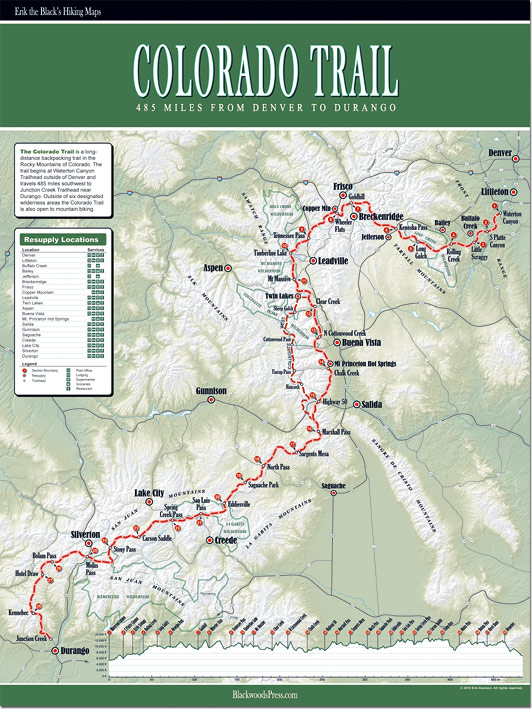
The impressive length of the Colorado Trail necessitates careful planning for resupply. Hikers and bikers can’t carry enough food for 4-6 weeks, making strategic stops in trail towns an integral part of the experience. These towns not only provide essential provisions but also offer a welcome respite, a chance to recharge, and an opportunity to connect with the local culture.
Key Stops Along the Way: From Mountain Resorts to Historic Hamlets
Several towns dot the landscape near the Colorado Trail, serving as vital resupply points. Each offers its unique character and amenities:
- Leadville: Known as the highest incorporated city in North America, Leadville is a historic mining town with a rugged charm. It’s a popular resupply spot, offering groceries, gear shops, and a variety of accommodations from cozy inns to simple motels. Its proximity to Mount Elbert, Colorado’s highest peak, makes it a hub for outdoor enthusiasts.
- Salida: Nestled on the Arkansas River, Salida is renowned for its vibrant arts scene and outdoor recreation opportunities, particularly whitewater rafting. It offers a wider array of restaurants, boutique shops, and diverse lodging options, from charming B&Bs to more luxurious stays.
- Lake City: A picturesque and remote town deep in the San Juan Mountains, Lake City provides a taste of authentic mountain living. It’s smaller but incredibly welcoming, with general stores, a few restaurants, and comfortable local lodging.
- Silverton: This historic mining town is a National Historic Landmark District, known for its narrow-gauge railway and stunning mountain backdrop. Silverton is a significant resupply point towards the western end of the trail, offering a good selection of services and a unique glimpse into Colorado’s past.
- Durango: The western terminus of the trail, Durango is a vibrant city with a rich Western heritage. It’s the perfect place to celebrate the completion of the trail, offering an abundance of hotels, resorts, fine dining, and cultural attractions.
Accommodation and Amenities: Finding Comfort Off the Trail
While the trail itself offers mostly primitive camping, the adjacent trail towns provide a range of accommodation options. From budget-friendly hostels and motels, perfect for dirty hikers looking for a shower and a bed, to more upscale hotels, suites, and even vacation rentals, there’s something to suit every preference and budget. Many towns understand the needs of trekkers, offering hiker discounts, laundry facilities, and shuttle services to trailheads. When planning your 486-mile trek, consider booking a comfortable stay in Durango or Denver for pre- and post-trail relaxation, perhaps a spa resort to soothe those tired muscles, or an apartment for a longer stay to explore the local area. Comparing options and reading reviews on lifeoutofthebox.com can help you find the perfect blend of luxury and convenience.
Embracing Local Culture and Cuisine
Beyond physical sustenance, trail towns offer cultural nourishment. They allow hikers to step out of the solitude of the wilderness and engage with the local community. Exploring the historical sites in Leadville or Silverton, enjoying craft beers in Salida, or sampling local cuisine – from hearty burgers to freshly baked pastries – becomes an anticipated highlight. These moments of connection provide a valuable perspective on the unique lifestyle and heritage that thrives in the shadow of Colorado’s majestic peaks.
Iconic Landmarks and Natural Wonders
The 486 miles of the Colorado Trail are punctuated by an astonishing array of natural landmarks, each contributing to the trail’s legendary status. This path is not just about the distance, but about the unparalleled beauty and the sheer scale of the Rocky Mountains.
Majestic Mountain Ranges and High Alpine Passes
The trail winds through some of Colorado’s most iconic mountain ranges. The Collegiate Peaks Wilderness, characterized by a series of 14,000-foot peaks (known as Fourteeners) named after prestigious universities, presents some of the trail’s most breathtaking and challenging sections. Hikers often gain incredible vistas of peaks like Mount Elbert and Mount Massive. Further west, the trail enters the dramatic and geologically complex San Juan Mountains, often considered the grand finale of the trail. Here, jagged peaks, deep valleys, and remnants of ancient volcanoes create a landscape of unparalleled rugged beauty. Additionally, segments pass through the ancient and pristine forests of the Lost Creek Wilderness, offering a different kind of natural wonder with its granite formations and hidden valleys.
Crossing the Continental Divide
One of the most significant natural features traversed by the Colorado Trail is the Continental Divide. The trail weaves in and out of the divide numerous times, spending a considerable portion of its length on or near this hydrological backbone of North America. Standing on the Continental Divide, knowing that precipitation falling on one side flows to the Atlantic Ocean and on the other to the Pacific, is a truly humbling experience. These high-alpine sections, often above tree line, offer expansive 360-degree views, where the sense of solitude and immersion in nature is absolute. It is a landmark that symbolizes the vastness of the continent and the epic nature of the journey.
The Colorado Trail Lifestyle: More Than Just a Hike
The 486 miles of the Colorado Trail are not just about reaching an endpoint; they represent a temporary lifestyle choice, a departure from the everyday into a world governed by rhythm of nature. It’s a journey that impacts one’s physical, mental, and even spiritual well-being, demanding a new perspective on travel and what it means to truly live.
Budgeting for Your Backcountry Bliss
While the accommodation on the trail itself is free (camping in designated or dispersed sites), the overall cost of a Colorado Trail thru-hike or extensive section hike can range significantly, fitting various lifestyle choices from budget travel to those who indulge in a bit more luxury travel during town stops. Major expenses include high-quality gear (backpack, tent, sleeping system, clothing, footwear), food for weeks on the trail, resupply packages, and transportation to and from the trailheads. For budget-conscious travelers, resupply can be done economically by purchasing groceries in town and opting for hostel stays. Those seeking a bit more comfort might factor in stays at nicer hotels or even boutique resorts in towns like Salida or Durango, enjoying gourmet meals, or sending pre-packed “hiker boxes” with special treats. It’s important to budget for unexpected costs like gear repairs or potential emergency services, underscoring the importance of comprehensive planning.
The Mental and Physical Challenge
Walking 486 miles, crossing 13,000-foot passes, and navigating unpredictable weather is an immense physical challenge. The constant demands on the body lead to incredible transformations, building strength and endurance that many never thought possible. Yet, the mental challenge is often considered even greater. Sustained effort, solitude, problem-solving in remote areas, and dealing with discomfort test one’s resilience and mental fortitude. Many thru-hikers describe a profound sense of self-discovery, finding inner strength they never knew they possessed. The trail fosters a unique connection with oneself and with nature, making it far more than just a physical feat. It is a journey of introspection and growth that extends well beyond the miles covered.

Leaving No Trace: Preserving Colorado’s Wilderness
For all those who journey along the Colorado Trail, it is paramount to uphold the principles of Leave No Trace. Given the trail’s length and the number of visitors it receives annually, respecting the delicate alpine ecosystems and pristine wilderness areas is crucial for its preservation. This means properly disposing of waste, minimizing campfire impacts, respecting wildlife, and staying on designated paths to prevent erosion. The enduring beauty of the Colorado Trail depends on the responsible actions of every traveler who sets foot upon its 486 miles. By adopting these ethical principles, adventurers ensure that this magnificent path remains a source of wonder and challenge for generations to come, embodying the true spirit of sustainable tourism and respectful travel.
In conclusion, the 486 miles of the Colorado Trail represent a formidable and deeply rewarding adventure. From the high-alpine tundra to the dense forests, through historic mining towns and alongside the Continental Divide, it offers a journey of unparalleled beauty and challenge. Whether you aim to conquer its entire length or savor its segments, thorough preparation, a respect for nature, and an open heart are the keys to unlocking the full potential of this incredible landmark and experiencing the true essence of Colorado‘s wild heart.