
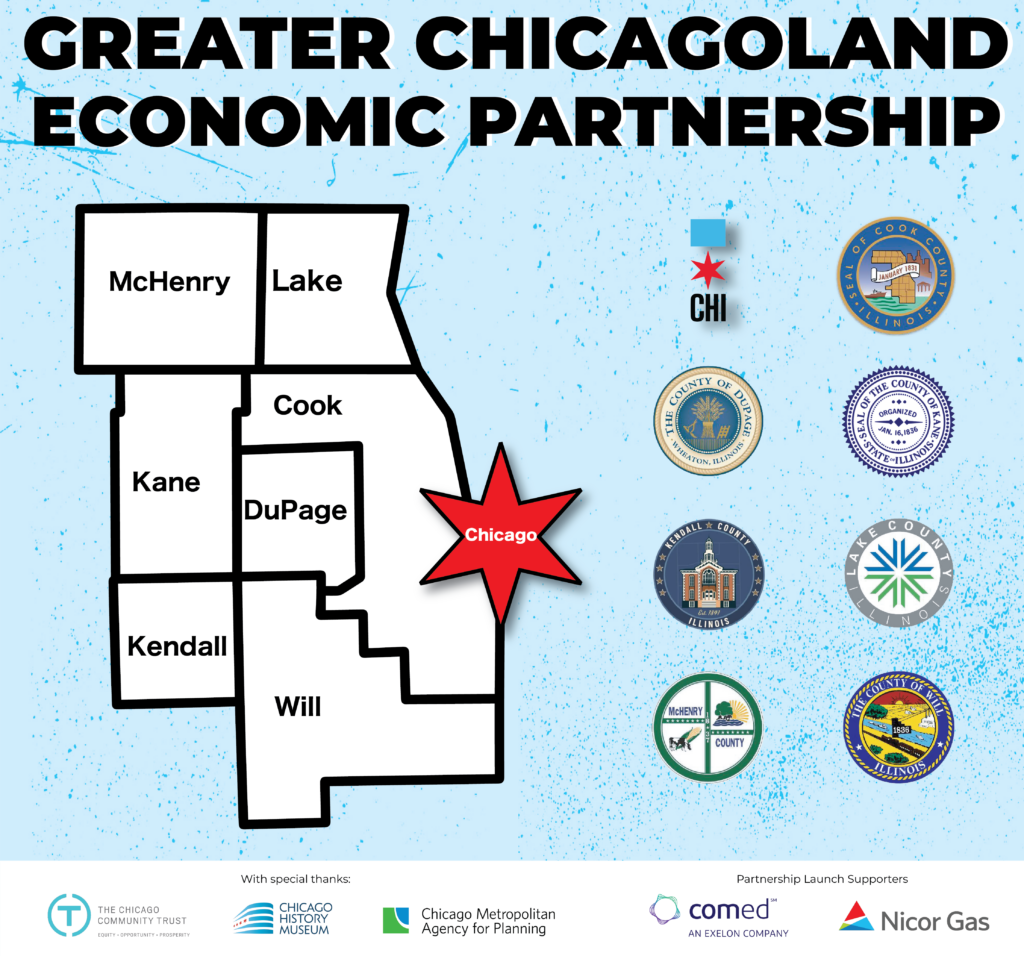
The vibrant, sprawling metropolis known globally as Chicago is famously situated within Cook County, Illinois. As one of the largest and most dynamic cities in the United States, Chicago serves as the county seat and the beating heart of Cook County, an area that is not only home to the nation’s third-largest city but also encompasses a diverse array of suburbs, natural landscapes, and significant historical sites. Understanding Chicago’s geographical placement within Cook County offers a deeper appreciation for its complex identity, its role as a premier travel destination, and the rich tapestry of experiences awaiting every visitor.

For those planning a trip, delving into the specifics of Cook County reveals more than just administrative boundaries; it highlights the extended metropolitan area that offers a multitude of attractions, dining experiences, and accommodation options. From the bustling downtown core of Chicago to the charming communities dotted throughout the county, there is a wealth of culture, history, and adventure to uncover.
Understanding Cook County: More Than Just Chicago’s Home
Cook County is far from a mere administrative designation; it is a region of immense diversity and economic power. Located in the northeastern part of Illinois, it is the most populous county in the state and the second-most populous county in the United States, trailing only Los Angeles County in California. This vast expanse includes not only the iconic skyline of Chicago but also 134 other incorporated municipalities, alongside numerous unincorporated areas.
The county’s strategic location along the southwestern shores of Lake Michigan, one of the five Great Lakes, has profoundly shaped its development. This proximity to a major waterway facilitated early trade and industry, cementing Chicago’s status as a critical transportation hub in the Midwest. Today, Cook County continues to be a vibrant center for commerce, culture, and innovation, drawing millions of visitors and residents alike.
Historical Significance and Governance
The history of Cook County is intricately linked with the growth of Chicago. Established in 1831, just a few years before Chicago was incorporated as a city, the county played a pivotal role in the westward expansion of the United States. Its governance structure is one of the most complex in the country, reflecting its vast population and diverse needs. The Cook County Board of Commissioners, headed by a President, oversees a wide range of public services, including public health, judicial systems, and forest preserves.
The Cook County Forest Preserves are a prime example of the county’s commitment to preserving natural spaces amidst urban sprawl. These extensive green areas offer residents and tourists alike opportunities for hiking, biking, picnicking, and wildlife observation, providing a serene escape from city life. This dedication to natural beauty adds another layer to the county’s appeal, especially for those seeking both urban excitement and outdoor tranquility during their travels.
Key Cities and Communities within Cook County
While Chicago undoubtedly steals the spotlight, Cook County boasts a constellation of charming and historically significant communities, each offering unique attractions. For instance, Evanston, located just north of Chicago, is home to Northwestern University and features beautiful lakefront parks, a vibrant arts scene, and an array of boutique shops and restaurants. It’s an ideal day trip for visitors wanting to explore beyond the immediate city limits.
Further west, Oak Park is world-renowned for its exceptional architecture, particularly the largest concentration of homes and buildings designed by Frank Lloyd Wright. The Frank Lloyd Wright Home and Studio and the Unity Temple are must-see landmarks for architecture enthusiasts. Other notable suburbs like Schaumburg offer extensive shopping experiences, including Woodfield Mall, one of the largest malls in the United States, along with corporate headquarters and entertainment venues. These communities contribute to the overall appeal of Cook County as a diverse destination, enriching the travel experience for those who venture beyond downtown Chicago.
Exploring Chicago’s Allure: A Hub of Culture and Tourism
As the crown jewel of Cook County, Chicago stands as a global beacon for tourism, renowned for its stunning architecture, world-class museums, vibrant arts scene, and distinctive culinary landscape. Every corner of the city offers an experience, making it a dream destination for travelers seeking an immersive urban adventure. The city’s identity is deeply intertwined with its geographical position on Lake Michigan, providing breathtaking waterfront views and a refreshing counterbalance to its urban density.
From its towering skyscrapers to its serene parks, Chicago seamlessly blends historical grandeur with contemporary innovation. The city’s grid system makes it relatively easy to navigate, whether by foot, public transit, or rideshare, allowing visitors to maximize their exploration time.
Iconic Chicago Landmarks
Chicago is home to an impressive array of landmarks that captivate visitors from around the globe. A visit often begins at Millennium Park, where the iconic “Bean” sculpture, officially named Cloud Gate, offers an irresistible photo opportunity. Adjacent to it, the Art Institute of Chicago houses a remarkable collection spanning centuries and cultures, making it one of the oldest and largest art museums in the United States.
Another must-see is Navy Pier, extending into Lake Michigan and offering panoramic views of the skyline, rides, restaurants, and entertainment. For an unparalleled perspective, a trip to the Willis Tower (formerly Sears Tower) and its Skydeck, with glass-bottomed Ledge balconies, provides a thrilling vista of four states on a clear day.
The renowned Museum Campus is a cultural hub featuring the Field Museum (natural history), the Shedd Aquarium (aquatic life), and the Adler Planetarium (astronomy). Each offers engaging exhibits for all ages. Further north, the Lincoln Park Zoo, one of the oldest zoos in the United States, provides free admission to explore diverse wildlife collections within a beautiful park setting. For shoppers, the Magnificent Mile along Michigan Avenue is an upscale paradise, boasting luxury boutiques, department stores, and fine dining establishments.
Culinary Delights and Nightlife
Chicago’s food scene is as diverse and dynamic as its population. It’s impossible to discuss Chicago cuisine without mentioning its signature deep-dish pizza. Iconic establishments like Giordano’s and Lou Malnati’s serve up piping hot, cheesy pies that are a true Chicago experience. Beyond pizza, the city is also famous for its Chicago-style hot dog, an all-beef frankfurter loaded with an array of toppings, famously available at places like Portillo’s.
However, Chicago’s culinary offerings extend far beyond these classics. The city boasts an impressive number of Michelin-starred restaurants, reflecting its status as a global gastronomic destination. Neighborhoods like River North and West Loop are particularly known for their innovative eateries, trendy bars, and bustling nightlife. From speakeasies and jazz clubs to rooftop bars with stunning views, Chicago offers endless options for evening entertainment, catering to every taste and preference.
Arts, Culture, and Entertainment
The cultural fabric of Chicago is rich and vibrant, deeply rooted in its history as a melting pot of diverse communities. The city is a mecca for performing arts, with a thriving theater scene that includes world-renowned companies such as Steppenwolf Theatre Company and Goodman Theatre. Music lovers will revel in the sounds of the Chicago Symphony Orchestra, one of the “Big Five” orchestras in the United States, and the exquisite performances by the Joffrey Ballet.

Chicago’s musical heritage, particularly in blues and jazz, is legendary, with numerous clubs across the city keeping these genres alive and well. Throughout the year, Grant Park hosts major festivals like Lollapalooza, Blues Fest, and Jazz Fest, attracting international talent and drawing huge crowds. Beyond the performing arts, the city’s numerous art galleries, public art installations, and community cultural centers ensure there’s always something new and inspiring to discover.
Where to Stay: Chicago’s Diverse Accommodation Landscape
As a major global city, Chicago offers an incredibly diverse range of accommodations, catering to every budget, style, and travel need. Whether you’re seeking the opulent grandeur of a five-star hotel, the intimate charm of a boutique stay, or the convenience of an extended-stay apartment, the city within Cook County has an option for you. The variety ensures that every visitor can find their ideal home away from home, enhancing their overall Chicago experience.
Choosing the right neighborhood for your stay is crucial. Downtown (Loop), River North, and the Magnificent Mile areas are ideal for first-time visitors who want to be close to major attractions, high-end shopping, and vibrant nightlife. For those seeking a more local vibe or specific interests, neighborhoods like Lincoln Park, Wicker Park, or Fulton Market offer unique boutique hotels and stylish apartment rentals.
Luxury Hotels and Boutique Stays
Chicago is synonymous with luxury, and its hotel scene reflects this prestige. Iconic establishments like the Four Seasons Hotel Chicago, The Peninsula Chicago, and the Waldorf Astoria Chicago offer impeccable service, exquisite amenities, and breathtaking views, often situated on or near the Magnificent Mile. These hotels provide a lavish experience, perfect for discerning travelers or those celebrating a special occasion. Many feature gourmet restaurants, world-class spas, and concierge services that can arrange bespoke Chicago experiences.
For travelers who prefer a more personalized and intimate atmosphere, Chicago’s boutique hotel scene is flourishing. Places like the Thompson Chicago in Gold Coast or the Ace Hotel Chicago in Fulton Market combine unique design, local character, and trendy dining options, often reflecting the artistic and culinary spirit of their respective neighborhoods. These establishments are perfect for travelers looking for stylish accommodations with a distinct personality.
Family-Friendly Options and Extended Stays
Traveling with family requires specific considerations, and Chicago offers numerous family-friendly accommodations. Hotels like the Hyatt Regency Chicago or the historic Palmer House Hilton often provide spacious rooms, amenities like indoor pools, and convenient access to attractions such as Millennium Park and the Museum Campus. Many hotels also offer connecting rooms or suites, providing comfort and privacy for families.
For longer visits, business stays, or those who prefer the comforts of home, extended-stay hotels and serviced apartments are an excellent choice. Properties like Homewood Suites by Hilton or Residence Inn by Marriott offer kitchenettes, separate living areas, and amenities like complimentary breakfast, making them ideal for extended stays or families needing more space and flexibility. Booking in advance, especially during peak season, is always recommended to secure the best rates and availability.
Budget-Conscious Choices and Unique Accommodations
Chicago also provides a wealth of options for budget-conscious travelers without compromising on location or quality. Hostels, once primarily for backpackers, have evolved into chic and social lodging options. The Freehand Chicago, for example, offers both private rooms and shared accommodations in a beautifully designed space, complete with a popular bar and restaurant. These types of accommodations are fantastic for solo travelers or groups looking to connect with others and save on lodging costs.
Beyond traditional hotels, unique accommodations can be found through platforms offering vacation rentals, allowing visitors to experience Chicago like a local by staying in residential neighborhoods. From charming brownstones in Lincoln Park to modern lofts in Wicker Park or Bucktown, these options provide greater flexibility, privacy, and often more space than a standard hotel room. While booking, travelers should always check reviews and consider their proximity to public transportation for ease of access to the city’s major sites.
Making the Most of Your Chicago Visit: Tips and Lifestyle
A trip to Chicago is an experience of a lifetime, but careful planning can elevate your journey within Cook County. Embracing the city’s unique lifestyle, understanding its transit systems, and knowing a few insider tips can help you navigate like a seasoned traveler and unlock hidden gems beyond the typical tourist trails. From optimizing your schedule to savoring local flavors, these insights will ensure a memorable and enriching visit.
Navigating the City and Beyond
Chicago’s public transportation system, primarily operated by the Chicago Transit Authority (CTA), is extensive and efficient. The “L” train, with its iconic elevated tracks, connects the downtown Loop with various neighborhoods and both major airports, O’Hare International Airport and Midway International Airport. Buses complement the train lines, providing comprehensive coverage across the city and into some Cook County suburbs. Purchasing a Ventra Card or using contactless payment on your phone makes getting around seamless.
For exploring specific areas, walking is highly recommended, especially along the Chicago Riverwalk or through neighborhoods like Lincoln Park. Divvy bike-sharing stations are also ubiquitous, offering a fun way to explore the city’s extensive bike paths, including the 18-mile Lakefront Trail. If you plan to venture further into Cook County suburbs like Evanston or Oak Park, the Metra commuter rail system provides convenient service.
Chicago Travel Tips for Every Budget
Chicago can be an expensive city, but savvy travelers can enjoy its splendors on any budget. Consider purchasing a CityPASS for discounted admission to several major attractions like the Skydeck Chicago, Field Museum, and Shedd Aquarium. Many of the city’s best attractions, such as Millennium Park, Lincoln Park Zoo, and the Chicago Cultural Center, offer free admission.
Dining out can be affordable too. Beyond the fancy restaurants, Chicago is rich with casual eateries, food trucks, and neighborhood dives that serve delicious and budget-friendly meals. Look for daily specials or happy hour deals. For accommodation, traveling during the off-peak seasons (late fall to early spring, excluding holidays) can yield significant savings on hotels. Hostels and budget-friendly hotels, as mentioned earlier, are also excellent choices.
Experiencing Chicago Like a Local
To truly immerse yourself in the Chicago lifestyle, venture beyond the downtown core. Explore diverse neighborhoods like Andersonville for its Swedish heritage and independent shops, or Pilsen for vibrant Mexican murals and art galleries. Catch a baseball game at Wrigleyville, home of the Chicago Cubs, for an quintessential American experience.
Engage with the local arts scene by attending an improv show at The Second City, where many famous comedians got their start. Take a Chicago Architecture Foundation Center River Cruise to learn about the city’s groundbreaking architectural history from a unique vantage point. And don’t forget to enjoy the simple pleasures: a stroll along the Lakefront Trail, a picnic in Grant Park, or simply sitting at a cafe and people-watching. These experiences, often overlooked by hurried tourists, offer genuine glimpses into the soul of Chicago and the broader Cook County community.
In conclusion, Chicago’s identity as a global city is inextricably linked to its position within Cook County. This geographical fact not only defines its administrative boundaries but also enriches its cultural, economic, and tourism landscape, offering a vast array of experiences for every kind of traveler.
LifeOutOfTheBox is a participant in the Amazon Services LLC Associates Program, an affiliate advertising program designed to provide a means for sites to earn advertising fees by advertising and linking to Amazon.com. Amazon, the Amazon logo, AmazonSupply, and the AmazonSupply logo are trademarks of Amazon.com, Inc. or its affiliates. As an Amazon Associate we earn affiliate commissions from qualifying purchases.