
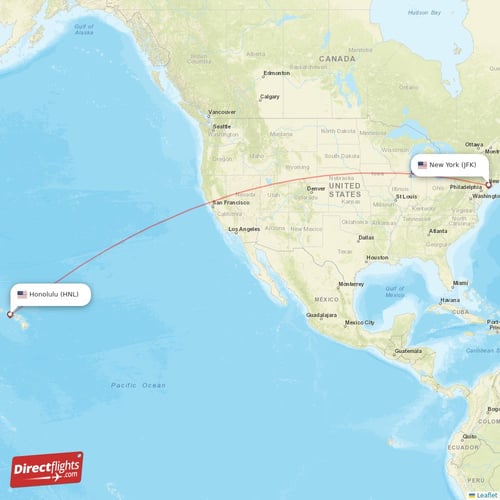
Embarking on a journey from the bustling metropolis of New York to the tranquil shores of Hawaii is a dream for many. This epic trans-Pacific voyage spans thousands of miles, taking travelers from the East Coast of the United States to the remote island paradise nestled in the heart of the Pacific Ocean. While the allure of pristine beaches, lush landscapes, and vibrant culture is undeniable, a common and crucial question for any prospective traveler is: exactly how long is this flight?
The answer isn’t always straightforward, as flight durations can vary based on several factors, including the specific departure airport in New York, the arrival island in Hawaii, whether it’s a direct or connecting flight, and even environmental conditions. Preparing for such a long-haul flight requires careful planning, not just for the travel itself but also for the seamless transition into the laid-back Hawaiian lifestyle upon arrival. This comprehensive guide will break down the typical flight times, explore the variables that influence your journey, offer tips for maximizing comfort, and provide insights into starting your Hawaiian adventure right.
The Core Question: Flight Durations from New York to Hawaii
The immense distance between New York and Hawaii makes it one of the longest domestic flights in the world. Travelers are typically looking at a substantial commitment of time in the air, but understanding the specifics can help set expectations and plan accordingly.
Direct Flights to Honolulu (Oahu)
For most travelers flying directly from New York to Hawaii, the primary gateway is Daniel K. Inouye International Airport (HNL) in Honolulu, located on the island of Oahu. This is where the majority of direct flights from the Continental US land.
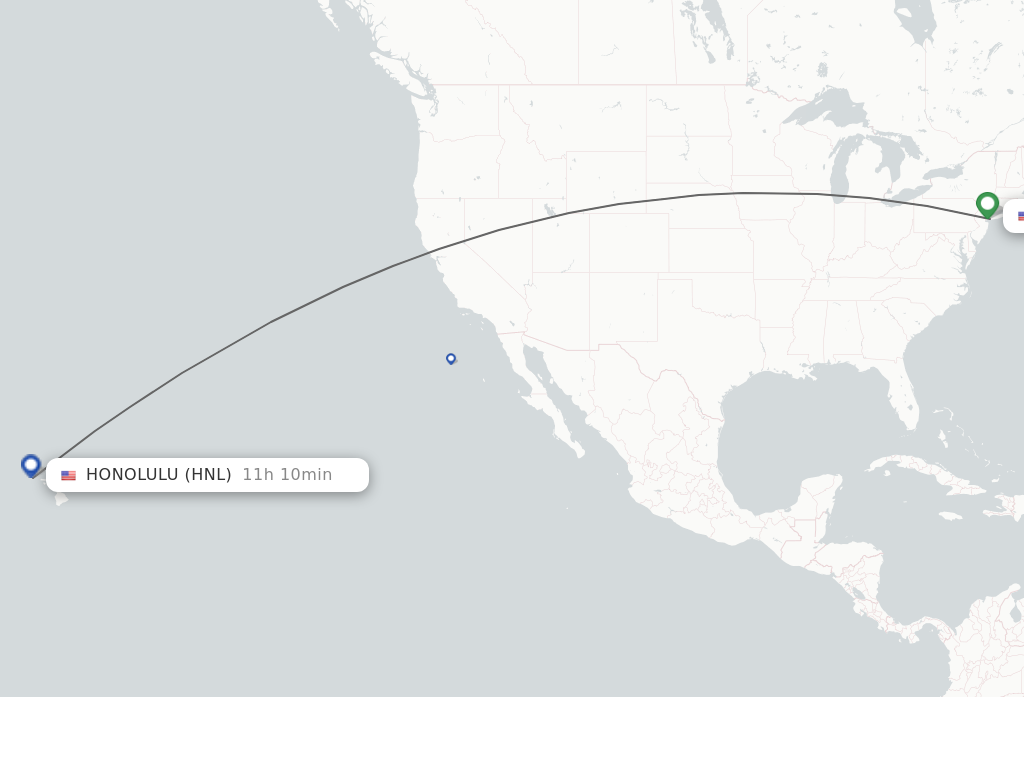
From major New York metropolitan airports such as JFK (John F. Kennedy International Airport) or Newark Liberty International Airport (EWR), direct flights to Honolulu typically range from 10 hours and 30 minutes to 11 hours and 30 minutes. This duration covers the actual time spent airborne. Airlines like United Airlines, Delta Air Lines, and Hawaiian Airlines often operate these routes, utilizing wide-body aircraft designed for long-haul journeys. While these flights offer the fastest way to reach the islands, their availability can be seasonal or limited, making early booking essential for securing these coveted seats, especially for those prioritizing a seamless travel experience.
Connecting Flights and Other Islands
While direct flights offer convenience, connecting flights are more common and often provide greater flexibility in terms of schedules and pricing. If you opt for a connecting flight, your total travel time will significantly increase due to layovers.
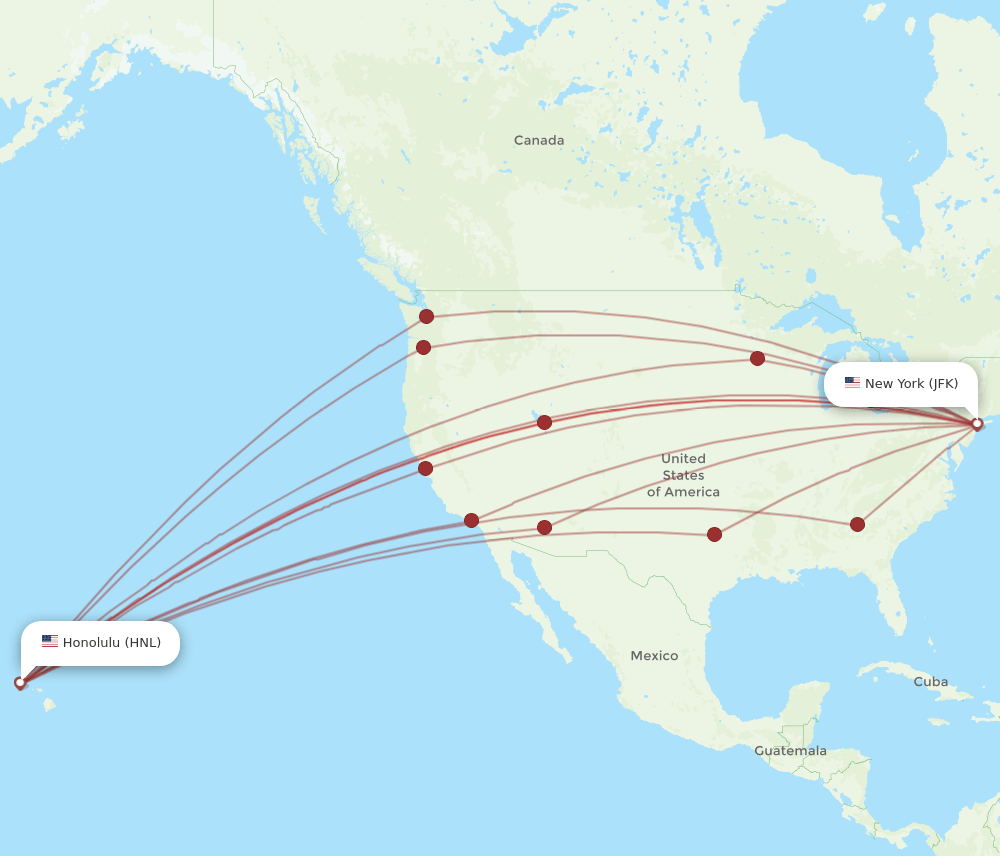
Common layover cities on the West Coast include Los Angeles (LAX), San Francisco (SFO), and Seattle (SEA). Some routes might also involve layovers in cities further inland such as Phoenix (PHX) or Dallas (DFW). The duration of these connecting flights can vary widely, but typically, expect total travel times (including layovers) to fall between 14 and 18 hours, or even longer if there’s a lengthy stopover or multiple connections. This extended travel time can be a consideration for families or those seeking to minimize their journey, making the “lifestyle” choice of a direct flight a valuable investment.
Furthermore, if your final destination is an island other than Oahu, such as Maui (Kahului Airport – OGG), Kauai (Lihue Airport – LIH), or the Island of Hawaii (Kona International Airport – KOA or Hilo International Airport – ITO), you will almost certainly require an additional inter-island flight. Most international and Continental US flights land in Honolulu, necessitating a short hop (30-60 minutes) to your final island. While these inter-island flights are quick, they add to the overall travel duration, factoring in check-in, security, and boarding times for the second leg. For example, a flight to Maui from New York would involve the initial long-haul to Honolulu, followed by an additional connection, extending the total trip by a few more hours.
Factors Influencing Your Trans-Pacific Journey
Beyond the direct vs. connecting flight decision, several other elements play a significant role in determining the actual time you spend traveling from New York to Hawaii. Understanding these factors can help travelers make informed choices when booking their accommodation and planning their itinerary.
Aircraft Type and Airline Choices
The type of aircraft used by an airline can subtly influence flight duration and, more notably, passenger comfort. Modern wide-body jets, such as the Boeing 787 Dreamliner, Airbus A330, or Airbus A350, are designed for efficiency and long-range travel. These planes often fly at higher altitudes and can maintain faster cruising speeds, potentially shaving a few minutes off the total flight time compared to older models. More importantly, these aircraft usually offer superior in-flight amenities, including advanced entertainment systems, more comfortable seating configurations (especially in premium cabins), and better cabin pressurization and humidity, all contributing to a more pleasant “lifestyle” travel experience for such an extended period. When booking, consider the specific aircraft type if comfort is a priority.
Airlines also have different routing strategies and operational efficiencies. While major carriers like United Airlines, Delta Air Lines, and Hawaiian Airlines are reliable, minor differences in their flight paths or ground operations can lead to slight variations in advertised flight times.
Navigating Time Zones and Jet Lag
One of the less tangible but equally impactful factors is the significant time difference between the East Coast and Hawaii. New York operates on Eastern Time, while Hawaii observes Hawaii Standard Time. There is a 5-hour difference during standard time and a 6-hour difference when New York is on Daylight Saving Time (Hawaii does not observe DST).
This substantial time shift means that even if you land at 3 PM in Honolulu, your body will still feel like it’s 8 PM or 9 PM New York time. The westbound flight, while long, often feels slightly less jarring initially because you’re “gaining” hours. However, the cumulative effect of a long flight combined with this time zone change can lead to significant jet lag. Proper preparation for this, like adjusting your sleep schedule a few days before departure, staying hydrated, and exposing yourself to sunlight upon arrival, is crucial for truly enjoying the local culture and attractions without being hampered by fatigue.
The Impact of Weather and Air Traffic
While not typically listed on a flight schedule, weather conditions and air traffic can influence the actual flight duration. Strong tailwinds (like the jet stream) over the Pacific Ocean can significantly reduce westbound flight times, sometimes by 30 minutes to an hour. Conversely, headwinds can lengthen the journey. Air traffic control delays, either at departure from JFK or Newark Liberty International Airport, or upon arrival at Daniel K. Inouye International Airport, can also add unforeseen minutes or even hours to your total travel time. While these are usually minor adjustments, they are part of the reality of air travel. Travelers should always build a bit of buffer into their plans, especially if they have immediate bookings for tours or accommodation.
Preparing for the Long-Haul: Tips for a Comfortable Flight
A flight of 10-12 hours, or even more with connections, demands thoughtful preparation to ensure a comfortable and enjoyable journey. Maximizing your comfort during this extensive travel period is key to arriving in Hawaii refreshed and ready to immerse yourself in the local tourism experiences.
In-Flight Comfort Essentials
Start with your attire: wear loose, comfortable clothing in layers, as cabin temperatures can fluctuate. Invest in a good quality neck pillow, an eye mask, and noise-canceling headphones to create a personal oasis. These items are indispensable for managing light and sound, allowing for better rest or focus on your entertainment. A travel blanket can also be a welcome addition, as airline blankets are sometimes thin or limited. For those booking “lifestyle” travel options like business or first class, these amenities are often provided, but for economy travelers, bringing your own can significantly enhance the experience.
Consider booking a seat with extra legroom, such as an exit row or a premium economy seat, if your budget allows. The slight increase in cost can be a worthwhile investment for such a long flight, making movement and stretching much easier.
Entertainment and Connectivity
While most modern aircraft offer extensive in-flight entertainment systems with movies, TV shows, and music, it’s always wise to have your own backup. Download movies, TV series, podcasts, audiobooks, and e-books onto your devices before you depart. This ensures you have plenty of options even if the in-flight system isn’t to your liking or experiences technical issues. Many airlines also offer Wi-Fi, often for a fee, which can be useful for staying connected, though it can be unreliable or slow over the Pacific Ocean. Having physical books or magazines can also be a refreshing alternative to screen time.
Hydration and Movement
Dehydration is a common issue on long flights due to the dry cabin air. Drink plenty of water before, during, and after your flight. Avoid excessive alcohol and caffeine, which can contribute to dehydration and disrupt sleep patterns. Bring an empty reusable water bottle to fill up after security.
Regular movement is also vital to prevent stiffness, fatigue, and the risk of deep vein thrombosis (DVT). Get up and walk around the cabin every couple of hours if possible. Perform simple stretches in your seat, focusing on your legs, feet, and neck. Compression socks can also be beneficial for promoting circulation during extended periods of sitting. These simple steps contribute significantly to a healthier and more comfortable journey.
Beyond the Flight: Arriving in Paradise and Exploring Hawaii
Once you’ve navigated the long flight from New York, the reward is the breathtaking beauty and unique charm of Hawaii. Your arrival is the beginning of a memorable vacation, and a smooth transition from air travel to island life is paramount.
Choosing Your Hawaiian Gateway
While Honolulu (HNL) on Oahu is the main entry point, travelers often continue to other islands for varied experiences. Each island offers a distinct flavor of Hawaii. For instance, Maui is renowned for its stunning beaches and the scenic Road to Hana, offering a blend of luxury resorts like the Four Seasons Resort Maui at Wailea and more adventurous tourism activities. Kauai, the Garden Isle, boasts dramatic cliffs of the Na Pali Coast and lush rainforests, perfect for nature enthusiasts seeking boutique hotels or charming vacation rentals. The Island of Hawaii (the Big Island) is famous for Volcanoes National Park and diverse landscapes, from volcanic deserts to snow-capped peaks like Mauna Kea, offering unique accommodation options from lavish resorts on the Kona Coast to quaint guesthouses. Your choice of island will shape your overall tourism experience and the types of landmarks you’ll encounter.
First Steps on Hawaiian Soil
Upon landing, allow yourself time to decompress. The airports are often adorned with tropical plants and offer a first taste of the island ambiance. Arranging your transportation from the airport in advance, whether it’s a rental car, a shuttle service, or a pre-booked taxi, can save time and stress. Consider booking your accommodation in advance as well, whether you prefer a sprawling luxury resort on Waikiki Beach, a boutique hotel in Lahaina, or a cozy vacation rental closer to Lihue. Popular choices include the Disney Aulani Resort on Oahu or The Ritz-Carlton, Kapalua on Maui, among many others across the islands.
Once settled, resist the urge to pack your first day with strenuous activities. A gentle start, perhaps a leisurely stroll on Kaanapali Beach or a casual dinner experiencing local Hawaiian food, will help your body adjust to the new time zone and climate.
Embracing the Aloha Spirit
Hawaii offers a rich tapestry of local culture and activities. From exploring historical landmarks like Pearl Harbor and hiking up Diamond Head on Oahu, to snorkeling with vibrant marine life, learning to surf, or indulging in a traditional luau, the islands cater to every interest and “lifestyle” of travel. Whether you’re seeking a serene, romantic getaway or an action-packed family adventure, the plethora of attractions and experiences ensures there’s something for everyone. Embrace the “aloha spirit,” take your time, and allow yourself to truly relax and soak in the beauty and unique atmosphere of this incredible destination. After a long flight from New York, the reward of Hawaii is truly worth every minute of the journey.
LifeOutOfTheBox is a participant in the Amazon Services LLC Associates Program, an affiliate advertising program designed to provide a means for sites to earn advertising fees by advertising and linking to Amazon.com. Amazon, the Amazon logo, AmazonSupply, and the AmazonSupply logo are trademarks of Amazon.com, Inc. or its affiliates. As an Amazon Associate we earn affiliate commissions from qualifying purchases.