
The question of Hawaii’s statehood is one that occasionally surfaces, sparking curiosity and sometimes, confusion. For many, the pristine beaches, volcanic landscapes, and unique cultural tapestry of the Hawaiian Islands are synonymous with tropical paradise, an idyllic escape. However, the precise political status of these Pacific islands is a matter of established fact, rooted in a significant historical transition. This article will definitively address Hawaii’s standing within the United States, exploring the journey it took to become the 50th state.
The Historical Path to Statehood
Hawaii’s journey to becoming a state was not a simple or immediate one. It involved a complex interplay of indigenous sovereignty, foreign influence, and eventual annexation, culminating in a formal admission to the Union. Understanding this history is crucial to appreciating the present-day reality of Hawaii as an integral part of the United States.
The Kingdom of Hawaii and its Overthrow
For centuries, the Hawaiian Islands were an independent Polynesian kingdom, governed by a succession of monarchs who ruled over a vibrant and distinct culture. The indigenous Hawaiian people developed a rich society with its own language, traditions, and complex social structures. European contact in the late 18th century, beginning with the arrival of Captain James Cook in 1778, marked the beginning of profound changes.
Over time, Western influence, primarily from American businessmen and missionaries, grew significantly. By the mid-19th century, these foreign interests held considerable economic and political power. This culminated in the overthrow of the Hawaiian monarchy in 1893, orchestrated by a group of American and European businessmen, with the alleged support of the United States Minister to Hawaii and U.S. Marines. Queen Liliʻuokalani, the last reigning monarch, was deposed, marking the end of an era of Hawaiian sovereignty.
Annexation and Territorial Status
Following the overthrow, a provisional government was established, seeking to annex the islands to the United States. The initial attempt at annexation in 1894 failed due to opposition from President Grover Cleveland. However, with a shift in U.S. political sentiment, particularly during the Spanish-American War, the strategic importance of Hawaii as a naval base became paramount. In 1898, under President William McKinley, the United States annexed Hawaii through the Newlands Resolution.
For nearly six decades, Hawaii existed as an organized incorporated territory of the United States. During this period, the islands saw significant economic development, driven largely by the sugar and pineapple industries. American governance was established, and a diverse population, including immigrants from Asia and Europe, began to shape the social fabric of the islands. Despite the territorial status, there was a growing movement advocating for full statehood, arguing that Hawaii had earned the right to representation and the full privileges of U.S. citizenship.
The Road to Becoming the 50th State
The latter half of the 20th century saw a sustained and determined effort by the people of Hawaii to achieve statehood. This movement was fueled by a desire for equal representation in Congress and the full democratic rights afforded to citizens of other U.S. states.
The Push for Statehood
Advocates for statehood highlighted Hawaii’s democratic institutions, its multi-ethnic population, and its significant contributions to the U.S. economy and military. They argued that denying statehood to Hawaii was a form of political disenfranchisement. The movement gained considerable momentum in the post-World War II era, as American ideals of self-determination and equality resonated more strongly.
The U.S. Congress debated Hawaii’s admission for years. There were various political considerations, including racial prejudice and fears of communist influence, that hindered the process. However, persistent advocacy and a growing consensus on the fairness of the request eventually paved the way for a breakthrough.
Admission to the Union
In 1959, after decades of campaigning and debate, Congress passed the Hawaii Admission Act. This landmark legislation formally admitted Hawaii as the 50th state of the United States of America. On August 21, 1959, Hawaii officially joined the Union, a pivotal moment in its history and that of the United States. This achievement marked the culmination of a long and often challenging journey, transforming Hawaii from a sovereign kingdom and a U.S. territory into an equal partner within the American federal system.
Hawaii Today: A Vibrant U.S. State
Today, Hawaii stands as a testament to its rich history and its integral role within the United States. It is a state that uniquely blends its indigenous heritage with American governance, creating a distinct and celebrated cultural identity.
Political and Economic Integration
As the 50th state, Hawaii participates fully in the U.S. political system. Its citizens elect representatives to Congress, participate in presidential elections, and are subject to federal laws and regulations. The state operates under a democratic framework, with its own governor, legislature, and judicial system, all operating within the broader constitutional structure of the United States.
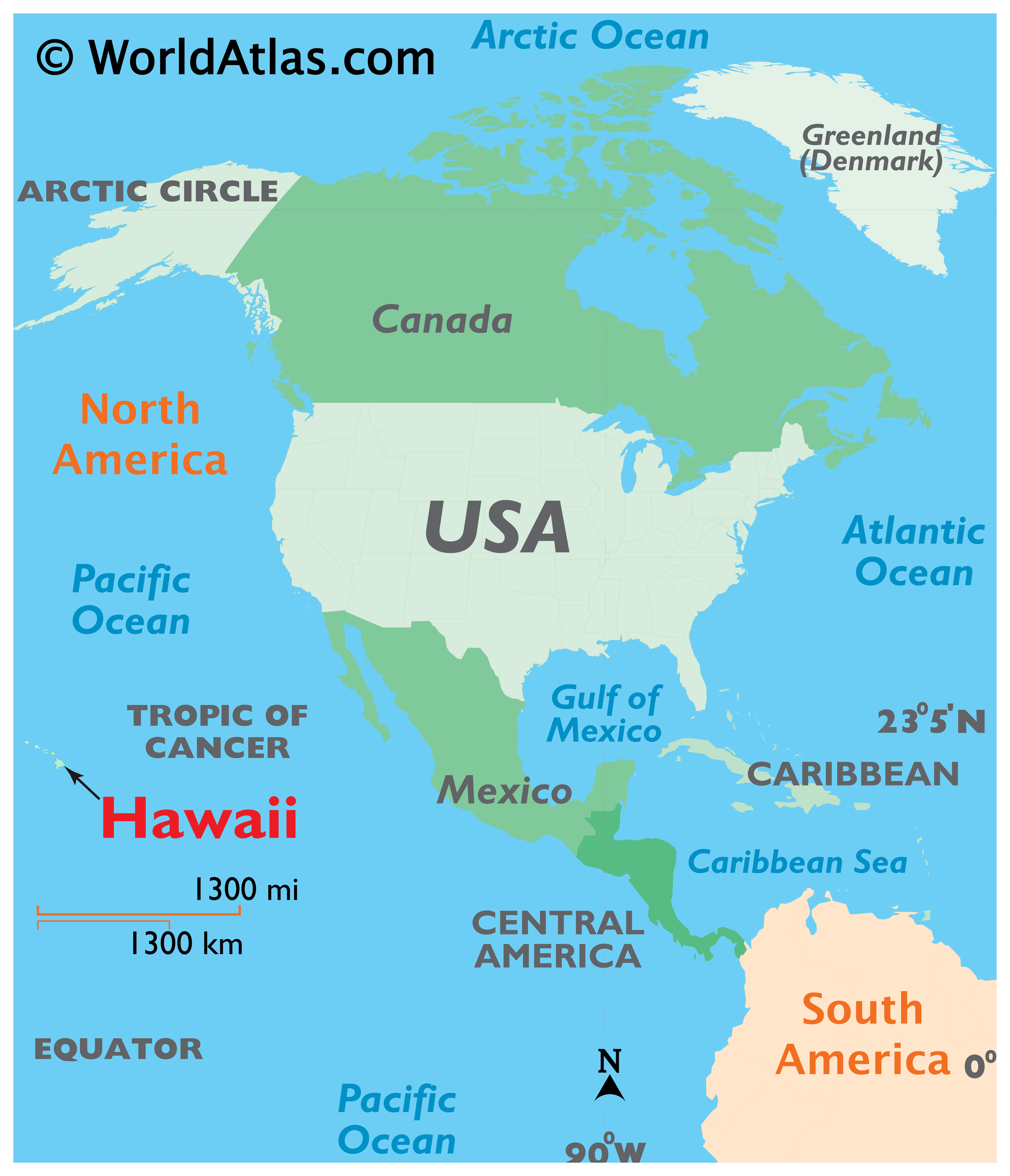
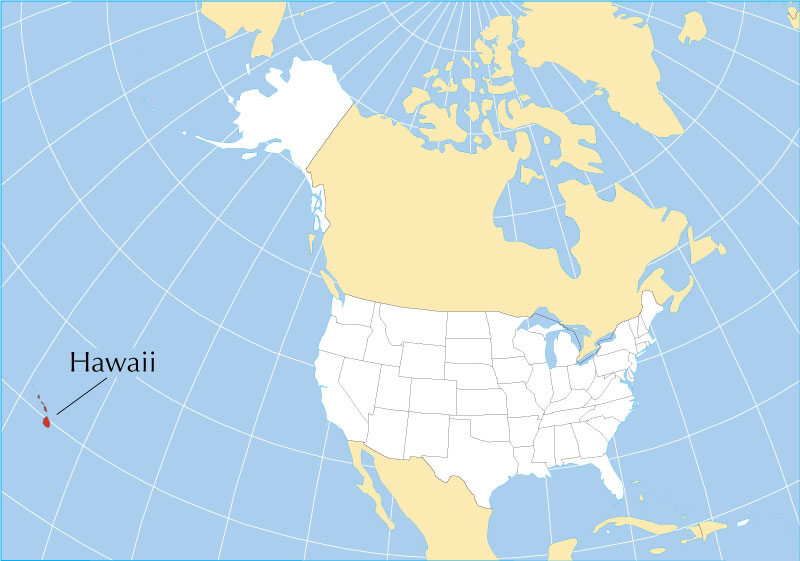
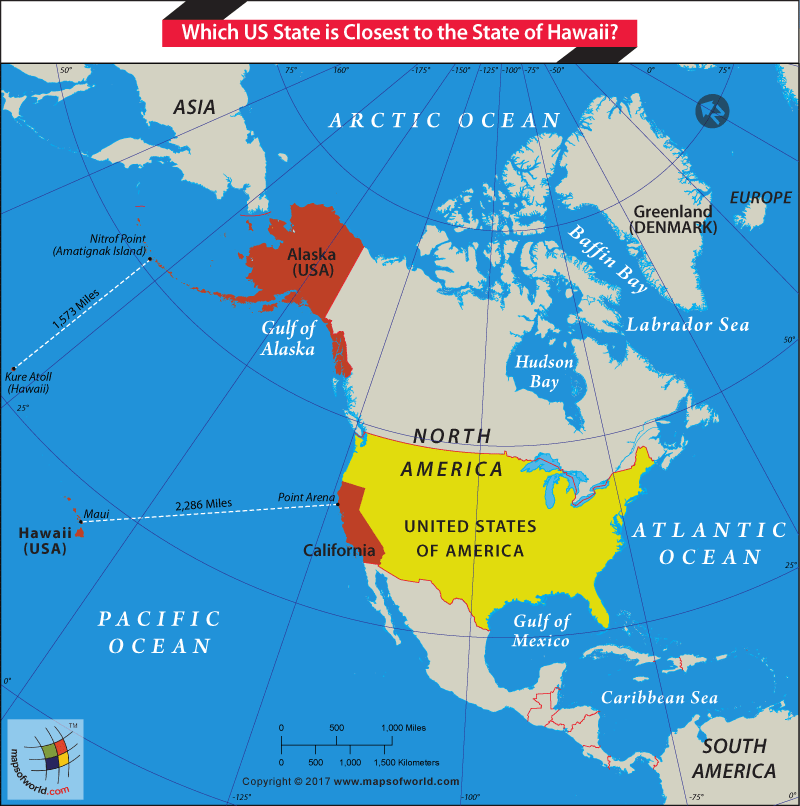
Economically, Hawaii is a vital part of the U.S. economy. Its primary industries include tourism, which draws millions of visitors annually to its shores, and agriculture, with significant production of pineapple and sugarcane, though the economy has diversified considerably. The presence of major U.S. military installations, such as Pearl Harbor on Oʻahu, underscores its strategic importance. The state’s unique geographical location also makes it a crucial hub for trade and transportation in the Pacific.
Cultural Identity and Tourism
The cultural landscape of Hawaii is a dynamic fusion of its Polynesian roots and the influences of the many peoples who have called it home. This rich heritage is celebrated through traditional practices, language revitalization efforts, and vibrant arts and festivals. The aloha spirit, a concept deeply ingrained in Hawaiian culture that embodies love, peace, and compassion, is a defining characteristic.
Tourism remains a cornerstone of Hawaii’s economy, attracting visitors from around the globe to experience its breathtaking natural beauty and unique culture. From the iconic beaches of Waikīkī to the dramatic cliffs of the Na Pali Coast on Kauaʻi, and the active volcanoes of Hawaiʻi Volcanoes National Park on the island of Hawaiʻi (the Big Island), the state offers unparalleled natural wonders. Visitors can explore historical sites like ʻIolani Palace, the only royal palace in the United States, or immerse themselves in the local cuisine and traditions. The state’s distinct identity, shaped by its history and embraced by its people, makes it a truly unique and cherished part of the United States.
LifeOutOfTheBox is a participant in the Amazon Services LLC Associates Program, an affiliate advertising program designed to provide a means for sites to earn advertising fees by advertising and linking to Amazon.com. Amazon, the Amazon logo, AmazonSupply, and the AmazonSupply logo are trademarks of Amazon.com, Inc. or its affiliates. As an Amazon Associate we earn affiliate commissions from qualifying purchases.