
Planning a trip, a business engagement, or simply curious about the current hour in the Emerald City? Understanding “What Time Is Seattle, WA?” is more than just knowing a number; it’s fundamental to seamlessly navigating your travel itinerary, optimizing your experiences, and staying connected with the world. Seattle, the vibrant metropolis of the Pacific Northwest in the United States, operates on a specific time zone that dictates everything from hotel check-ins to the opening hours of world-famous attractions. This comprehensive guide will delve into Seattle’s time zone, explore its practical implications for travelers and residents alike, and offer tips to ensure your visit is perfectly timed.
Understanding Seattle’s Time Zone: Pacific Standard Time (PST) and Pacific Daylight Time (PDT)
Seattle observes the Pacific Time Zone, which transitions between Pacific Standard Time (PST) and Pacific Daylight Time (PDT) throughout the year. This annual shift due to Daylight Saving Time is crucial for anyone interacting with the city, whether remotely or on the ground.
A Deep Dive into PST/PDT
During the winter months, typically from early November to mid-March, Seattle operates on Pacific Standard Time (PST). This time zone is 8 hours behind Coordinated Universal Time (UTC) or Greenwich Mean Time (GMT), often expressed as UTC-8. When spring arrives, usually on the second Sunday in March, Seattle “springs forward” to Pacific Daylight Time (PDT), moving the clocks forward by one hour. PDT is 7 hours behind UTC/GMT, or UTC-7. This change remains in effect until the first Sunday in November, when clocks “fall back” one hour to resume PST.
For international travelers, understanding this shift is vital. If you’re arriving from a region that doesn’t observe Daylight Saving Time, or from a different hemisphere where seasons are reversed, the time difference can vary depending on the time of year. For instance, someone traveling from London (which observes GMT/BST) would experience an 8-hour difference in winter (PST) and a 7-hour difference in summer (PDT). Similarly, domestic travelers from the East Coast (Eastern Time Zone) will always be 3 hours ahead of Seattle, whether it’s EST vs. PST or EDT vs. PDT. Key states and regions that also observe the Pacific Time Zone include California, Oregon, Nevada, and parts of Idaho, as well as British Columbia in Canada.
Why Time Matters for Your Seattle Journey
The importance of knowing Seattle’s current time cannot be overstated for anyone planning to visit or conduct business. Accurate timekeeping is critical for:
- Connecting Flights and Transportation: Missing a connecting flight or an airport transfer from Seattle-Tacoma International Airport (SEA) due to a time zone miscalculation can derail your entire trip. Similarly, understanding the local time ensures you catch Sound Transit Link Light Rail or bus services on schedule.
- Hotel Check-ins and Check-outs: Most hotels have strict check-in and check-out times (e.g., 3 PM check-in, 11 AM check-out). Arriving too early or departing too late without prior arrangement can lead to additional fees or delays.
- Tour Schedules and Attractions: Iconic Seattle attractions like the Space Needle, Pike Place Market, or the Chihuly Garden and Glass operate on specific hours. Knowing the local time helps you plan your sightseeing itinerary efficiently and avoid disappointment.
- Restaurant Reservations: Seattle’s vibrant culinary scene often requires reservations, especially for popular dinner spots. Being aware of the local time prevents missed bookings.
- Business Meetings and Conferences: For business travelers, adhering to local meeting times is paramount for professionalism and productivity.
- Communication with Loved Ones: Staying in touch with family and friends back home requires an understanding of their respective time zones relative to Seattle’s to avoid inconvenient calls.
- Mitigating Jet Lag: A significant time difference can lead to jet lag. Knowing the local time helps you start adjusting your sleep schedule even before you arrive, making for a smoother transition.
Planning Your Visit: Navigating Seattle’s Attractions and Lifestyle by the Clock
Seattle offers a diverse array of attractions and experiences, from bustling markets to serene parks and world-class museums. Timing your visit to these locations is key to maximizing your enjoyment and minimizing crowds.
Optimizing Your Sightseeing Schedule
Your daily itinerary in Seattle will largely revolve around the local clock. Here’s how to best plan your days:
- Early Morning (7:00 AM – 10:00 AM): Beat the crowds at Pike Place Market as vendors begin to set up their stalls. This is a fantastic time for a quiet breakfast, a cup of coffee from the original Starbucks store, and to watch the city awaken. Consider a serene stroll along the Waterfront or a brisk walk in a park like Discovery Park for breathtaking views.
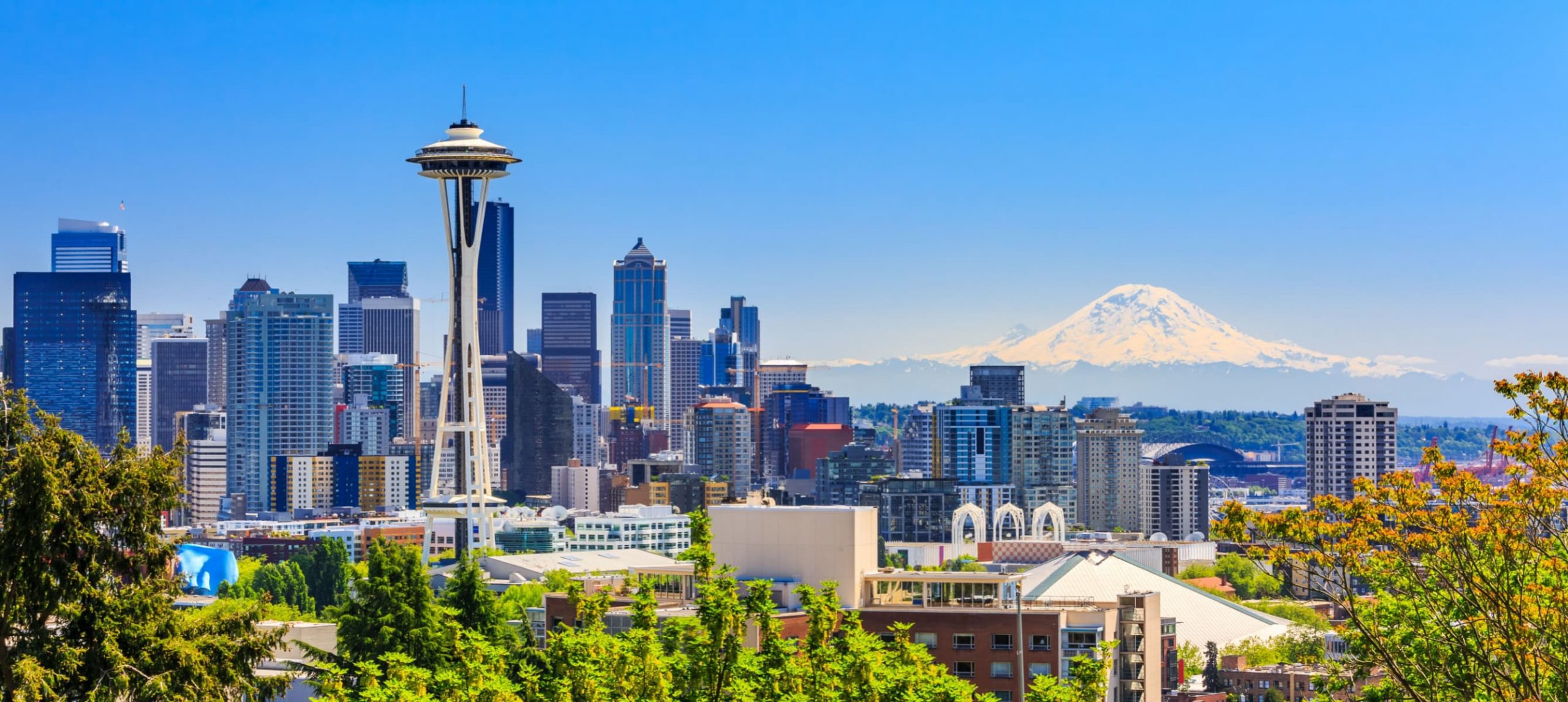
- Daytime Adventures (10:00 AM – 5:00 PM): This is prime time for major attractions. Head to the Seattle Center to visit the iconic Space Needle and take in panoramic views of the city, Puget Sound, and the majestic Cascade Mountains. Adjacent to it, immerse yourself in the vibrant glass art at Chihuly Garden and Glass or explore pop culture history at the Museum of Pop Culture (MoPOP). Other popular daytime destinations include the Museum of Flight, the Woodland Park Zoo, or a boat tour on Lake Union. Always check specific opening hours, as they can vary seasonally.
- Afternoon Relaxation and Scenic Views (3:00 PM – Sunset): As the day winds down, seek out spots for incredible photo opportunities. Kerry Park in the Queen Anne neighborhood offers the quintessential Seattle skyline view, especially stunning as the sun begins to set. Gas Works Park provides unique industrial aesthetics combined with magnificent cityscapes across Lake Union.
- Evening Entertainment (6:00 PM onwards): Seattle’s nightlife and dining scene come alive in the evening. This is the perfect time for dinner reservations, catching a live music show in Belltown or Capitol Hill, or enjoying a theatrical performance. Many museums also offer special evening events or extended hours on certain days.
Culinary Delights and Nightlife: A Timed Exploration
Seattle’s food scene is a major draw for tourists, from fresh seafood to innovative farm-to-table restaurants. Knowing the typical meal times and restaurant hours will elevate your dining experiences:
- Breakfast & Brunch (7:00 AM – 2:00 PM): Whether you prefer a quick pastry or a leisurely brunch, most cafes and breakfast diners open early and serve until the early afternoon. Weekend brunch spots can get very busy, so consider an earlier or later seating.
- Lunch (11:30 AM – 2:30 PM): Lunchtime in Seattle often sees bustling cafes and restaurants, especially in business districts. Quick-service options around Pike Place Market are popular for tourists.
- Happy Hour (3:00 PM – 6:00 PM): Many Seattle bars and restaurants offer excellent happy hour deals on food and drinks, a fantastic way to sample local flavors on a budget.
- Dinner (5:00 PM – 10:00 PM): Peak dinner hours are typically between 6:30 PM and 8:30 PM. For popular establishments, especially in neighborhoods like Ballard, Fremont, or Capitol Hill, booking a table in advance is highly recommended.
- Nightlife (9:00 PM onwards): Seattle’s bars, pubs, and music venues often stay open until 1:00 AM or 2:00 AM, particularly on weekends. From craft breweries to cocktail lounges and vibrant dance clubs, there’s an option for every preference.
Accommodation and Travel Logistics: Syncing with Seattle Time
The logistical aspects of travel – from where you stay to how you get around – are deeply intertwined with the local time zone. Careful planning ensures a stress-free journey and stay.
Seamless Hotel Stays and Check-ins
Accommodation is a central component of any trip, and understanding local time is crucial for managing your stay:
- Standard Check-in/Check-out: As mentioned, most Seattle hotels, resorts, and vacation apartments adhere to standard times like 3:00 PM check-in and 11:00 AM check-out. If your flight arrives early or departs late, consider requesting an early check-in or late check-out in advance. While not always guaranteed, hotels are often accommodating if space allows, sometimes for an additional fee.
- Booking Considerations: When booking accommodations online or over the phone, confirm that the listed times for availability, amenities, and cancellations are in Seattle’s local time. This is especially important if you’re making reservations from a significantly different time zone.
- Diverse Accommodation Options: Whether you choose a luxurious suite in Downtown Seattle, a cozy boutique hotel in Pioneer Square, a serviced apartment for an extended stay, or a charming B&B, confirming their specific policies regarding time-sensitive services will be beneficial. Some establishments might offer 24-hour reception, while others have more limited hours.
Transportation and Connectivity
Efficient movement within and around Seattle relies heavily on adhering to time schedules:
- Airport Transfers: Upon arrival at SEA, options for reaching your accommodation include taxis, ride-sharing services, and the convenient Sound Transit Link Light Rail. The light rail schedule is consistent, but knowing the precise local time ensures you don’t miss the last train.
- Public Transit: Seattle’s public transportation system, including buses and light rail, runs on timetables that vary by day of the week and time of day. Using apps that show real-time schedules, adjusted to PST/PDT, is highly recommended for seamless travel.
- Ferries and Day Trips: Washington State boasts an extensive Ferry System that connects Seattle to numerous islands and peninsulas, offering stunning views of Puget Sound. If planning a day trip to places like Bainbridge Island, Victoria (Canada), or even a scenic drive to Mount Rainier National Park or Olympic National Park, meticulously checking ferry schedules or park operating hours (all in local time) is essential to avoid being stranded or missing out. Day trips often require significant travel time, so factoring in time zone changes (if crossing the Canadian border to Vancouver, for example, which also uses PDT/PST) and daylight hours is critical.
Lifestyle and Business: Beyond Tourism
While tourism often drives the interest in Seattle’s time, the city’s dynamic lifestyle and thriving business environment also operate strictly by the clock.
Business and Professional Engagements
Seattle is a global hub for technology and innovation, home to corporate giants like Amazon and Microsoft, among many others. For those visiting on business:
- Meeting Schedules: When coordinating meetings with local teams or clients, always double-check the time zone. A miscommunication of even an hour can disrupt crucial discussions.
- Global Connectivity: Businesses in Seattle frequently interact with partners across the United States and internationally. For instance, a 9:00 AM meeting in Seattle would be 12:00 PM in New York, 11:00 AM in Chicago, and 5:00 PM in London (during PDT). Understanding these differentials is key to successful international collaboration.
- Conferences and Conventions: Seattle hosts numerous conferences and conventions throughout the year. Event schedules are always published in local Seattle time, and adhering to them is essential for networking and attending sessions.
Enjoying Local Life and Events
Beyond structured activities, experiencing the local pulse of Seattle also means keeping an eye on the clock:
- Sporting Events: Catching a Seattle Seahawks (NFL) game at Lumen Field or a Seattle Mariners (MLB) baseball game at T-Mobile Park is a quintessential Seattle experience. Kick-off or first pitch times are always announced in local time.
- Concerts and Festivals: Seattle boasts a thriving arts and music scene, with concerts, film festivals, and cultural events happening year-round. Performances and event schedules are strictly time-sensitive, and arriving late can mean missing out.
- Daily Rhythms: Even mundane aspects like grocery store hours, bank operating times, or public library schedules are governed by Seattle’s local time. Being aware of these helps you manage your daily errands and interactions with ease.
In conclusion, knowing “What time is Seattle, WA?” is far more than a simple query. It’s the cornerstone of effective planning for any visitor or resident. From managing your jet lag and coordinating flights to making dinner reservations and attending business meetings, every aspect of your Seattle experience is influenced by the local Pacific Time Zone and its annual shift between PST and PDT. By staying informed and planning ahead, you can ensure a smooth, enjoyable, and perfectly timed journey through this remarkable Pacific Northwest gem. Always check a reliable time source upon arrival and stay mindful of the seasonal Daylight Saving Time changes to make the most of your time in Seattle.
LifeOutOfTheBox is a participant in the Amazon Services LLC Associates Program, an affiliate advertising program designed to provide a means for sites to earn advertising fees by advertising and linking to Amazon.com. Amazon, the Amazon logo, AmazonSupply, and the AmazonSupply logo are trademarks of Amazon.com, Inc. or its affiliates. As an Amazon Associate we earn affiliate commissions from qualifying purchases.