
Stepping onto the shores of Hawaii, a vibrant tapestry of cultures, landscapes, and traditions unfolds before you. This archipelago, nestled in the heart of the Pacific Ocean, is not just a collection of stunning beaches and dramatic volcanoes; it’s a melting pot of global influences, profoundly shaped by its unique history. For travelers eager to dive deep into the local culture, understanding the linguistic landscape is key to unlocking authentic experiences. While many might assume English is the sole spoken language, the truth is far richer and more complex. Hawaii boasts not one, but two official languages, along with a fascinating local dialect and a plethora of other tongues that contribute to its distinctive charm. From the bustling streets of Honolulu to the serene shores of Kauai, the way people communicate reflects centuries of migration, cultural exchange, and resilience. This guide will navigate you through the linguistic intricacies of the islands, ensuring you’re well-prepared for an enriching journey, whether you’re seeking a luxury escape or an immersive cultural adventure.
The Official Languages: English and ‘Ōlelo Hawai‘i
The linguistic foundation of Hawaii is officially bilingual, a testament to its dual heritage. Since 1978, the state constitution has recognized both English and ‘Ōlelo Hawai‘i (the Hawaiian language) as official languages. This designation reflects a long and often challenging journey for the indigenous tongue, marking a significant victory for cultural preservation and identity. For visitors, understanding the role of each language is crucial for appreciating the island’s unique spirit and navigating its diverse communities.
English: The Lingua Franca of the Islands
For most travelers, English will be the primary language encountered and spoken across the Hawaiian Islands. As a state of the United States, English serves as the dominant language for government, education, business, and, crucially, tourism. From the moment you land at Daniel K. Inouye International Airport in Oahu to checking into your accommodation, ordering food, or booking excursions, English is universally understood and spoken.
Major tourist hubs like Waikiki on Oahu, Lahaina on Maui, and the Kona coast on the Big Island operate almost exclusively in English. Hotel staff at luxurious resorts such as the Grand Hyatt Kauai Resort & Spa or the Four Seasons Resort Maui at Wailea are fluent, ensuring seamless communication for international guests. Tour guides leading expeditions to iconic landmarks like Diamond Head or the historic Pearl Harbor will conduct their commentary in English. Signage, menus, and official documents are predominantly in English, making navigation and daily interactions straightforward for English-speaking visitors. This prevalence ensures that tourists can enjoy their travel experiences, explore attractions, and immerse themselves in the lifestyle aspects of Hawaii without a language barrier.
‘Ōlelo Hawai‘i: A Resurgent Voice
While English facilitates most interactions, ‘Ōlelo Hawai‘i holds profound cultural significance and is experiencing a remarkable revitalization. For centuries, the Hawaiian language was the sole means of communication for the indigenous people, rich with nuances that describe the land, sea, and spiritual connection to their environment. However, following the overthrow of the Hawaiian monarchy in 1893 and subsequent annexation by the United States, the language faced suppression, with English becoming the mandated language in schools and public life. By the mid-20th century, ‘Ōlelo Hawai‘i was on the brink of extinction, spoken by only a few thousand elders.
The late 20th century brought a powerful cultural renaissance. Dedicated efforts by Native Hawaiian activists and educators led to the establishment of Hawaiian language immersion schools, universities offering Hawaiian studies, and a renewed emphasis on preserving this vital part of Hawaiian identity. Today, ‘Ōlelo Hawai‘i is taught in schools from preschool to university level, heard in cultural events, music, and local media. Place names throughout the islands, from Mauna Kea to Hanauma Bay, are in Hawaiian, and understanding their meanings offers deeper insight into the geography and history. While few visitors will encounter fluent Hawaiian speakers in daily transactions, learning a few basic phrases like “Aloha” (hello/love) and “Mahalo” (thank you) is a sign of respect and appreciation for the local culture. Engaging with ‘Ōlelo Hawai‘i, even minimally, enhances the tourism experience by connecting travelers to the heart and soul of these extraordinary islands.
The Vibrant Tapestry of Pidgin: Hawaiian Creole English
Beyond the two official languages lies a unique linguistic phenomenon that truly defines local communication: Hawaiian Creole English, more commonly known as Pidgin. This vibrant, expressive language is not merely broken English, but a distinct, grammatically structured language born from Hawaii’s complex immigration history. For travelers seeking an authentic glimpse into the local lifestyle, understanding Pidgin offers a deeper connection to the island community.
Origins and Evolution of Pidgin
The roots of Pidgin stretch back to the 19th century, during the height of Hawaii’s plantation era. As sugar and pineapple plantations flourished, they drew waves of immigrant laborers from around the world – particularly from China, Japan, the Philippines, Portugal, and Korea. These diverse groups, speaking a multitude of languages like Cantonese, Japanese, Tagalog, Korean, and Portuguese, needed a common means of communication to work together.
A basic “pidgin” language initially developed as a simplified form of English, incorporating words and grammatical structures from these various immigrant languages and ‘Ōlelo Hawai‘i. Over generations, as these laborers settled, married, and had children, this pidgin evolved. The children grew up speaking this hybrid tongue as their first language, solidifying it into a creole language – a fully developed language with its own unique grammar, vocabulary, and phonology. Hawaiian Creole English became not just a tool for communication but a powerful symbol of identity and solidarity among the diverse local population. It’s a testament to the ingenuity and adaptability of these early settlers, forging a new language to build a new life in a new land.
Understanding and Appreciating Pidgin
Pidgin is characterized by its distinctive rhythm, unique vocabulary, and often simplified grammatical structures when compared to standard English. For instance, you might hear “Howzit, brah?” (How is it, brother? / How are you?), “S’up, eh?” (What’s up, right?), or “Shaka!” (a hand gesture conveying approval or friendship). It often omits forms of the verb “to be,” and uses words like “dat” instead of “that” and “fo” instead of “for.” The lexicon is rich with borrowings: “pau” (finished, from Hawaiian), “da kine” (a placeholder word for anything, from unknown origins), “manapua” (a type of dim sum, from Chinese).
While standard English is understood by nearly everyone in Hawaii, particularly in tourist-heavy areas, encountering Pidgin is a common occurrence in local neighborhoods, markets, and casual settings. It’s the language of local banter, shared jokes, and community gatherings. Visitors should understand that Pidgin is a legitimate language, deeply respected by those who speak it, and not merely “broken” or “incorrect” English. It is an integral part of Hawaii’s cultural fabric and lifestyle. Embracing and respectfully acknowledging Pidgin can open doors to more authentic interactions, allowing travelers to connect more deeply with the local culture, whether trying local food at a plate lunch spot or chatting with vendors at a farmers market. Listening to and observing Pidgin speakers can be a fascinating aspect of an immersive travel experience, offering insights far beyond typical tourist attractions.

A Melting Pot of Tongues: Other Languages in Hawai‘i
Hawaii’s allure as a crossroads of the Pacific Ocean has, for centuries, drawn people from across the globe, each bringing their own distinct languages and traditions. While English, ‘Ōlelo Hawai‘i, and Pidgin form the linguistic core, the islands resonate with an astonishing array of other languages, spoken within vibrant communities and adding yet another layer to Hawaii’s rich cultural mosaic. This linguistic diversity is a direct reflection of its history as an immigration hub and continues to shape its unique character.
The Legacy of Immigration
The plantation era, which gave birth to Pidgin, also solidified the presence of numerous other languages that continue to thrive in Hawaii today. Large waves of immigrants from Japan, China, and the Philippines established communities where their native tongues were preserved and passed down through generations. Consequently, Japanese, Tagalog, Ilocano (a major Philippine language), Mandarin, and Cantonese are still widely spoken by significant portions of the population, particularly among older generations and within specific ethnic enclaves.
Beyond these major groups, the influence of other island nations in the Pacific Ocean and further afield is also evident. Languages like Samoan and Tongan are spoken by substantial communities, particularly in areas like Waipahu on Oahu. Korean, Vietnamese, and even Spanish and Portuguese also have a presence, reflecting more recent immigration patterns or historical ties. This linguistic diversity manifests in many ways, from ethnic grocery stores and restaurants proudly displaying signs in their native scripts to local cultural festivals where songs and conversations flow in multiple languages. It creates a truly global atmosphere, making a visit to Hawaii akin to experiencing several cultures at once.
Language and Cultural Immersion for Travelers
For adventurous travelers interested in genuine cultural immersion, this linguistic diversity presents unique opportunities. While you won’t need to speak Tagalog or Japanese to navigate Hawaii, being aware of these languages can deepen your appreciation for the local lifestyle. Visiting a Japanese tea house in Honolulu, enjoying authentic Filipino cuisine in a local eatery, or attending a Samoan luau at the Polynesian Cultural Center offers a chance to experience these cultures firsthand.
These experiences go beyond typical tourism, allowing visitors to glimpse the lives of those who call Hawaii home. Many establishments catering to specific ethnic communities welcome visitors, providing opportunities to try new foods, buy unique goods, and even hear languages other than English. This kind of exploration encourages a more respectful and nuanced understanding of Hawaii not just as a destination, but as a living, breathing testament to multiculturalism. It highlights how accommodation in Hawaii extends beyond just hotels to embracing a broader cultural dwelling, where every language spoken adds a thread to the fabric of island life.
Navigating Hawai‘i: Language Tips for Travelers
Understanding the linguistic landscape of Hawaii is not just about knowing which languages are spoken; it’s about enriching your travel experience, fostering respectful interactions, and truly connecting with the spirit of Aloha. While English will be your primary tool for communication, a little awareness and effort can transform your trip from a mere vacation into a deeply immersive cultural journey.
Essential Hawaiian Phrases for Visitors
Even a handful of phrases in ‘Ōlelo Hawai‘i can make a significant difference in how you’re perceived by locals. It demonstrates respect for the indigenous culture and an appreciation for the efforts to revitalize the language. Here are a few must-know phrases:
- Aloha: This versatile word means hello, goodbye, love, peace, and compassion. Use it generously!
- Mahalo: Thank you. A simple yet powerful expression of gratitude.
- E komo mai: Welcome. You’ll often see this phrase on signs, especially at hotels or attractions.
- A hui hou: Until we meet again. A warm way to say goodbye.
- Mauka: Towards the mountains.
- Makai: Towards the ocean. These two directional terms are incredibly useful for navigating, especially on islands like Maui or the Big Island where landmarks are often mountain or ocean-oriented.
Using these phrases, even with an accent, shows that you’ve made an effort to engage with the local culture, which is always appreciated. It’s a small gesture that can bridge cultural gaps and enhance your interactions, whether you’re dining at a local eatery in Hilo or exploring the historic streets of Lahaina.
General Communication Advice
While English is widely spoken and understood across the islands, particularly in areas focused on tourism and accommodation like Waikiki or around famous landmarks like the USS Arizona Memorial, embracing the linguistic diversity of Hawaii can lead to more memorable experiences.
- Don’t be afraid of Pidgin: If you hear locals speaking Pidgin, don’t assume they are uneducated or being rude. It’s their everyday language, a symbol of local identity. You might not understand every word, but context often helps. Trying to mimic it is usually not advised, as it can come across as mockery, but simply listening and observing is a respectful way to engage with the local culture.
- Patience and Politeness: As with any travel destination, patience and politeness go a long way. People in Hawaii are generally very friendly and accommodating. If there’s a misunderstanding due to language nuances, a smile and a polite rephrasing will usually resolve it.
- Observe and Learn: Pay attention to local customs and communication styles. The pace of life can be a bit slower, and interactions are often more relaxed. This relaxed lifestyle is part of Hawaii’s charm.
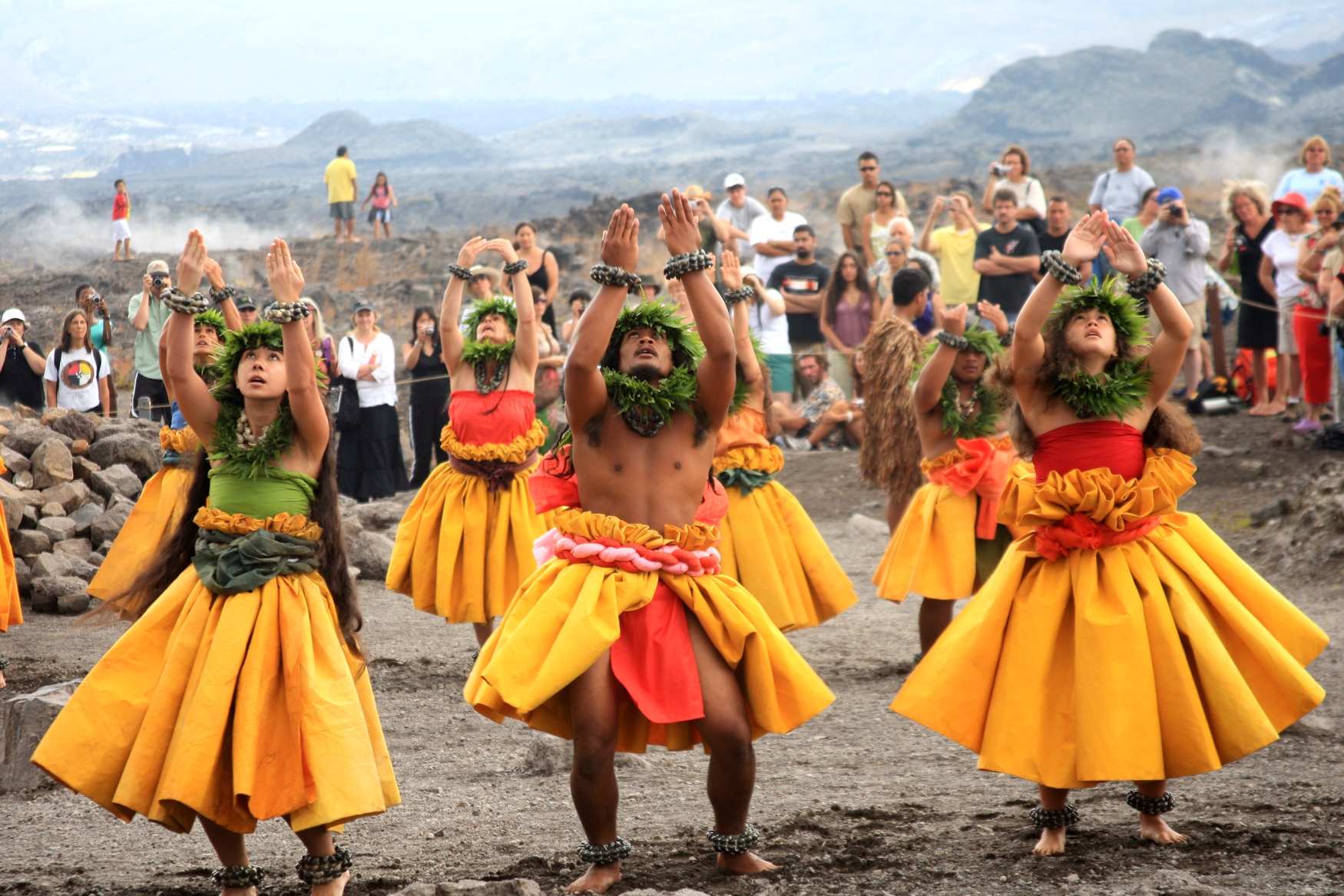
- Connect with the Source: Many resorts and cultural centers, such as the Disney Aulani Resort on Oahu, offer cultural programs where you can learn more about ‘Ōlelo Hawai‘i, hula, and other traditions. These are excellent resources for deepening your understanding.
- Utilize Guides: When exploring more remote or culturally significant areas, consider hiring local guides. Not only do they provide invaluable historical and ecological insights, but they can also help bridge any linguistic or cultural gaps, ensuring a richer and more respectful interaction with the land and its people.
By approaching the linguistic landscape of Hawaii with an open mind and a respectful attitude, you’ll not only navigate the islands with ease but also gain a deeper appreciation for the profound history and vibrant culture that makes this destination truly unique. Your journey will transcend mere sightseeing, becoming an immersive experience where every “Aloha” resonates with genuine warmth and connection.
In conclusion, while English serves as the practical backbone for communication and tourism in Hawaii, the islands offer a much richer linguistic tapestry. The resurgence of ‘Ōlelo Hawai‘i and the everyday use of Pidgin speak volumes about the resilience of its indigenous culture and the vibrant legacy of its immigrant communities. These languages, alongside the myriad of other tongues spoken, collectively tell the story of a place where diverse cultures have converged, blended, and thrived. As you plan your trip, whether it’s for a relaxing stay at The Ritz-Carlton, Kapalua or an adventurous exploration of Kilauea, remember that embracing this linguistic diversity is key to unlocking a truly authentic and unforgettable Hawaiian experience. From the simplest “Mahalo” to a deeper understanding of Pidgin, every effort to engage with the local languages will undoubtedly enrich your journey and foster a deeper connection to the heart of the Aloha State.
LifeOutOfTheBox is a participant in the Amazon Services LLC Associates Program, an affiliate advertising program designed to provide a means for sites to earn advertising fees by advertising and linking to Amazon.com. Amazon, the Amazon logo, AmazonSupply, and the AmazonSupply logo are trademarks of Amazon.com, Inc. or its affiliates. As an Amazon Associate we earn affiliate commissions from qualifying purchases.