
For decades, the Sunshine State has been synonymous with sun-drenched beaches, world-class theme parks, and vibrant cultural experiences. Millions flock to Florida each year, drawn by the allure of destinations like Orlando, Miami, and Key West. However, a significant legislative change took effect on July 1, 2023, altering the landscape for firearm owners and potentially impacting the travel experience for both residents and visitors: the implementation of constitutional carry. This new law allows eligible individuals to carry a concealed firearm without a government-issued permit, making Florida one of more than two dozen states to adopt such legislation.
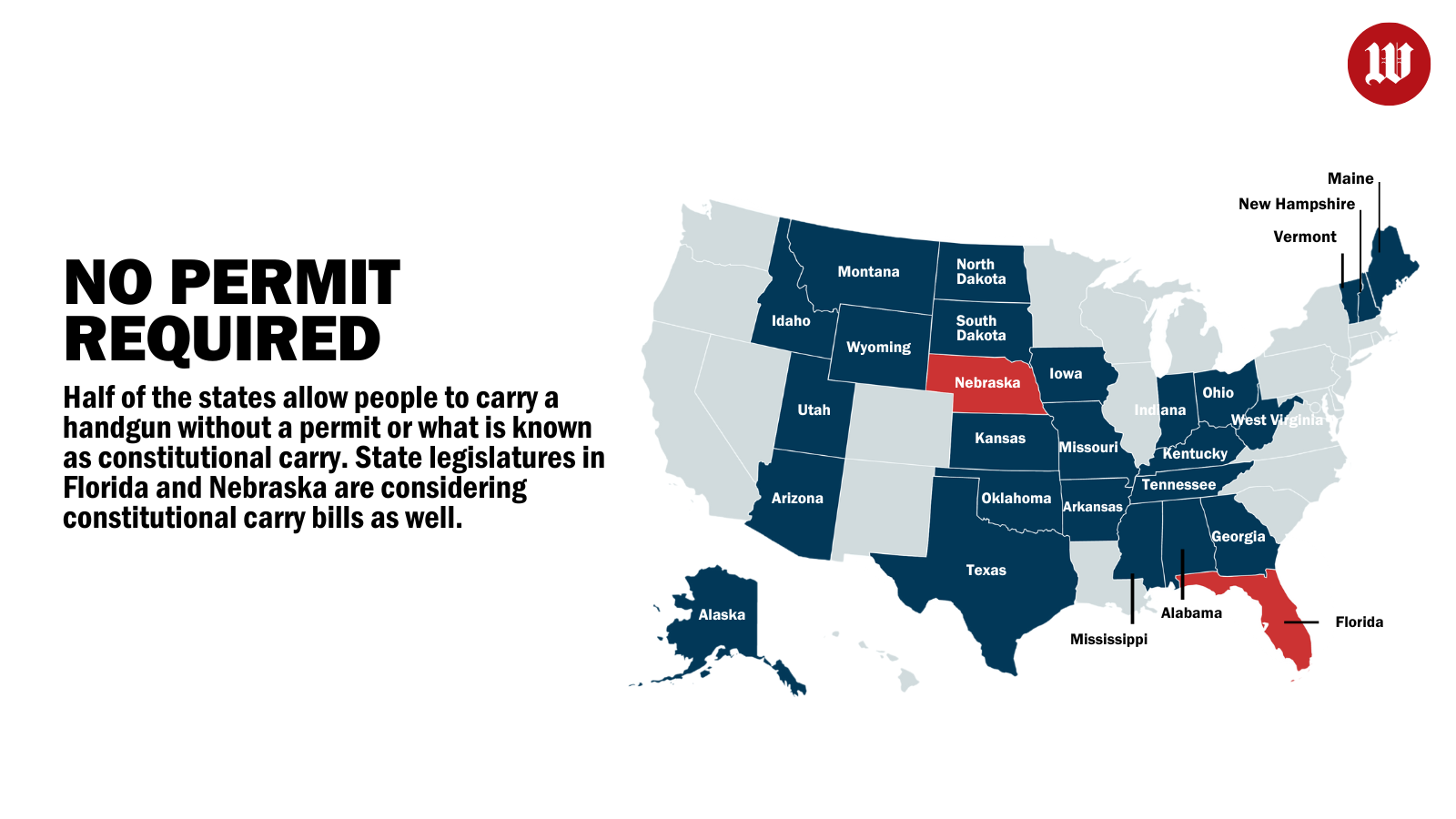
Understanding this shift is paramount for anyone planning a trip to Florida, whether it’s a family vacation to Walt Disney World, a luxury escape to a Ritz-Carlton resort, or a business stay in Tampa. This guide aims to demystify Florida’s constitutional carry law, outlining its key provisions, discussing its implications for various aspects of travel and accommodation, and offering practical advice to ensure a safe and enjoyable visit. While this article provides general information, it is not legal advice, and travelers should always consult official sources or legal professionals for specific guidance.
Understanding Florida’s Constitutional Carry Law
Before delving into the travel implications, it’s essential to grasp the fundamentals of Florida’s constitutional carry law. This change represents a significant shift from the previous requirement of obtaining a concealed weapon license from the state.
What is Constitutional Carry?
At its core, “constitutional carry” refers to the right of law-abiding citizens to carry a firearm, openly or concealed, without needing a special government permit. In Florida’s specific case, the law, officially House Bill 543, primarily focuses on concealed carry. This means that as of July 1, 2023, individuals who are legally allowed to own a firearm can carry it concealed in most public places without first applying for and obtaining a concealed weapon license. The rationale behind such laws often centers on the Second Amendment of the United States Constitution, asserting that the right to bear arms should not be infringed by requiring permits.
Key Provisions and Requirements
While the new law simplifies the process for concealed carry, it doesn’t mean anyone can carry a firearm without restriction. Several important provisions and requirements remain in effect:
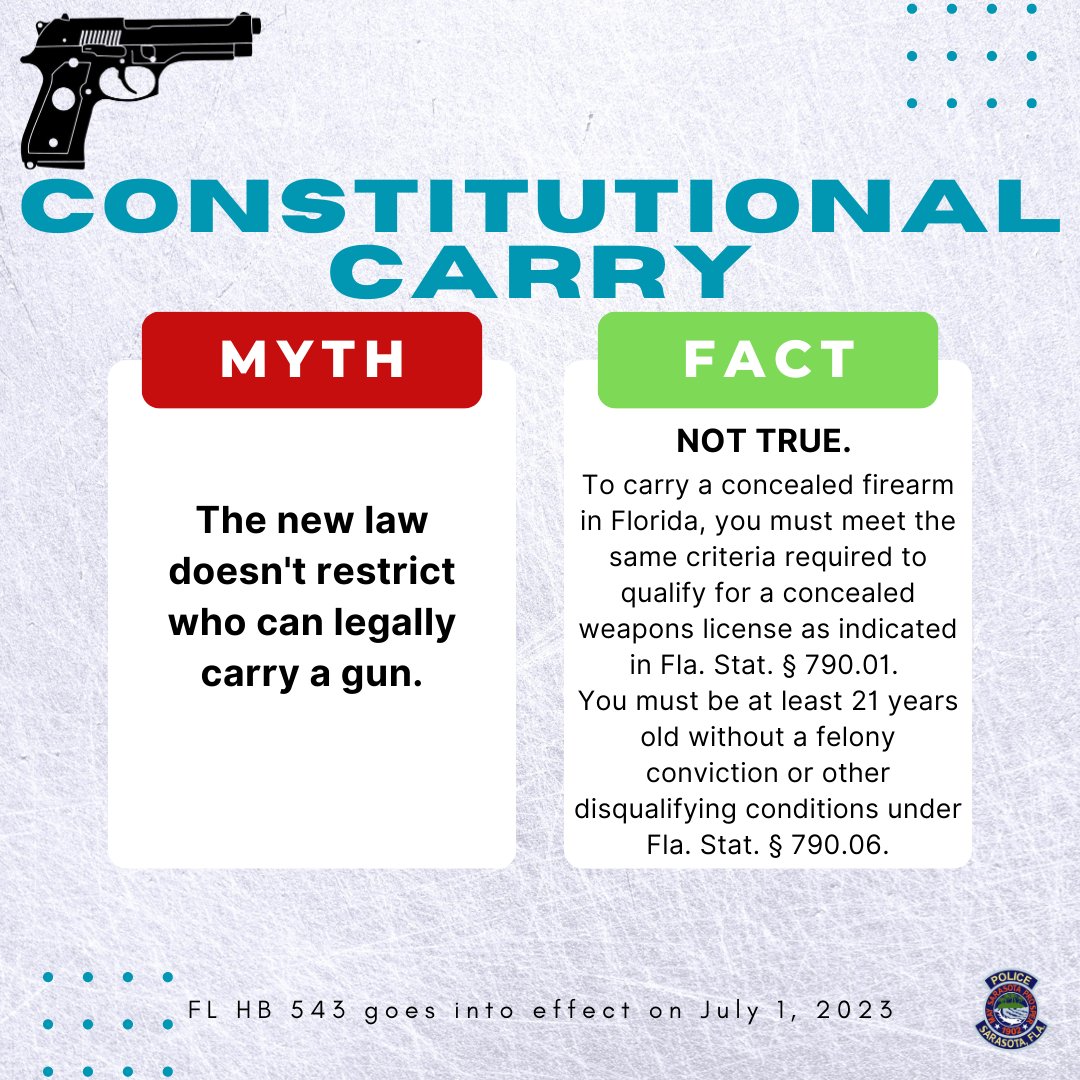
- Eligibility: To carry a concealed firearm under Florida’s constitutional carry law, an individual must meet the same criteria that were previously required to obtain a concealed weapon license. This generally means they must be at least 21 years old, a United States citizen or permanent resident, and not be otherwise disqualified from possessing a firearm under state or federal law (e.g., convicted felons, those adjudicated mentally defective, or those subject to domestic violence injunctions).
- Concealed vs. Open Carry: It is crucial to note that Florida’s law primarily applies to concealed carry. Open carry of firearms generally remains prohibited in public places, with very limited exceptions (such as while fishing, hunting, or traveling to/from a shooting range). Visitors and residents must ensure their firearm is not visible to the ordinary observation of another person.
- Training Not Required (for permitless carry): While previously a permit required training, the new permitless carry law does not mandate specific training. However, responsible firearm ownership universally advocates for proper training in firearm safety and proficiency.
- Duty to Inform: Florida law does not impose a duty to inform a law enforcement officer that you are carrying a firearm during a stop or encounter, unless specifically asked. However, some legal experts advise that transparency can sometimes be beneficial.
Where You Cannot Carry a Firearm
Perhaps the most critical information for travelers and residents alike concerns the places where carrying a firearm, even concealed, is explicitly prohibited. These locations are often referred to as “gun-free zones” and typically include:
- Any place of nuisance as defined in Florida Statute §823.05.
- Any police station, sheriff’s office, or highway patrol station.
- Any courthouse or courtroom.
- Any polling place during an election.
- Any meeting of the governing body of a county, public school district, municipality, or special district.
- Any meeting of the Legislature or a committee thereof.
- Any school, college, or university facility or administration building. This includes elementary and secondary schools, colleges, and universities.
- Any career center.
- Any portion of an establishment licensed to dispense alcoholic beverages for consumption on the premises, which portion is primarily devoted to such purpose. This includes bars, but restaurants where alcohol is served as an ancillary part of a meal may be permissible, depending on the primary purpose of the area.
- Any airport passenger terminal, beyond the security checkpoint.
- Any detention facility, prison, or jail.
- Any federal building.
- Private Property: Crucially, private property owners retain the right to prohibit firearms on their premises, regardless of state law. This includes businesses, restaurants, hotels, and other private establishments. They typically do so through clear signage (e.g., “No Firearms Allowed”) or verbal communication.
Ignoring these prohibitions can lead to serious legal consequences, including arrest and criminal charges.
Implications for Travelers and Tourists
For visitors planning their dream Florida vacation, understanding the constitutional carry law means more than just knowing where you can and cannot go with a firearm. It involves careful planning and awareness.
Planning Your Trip to the Sunshine State
Travelers considering bringing a firearm to Florida must engage in thorough preparation. Interstate firearm travel is complex, governed by a patchwork of federal, state, and local laws.
- Interstate Travel Laws: Even with Florida’s new law, federal laws like the Firearm Owners’ Protection Act (FOPA) govern the transport of firearms across state lines. FOPA allows for the interstate transport of unloaded firearms in a locked container, inaccessible from the passenger compartment, provided the traveler is legally entitled to possess the firearm in both the originating and destination states. However, it’s vital to know the laws of any state you might pass through, as a momentary stop could create legal issues.
- Air Travel: The Transportation Security Administration (TSA) has strict regulations for flying with firearms. Firearms must be unloaded, declared to the airline, and transported in a locked, hard-sided container as checked luggage. Ammunition must be in original packaging or similar secure containers. Never attempt to carry a firearm or ammunition onto a plane in carry-on luggage.
- Rental Cars: If renting a car, understand the rental company’s policies. While Florida law permits concealed carry in vehicles, federal laws and company policies can add layers of complexity.
Hotels, Resorts, and Accommodation Policies
Where you stay during your Florida trip is a significant consideration. The constitutional carry law primarily affects public spaces, but private establishments retain considerable control over their premises.
- Private Property Rights: Hotels, resorts, vacation rentals, and other accommodations are private property. This means property owners can set their own rules regarding firearms, even if state law permits concealed carry. Many major hotel chains, such as Marriott, Hilton, or Hyatt, may have corporate policies prohibiting firearms on their properties, or they may defer to local management.
- Checking Policies: Before booking a suite, villa, or apartment, especially if you plan to carry, it is highly recommended to contact the establishment directly and inquire about their specific firearm policy. Look for signage at entrances, check their website, or call the front desk.
- Vacation Rentals (Airbnb, VRBO, etc.): For peer-to-peer vacation rentals, the rules can be less clear. Both Airbnb and VRBO have policies regarding weapons, often allowing hosts to specify their own rules. Always communicate with the host in advance if you plan to have a firearm on the property. Respecting a host’s rules is crucial to avoid issues during your stay.
Attractions and Landmarks: Navigating Specific Venues
Florida’s fame largely stems from its incredible attractions and landmarks. Each of these venues may have its own firearm policy, independent of state law.
- Theme Parks: Walt Disney World and Universal Studios Florida explicitly prohibit firearms on their properties. These policies are strictly enforced, often with metal detectors and bag checks at entry points. Violating these rules will result in immediate removal and potential legal consequences. The same generally applies to other major theme parks like Busch Gardens Tampa Bay or SeaWorld Orlando.
- Museums and Cultural Sites: Many museums, art galleries, and cultural institutions in cities like Miami, Tampa, or St. Augustine prohibit firearms. Check their official websites or look for signage upon arrival. For example, historical sites managed by the National Park Service (like Castillo de San Marcos in St. Augustine) will follow federal regulations, which may differ from state law.
- National and State Parks: While Florida State Parks generally allow concealed carry for those legally permitted, federal regulations apply in National Parks like Everglades National Park. In federal parks, individuals can carry concealed firearms if they are legally allowed to do so under the laws of the state where the park is located. However, federal buildings within these parks (visitor centers, administrative offices) are typically gun-free zones.
- Sporting Events and Concert Venues: Arenas, stadiums, and concert halls almost universally prohibit firearms, regardless of state law. This includes venues hosting major league sports teams or international music acts.
- Beaches: Public beaches generally fall under the state’s concealed carry law, meaning an eligible individual can carry a concealed firearm. However, this is always subject to local ordinances or specific event restrictions.
Responsible Travel and Safety Tips
For all travelers, whether they choose to carry a firearm or not, responsible conduct and awareness are key to a safe and enjoyable trip.
Prioritizing Personal Safety and Awareness
Regardless of the legal framework, personal safety should always be a priority.
- Situational Awareness: Be observant of your surroundings, especially in crowded tourist areas or unfamiliar neighborhoods.
- Trust Your Instincts: If a situation feels unsafe, remove yourself from it.
- Secure Valuables: Minimize the display of expensive items and secure your belongings, particularly in busy areas like South Beach or International Drive in Orlando.
- Responsible Firearm Storage: If you are traveling with a firearm and cannot carry it into a specific venue, ensure it is securely stored and inaccessible to unauthorized individuals, especially children. Many hotels offer safes, but external, robust gun safes are ideal for vehicle storage.
Respecting Private Property Rights
This point cannot be overstressed. Even with constitutional carry, private property owners maintain their right to prohibit firearms on their premises.
- Observe Signage: Always look for “No Firearms,” “No Weapons,” or similar signs at business entrances. These signs carry legal weight in Florida.
- Heed Verbal Warnings: If a business owner or employee verbally informs you that firearms are not permitted, you must comply or leave the premises.
- Consequences: Disregarding private property rules can lead to being asked to leave, trespassing charges, or even being banned from the establishment.
Engaging with Local Law Enforcement
Should you encounter law enforcement while carrying a concealed firearm, understanding how to interact is crucial.
- Be Respectful and Cooperative: Always be courteous and follow officers’ instructions.
- Disclose if Asked: While Florida law doesn’t require unsolicited disclosure, if an officer asks if you have a firearm, you must be truthful.
- Keep Hands Visible: Keep your hands visible and avoid making sudden movements, especially if you have a firearm. Clearly state your intentions if you need to reach for something (e.g., “Officer, I have my wallet in my back pocket; may I retrieve it?”).
Constitutional Carry and Florida’s Tourism Landscape
The introduction of constitutional carry is a significant policy shift that could have various implications for Florida’s crucial tourism industry.
Impact on Florida’s Image as a Tourist Destination
Florida’s brand image is built on family-friendly attractions, pristine nature, and a welcoming atmosphere. The introduction of constitutional carry has sparked debate about how it might affect this image.
- Perceptions: Some visitors might view the law as an enhancement of personal liberty and safety, while others might perceive it as increasing potential risks or altering the relaxed vacation vibe. These perceptions can vary widely depending on individual perspectives and backgrounds.
- Ongoing Discussions: The tourism boards and hospitality industry in Florida are actively monitoring the impacts and engaging in discussions about how to best communicate safety and regulatory information to potential visitors.

What the Law Means for Local Businesses and Hospitality
Local businesses, from small boutiques in the Art Deco Historic District to large resorts in Orlando, are adapting to the new legal framework.
- Policy Updates: Many establishments have reviewed and updated their internal policies regarding firearms on their premises. This might involve new signage or employee training on how to respond to situations involving firearms.
- Employee Training: Hospitality staff, particularly those in customer-facing roles, may receive training on understanding the law, identifying prohibited areas, and handling situations involving guests who may be carrying.
- Focus on Comfort and Safety: Businesses are striving to ensure that all guests feel safe and comfortable, regardless of their stance on firearm ownership. This often means clearly communicating their own rules and maintaining a secure environment.
In conclusion, Florida’s constitutional carry law represents a notable change for both residents and the millions of travelers who visit the state each year. While it allows eligible individuals to carry a concealed firearm without a permit in many public spaces, it’s crucial to remember that numerous restrictions apply, particularly concerning specific locations and private property. For any visitor, the key takeaways are clear: research thoroughly, respect private property rights, understand prohibited areas, and always prioritize responsible conduct and personal safety. By staying informed and acting responsibly, travelers can continue to enjoy all that the beautiful Sunshine State has to offer, from its bustling cities to its tranquil natural wonders.
LifeOutOfTheBox is a participant in the Amazon Services LLC Associates Program, an affiliate advertising program designed to provide a means for sites to earn advertising fees by advertising and linking to Amazon.com. Amazon, the Amazon logo, AmazonSupply, and the AmazonSupply logo are trademarks of Amazon.com, Inc. or its affiliates. As an Amazon Associate we earn affiliate commissions from qualifying purchases.