
The question “How long is the bridge to Key West?” immediately conjures images of endless sapphire waters, endless horizons, and the quintessential Florida Keys road trip. While no single bridge connects the entire chain of islands directly to Key West, the query invariably refers to the monumental Seven Mile Bridge, an iconic segment of the Overseas Highway (U.S. 1) that dramatically spans a significant portion of the Florida Keys. This engineering marvel, in its modern iteration, stretches an impressive 6.79 miles (approximately 10.9 kilometers), making it one of the longest bridges in the United States and certainly the most famous gateway to the southernmost point of the continental United States.

Driving across the Seven Mile Bridge is not merely a means of transport; it’s an experience, a pilgrimage for many seeking the unique charm and laid-back lifestyle of Key West. This article delves into the history, the awe-inspiring drive, and the entire journey that culminates in reaching this captivating island destination, offering insights into its landmarks, local culture, and accommodation options.
The Engineering Marvel: The Seven Mile Bridge
The Seven Mile Bridge stands as a testament to human ingenuity and perseverance, overcoming immense natural challenges to connect a string of isolated islands. Its story is deeply intertwined with the development of modern travel to the Florida Keys.
A Legacy of Innovation and Resilience
The history of the Seven Mile Bridge begins not with cars, but with trains. Visionary industrialist Henry Flagler embarked on an ambitious project in the early 20th century: the construction of the Overseas Railroad, designed to connect mainland Florida all the way to Key West. Construction began in 1905, and by 1912, the railroad, often dubbed “Flagler’s Folly,” was complete, featuring numerous bridges and viaducts over the open ocean. Among these were the original sections that would later become part of the Old Seven Mile Bridge, a groundbreaking feat of engineering for its time, connecting Marathon to Pigeon Key and beyond.
However, the railroad’s reign was tragically cut short by the devastating Labor Day Hurricane of 1935, which destroyed significant portions of the line, including key sections of the bridge. Rather than rebuilding the railroad, the state of Florida purchased the damaged railway right-of-way and repurposed much of the remaining infrastructure to create the Overseas Highway for automobiles. Many of the old railroad bridges were widened and paved for vehicular traffic, breathing new life into the audacious dream of connecting the islands.
By the 1970s, the antiquated railway-turned-roadway bridges, including the original Seven Mile Bridge, were showing their age and struggling to accommodate increasing traffic. This led to the ambitious project of constructing the parallel, modern highway bridges. The new Seven Mile Bridge, along with other major spans like the Channel No. 5 Bridge and the Long Key Viaduct, were built to withstand hurricanes and provide a safer, faster route. The new Seven Mile Bridge was completed in 1982, forever changing the landscape of travel to Key West.
Driving the New Seven Mile Bridge: A Panoramic Experience
Driving the New Seven Mile Bridge is undeniably a highlight of any Florida Keys adventure. As you embark on this majestic stretch, connecting Marathon to Little Duck Key, you’re treated to breathtaking panoramic views of the vast expanse of the Gulf of Mexico on one side and the Atlantic Ocean on the other. The feeling of driving seemingly on top of the water, with nothing but blue skies and turquoise seas in every direction, is truly unforgettable.
The modern bridge is designed for efficiency and safety, featuring wider lanes and robust construction, a stark contrast to its predecessor. While the actual length is just under seven miles, the name Seven Mile Bridge has stuck, perhaps due to its initial conception and the sheer scale of the challenge it represented. This bridge not only facilitates easy travel but also serves as a crucial lifeline for residents and businesses in the Lower Keys, allowing everything from tourism to essential services to thrive. Its elevation provides clear passage for marine traffic below, symbolizing the harmonious coexistence of land and sea travel in this unique environment.
The Historic Old Seven Mile Bridge and Pigeon Key
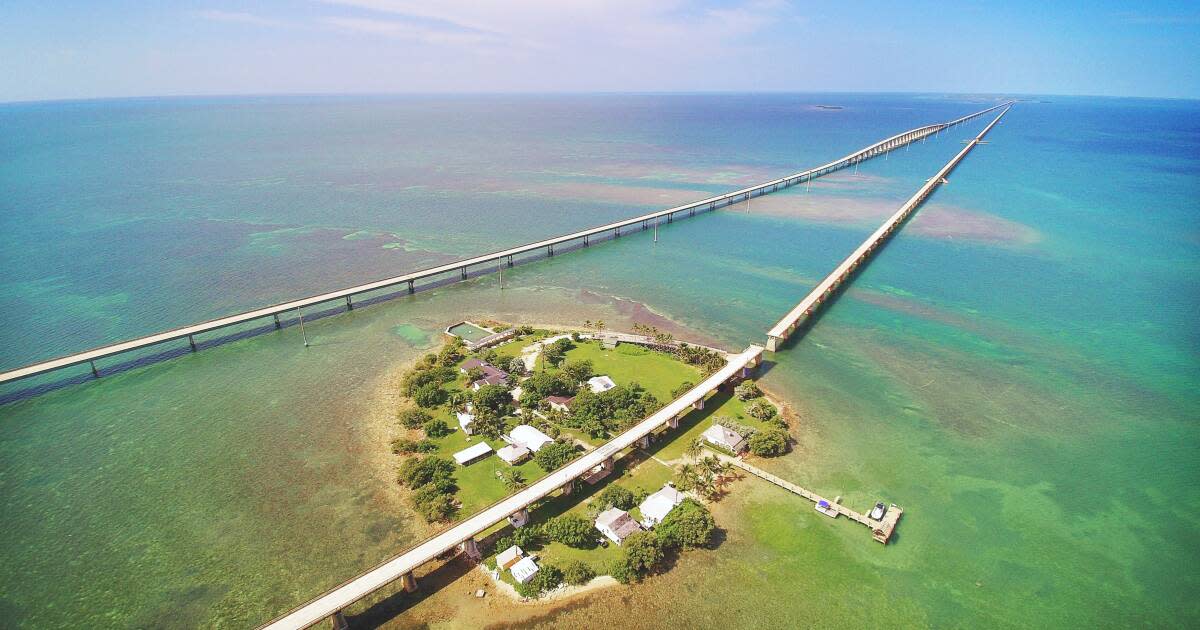
Parallel to the modern marvel runs a significant portion of the Old Seven Mile Bridge, a cherished relic of the Overseas Railroad era. While mostly decommissioned for vehicular traffic since the construction of its successor, a 2.2-mile section of the Old Seven Mile Bridge was reopened in 2022 after extensive renovations. This historic span now serves as a scenic path for pedestrians and cyclists, offering a unique way to experience the bridge and access Pigeon Key.
Pigeon Key, a small island nestled beneath the original bridge, was once a bustling work camp for Henry Flagler’s railroad workers. Today, it’s a designated historic district and a fascinating attraction. Visitors can explore the preserved buildings, including the old schoolhouse and cottages, which offer a glimpse into the tough yet resilient lives of the men who built the railroad. A small museum details the history of the Overseas Railroad and the bridge’s construction. Reaching Pigeon Key by walking or biking the old bridge is a journey back in time, allowing you to appreciate the scale of the original engineering feat and the stark beauty of the surrounding waters, making it a must-do for history buffs and nature lovers alike.
The Scenic Journey: Navigating the Overseas Highway
The Seven Mile Bridge is undoubtedly the star, but it’s just one brilliant pearl on the necklace that is the Overseas Highway. This 113-mile stretch of U.S. 1 is arguably one of the most picturesque drives in the world, weaving through 42 bridges and connecting dozens of islands on its way to Key West.
Mile Markers to Paradise: Key Stops Along the Way
Starting from Key Largo, the “Diving Capital of the World,” the Overseas Highway guides travelers through a series of distinct island communities, each offering its own unique appeal.
- Key Largo: Home to John Pennekamp Coral Reef State Park, the first underwater park in the United States. Here, snorkeling, diving, and glass-bottom boat tours unveil vibrant coral reefs and diverse marine life.
- Islamorada: Known as the “Sportfishing Capital of the World,” Islamorada offers world-class fishing charters. Attractions like Theater of the Sea provide opportunities to interact with marine animals, while Robbie’s of Islamorada allows visitors to hand-feed massive tarpon. This area is a haven for those seeking active adventure mixed with upscale resort experiences.
- Marathon: Situated around the middle Keys, Marathon is a family-friendly destination. It’s home to the Dolphin Research Center and beautiful beaches like Sombrero Beach. It also serves as the northern gateway to the Seven Mile Bridge.
- Big Pine Key: As you venture further south, Big Pine Key is notable for the National Key Deer Refuge, where you might spot the endangered and diminutive Key Deer roaming freely. The natural beauty here is less developed, offering a quieter escape.
Along this incredible drive, travelers encounter numerous opportunities for dining at waterfront restaurants, browsing quirky shops, and engaging in various water sports. The constant backdrop of turquoise waters and lush mangroves makes even simple stops memorable. The road itself becomes part of the destination, with the odometer marking not just distance, but progress through distinct ecosystems and cultures.
From the Mainland to the Keys: Gateway Cities
For most travelers, the journey to the Florida Keys begins on the Florida mainland, typically from vibrant urban centers like Miami or Fort Lauderdale. From these bustling cities, the drive south on U.S. 1 through Homestead marks the transition from mainland hustle to island tranquility. The change in scenery is gradual yet profound; skyscrapers give way to farmlands, then to the dense subtropical vegetation of the Everglades fringe, before finally opening up to the vast expanse of ocean that defines the Keys.
This initial segment of the journey sets the tone for the relaxed pace of island life that awaits. It’s a journey that encourages travelers to shed their mainland stresses and embrace the “Conch Republic” mindset, where sunsets are celebrated daily and the rhythm of life slows down to match the gentle lapping of waves. Whether flying into Miami International Airport or Fort Lauderdale-Hollywood International Airport and renting a car, or driving down from other parts of Florida, the approach to the Keys is an essential part of the overall experience, building anticipation for the iconic bridges and the ultimate destination of Key West.
Key West: The End of the Road, The Start of an Adventure
After traversing the magnificent Overseas Highway and crossing the famed Seven Mile Bridge, you finally arrive in Key West, a destination unlike any other. This small island city, just four miles long and two miles wide, is a vibrant mosaic of history, culture, and an inimitable laid-back lifestyle.
Discovering the Charm of Key West
Key West captivates visitors with its unique blend of Caribbean flair, Victorian architecture, and bohemian spirit. The island’s rich history is palpable, from its early days as a fishing and salvaging hub to its reputation as a haven for artists, writers, and free spirits.
- Duval Street: The energetic heartbeat of Key West, Duval Street is lined with lively bars like Sloppy Joe’s Bar, eclectic shops, and diverse restaurants. It’s the perfect place for people-watching and soaking in the island’s festive atmosphere.
- Mallory Square: Famous for its nightly Sunset Celebration, Mallory Square gathers street performers, artisans, and tourists to bid farewell to the day with spectacular ocean views. It’s a quintessential Key West experience.
- Southernmost Point Buoy: A colorful, iconic landmark marking the southernmost point in the continental United States, just 90 miles from Cuba. It’s a must-visit for a photo opportunity.
- Ernest Hemingway Home and Museum: Explore the former residence of renowned author Ernest Hemingway, famous for its beautiful grounds and the descendants of his six-toed cats.
- Other Landmarks: Don’t miss the Truman Little White House, the historic residence of President Harry S. Truman, or the tranquil beauty of the Key West Butterfly and Nature Conservatory. For history buffs, Fort Zachary Taylor Historic State Park offers Civil War-era history alongside a beautiful beach.
Beyond the specific attractions, Key West’s charm lies in its unique ethos. The architecture, with its pastel-colored Conch houses and gingerbread trim, tells stories of its past. The local cuisine, heavily influenced by Caribbean and Florida flavors, includes fresh seafood and the famous Key Lime Pie. The constant presence of the ocean encourages water-based activities like snorkeling, kayaking, paddleboarding, and deep-sea fishing.
Accommodation and Lifestyle in America’s Southernmost City
Key West offers a diverse array of accommodation options to suit every taste and budget, reflecting its status as a premier travel destination. From luxurious resorts to charming guesthouses and boutique hotels, finding the perfect place to stay is part of the adventure.
- Luxury Travel: For those seeking an indulgent escape, resorts like Casa Marina Key West, A Waldorf Astoria Resort or The Marker Key West Harbor Resort provide upscale amenities, pristine pools, private beaches, and exceptional service. These establishments often cater to guests looking for a sophisticated travel experience, complete with fine dining and spa services.
- Boutique Hotels and Guesthouses: Key West is renowned for its intimate, adults-only guesthouses and charming boutique hotels, many housed in historic Conch Republic homes. These offer a more personalized experience, often with unique decor, lush courtyards, and complimentary breakfasts, perfect for couples or solo travelers seeking local culture and a cozy atmosphere.
- Family Trips: Families will find resorts and hotels that cater to their needs, often featuring larger pools, kid-friendly activities, and convenient access to beaches like Higgs Beach or Fort Zachary Taylor Historic State Park. Vacation rentals (apartments and villas) are also popular choices for longer stays or larger groups.
- Budget Travel: Even with its popularity, Key West offers more budget-friendly options, including hostels, motels a bit further from Duval Street, and campgrounds in the Lower Keys that provide easy access to Key West by car.
The lifestyle in Key West is truly unique. It’s a place where flip-flops are acceptable attire almost anywhere, where sunsets are a daily ritual, and where the relaxed pace encourages you to savor every moment. The local culture, often referred to as “Conch Republic” culture, is fiercely independent and welcoming. Nightlife thrives on Duval Street, live music spills from open-air bars, and culinary experiences range from casual seafood shacks to gourmet dining. This blend of history, natural beauty, and vibrant social scene makes Key West not just a destination, but a state of mind.
Planning Your Ultimate Florida Keys Adventure
A trip to the Florida Keys and Key West requires some planning to maximize the experience, ensuring you get the most out of this extraordinary travel destination.
Best Time to Visit and Travel Tips
Choosing the right time to visit the Florida Keys can significantly impact your trip.
- Peak Season (December to May): This is the most popular time to visit, characterized by pleasant temperatures (mid-70s to low 80s Fahrenheit) and low humidity. However, prices for hotels and flights are higher, and attractions can be crowded. Booking accommodations, especially in Key West, well in advance is highly recommended.
- Shoulder Seasons (Late May to June, November): These periods offer a good balance of pleasant weather and fewer crowds compared to peak season. You might find better deals on accommodation.
- Off-Season / Hurricane Season (July to October): While temperatures are hot and humid, and this period falls within hurricane season, it also offers the lowest prices and fewest tourists. Many establishments remain open, and if you monitor weather forecasts, you can often enjoy a wonderful trip with great deals. Travel insurance during this time is advisable.
Tips for a Memorable Road Trip:
- Rent a Convertible: For the quintessential Overseas Highway experience, a convertible allows you to fully immerse yourself in the open air and scenic views.
- Take Your Time: Don’t rush the drive. Factor in extra time for spontaneous stops at roadside attractions, scenic overlooks, and quaint local eateries.
- Stay Hydrated and Sun-Safe: The Florida sun is intense. Drink plenty of water, wear sunscreen, and bring a hat and sunglasses.
- Book in Advance: Especially for Key West and during peak season, hotels, popular restaurants, and certain tours (like those to Dry Tortugas National Park) can book up quickly.
- Explore Off the Beaten Path: While major attractions are wonderful, some of the best experiences are found by venturing into smaller towns or seeking out local recommendations.
- Respect the Environment: The Florida Keys boast a delicate ecosystem. Practice responsible tourism by disposing of trash properly, respecting marine life, and adhering to conservation guidelines.

Beyond the Mainstream: Exploring Hidden Gems
While Key West and the main Overseas Highway attractions are phenomenal, the Florida Keys hold many more treasures for those willing to explore.
- Bahia Honda State Park: Located just south of the Seven Mile Bridge, this park boasts some of the most beautiful beaches in the Keys, including the award-winning Calusa Beach and Loggerhead Beach. It’s perfect for swimming, snorkeling, kayaking, and camping. You can also walk on a remnant of the Old Seven Mile Bridge from here, offering unique photographic opportunities.
- Dry Tortugas National Park: A truly spectacular and remote destination, accessible only by ferry or seaplane from Key West. This park is famous for the magnificent Fort Jefferson, pristine coral reefs, and incredible snorkeling. It’s a full-day excursion that offers a glimpse into untouched natural beauty and military history.
- Local Culture and Cuisine: Seek out the smaller, family-owned restaurants and seafood shacks for authentic local flavors. Engage with the friendly locals, learn about their unique “Conch” heritage, and discover hidden art galleries or quirky museums. Many smaller keys have their own distinct charm, such as the artistic community on Grassy Key or the fishing village feel of Stock Island.
Exploring these less-traveled spots allows for a deeper appreciation of the Florida Keys’ natural beauty, historical significance, and distinct lifestyle, making your journey far more enriching.
In conclusion, the question “How long is the bridge to Key West?” leads us to the heart of an epic American road trip. The Seven Mile Bridge, at its impressive 6.79 miles, is more than just a span of concrete and steel; it is a symbol of connection, a triumph of engineering, and a gateway to a world of island charm. The journey along the entire Overseas Highway, with its historic past, stunning vistas, and vibrant communities, culminates in the irresistible allure of Key West – a place where history, nature, and a laid-back lifestyle converge to create an unforgettable travel experience. Whether you’re driving over its majestic arches or exploring its historic remnants, the bridge to Key West is a journey that will stay with you long after you’ve left its sun-drenched shores.
LifeOutOfTheBox is a participant in the Amazon Services LLC Associates Program, an affiliate advertising program designed to provide a means for sites to earn advertising fees by advertising and linking to Amazon.com. Amazon, the Amazon logo, AmazonSupply, and the AmazonSupply logo are trademarks of Amazon.com, Inc. or its affiliates. As an Amazon Associate we earn affiliate commissions from qualifying purchases.