
The city of Los Angeles, a glittering jewel in California‘s crown, is renowned globally as a vibrant hub of entertainment, culture, and innovation. From the iconic boulevards of Hollywood to the sun-kissed shores of Santa Monica, it offers an unparalleled tapestry of experiences for travelers and a dynamic, albeit often challenging, lifestyle for its residents. As a major tourist destination and a sprawling metropolitan area, Los Angeles grapples with a high cost of living, a reality that profoundly influences its economic policies, most notably its minimum wage. Understanding the minimum wage in Los Angeles is not just a matter of economic curiosity; it’s a crucial insight into the city’s operational costs, the local economy, and by extension, the overall experience for visitors and the daily lives of its dedicated workforce in the vast hospitality and service sectors.
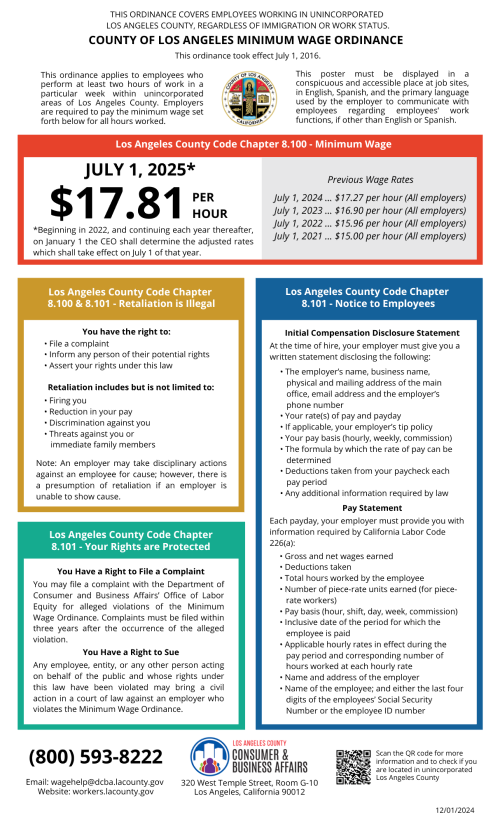
For those planning a trip, considering a move, or simply interested in the economic underpinnings of this global city, the minimum wage serves as a baseline. It impacts everything from the price of a coffee at a cafe in Downtown LA to the wages of hotel staff at a luxury resort like the Beverly Wilshire, A Four Seasons Hotel or a boutique stay in Venice Beach like Hotel Erwin. This article delves into the specifics of Los Angeles’ minimum wage, exploring its current rates, the rationale behind them, and its far-reaching effects on the city’s renowned tourism, accommodation, and lifestyle landscape.
Understanding Los Angeles’ Minimum Wage Landscape
The minimum wage in Los Angeles is a dynamic figure, adjusted annually and often surpassing both the federal and state minimums due to the city’s unique economic pressures. These adjustments reflect a concerted effort to ensure that workers can afford to live and thrive in one of the most expensive urban centers in the world.
Current Minimum Wage Rates in Los Angeles
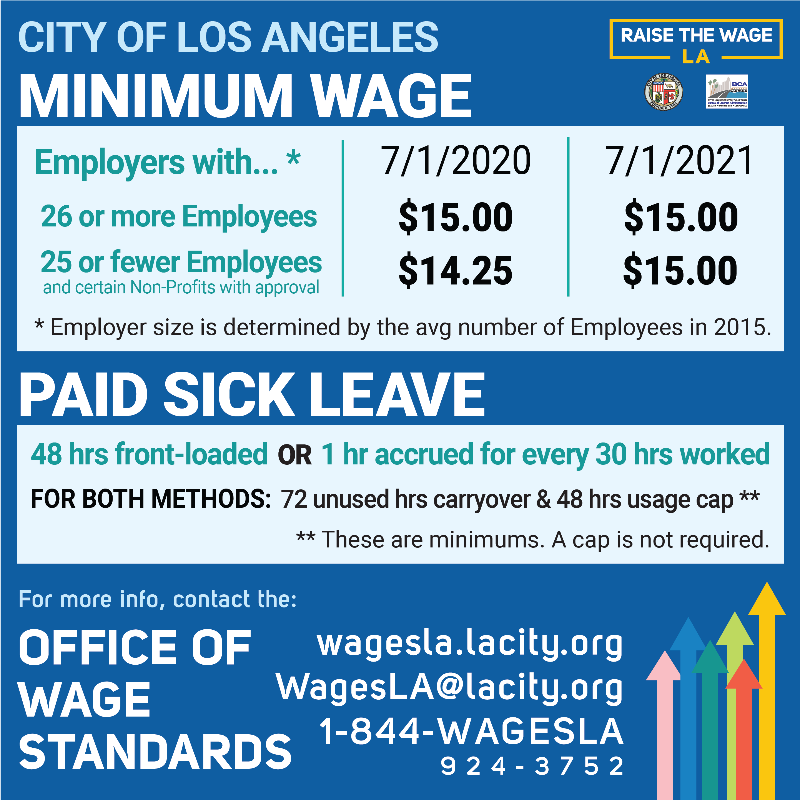
As of recent adjustments, the minimum wage in the City of Los Angeles is higher than the state minimum wage for California. While the state of California typically sets a baseline, individual cities and counties within the state have the authority to establish higher minimum wage rates to better suit their local economic conditions. For instance, the general minimum wage for most employers in the City of Los Angeles has seen a steady progression, currently hovering around the upper sixteen dollar mark per hour, with annual increases usually taking effect on July 1st. It’s important to note that specific industries, such as hotels with more than 60 rooms, may have their own distinct minimum wage ordinances, often set even higher. For example, some hotel workers in Los Angeles may be entitled to a minimum wage nearing twenty dollars an hour, reflecting the intensive nature of the hospitality industry and the high cost of living.
It’s also crucial to differentiate between the City of Los Angeles and unincorporated areas of Los Angeles County. While many areas fall under the city’s jurisdiction, some communities within the sprawling county might follow the Los Angeles County minimum wage ordinance or the statewide minimum wage if the county’s rate is not higher. This intricate tapestry of wage regulations underscores the complexity of navigating employment standards in such a diverse region. These annual adjustments are typically tied to inflation, using indices like the Consumer Price Index for Urban Wage Earners and Clerical Workers (CPI-W) for the Los Angeles metropolitan area, ensuring wages maintain some purchasing power amidst rising costs.
The Rationale Behind Higher Wages in a Tourist Hub
The decision by Los Angeles to implement a higher minimum wage is deeply rooted in the economic realities of a major global city and tourist destination. The cost of housing, transportation, and everyday necessities in Los Angeles far exceeds national averages. A higher minimum wage aims to provide a more livable income for the vast number of workers who form the backbone of the city’s economy, including those in its thriving tourism and hospitality sectors.
From the front desk staff at The Ritz-Carlton, Los Angeles to the cleaners maintaining rooms at a boutique Hollywood hotel, and from the chefs in a restaurant near Rodeo Drive to the guides at Universal Studios Hollywood, these individuals are integral to creating the world-class experiences for which Los Angeles is known. Without a wage that allows them to meet basic needs, the quality of life for these essential workers would diminish, potentially leading to high turnover, reduced service quality, and a less stable local economy.
Furthermore, a higher minimum wage can be seen as an investment in the local community and a commitment to sustainable tourism. When workers can afford to live where they work, it fosters greater job satisfaction, loyalty, and a sense of pride in their contributions. This, in turn, can translate into better service for visitors, more vibrant local businesses, and a stronger, more resilient economy that benefits everyone from local residents to international travelers exploring landmarks like the Griffith Observatory or strolling along the Santa Monica Pier. The city recognizes that a thriving tourism industry requires a thriving workforce.
The Ripple Effect: Minimum Wage and the Visitor Experience
For travelers journeying to Los Angeles, the minimum wage might seem like an abstract economic policy. However, its effects subtly permeate various aspects of the visitor experience, influencing everything from the cost of services to the quality of interactions with local staff.
Impact on Hospitality and Service Industries
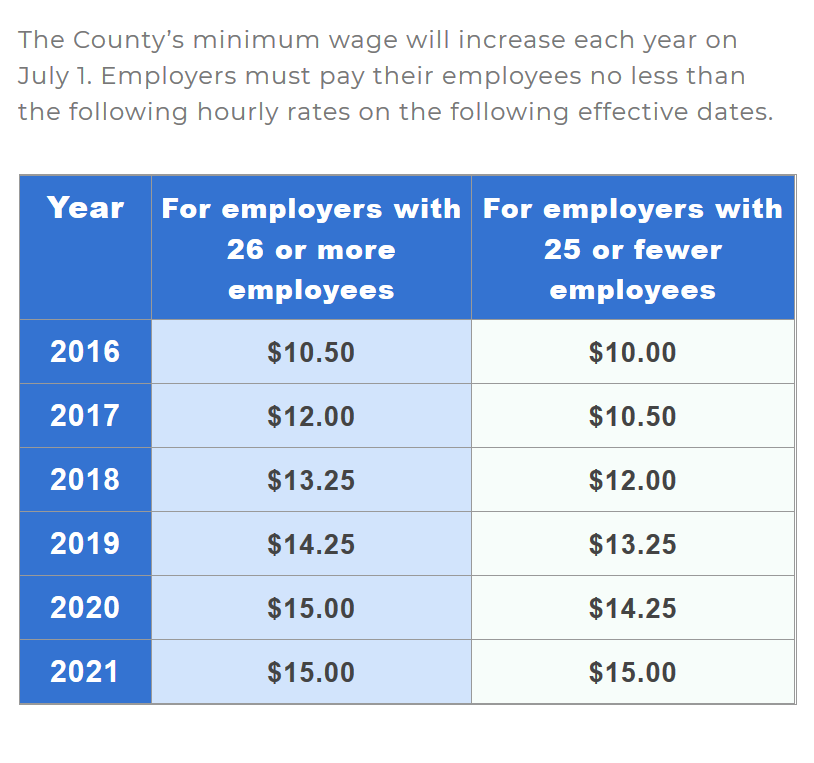
The hospitality industry is arguably the most directly affected sector by minimum wage increases. Hotels, restaurants, bars, tour operators, and various attractions rely heavily on entry-level and service-oriented positions. When the minimum wage rises, these businesses face increased labor costs. While some critics argue this can lead to job losses or reduced hours, proponents suggest it leads to several positive outcomes for both workers and consumers.
Firstly, higher wages can attract and retain better talent in a competitive market. A stable, experienced workforce often translates into superior customer service, which is a significant draw for any tourist destination. Imagine the difference in service quality between a hotel staffed by content, well-compensated employees versus one struggling with high turnover and demoralized workers. This can mean more knowledgeable concierge staff, friendlier restaurant servers, and more engaging tour guides, enhancing the overall travel experience in Los Angeles.
Secondly, to offset increased labor costs, businesses may adjust their pricing. This means that hotel room rates, restaurant menu prices, and the cost of certain attractions or tours in Los Angeles might be marginally higher than in areas with lower minimum wages. For travelers, this implies that the overall budget for a trip to Los Angeles needs to account for these slightly elevated expenses. However, many visitors are often willing to pay a premium for high-quality service and knowing that the people serving them are earning a more livable wage. The transparency of this connection can foster a sense of responsible tourism, where visitors feel they are contributing to the welfare of the local community they are enjoying.
Budgeting for Your Los Angeles Trip: A Cost of Living Perspective
Understanding Los Angeles’ minimum wage is crucial for any traveler planning their budget, especially those aiming for a budget-friendly trip. The higher cost of living, reflected in the minimum wage, means that various expenses will likely be higher than in many other cities across the United States.
- Accommodation: Whether you opt for a luxury suite in Beverly Hills or a more modest hotel near the Hollywood Walk of Fame, accommodation costs are significant in Los Angeles. The wages paid to hotel staff, from housekeeping to front desk, are factored into these rates. Travelers should expect to pay a premium for even basic lodging, and planning well in advance can help secure better deals. Long-term stays, in particular, will necessitate a careful analysis of living expenses.
- Dining Out: From casual eateries to fine dining establishments, restaurant prices will reflect the higher wages paid to kitchen staff, servers, and bartenders. While tipping culture is prevalent in the United States, the base wage provides a more stable income, often leading to less reliance on tips for survival. Still, factoring in 15-20% for tips is standard. Exploring local markets and cooking some meals, if your accommodation allows, can be a cost-saving strategy.
- Transportation: While major public transportation systems like Metro Rail offer affordable ways to get around, ride-sharing services and taxis will also have operating costs that indirectly reflect the local economic landscape. For those renting cars, parking fees, especially around popular landmarks like The Getty Center or Dodger Stadium, can add up quickly.
- Activities and Experiences: The cost of admission to attractions like Universal Studios Hollywood or certain guided tours can also be influenced. However, Los Angeles also boasts numerous free or low-cost activities, such as exploring Venice Beach, hiking in Griffith Park, or visiting museums on free admission days.
By understanding that higher wages contribute to a higher general price level, travelers can set realistic budgets and avoid sticker shock. This economic transparency allows for more informed choices, whether opting for luxury travel experiences or navigating Los Angeles on a budget.
Beyond the Basics: Economic Implications for Tourism and Lifestyle
The minimum wage in Los Angeles is more than just a number; it’s a cornerstone of the city’s approach to social equity and economic sustainability. Its implications stretch beyond direct wage costs, influencing the very fabric of the city’s lifestyle and its long-term appeal as a global tourism destination.
Supporting Local Lifestyles and Sustainable Tourism
A minimum wage that aims to be a living wage is fundamentally about supporting the local lifestyle of the people who make Los Angeles function. When workers can afford housing, healthcare, and other necessities, they are less stressed, more productive, and more likely to remain in their jobs. This stability is vital for industries like tourism, which thrive on consistent, high-quality service. A stable workforce contributes to less turnover, more experienced employees, and ultimately, a more positive experience for visitors.
From a sustainable tourism perspective, a fair wage policy ensures that the economic benefits of tourism are shared more equitably with the local population. It helps prevent a scenario where tourists enjoy lavish experiences while local workers struggle to make ends meet. This balance fosters a healthier relationship between the tourism industry and the community, creating a more authentic and responsible travel destination. Visitors who are aware of these efforts often appreciate contributing to an economy that prioritizes its workers. It paints a picture of a city that cares for its people, making the cultural and historical experiences all the more meaningful. By ensuring its workers can afford to live in the city, Los Angeles helps preserve its unique character and prevent an exodus of essential service providers to more affordable areas.
Future Outlook: What to Expect from Los Angeles’ Wage Policies
The trajectory of minimum wage policies in Los Angeles suggests a continued commitment to annual increases, typically tied to inflation. While the most significant leaps to reach the current levels have largely been achieved, future adjustments will likely be incremental, designed to maintain purchasing power and reflect the evolving cost of living. This predictability allows businesses to plan and adapt, while providing workers with a clearer understanding of their earning potential.
Furthermore, discussions around specific industries, such as those related to healthcare or certain large corporations, may lead to further targeted wage ordinances. For travelers and businesses in the tourism sector, this means the cost landscape in Los Angeles will remain dynamic. Staying informed about these changes, particularly for those planning long-term stays or operating businesses in the area, is essential for accurate financial planning and operational strategy. The city’s proactive stance on wage policies reflects its ongoing commitment to balancing economic growth with social equity, ensuring Los Angeles remains both a magnetic destination for visitors and a viable home for its diverse workforce.
In conclusion, the minimum wage in Los Angeles is a critical component of its economic identity, influencing not just the lives of its residents but also the experiences of millions of tourists who flock to its shores and landmarks each year. It’s a reflection of the city’s high cost of living, its dedication to supporting a robust workforce, and its commitment to fostering a sustainable and equitable environment for all. For anyone interacting with Los Angeles – whether as a traveler, an employer, or a resident – understanding this fundamental economic policy provides invaluable insight into the soul of this magnificent city.
LifeOutOfTheBox is a participant in the Amazon Services LLC Associates Program, an affiliate advertising program designed to provide a means for sites to earn advertising fees by advertising and linking to Amazon.com. Amazon, the Amazon logo, AmazonSupply, and the AmazonSupply logo are trademarks of Amazon.com, Inc. or its affiliates. As an Amazon Associate we earn affiliate commissions from qualifying purchases.