
The United States is a nation known for its diverse landscapes, cultures, and administrative structures. While 48 of its 50 states divide their territory into “counties,” there are two notable exceptions: Alaska, which uses “boroughs,” and Louisiana, which uniquely employs “parishes.” This distinct nomenclature is more than just a linguistic quirk; it is a profound reflection of Louisiana’s rich colonial past, its enduring cultural heritage, and its singular approach to governance. For travelers, history enthusiasts, and anyone planning an exploration of the Pelican State, understanding the concept of parishes is fundamental to appreciating its intricate identity.
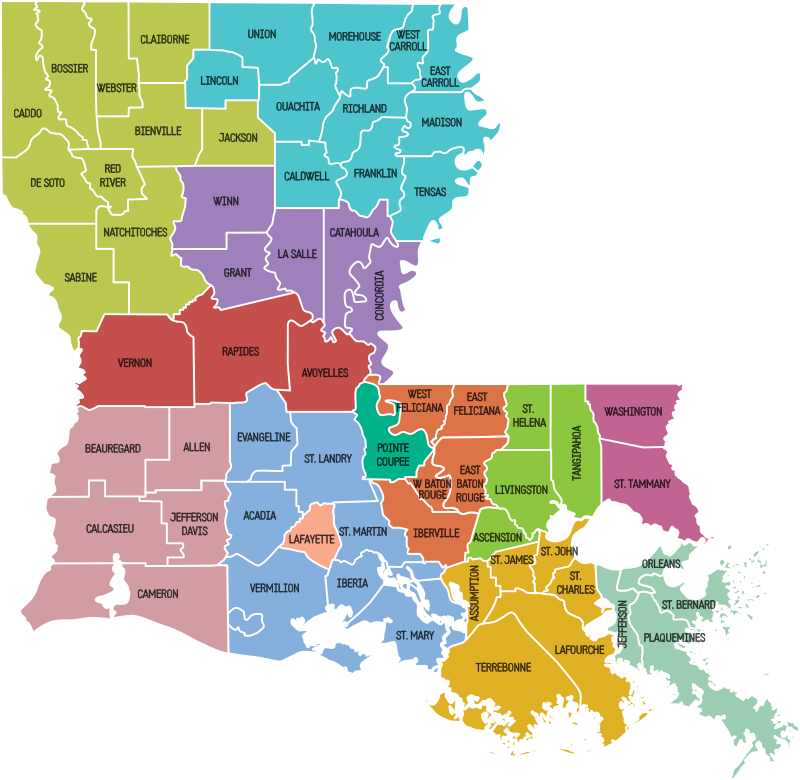
So, how many parishes are there in the State of Louisiana? The answer is 64. These 64 parishes form the backbone of Louisiana’s local governance, each possessing its own unique character, history, and set of attractions that contribute to the state’s vibrant tapestry. From the bustling streets of New Orleans Parish to the serene bayous of Plaquemines Parish, and the rolling hills of North Louisiana to the coastal beauty of Southwest Louisiana, each parish offers a distinctive slice of the Louisiana experience. Delving into the state’s parishes provides a structured way to explore its unparalleled blend of French, Spanish, Cajun, and Creole influences, its world-renowned cuisine, its legendary music, and its breathtaking natural beauty. This article will guide you through the historical origins of Louisiana’s parishes, illuminate their geographical and cultural diversity, and offer insights into how these administrative divisions shape the travel and tourism landscape of this fascinating state.
The Unique Administrative Divisions of Louisiana: Parishes vs. Counties
To truly understand Louisiana’s administrative geography, one must look beyond the standard American model of counties and embrace its unique system of parishes. This distinction is not merely semantic; it speaks volumes about the historical forces that shaped the state.
A Historical Overview of Louisiana’s Parishes
The term “parish” dates back to the colonial era, when Louisiana was under the dominion of first France and then Spain. During these periods, the Catholic Church played a central role in both spiritual and civil life. Ecclesiastical districts, governed by a priest or “curé,” were known as parishes, and these religious divisions often served as the de facto administrative units for the colonial governments. When the United States acquired the Louisiana Purchase in 1803, the existing structures were largely maintained. The territorial government, recognizing the established framework, officially adopted the term “parish” for its civil subdivisions, essentially merging the religious and civil jurisdictions into a unique administrative system that persists to this day. This historical continuity underscores Louisiana’s deep ties to its European heritage and its distinct path within the American federation.
The French and Spanish Legacy
The legacy of French and Spanish rule is perhaps the most defining characteristic of Louisiana’s parish system. Unlike the English common law system that largely influenced the rest of the United States, Louisiana’s legal system is based on civil law, specifically the Napoleonic Code, adapted from French and Spanish legal traditions. This legal framework complements the parish system, further distinguishing Louisiana from its sister states. The names of many parishes, such as St. Landry Parish, St. Tammany Parish, Terrebonne Parish (meaning “Good Earth”), and Lafourche Parish (referencing the “fork” of a waterway), directly reflect this colonial heritage, often bearing the names of saints, geographical features, or prominent figures from their French and Spanish pasts. This rich history makes exploring Louisiana’s parishes akin to stepping back in time, offering a glimpse into a foundational chapter of American history that unfolded quite differently than in other regions.
What Defines a Parish Today?
Today, the 64 parishes of Louisiana function much like counties in other states. Each parish has its own local government, typically headed by a parish president or an elected police jury (a unique legislative body). These local administrations are responsible for a wide array of public services, including law enforcement, infrastructure maintenance, public education, and local taxation. They play a crucial role in managing local affairs, delivering services to residents, and promoting economic development.
For visitors, understanding the parish structure can greatly enhance a travel experience. Parishes often serve as natural boundaries for cultural regions, distinct culinary traditions, and local festivals. For instance, traveling through the parishes of Acadiana immediately immerses you in the heart of Cajun culture, while a visit to Orleans Parish places you squarely within the vibrant, eclectic atmosphere of New Orleans. The unique administrative divisions, therefore, are not just about governance; they are integral to the lifestyle, identity, and tourism appeal of the entire state.
Delving into Louisiana’s 64 Parishes: A Journey Through Diversity
With 64 parishes, Louisiana offers an astonishing breadth of experiences, each region shaped by its geography, history, and the people who call it home. From the piney woods to the coastal marshes, and from bustling urban centers to serene rural communities, the parishes invite travelers to explore an authentic and multifaceted side of the United States.
North Louisiana: Culture, Cuisine, and Natural Beauty
North Louisiana is distinct from the southern, more French-influenced parts of the state. This region, often characterized by its rolling hills and pine forests, shares more cultural similarities with other Southern states like Arkansas and Mississippi. Major cities here include Shreveport (Caddo Parish) and Monroe (Ouachita Parish). Visitors can explore attractions like the Biedenharn Museum & Gardens in Monroe, the R.W. Norton Art Gallery and American Rose Center in Shreveport, or enjoy outdoor recreation at Toledo Bend Lake (Sabine Parish) and Lake D’Arbonne State Park (Union Parish). The region also boasts the ancient Poverty Point World Heritage Site in West Carroll Parish, an extraordinary archaeological complex offering a glimpse into North America’s prehistoric past. This area provides a different kind of Southern charm, known for its hospitality and hearty cooking, with a distinct culinary identity compared to the Creole and Cajun flavors further south.
Central Louisiana: History and River Life
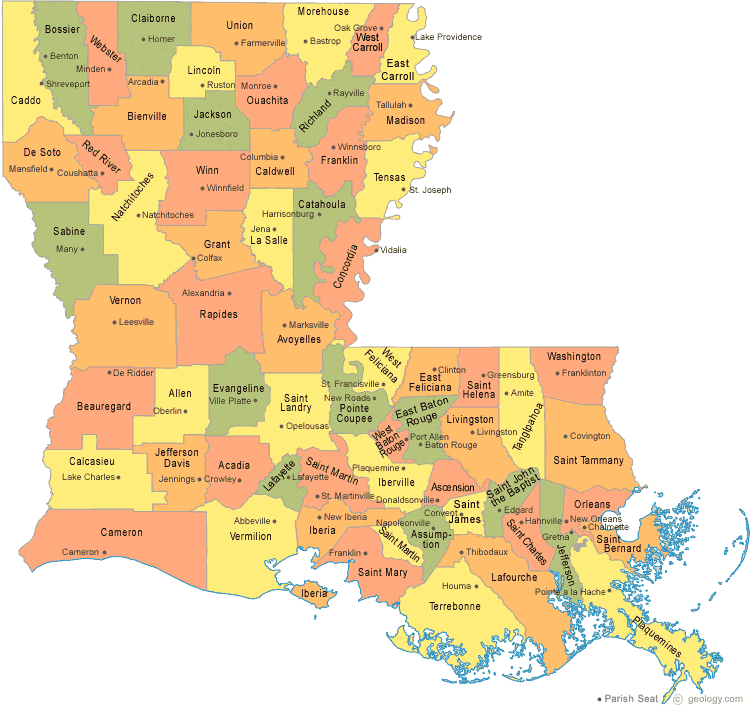
Located at the geographical heart of the state, Central Louisiana is characterized by its pine forests, the meandering Red River, and rich historical narratives. The largest city, Alexandria (Rapides Parish), serves as a hub for exploring the region. Landmarks include the historic Kent Plantation House, one of the oldest standing structures in the state, and the Kisatchie National Forest, offering vast opportunities for hiking, camping, and wildlife observation across several parishes. The charming town of Natchitoches (Natchitoches Parish), the oldest permanent settlement in the Louisiana Purchase, is a must-visit, renowned for its beautiful historic district, the Fort St. Jean Baptiste State Historic Site, and its delicious meat pies. This central region truly embodies the crossroads of Louisiana’s diverse influences, bridging the gap between its northern and southern cultures.
Acadiana: The Heart of Cajun Country
Southwest of Baton Rouge lies Acadiana, a cultural region comprising more than two dozen parishes and celebrated as the heartland of Cajun country. This is where descendants of the Acadian exiles from Canada found refuge, creating a vibrant, unique culture. Lafayette (Lafayette Parish) is the unofficial capital of Acadiana, offering attractions like Acadian Village and Vermilionville, living history museums that showcase traditional Cajun life. Visitors can enjoy world-famous Cajun cuisine, listen to infectious Zydeco and Cajun music at local dancehalls, and explore the natural beauty of the Atchafalaya Basin, North America’s largest river swamp. Other notable parishes include St. Martin Parish, home to parts of the Atchafalaya Basin, and Iberia Parish, where Avery Island (the home of Tabasco sauce) is located, along with the beautiful Rip Van Winkle Gardens. The atmosphere here is one of joyous celebration of life, food, and music, providing an unforgettable travel experience.
Greater New Orleans: A World-Renowned Destination
Greater New Orleans, anchored by Orleans Parish and its iconic city of New Orleans, is arguably the most famous part of Louisiana. This metropolitan area is a magnet for tourists, famous for its unique Creole culture, vibrant music scene, delicious cuisine, and the legendary Mardi Gras celebrations. Key landmarks include the historic French Quarter, the elegant Garden District, the solemn National WWII Museum, and the lively atmosphere of Bourbon Street. Beyond Orleans Parish, the region extends into surrounding parishes like Jefferson Parish (home to charming communities and Bayou tours) and St. Tammany Parish (known for its scenic Northshore along Lake Pontchartrain). This area offers a blend of historical depth, architectural beauty, and a never-ending fiesta of cultural experiences, making it a premier destination for travelers worldwide.
The Florida Parishes: Piney Woods and Lakes
East of the Mississippi River and north of Lake Pontchartrain lie the Florida Parishes, a region historically distinct as it was once part of Spanish West Florida before joining Louisiana. This area is characterized by its pine forests, rolling hills, and numerous lakes, offering a different natural landscape than the bayou country. Parishes such as Tangipahoa Parish, St. Tammany Parish, and Washington Parish are known for their picturesque small towns, outdoor activities, and agricultural produce. Attractions include the Global Wildlife Center in Tangipahoa Parish, the breweries of Abita Springs (St. Tammany Parish), and the tranquil beauty of Fontainebleau State Park along Lake Pontchartrain. This region provides a serene escape, perfect for those seeking outdoor adventures and a quieter pace of life, while still being within easy reach of New Orleans.
Southwest Louisiana: Mardi Gras and Gulf Shores
Southwest Louisiana, encompassing parishes like Calcasieu Parish (home to Lake Charles) and Cameron Parish, is where prairie meets the Gulf of Mexico. This region boasts a unique blend of Cajun culture, abundant wildlife, and a burgeoning casino resort industry. Lake Charles is a hub for entertainment, with its lively Mardi Gras celebrations, historic architecture found in the Charpentier Historic District, and the USS Orleck Naval Museum. The Creole Nature Trail All-American Road offers an unparalleled opportunity for wildlife viewing, birdwatching, and experiencing the diverse ecosystems of the marsh and coast, including numerous alligators. Beaches along the Gulf Coast provide recreational opportunities, and the fishing and hunting in this area are world-class. Sam Houston Jones State Park (Calcasieu Parish) offers a beautiful setting for outdoor enthusiasts. This region uniquely combines rugged natural beauty with vibrant cultural festivities and modern entertainment options.
Planning Your Louisiana Adventure: Leveraging Parish Diversity for Travel
For any traveler seeking an authentic and memorable experience, understanding the 64 parishes of Louisiana is key to crafting the perfect itinerary. Each parish, or cluster of parishes, presents unique opportunities for tourism, accommodation, and cultural immersion.
Discovering Local Attractions and Landmarks
The diverse range of attractions across Louisiana’s parishes caters to every interest. History buffs can trace the evolution of the state through its plantation homes like Oak Alley Plantation in St. James Parish or The Myrtles Plantation in West Feliciana Parish, delve into civil rights history in Baton Rouge (East Baton Rouge Parish) at the Old State Capitol, or explore the ancient mounds of Poverty Point World Heritage Site. Nature lovers can embark on swamp tours in the Atchafalaya Basin (St. Martin Parish), birdwatch along the Creole Nature Trail All-American Road (Cameron Parish), or fish in the abundant waters of Toledo Bend Lake. Cultural enthusiasts will find themselves captivated by the music and dance halls of Acadiana, the Mardi Gras festivities in New Orleans and Lake Charles, and the vibrant arts scene in cities like Shreveport and Lafayette. Each parish offers a curated collection of landmarks, museums, natural parks, and unique local experiences that truly showcase the diversity of Louisiana.
Accommodation Options Across Parishes
The range of accommodation in Louisiana is as varied as its parishes, catering to every travel style and budget. In major cities like New Orleans, Baton Rouge, and Shreveport, travelers can choose from luxury hotels, historic boutique inns in areas like the French Quarter or Garden District, modern suites, and well-known hotel chains. For those seeking a more immersive experience, charming bed and breakfasts can be found in quaint towns like Natchitoches and St. Francisville (West Feliciana Parish), offering a taste of Southern hospitality. Acadiana provides opportunities for stays in Cajun cabins or guesthouses on bayous, while coastal parishes offer beach rentals and fishing lodges. For outdoor adventurers, state parks across numerous parishes, such as Fontainebleau State Park (St. Tammany Parish) or Sam Houston Jones State Park, provide camping and cabin options. Whether you’re planning a luxurious urban getaway, a cozy romantic escape, a family adventure, or a budget-friendly road trip, Louisiana’s 64 parishes offer an extensive array of accommodation choices to make your stay comfortable and memorable.
Experiencing Louisiana’s Rich Lifestyle and Culture
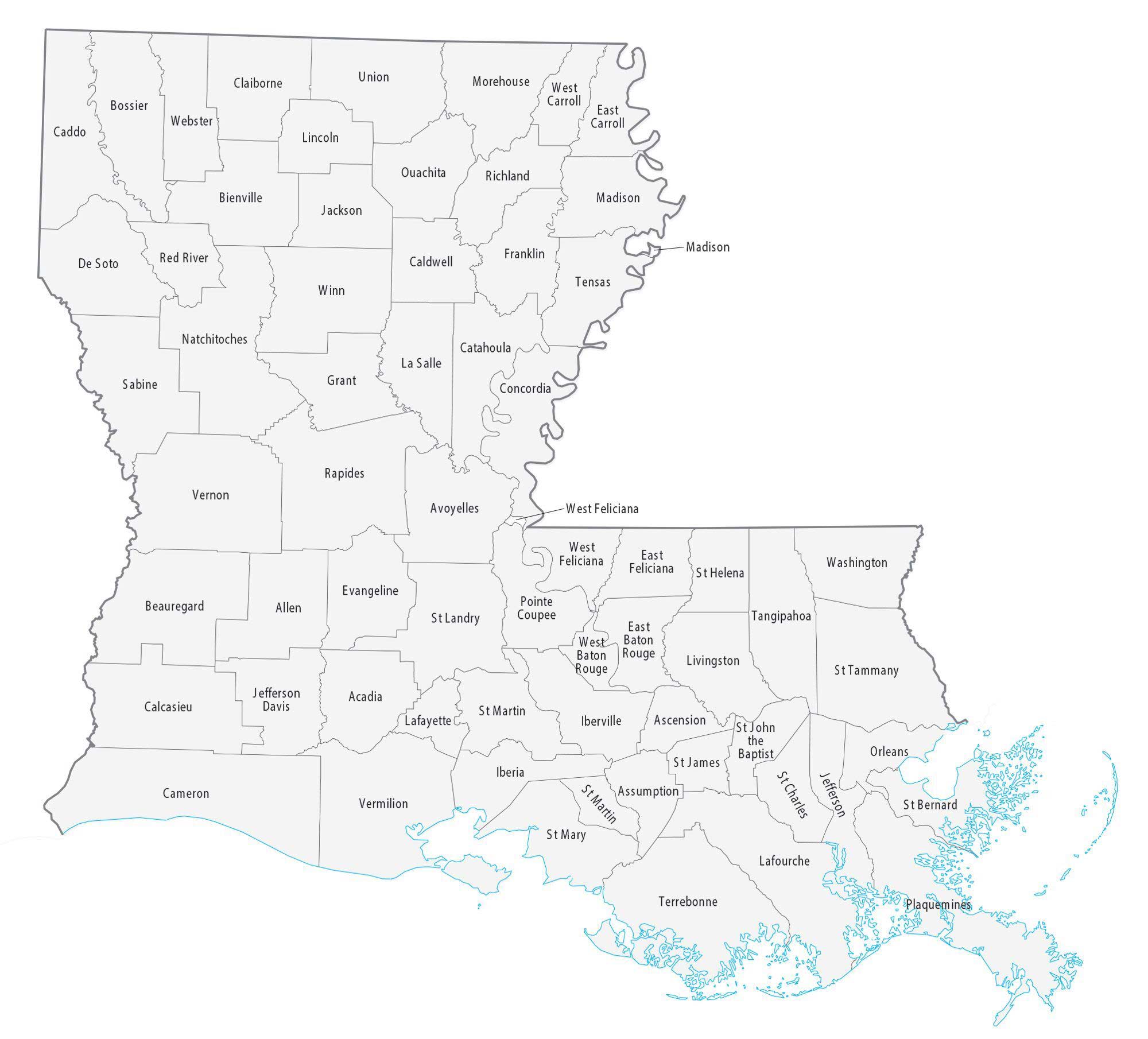
Beyond specific sights, the parishes offer a gateway to experiencing Louisiana’s distinctive lifestyle. This includes its unparalleled culinary scene, from fine dining in New Orleans to roadside Cajun boudin stands in Lafayette. Music is an intrinsic part of life here, with jazz, blues, Zydeco, and Cajun tunes filling the air in various parishes. Festivals, celebrating everything from strawberries in Ponchatoula (Tangipahoa Parish) to seafood in coastal towns, are year-round occurrences, reflecting the state’s love for celebration and community. Engaging with local traditions, exploring the unique blend of architecture, from Creole cottages to antebellum mansions, and participating in outdoor activities like fishing, kayaking, or hiking in the numerous state parks, allows visitors to truly embrace the spirit of Louisiana. Each parish provides a unique lens through which to view and participate in this vibrant culture, ensuring that every journey through the state is an adventure in discovery and immersion.
In conclusion, the question “How many parishes in the State of Louisiana?” is answered with a definitive 64. However, the true significance lies not just in the number, but in the profound cultural, historical, and geographical diversity that each of these parishes represents. From the echoes of French and Spanish colonial rule to the vibrant contemporary life found within each distinct region, Louisiana’s parishes offer a unique framework for understanding and exploring this truly exceptional American state. Planning your travel around these administrative divisions allows for a deeper, more enriching experience, connecting you directly to the heart and soul of Louisiana’s unparalleled charm and hospitality. So pack your bags, prepare your palate, and get ready to discover the magic woven into each of Louisiana’s 64 remarkable parishes.
LifeOutOfTheBox is a participant in the Amazon Services LLC Associates Program, an affiliate advertising program designed to provide a means for sites to earn advertising fees by advertising and linking to Amazon.com. Amazon, the Amazon logo, AmazonSupply, and the AmazonSupply logo are trademarks of Amazon.com, Inc. or its affiliates. As an Amazon Associate we earn affiliate commissions from qualifying purchases.