
The sight of rolling hills bathed in a sea of vibrant blue is one of Texas’s most cherished annual traditions. As the state flower, bluebonnets (Lupinus texensis and others) hold a special place in the hearts of Texans and draw visitors from across the globe keen to witness this breathtaking natural spectacle. These resilient wildflowers transform the Lone Star State into a picturesque landscape, signaling the true arrival of spring. For anyone planning a trip focused on experiencing this floral marvel, the burning question remains: “When do bluebonnets bloom in Texas?” Understanding the timing, best viewing locations, and how to plan your travel and accommodation is key to a successful bluebonnet adventure.
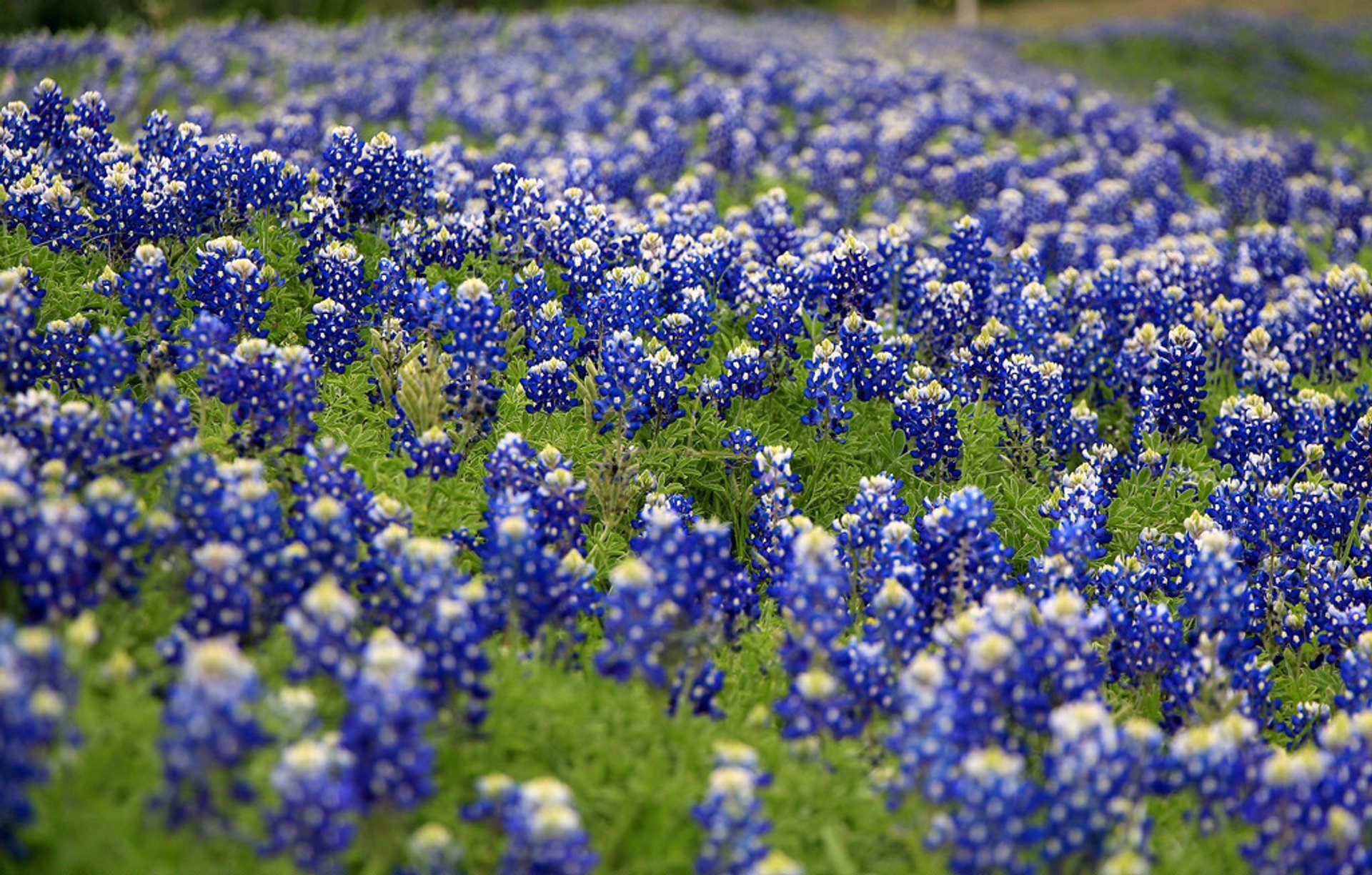
Bluebonnet season is more than just a beautiful display; it’s a significant cultural event, inspiring road trips, family photoshoots, and local festivals. From the sprawling ranchlands of the Texas Hill Country to the scenic routes connecting charming small towns, the presence of bluebonnets invites travelers to explore the heart of Texas in its most vibrant form. This guide will delve into everything you need to know to catch these iconic blooms at their peak, ensuring your visit is as memorable and beautiful as the flowers themselves.
The Enchanting Bloom: Timing Your Bluebonnet Adventure
The ephemeral beauty of bluebonnets means that timing is everything. While their presence is a reliable indicator of spring, the exact window can shift slightly from year to year. Knowing when to expect these delightful wildflowers is the first step in planning your perfect Texas getaway.
The Peak Season for Bluebonnet Viewing
Generally, the bluebonnet season in Texas kicks off in late March and typically extends through mid-April. However, this is a broad average, and the precise peak bloom can vary significantly based on geographic location within the state and the specific weather patterns of the preceding winter and early spring.
In the southern parts of Texas and along the Gulf Coast, bluebonnets might make an earlier appearance, sometimes as early as late February or early March. As spring progresses and temperatures rise, the bloom moves northward, reaching its crescendo in the beloved Texas Hill Country by late March and early April. This region, encompassing charming towns like Fredericksburg, Burnet, and Marble Falls, is widely considered the epicenter of bluebonnet viewing.
Further north and in the eastern parts of the state, such as around Ennis, the peak bloom often occurs a bit later, typically in mid-April, sometimes stretching into the first week of May. This staggered bloom allows enthusiasts to potentially extend their bluebonnet hunting by traveling across different regions of Texas.
To pinpoint the best time for your visit, it’s highly advisable to consult local tourism boards, state park websites, and online wildflower reports as your travel dates approach. Websites like the Texas Department of Transportation’s wildflower reports, local chambers of commerce, and social media groups dedicated to Texas wildflowers offer real-time updates on bloom conditions, helping you track the flowers’ progress and plan your itinerary accordingly.
Factors Influencing the Bloom
Several environmental factors play a crucial role in determining the timing and intensity of the bluebonnet bloom each year:
- Rainfall: Adequate rainfall during the preceding fall and winter months is paramount. Bluebonnet seeds require sufficient moisture to germinate and establish strong root systems. A dry winter can lead to a sparse or delayed bloom, while ample rain sets the stage for a spectacular display. Early spring showers further nourish the plants, contributing to a lush and vibrant carpet of blue.
- Temperature: Mild winter temperatures followed by a gradual warming trend in early spring are ideal. Extended periods of freezing temperatures can damage seedlings, potentially hindering the bloom. Conversely, an unusually hot spring can cause the flowers to bloom earlier and fade more quickly.
- Sunlight: Bluebonnets thrive in full sunlight. Areas that receive plenty of direct sun tend to have denser and more robust blooms. This is why you often find them flourishing in open fields, along roadsides, and in meadows rather than heavily shaded areas.
- Soil Conditions: Bluebonnets prefer well-drained, slightly alkaline soils, which are common throughout much of the Texas Hill Country. While they are resilient, specific soil compositions can influence their growth and distribution.
Understanding these factors can help you appreciate the delicate balance of nature that brings forth Texas’s iconic bluebonnet season. Each year’s bloom is a unique spectacle, a testament to the state’s diverse climate and natural beauty.
Where to Witness the Bluebonnet Spectacle: Prime Locations and Scenic Drives
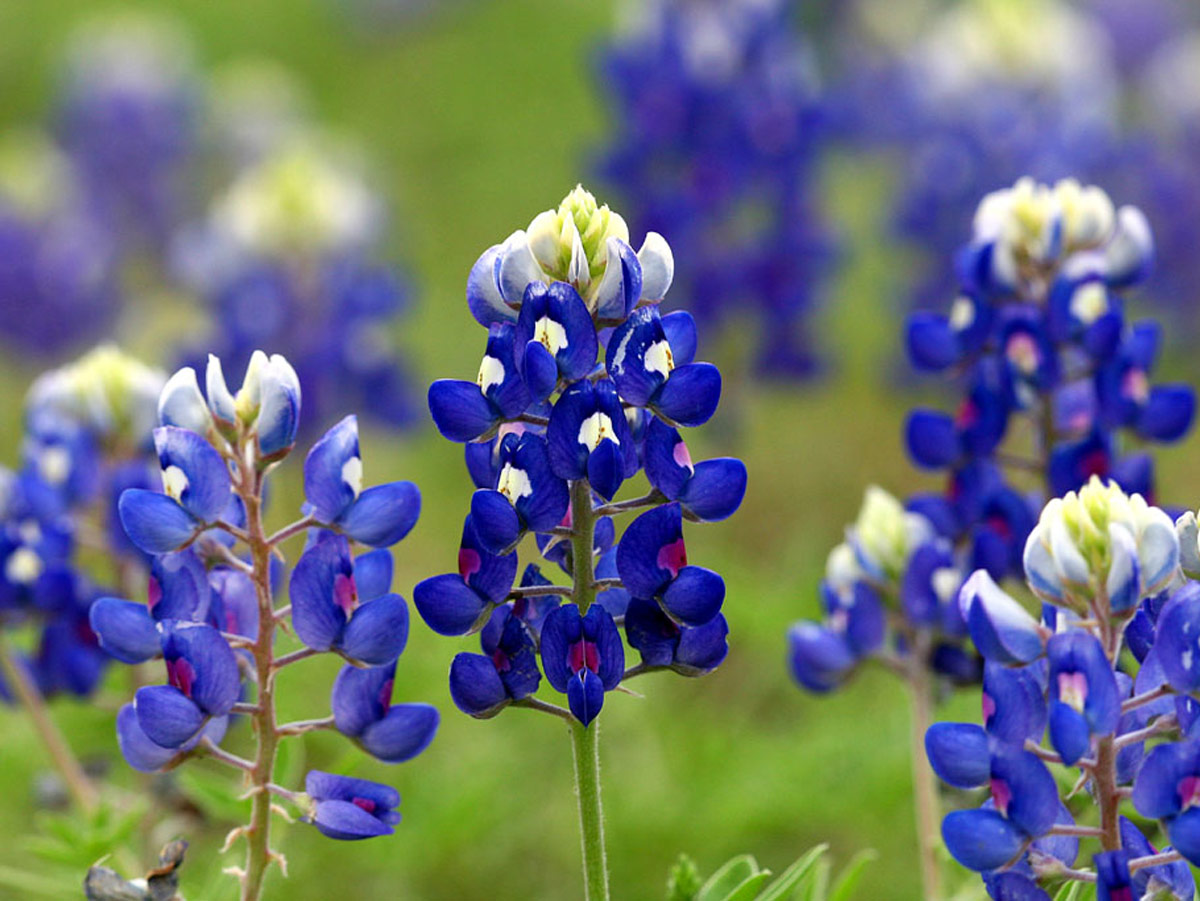
Once you’ve zeroed in on the optimal blooming period, the next step is discovering the best places to immerse yourself in the bluebonnet experience. While these wildflowers can pop up almost anywhere, certain regions and specific routes are renowned for their breathtaking displays.
Iconic Bluebonnet Trails and Hotspots
The undisputed capital of bluebonnet viewing is the Texas Hill Country. This picturesque region, characterized by rolling hills, winding rivers, and charming towns, becomes a mosaic of blue, purple, and green each spring.
- Burnet: The Bluebonnet Capital of Texas
Located northwest of Austin, Burnet proudly holds the title of the “Bluebonnet Capital of Texas.” Each April, the town hosts the annual Bluebonnet Festival in Burnet, drawing tens of thousands of visitors. The surrounding areas, including roads like Highway 29 and Park Road 4, offer stunning fields of blue, often mixed with other wildflowers like Indian paintbrushes and primroses. - Fredericksburg and the Willow City Loop
Southwest of Burnet, the German heritage town of Fredericksburg serves as another fantastic base for bluebonnet exploration. The true gem here is the 13-mile Willow City Loop, a narrow, winding country road that cuts through private ranchland. During peak season, this loop transforms into one of the most celebrated bluebonnet drives in the state, offering incredible photographic opportunities amidst vibrant fields and rugged Hill Country scenery. Remember this is mostly private land, so respect fences and stay on public easements. - Ennis: The Official Texas Bluebonnet Trail
Northeast of Waco and southeast of Dallas, Ennis boasts the “Official Texas Bluebonnet Trail,” the oldest and most extensive organized bluebonnet trail in the state. Each April, the Ennis Bluebonnet Trails Festival provides maps and guided tours to over 40 miles of mapped driving trails, guaranteeing breathtaking views. The bloom here often peaks slightly later than in the Hill Country, making it a great option for late-season visitors. - Marble Falls
Near Burnet and just north of Austin, Marble Falls is another vibrant community that blossoms with bluebonnets. Highway 281 and its surrounding rural roads are excellent for spotting large swaths of flowers, often with the scenic backdrop of the Colorado River lakes. - State Parks and Historic Sites:
Many Texas State Parks become prime bluebonnet viewing spots. Washington-on-the-Brazos State Historic Site, the birthplace of Texas independence, often features beautiful bluebonnet fields. Pedernales Falls State Park near Johnson City also offers chances to see bluebonnets alongside its dramatic waterfalls and limestone cliffs. While less about bluebonnets specifically, Old Tunnel State Park near Fredericksburg can offer some smaller patches, but it’s more famous for its bat colony. Always check individual park websites for specific wildflower reports.
Tips for the Best Viewing Experience
To ensure a memorable and responsible bluebonnet outing, keep these tips in mind:
- Timing is Key (Daily): The best times for photography are typically early morning (shortly after sunrise) or late afternoon (an hour or two before sunset). The softer light creates beautiful hues and minimizes harsh shadows, making your bluebonnet pictures truly pop. Midday sun can be too harsh, washing out the vibrant colors.
- Respect the Flowers and Private Property: It’s tempting to wander deep into a field of blue, but always be mindful of where you step. Avoid trampling the flowers, as this can prevent them from reseeding for future blooms. Most impressive fields are on private land, so never trespass. Admire from the roadside or designated public areas. If a gate is closed, it’s a clear sign not to enter.
- Safety First: While enjoying the scenery, be aware of your surroundings. Texas is home to various wildlife, including snakes (some venomous) and insects like ticks and fire ants. Wear appropriate footwear, long pants, and consider insect repellent, especially if venturing into taller grass. Always supervise children and pets. When pulling over on roadsides, ensure it is safe to do so, fully off the road, and be mindful of traffic.
- Photography Etiquette: If taking photos, especially with family, choose a spot where the bluebonnets are dense but away from the main road for safety. While the classic “child in a field of bluebonnets” photo is a rite of passage, remember to encourage your subjects to sit or stand gently among the flowers without damaging them.
- Pack Essentials: Bring water, snacks, sunscreen, a hat, and your camera! Many prime viewing spots are rural, with limited access to facilities.
Planning Your Bluebonnet Getaway: Travel, Accommodation, and Activities
A bluebonnet trip is more than just seeing flowers; it’s an opportunity to experience the unique charm and hospitality of Texas. Integrating travel logistics, suitable accommodation, and complementary activities will elevate your wildflower adventure into a holistic travel experience.
Making the Most of Your Trip
- Travel and Transportation:
- Car is Essential: To truly explore the bluebonnet trails and find hidden gems, a personal vehicle is indispensable. Scenic drives are a core part of the experience.
- Airports: For out-of-state visitors, the major international airports like Austin-Bergstrom International Airport (AUS) or San Antonio International Airport (SAT) provide convenient access to the Texas Hill Country region. Dallas/Fort Worth International Airport (DFW) or Dallas Love Field (DAL) are excellent options if you’re focusing on the Ennis area. From these hubs, you can rent a car and embark on your bluebonnet road trip.
- Driving Times: Be prepared for potentially longer driving times than expected, especially on weekends during peak bloom. Many roads are two-lane country routes, and traffic can build up near popular viewing spots.
- Accommodation Options:
- Book Early: Bluebonnet season is incredibly popular. Accommodation in prime viewing towns like Fredericksburg, Burnet, and Ennis fills up quickly. It’s crucial to book your hotels, B&Bs, resorts, or vacation rentals several months in advance to secure your preferred stay.
- Variety of Stays: The Texas Hill Country offers a diverse range of accommodations. You can find quaint B&Bs in historic homes, boutique hotels with local charm, luxury resorts with stunning views, or rustic cabins for a more immersive nature experience. For those traveling with families or groups, vacation rentals (like houses or apartments) can provide ample space and amenities. Consider options in slightly larger towns like San Marcos or Kerrville if smaller towns are fully booked.
- Related Activities & Local Culture:
- Spring Festivals: Plan your trip around one of the many bluebonnet-themed festivals. The Bluebonnet Festival in Burnet and the Ennis Bluebonnet Trails Festival are highlights, offering live music, local crafts, food vendors, and family-friendly entertainment.
- Wineries and Breweries: The Texas Hill Country is a burgeoning wine region, with numerous vineyards and tasting rooms dotting the landscape, especially around Fredericksburg. Many offer scenic views, making for a perfect post-bluebonnet relaxation spot. Craft breweries are also gaining popularity, providing another local flavor.
- Local Cuisine: Indulge in authentic Texas cuisine. From legendary BBQ joints to mouth-watering Tex-Mex, the food scene is as diverse as the landscape. Don’t miss out on local farm-to-table restaurants in towns like Fredericksburg that showcase regional ingredients.
- Historical Sites and Nature: Beyond bluebonnets, explore the rich history of Texas at sites like Washington-on-the-Brazos State Historic Site or marvel at the natural wonders of Pedernales Falls State Park. Many towns offer unique shopping experiences, from antiques to artisan crafts.
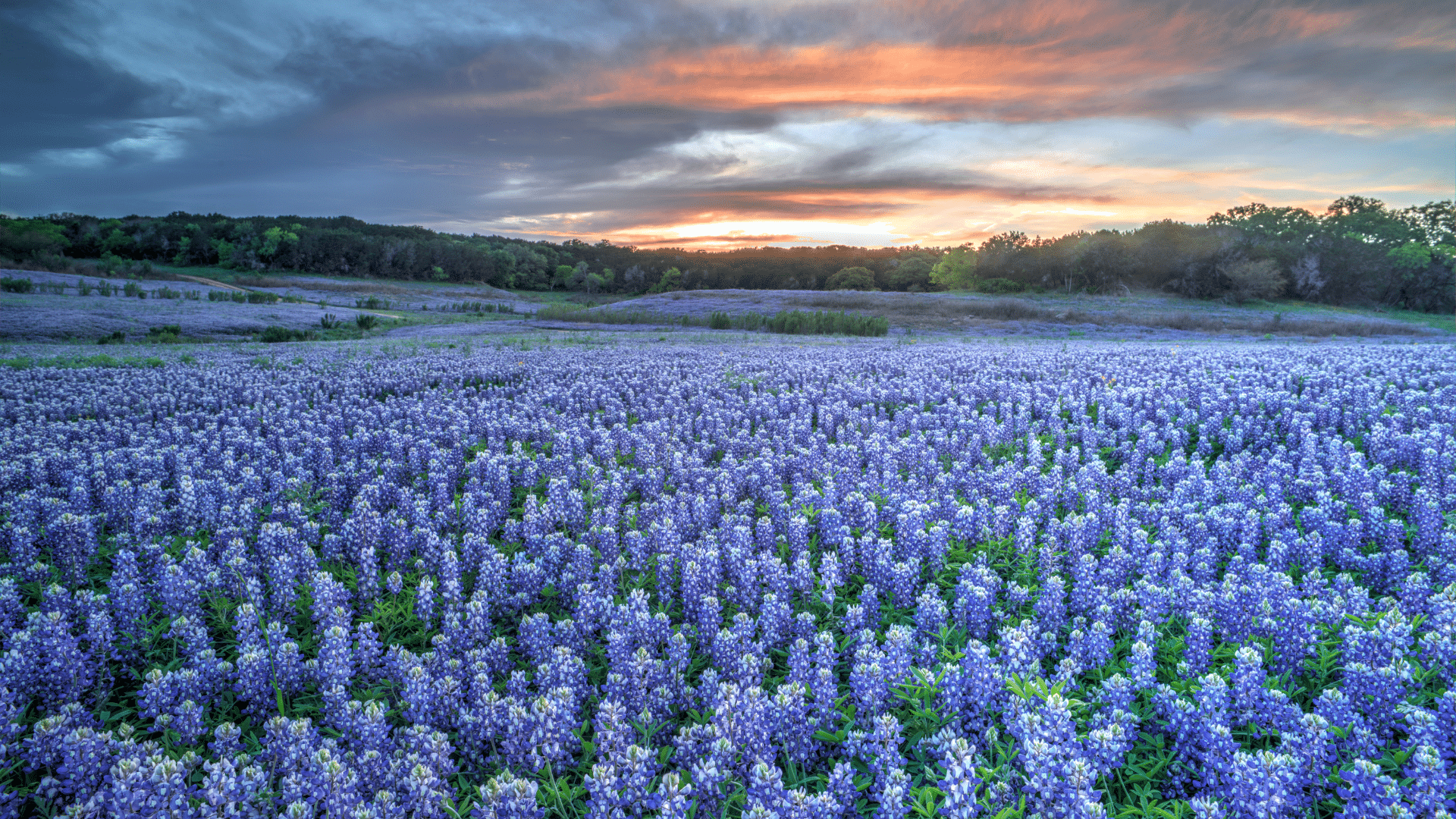
Budget-Friendly Bluebonnet Adventures vs. Luxury Escapes
The beauty of a bluebonnet trip is that it can be tailored to various budgets and travel styles.
- Budget Travel:
- Free Beauty: The bluebonnets themselves are a free attraction. Pack picnic lunches and enjoy them amidst the flowers (where permitted) to save on dining costs.
- Affordable Accommodation: Consider staying in state park cabins or campsites for a more rustic and budget-friendly experience. Towns slightly outside the main bluebonnet hubs might offer more economical hotel options.
- Self-Guided Tours: Utilize online resources and free maps from local chambers of commerce to plan your own driving routes, avoiding the cost of guided tours.
- State Park Pass: If you plan to visit multiple Texas State Parks during your trip, consider purchasing a Texas State Parks Pass for unlimited entry for a year.
- Luxury Travel:
- Upscale Resorts: Indulge in luxury resorts and boutique hotels in Fredericksburg or Austin, offering spa services, gourmet dining, and concierge services. Many have stunning views of the surrounding Hill Country.
- Private Tours: Opt for private guided tours that can take you to exclusive or less-trafficked bluebonnet spots, often with knowledgeable local guides.
- Fine Dining and Wineries: Enjoy curated culinary experiences at award-winning restaurants and exclusive wine tastings at high-end vineyards.
- Unique Experiences: Consider hot air balloon rides over the Hill Country for a panoramic view of the bluebonnets, or rent a luxury car for your scenic drives.
Whether you’re looking for an economical road trip or a lavish getaway, the bluebonnet season in Texas offers something for everyone, promising unforgettable memories amidst nature’s grandeur.
The annual bluebonnet bloom in Texas is a truly magical experience, a vibrant declaration of spring that captivates all who witness it. By understanding the optimal blooming times, exploring the most scenic locations, and planning your travel and accommodation effectively, you can ensure your trip to the Lone Star State during this special season is nothing short of spectacular. From the charming towns of the Hill Country to the expansive fields along historic trails, the bluebonnets invite you to slow down, breathe in the fresh spring air, and immerse yourself in the natural beauty of Texas. So, pack your bags, charge your camera, and prepare to be enchanted by the unparalleled beauty of Texas in bloom.
LifeOutOfTheBox is a participant in the Amazon Services LLC Associates Program, an affiliate advertising program designed to provide a means for sites to earn advertising fees by advertising and linking to Amazon.com. Amazon, the Amazon logo, AmazonSupply, and the AmazonSupply logo are trademarks of Amazon.com, Inc. or its affiliates. As an Amazon Associate we earn affiliate commissions from qualifying purchases.