
Nestled deep in the heart of Louisiana‘s Acadiana region, Lafayette, Louisiana stands as a vibrant beacon of Cajun and Creole culture. Often referred to as the “Hub City” due to its central location and robust economic activity, Lafayette offers a unique blend of rich history, distinctive music, world-renowned cuisine, and an infectious joie de vivre that captivates every visitor. For those seeking an authentic taste of the Deep South beyond the bustling streets of New Orleans, Lafayette presents an unparalleled travel experience, brimming with hospitality and unforgettable adventures.
This comprehensive guide will not only pinpoint Lafayette on the map but also delve into why this dynamic city is a must-visit destination, exploring its cultural heritage, top attractions, culinary scene, and essential travel tips. Whether you’re planning a family trip, a romantic getaway, or a solo adventure, Lafayette promises a journey into a truly special corner of the United States.

Discovering Lafayette: Location and Cultural Heartbeat
Understanding where Lafayette is physically situated is key to appreciating its strategic importance and cultural evolution. It’s not just a dot on the map; it’s a crossroads of history, migration, and unique traditions.
Geographic Significance and Easy Access
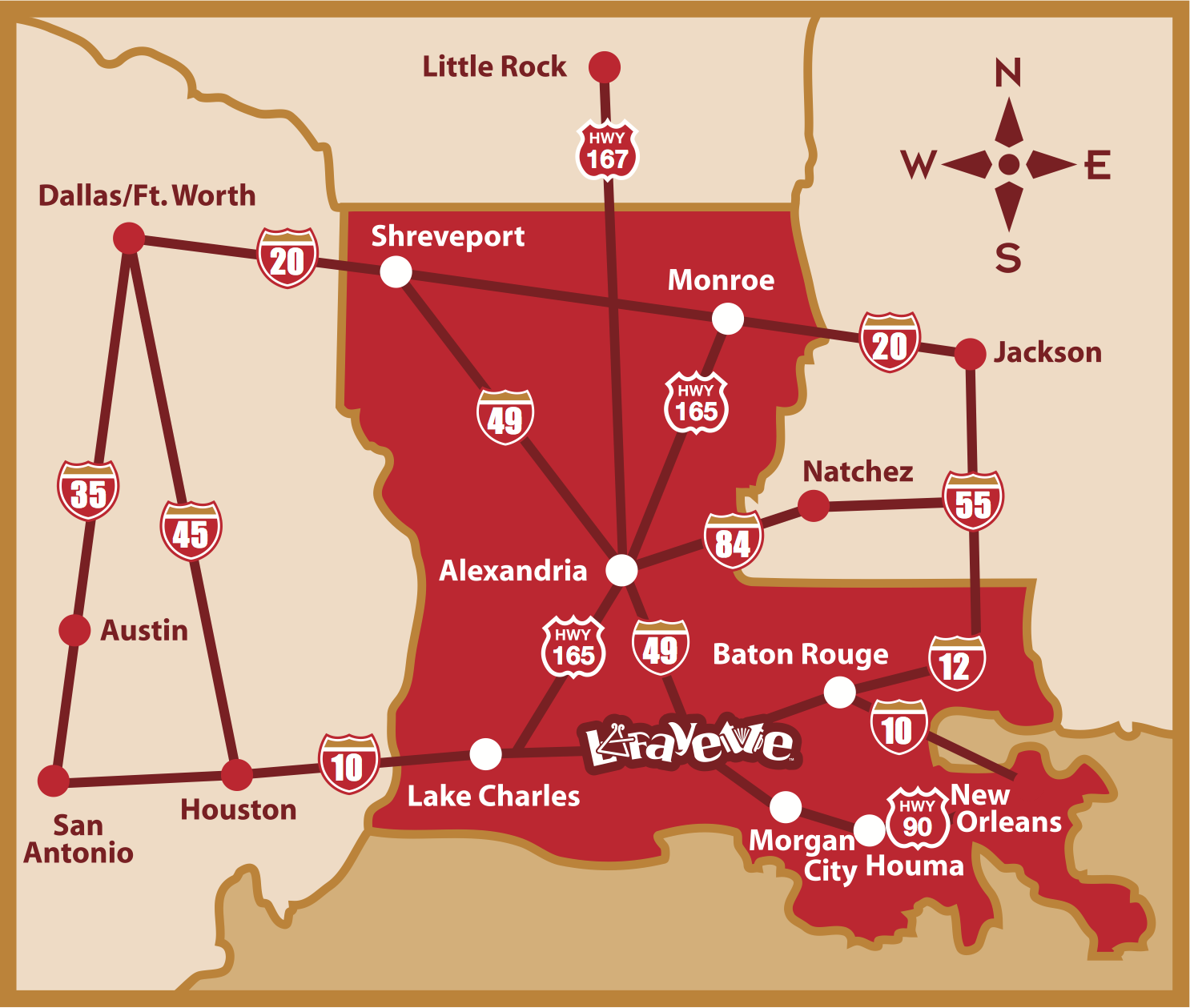
Lafayette is strategically located in the southwestern part of Louisiana, approximately 120 miles west of New Orleans and 60 miles west of Baton Rouge, the state capital. Its position along Interstate 10 makes it incredibly accessible by car from major cities across the Gulf Coast. The city serves as the parish seat of Lafayette Parish, a region defined by its flat, fertile lands, winding bayous, and close proximity to the Gulf of Mexico.
This geographic location has historically made Lafayette a critical center for agriculture, oil and gas, and, of course, tourism. Travelers often use Lafayette as a base to explore the wider Acadiana region, which stretches across 22 parishes and is distinctively characterized by its strong Cajun and Creole influences. The flat terrain and numerous waterways, including the beautiful Bayou Teche, define the landscape, offering opportunities for swamp tours, fishing, and outdoor exploration that are unlike anywhere else in the United States.
The Soul of Acadiana: Cajun and Creole Heritage
The true essence of Lafayette lies in its deep-rooted Cajun and Creole heritage. This cultural tapestry was woven by the arrival of the Acadians, French-speaking exiles from Nova Scotia (formerly Acadie) who settled in Louisiana in the mid-18th century after being expelled by the British. Their descendants, the Cajuns, adapted to the swampy landscapes, developing a unique language (a dialect of French), cuisine, and musical traditions that endure to this day.
Alongside the Cajuns, the Creole culture, born from a mix of French, Spanish, African, and Indigenous influences, also flourished in the region. While often conflated, Cajun and Creole cultures have distinct nuances, particularly in their culinary styles and language. Lafayette proudly celebrates both, fostering an environment where visitors can immerse themselves in living history. This rich heritage is reflected in every aspect of life in Lafayette, from the lively dancehalls playing Cajun and Zydeco music to the aromatic kitchens serving up authentic gumbos and étouffées. It’s this vibrant cultural identity that truly defines Lafayette as a travel destination.
Unearthing Lafayette’s Charms: Must-See Attractions and Experiences
Beyond its cultural identity, Lafayette boasts a myriad of attractions and activities that cater to diverse interests, from history buffs and nature lovers to foodies and music enthusiasts.
Historical Sites and Cultural Centers
To truly grasp Acadiana’s past, a visit to its living history museums is essential. The Vermilionville Historic Village offers an immersive journey back to the 18th and 19th centuries, showcasing authentic Cajun and Creole homes, traditional crafts, and live music. It’s a fantastic way to experience the daily life of early settlers and interact with costumed interpreters. Similarly, Acadian Village provides another glimpse into rural Cajun life, featuring restored homes, a chapel, and a blacksmith shop, all set around a tranquil bayou.
For a dose of local history and stunning architecture, the Cathedral of St. John the Evangelist stands as a prominent landmark in downtown Lafayette. Its majestic structure and beautiful stained-glass windows offer a moment of quiet reflection. The historic Jefferson Street area, with its blend of historic buildings and modern establishments, is also worth exploring for its shops, restaurants, and vibrant nightlife. Educational institutions like the University of Louisiana at Lafayette contribute significantly to the city’s cultural fabric, with its beautiful campus and the state’s largest collection of live oak trees. Don’t miss the Acadian Cultural Center, part of the Jean Lafitte National Historical Park and Preserve, where exhibits and films tell the story of the Acadians and their journey to Louisiana. For families, the Lafayette Science Museum and the Children’s Museum of Acadiana offer engaging, interactive exhibits.
Natural Beauty and Outdoor Adventures
Lafayette’s surrounding natural environment is just as captivating as its cultural sites. The region is famed for its swamps and bayous, teeming with wildlife. A swamp tour is an absolute must-do, providing an exhilarating opportunity to see alligators, migratory birds, and other indigenous creatures in their natural habitat. Lake Martin and the Cypress Island Preserve are particularly popular spots for guided boat tours and birdwatching, offering incredible photographic opportunities and a serene escape into nature.
Paddling enthusiasts can explore the peaceful waterways of the Bayou Vermilion via kayak or canoe, while those who prefer dry land can enjoy scenic walks and bike rides along the numerous trails. The mild climate for much of the year makes outdoor activities enjoyable, inviting travelers to explore the unique ecosystems of the Mississippi River Delta region.
Festivals and Events: A Vibrant Calendar
Lafayette truly comes alive through its festivals, which are central to the city’s identity and provide an unparalleled experience of local culture. The crown jewel is the annual Festival International de Louisiane, one of the largest outdoor Francophone festivals in the United States. This free, five-day event transforms downtown Lafayette into a global village of music, art, and culture, featuring artists from dozens of countries.
Another highlight is Festivals Acadiens et Créoles, a free celebration of Cajun and Creole music, food, and crafts. This festival is a fantastic opportunity to hear live Cajun and Zydeco bands, taste traditional dishes, and experience the lively dance culture known as a “fais do-do.” Of course, no mention of Louisiana festivals would be complete without Mardi Gras. While New Orleans is famous for its grand celebrations, Lafayette offers a more family-friendly, community-focused Mardi Gras experience, complete with parades, balls, and local traditions. These events provide an authentic glimpse into the community spirit and joyous nature of Lafayette.
Savoring the Flavors of Acadiana: Culinary Delights and Local Life
No visit to Lafayette is complete without indulging in its world-famous cuisine. Recognized as the “Happiest City in America” largely due to its incredible food scene, Lafayette is a culinary paradise.
A Taste of Louisiana: Iconic Dishes
The food in Lafayette is a testament to its cultural fusion, blending French, Spanish, African, and Native American influences into a distinctive gastronomic experience. Staples like gumbo, a rich stew typically made with seafood or chicken and sausage, and étouffée, a smothered dish usually featuring crawfish or shrimp, are ubiquitous and utterly delicious. Jambalaya, a flavorful rice dish, and boudin, a spicy pork and rice sausage, are also must-tries.
Seafood, fresh from the Gulf of Mexico, plays a starring role, with boiled crawfish (especially during peak season from winter through spring), shrimp, and oysters prepared in countless ways. For a sweet treat, don’t miss warm beignets dusted with powdered sugar, or a slice of pecan pie. The region’s hot sauce, particularly Tabasco from nearby Avery Island, is also a crucial condiment that adds a kick to many dishes.
Dining Experiences: From Fine Dining to Local Joints
Lafayette’s dining scene caters to all tastes and budgets. From upscale restaurants offering modern interpretations of Cajun and Creole cuisine to charming mom-and-pop eateries and lively casual spots, there’s something for everyone. Many local restaurants emphasize farm-to-table practices, sourcing fresh ingredients from local producers.
For a truly authentic experience, seek out local plate lunch spots, often serving hearty, home-style meals, or visit a local butcher shop for fresh boudin. Food trucks have also gained popularity, offering innovative twists on traditional dishes. Exploring Lafayette’s culinary landscape is an adventure in itself, inviting travelers to taste the soulful flavors that define Acadiana. Cooking classes are also available for those who wish to take a piece of the Lafayette kitchen home with them.
Embracing the Lifestyle: Music, Arts, and Shopping
Life in Lafayette revolves around its vibrant culture. Music is the heartbeat of the city, with live Cajun and Zydeco performances found almost nightly in dancehalls (fais do-dos) and local bars. These spirited gatherings are incredibly welcoming, encouraging everyone to get up and dance, regardless of their skill level.
The city also boasts a thriving arts scene, with numerous galleries showcasing local and regional artists. Public art installations add character to the downtown area, and community events frequently feature local musicians and artisans. Shopping in Lafayette offers a mix of mainstream retail at malls like Acadiana Mall, alongside charming boutiques and antique shops in the historic districts. For unique souvenirs, look for locally made crafts, Cajun spices, and Louisiana-themed artwork.
Planning Your Stay: Accommodation and Travel Logistics in Lafayette
For an unforgettable journey to Lafayette, careful planning of your accommodation and travel logistics will ensure a seamless and enjoyable experience.
Choosing Your Perfect Accommodation
Lafayette offers a wide array of accommodation options to suit every preference and budget, from luxurious resorts to cozy boutique hotels and extended-stay apartments. Many hotels are conveniently located near major attractions and business centers, making them ideal bases for exploration.
For travelers seeking comfort and familiar amenities, reputable chains like the DoubleTree by Hilton Lafayette provide excellent service and modern facilities. The Hilton Garden Inn Lafayette/Cajundome offers proximity to events and sports venues, while Homewood Suites by Hilton Lafayette and Embassy Suites by Hilton Lafayette Airport are great choices for longer stays or family trips, providing spacious suites and complimentary breakfast. Other well-known options include the Holiday Inn Express & Suites Lafayette South, known for its convenient location and consistent quality.
For a more unique experience, consider charming bed and breakfasts that offer a taste of local hospitality and often feature traditional Louisiana architecture. Travelers interested in long-term stays or preferring self-catering options can find a variety of vacation rentals and apartments, which are particularly popular during peak festival seasons. Booking in advance, especially during major events like Festival International or Mardi Gras, is highly recommended to secure the best rates and availability. Reviews and comparison websites can help travelers find the ideal accommodation that perfectly matches their travel style and budget.

Getting Around and Practical Tips
Accessing Lafayette is straightforward. The city is served by Lafayette Regional Airport (LFT), offering connections to major hubs. For those driving, Interstate 10 runs directly through the city, making road trips a popular option. Once in Lafayette, a car is generally recommended for exploring the wider Acadiana region and reaching attractions outside the downtown core. Rental car services are readily available at the airport and throughout the city.
Within downtown Lafayette, walking is a pleasant way to explore shops, restaurants, and cultural sites. Ride-sharing services and local taxis are also available for convenient transportation. When visiting, remember to embrace the slower pace of life, especially in smaller towns outside the city. Learn a few basic French phrases, as many locals still speak Cajun French, and don’t be shy about striking up conversations – Lafayette residents are known for their warm hospitality. Pack light, breathable clothing, especially during the warmer months, and bring insect repellent for outdoor excursions.
In conclusion, Lafayette, Louisiana, is far more than just a dot on the map; it’s a vibrant cultural epicenter, a culinary dream, and a welcoming community that invites travelers to experience the unique spirit of Acadiana. From its historical villages and natural bayous to its lively music scene and unforgettable festivals, Lafayette promises an authentic and enriching travel experience that will leave a lasting impression. So, pack your bags, prepare your taste buds, and get ready to discover the magic of Lafayette, the heart of Cajun Country.
LifeOutOfTheBox is a participant in the Amazon Services LLC Associates Program, an affiliate advertising program designed to provide a means for sites to earn advertising fees by advertising and linking to Amazon.com. Amazon, the Amazon logo, AmazonSupply, and the AmazonSupply logo are trademarks of Amazon.com, Inc. or its affiliates. As an Amazon Associate we earn affiliate commissions from qualifying purchases.