
For anyone living in or considering an extended stay in [Florida], understanding local regulations and emergency protocols is an essential part of navigating daily life and ensuring well-being. Among these critical legal frameworks is the [Florida Mental Health Act], commonly known as the Baker Act. While the phrase “How To Baker Act Someone In Florida?” might sound stark, the underlying purpose of this legislation is to provide an emergency mental health intervention for individuals who are a danger to themselves or others, or are severely self-neglectful due to a mental illness. This article aims to demystify the Baker Act, offering a comprehensive overview for residents, visitors, and those in the state’s vibrant tourism and accommodation sectors, ensuring a clearer understanding of this vital safety net in the [Sunshine State].
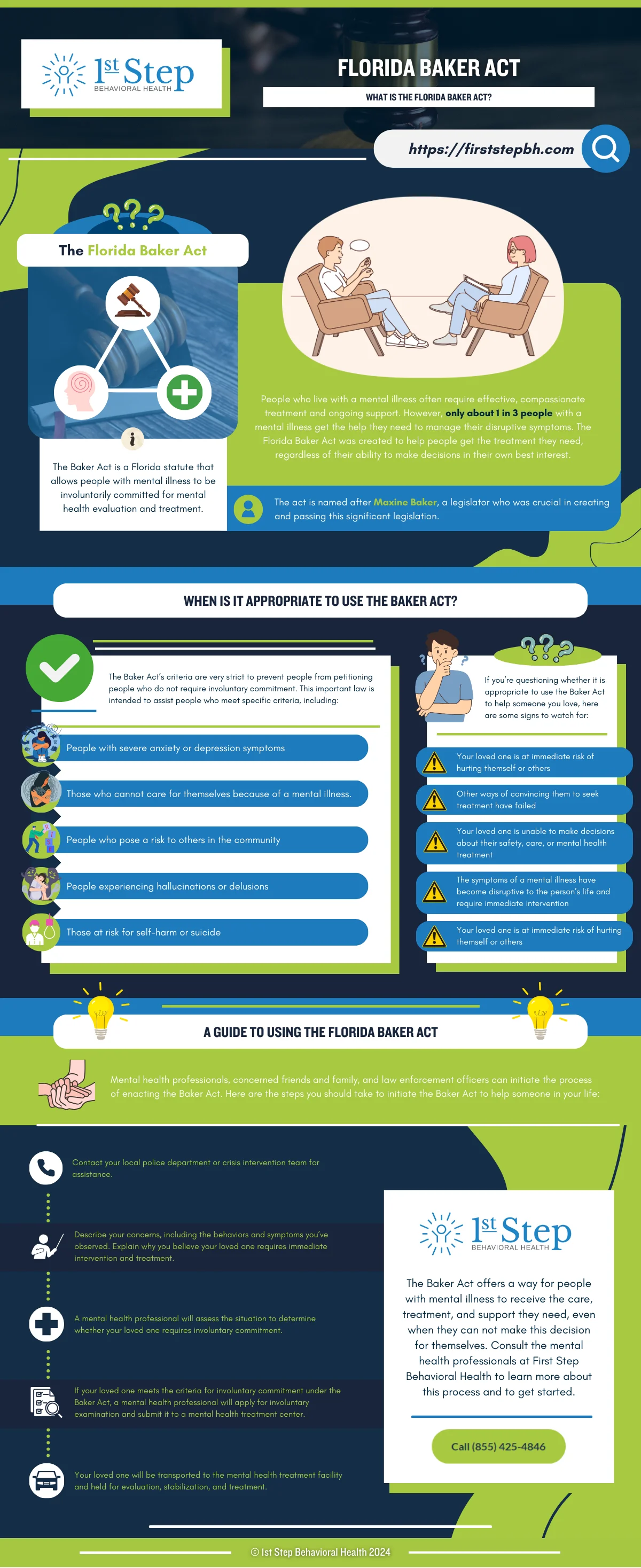
Understanding the Baker Act: A Critical Overview for Florida
The Baker Act is a foundational component of [Florida]’s public health and safety infrastructure. It is not an instrument for punitive action but rather a pathway to urgent care for individuals experiencing acute mental health crises. For those residing in or frequently visiting [Florida], particularly within the bustling tourism and hospitality industries, familiarity with such protocols can be invaluable for personal safety, community well-being, and responsible living.
What is the Baker Act?
Legally codified under [Florida Statutes] Chapter 394, the Baker Act allows for the involuntary examination of an individual suspected of having a mental illness. This examination can last up to 72 hours and is conducted at a designated mental health receiving facility. It is crucial to understand that a Baker Act is not a commitment to long-term treatment but rather a temporary measure to assess an individual’s mental state and determine if further care is needed. The primary goal is to stabilize individuals in crisis and connect them with appropriate mental health resources, preventing harm to themselves or others. This act is a critical safeguard for the diverse communities that make up [Florida], from its urban centers to its serene coastal towns.
The legislative intent behind the Baker Act is rooted in compassion and the recognition that individuals experiencing severe mental health episodes may not be capable of making sound decisions regarding their own care. It acts as a safety net, allowing trained professionals and authorities to intervene when an individual’s mental state poses an imminent threat. This approach reflects a broader commitment within [Florida] to public health and the welfare of its residents and millions of annual visitors, ensuring that even in moments of crisis, support systems are in place.
Why it Matters in the Sunshine State
In a state like [Florida], which boasts a rapidly growing population, a dynamic tourism industry, and a significant transient population, mental health challenges can affect anyone. From residents enjoying their [Florida] lifestyle to international travelers exploring its landmarks, mental health is a universal concern. Understanding the Baker Act is therefore pertinent for several reasons:
- Community Safety: It provides a legal framework to address situations where an individual’s mental state might pose a risk to themselves or others, contributing to the overall safety of communities from [Broward County] to [Pinellas County].
- Responsible Living: For residents, knowing the law empowers them to recognize signs of crisis in loved ones or neighbors and understand how to seek appropriate help, fostering a more supportive environment.
- Visitor Awareness: While less common for short-term tourists, visitors on extended stays or those considering relocation might encounter situations where mental health emergencies arise. Understanding local laws, including emergency mental health protocols, is part of being an informed guest in any destination.
- Support for Hospitality and Services: Professionals in hotels, resorts, and various tourism-related services may occasionally encounter individuals in distress. Knowledge of the Baker Act can guide them in responsibly seeking help, ensuring the safety of their guests and staff.
The presence of the Baker Act underscores [Florida]’s commitment to addressing mental health challenges proactively. It is a testament to the state’s efforts to balance individual liberties with the necessity of intervention during acute crises. This framework is particularly relevant in a state known for its vibrant events and attractions, where large gatherings and diverse populations necessitate robust public safety measures, including those related to mental well-being.
Criteria for Invocation: When Intervention Becomes Necessary
The Baker Act is not to be invoked lightly. Strict criteria must be met before an involuntary examination can occur, ensuring that individual rights are protected while providing necessary intervention. These criteria are designed to ensure that the process is used judiciously and only when an individual truly requires emergency mental health evaluation. Understanding these conditions is paramount for anyone seeking to understand the law’s application.
There are three essential criteria that must be simultaneously satisfied for an individual to be subjected to an involuntary examination under the Baker Act:
- Reason to Believe the Person Has a Mental Illness: This is the foundational criterion. It means there must be observable behaviors or credible reports that suggest the individual is suffering from a mental illness. It’s important to note that “mental illness” under the Baker Act refers to an impairment of the mental or emotional processes that significantly affects behavior, judgment, or perceptions, and does not include mental retardation, developmental disability, or organic brain syndrome unless it results in a mental illness.
- Due to Mental Illness, the Person Refuses Voluntary Examination OR is Unable to Determine if an Examination is Necessary: This criterion addresses the individual’s capacity for self-determination regarding their mental health care. If a person, because of their mental illness, is unwilling to seek help on their own, or if their judgment is so impaired that they cannot rationally decide whether an examination is necessary, then this criterion is met. This highlights the emergency nature of the Baker Act—it’s for when voluntary cooperation isn’t possible due to the illness itself.
- Without Care or Treatment, the Person is Likely to Suffer Neglect, Harm to Self or Others, or Inflict Harm on Self or Others: This is perhaps the most critical criterion, focusing on the imminent risk. It requires a clear demonstration that without immediate intervention, the individual is likely to:
- Suffer from neglect: This implies a severe inability to care for oneself (e.g., provide food, clothing, shelter) leading to serious physical injury or illness.
- Inflict serious bodily harm upon themselves: This includes suicidal ideation or attempts, severe self-mutilation, or other life-threatening self-injurious behaviors.
- Inflict serious bodily harm upon others: This involves threats or actions indicating a clear and present danger to other individuals.
It is the combination of these three conditions that triggers the lawful application of the Baker Act. The presence of a mental illness alone is not sufficient; there must also be an impairment in the ability to seek help voluntarily and a clear risk of harm.
Who Can Initiate a Baker Act?
The initiation of a Baker Act is a serious matter and is limited to specific authorized individuals and entities to prevent misuse:
- Law Enforcement Officers: Police officers, including local police in cities like [Miami] or [Orlando], and state agencies like the [Florida Highway Patrol], are often the first responders in crisis situations. They can initiate a Baker Act if they have personal observation or credible information that leads them to believe the criteria are met. Their role is primarily to ensure public safety and transport the individual to a designated facility.
- Physicians and Mental Health Professionals: Licensed physicians, clinical psychologists, psychiatric nurses, and other authorized mental health professionals who have examined the individual can also initiate a Baker Act. Their professional assessment provides a medical basis for the intervention.
- Court Orders: A judge can issue an ex parte order for an involuntary examination based on a sworn petition, supported by factual allegations, from a person who has observed the individual’s behavior. This provides a judicial oversight mechanism for initiation.
- Florida Department of Children and Families: While DCF doesn’t directly initiate Baker Acts in the same way law enforcement or clinicians do, they play a crucial oversight role in ensuring that facilities comply with Baker Act procedures and that individuals’ rights are protected.
The rigorous requirements for initiation underscore the seriousness of the Baker Act and [Florida]’s commitment to due process. It is a measure of last resort, intended for true emergencies where immediate professional intervention is deemed necessary for the individual’s safety and the safety of the community.
The Baker Act Process: Steps from Initiation to Resolution
Understanding the journey of an individual after a Baker Act has been initiated is crucial for anyone interested in the legal and procedural aspects of mental health intervention in [Florida]. The process is structured to ensure that individuals receive timely assessment and care while their rights are upheld throughout.
Initiation and Transport

Once the criteria for a Baker Act have been met and a decision is made to proceed, the first step is the secure transport of the individual to a designated mental health receiving facility. This transport is typically conducted by law enforcement, such as municipal police or the [Florida Highway Patrol], who are trained to handle such situations with sensitivity and safety. The facility must be licensed by the state and equipped to provide emergency psychiatric evaluation. It’s important to note that these facilities are not jails; they are medical settings designed for mental health assessment and crisis stabilization.
Upon arrival at the receiving facility, the individual is admitted for an involuntary examination. The facility staff, including doctors and mental health professionals, begin the process of evaluating the individual’s condition. The immediate focus is on ensuring the individual’s safety and stabilizing any acute symptoms they may be experiencing.
Involuntary Examination and Assessment
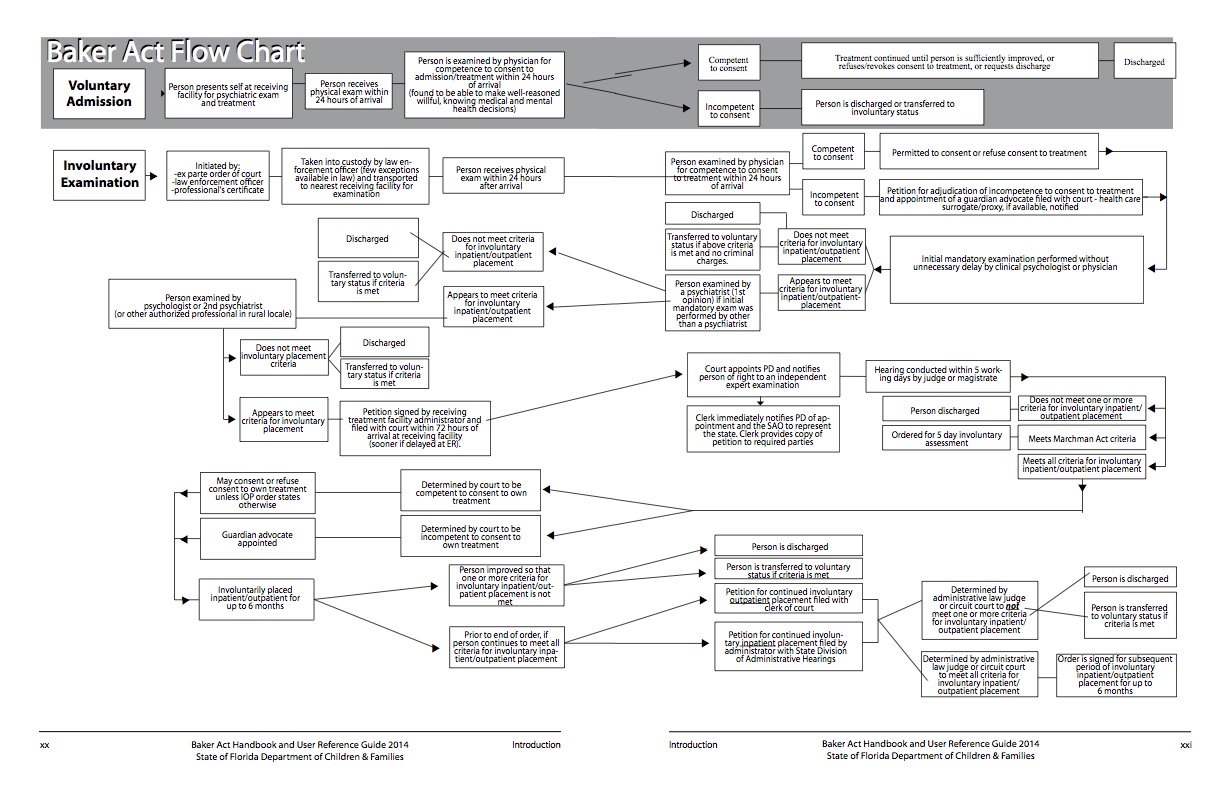
The core of the Baker Act process is the involuntary examination, which can last for up to 72 hours, excluding weekends and legal holidays. During this period, a comprehensive evaluation is conducted by qualified mental health professionals. This assessment includes:
- Psychiatric Evaluation: A psychiatrist or other mental health professional will assess the individual’s mental state, symptom presentation, and history.
- Medical Evaluation: A medical doctor will conduct a physical examination to rule out any underlying medical conditions that might be contributing to the behavioral symptoms.
- Social and Functional Assessment: This evaluates the individual’s ability to function in daily life, their social support systems, and any immediate risks they may pose to themselves or others.
Throughout this 72-hour period, the individual has specific rights, including the right to communicate with family and an attorney, and to receive information about the process. The purpose is not to force treatment but to determine the most appropriate course of action based on the professional assessment. The staff at these facilities, located across [Florida] in various counties, work diligently to provide a safe and therapeutic environment during this challenging time.
Potential Outcomes
At the conclusion of the 72-hour examination period, one of several outcomes will occur, depending on the findings of the professional assessment:
- Release: If the examining professionals determine that the individual no longer meets the criteria for involuntary inpatient treatment—meaning they are no longer a danger to themselves or others, and are capable of making decisions about their care—they will be released. They may be offered referrals for voluntary outpatient mental health services. This outcome emphasizes that the Baker Act is a temporary crisis intervention, not a long-term confinement.
- Voluntary Admission: The individual may, based on the insights gained during the examination and recommendations from the professionals, decide to voluntarily admit themselves for further inpatient mental health treatment. This transition from involuntary hold to voluntary admission is often seen as a positive step, indicating a willingness to engage in treatment.
- Petition for Involuntary Inpatient or Outpatient Placement: If the examining professionals determine that the individual still meets the criteria for involuntary placement (i.e., they continue to pose a significant risk of harm or severe self-neglect due to mental illness, and are unwilling or unable to seek voluntary treatment), the facility can petition a court for an order for involuntary inpatient or outpatient treatment. This initiates a judicial process where a judge reviews the evidence and determines if further involuntary treatment is legally justified. The individual has the right to legal representation and a hearing during this process.
This structured process ensures that individuals are not held indefinitely and that their situation is regularly reviewed by medical professionals and, if necessary, by the legal system. It underscores [Florida]’s commitment to balancing the need for immediate intervention with the protection of individual liberties within its diverse communities.
Navigating Rights and Resources: Support Systems in Florida
For individuals, their families, and concerned community members in [Florida], understanding both the rights afforded under the Baker Act and the available support resources is paramount. While the Act provides a critical safety net, it is also designed with robust protections for the individual. Awareness of these facets contributes to a more informed and empowered approach to mental health care within the [Florida] lifestyle.
Protecting Individual Rights
The Baker Act is not simply about involuntary examination; it is equally about safeguarding the rights of the individual undergoing that examination. [Florida] law ensures several critical protections:
- Right to Notification: The individual must be informed of the reasons for their involuntary examination and their rights.
- Right to Communication: They have the right to communicate with family members, attorneys, and other advocates, unless such communication poses a danger to themselves or others or interferes with the examination process.
- Right to Legal Counsel: Individuals have the right to legal counsel, and if they cannot afford one, a public defender or legal aid services across [Florida] will be appointed to represent them in any subsequent involuntary placement proceedings.
- Right to a Hearing: If the facility petitions for involuntary inpatient or outpatient placement, the individual has the right to a court hearing to challenge the petition.
- Right to an Independent Expert Examination: The individual has the right to request an independent mental health examination by a professional of their choice, at their own expense.
- Right to Review and Appeal: Any court order for involuntary placement can be reviewed and appealed through the judicial system.
These rights are fundamental to ensuring due process and preventing the arbitrary detention of individuals. The [Florida Department of Children and Families] plays a vital role in overseeing these protections and ensuring that facilities comply with the law. This emphasis on rights reflects a mature approach to mental health crises, acknowledging both the need for intervention and the importance of individual dignity.
Support and Advocacy
Beyond legal rights, a robust network of support and advocacy organizations exists across [Florida] to assist individuals and families affected by mental health issues, including those involved with the Baker Act. These resources are an integral part of the comprehensive lifestyle support available in the state:
- Crisis Hotlines: [Florida] operates numerous crisis hotlines available 24/7, providing immediate support and guidance for individuals in distress or for those concerned about a loved one. These services are often the first point of contact for many seeking help.
- National Alliance on Mental Illness (NAMI) Florida: NAMI Florida and its local chapters offer education, support groups, and advocacy for individuals and families impacted by mental illness. They can provide invaluable guidance on navigating the mental health system, including understanding the Baker Act.
- Mental Health America of Florida: This organization also works to promote mental health, prevent mental illness, and ensure access to quality care for all Floridians.
- Local Community Mental Health Centers: Every county in [Florida] has community mental health centers that offer a range of services, including crisis intervention, counseling, and case management. These centers are key pillars of mental health support in areas from bustling [Miami] to the more suburban environments around [Tampa].
- Patient Advocates: Designated patient advocates at mental health facilities help ensure that patients’ rights are protected and that they receive appropriate care.
These resources underscore that while the Baker Act is a legal intervention, it is part of a larger ecosystem designed to support mental well-being across the state. Understanding and utilizing these resources is a proactive step towards fostering a healthy and supportive community.
Proactive Mental Health and Community Engagement
For both residents and those enjoying extended stays in [Florida], a proactive approach to mental health is invaluable. Engaging with community resources and fostering open conversations about mental well-being contributes to a healthier collective lifestyle:
- Education and Awareness: Learning about mental health conditions and the signs of crisis can empower individuals to seek help early for themselves or others. Many organizations offer educational workshops and materials.
- Reducing Stigma: Openly discussing mental health challenges helps to reduce the stigma often associated with these conditions, encouraging more people to seek help without fear of judgment.
- Community Support Groups: Participating in support groups can provide a sense of community, shared experience, and practical coping strategies.
- Accessing Preventative Care: Just as one would manage physical health, preventative mental health care—such as therapy, stress management techniques, and healthy lifestyle choices—is crucial. Many [Florida] communities, from coastal retreats to vibrant cities, promote wellness initiatives.
The Baker Act serves as a vital emergency measure, but the ultimate goal for [Florida] communities is to foster environments where mental health is prioritized, understood, and supported through a combination of legal frameworks, readily available resources, and active community engagement. By understanding how to navigate these systems, residents and visitors alike can contribute to a safer, more compassionate [Sunshine State].
In conclusion, the Baker Act is a critical piece of legislation in [Florida] designed to provide emergency intervention for individuals in severe mental health crisis. While its invocation is a serious step, it is rooted in the intent to prevent harm and ensure access to necessary evaluations and care. For anyone living in or exploring the diverse offerings of [Florida], from its iconic landmarks to its welcoming hotels and vibrant lifestyle, understanding this law is an important aspect of being an informed and responsible member of the community. It reflects [Florida]’s commitment to the safety and well-being of all who call it home, whether temporarily or permanently.
LifeOutOfTheBox is a participant in the Amazon Services LLC Associates Program, an affiliate advertising program designed to provide a means for sites to earn advertising fees by advertising and linking to Amazon.com. Amazon, the Amazon logo, AmazonSupply, and the AmazonSupply logo are trademarks of Amazon.com, Inc. or its affiliates. As an Amazon Associate we earn affiliate commissions from qualifying purchases.