
New Mexico, often referred to as the “Land of Enchantment,” holds a distinct and captivating position within the United States. This state is far from the coastal bustle, nestling deep in the heart of the American Southwest, a region renowned for its vibrant cultural tapestry, dramatic landscapes, and profound historical significance. For travelers seeking unique destinations, rich cultural experiences, and unparalleled natural beauty, understanding New Mexico’s location is the first step toward uncovering its many wonders.
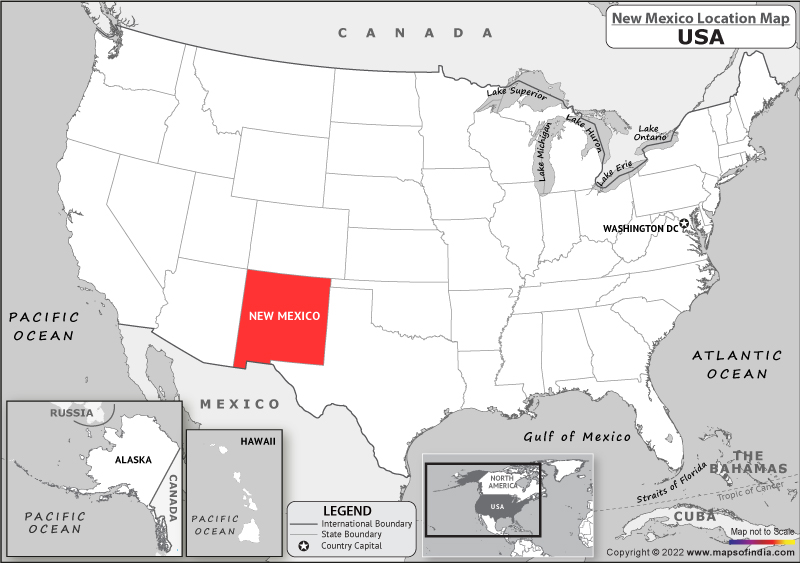
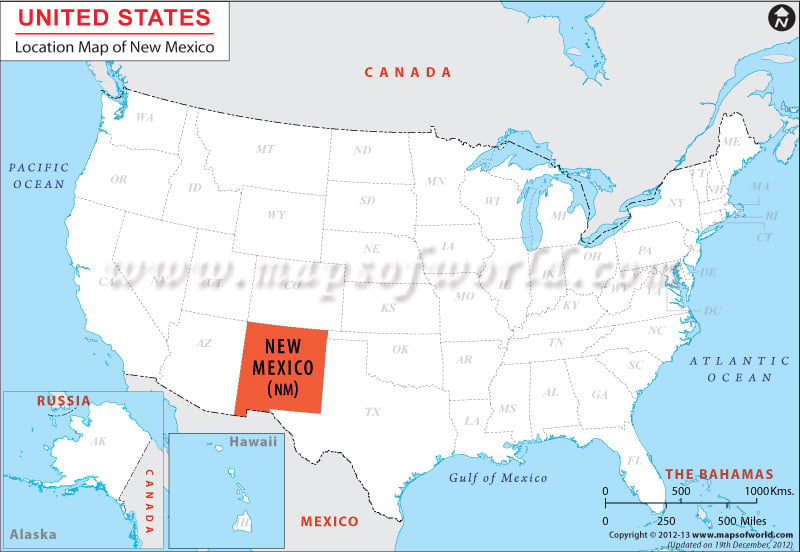
Geographically, New Mexico is positioned squarely in the southwestern quadrant of the U.S., sharing a significant international border with Mexico to its south. Domestically, it is bordered by Texas and Oklahoma to the east, Colorado to the north, Utah to the northwest, and Arizona to the west. This strategic location places it at a crossroads of diverse ecosystems and cultural influences, contributing to its distinct identity. It is a land where arid deserts meet snow-capped mountains, ancient Pueblo traditions intertwine with Spanish Conquistadors‘ legacies, and artistic communities flourish amidst serene, expansive vistas.
The Geographical Heart of the American Southwest
New Mexico’s geographic identity is central to its allure as a travel destination. It’s not just a place on a map; it’s a convergence of geological marvels and ecological diversity that defines the essence of the Southwest experience.
Pinpointing New Mexico on the Map
To truly locate New Mexico, one must visualize it as a roughly rectangular state occupying the core of the Southwest. Its capital, Santa Fe, holds the distinction of being the highest capital city in the United States by elevation, sitting at over 7,000 feet above sea level. The state’s largest city, Albuquerque, is situated along the Rio Grande river, a vital artery that flows through the heart of New Mexico from Colorado to the Gulf of Mexico.
The coordinates of New Mexico broadly span from approximately 31.3°N to 37°N latitude and 103°W to 109°W longitude. This wide latitudinal range contributes to its varied climate zones, from the higher, cooler elevations in the north to the warmer, more arid conditions in the south. Its position also means it’s part of the Mountain Time Zone, further solidifying its Western U.S. identity. Travelers planning visits should consider these geographical nuances, as they influence everything from local weather patterns to daylight hours, impacting the ideal timing for exploring its diverse attractions.
A Land of Diverse Borders and Landscapes
New Mexico’s borders enclose an astonishing array of landscapes, making it a microcosm of natural wonders. To the north, the state meets Colorado and the southern reaches of the majestic Rocky Mountains, giving rise to the Sangre de Cristo Mountains which offer superb skiing and hiking experiences. These towering peaks, often snow-capped well into spring, stand in stark contrast to the vast, open plains that stretch eastward into Texas and Oklahoma, representing the western edge of the Great Plains.
To the west, New Mexico shares a border with Arizona, a fellow Southwestern state known for its desert beauty. This western expanse of New Mexico is characterized by high deserts, volcanic mesas, and the start of the Colorado Plateau. A notable feature running through the western part of the state is the Continental Divide, marking the hydrological split where waters flow either to the Pacific or Atlantic oceans. Southward, the terrain gradually descends into the Chihuahuan Desert, an arid region extending into Mexico and Texas, home to unique desert flora and fauna, and some of the state’s most iconic natural landmarks. This incredible geological variety means that within a relatively short drive, visitors can transition from alpine forests to desert dunes, river valleys to volcanic craters, offering a comprehensive outdoor experience that caters to every type of adventurer.
A Tapestry of Culture and History
Beyond its remarkable geography, New Mexico’s identity is profoundly shaped by its layered history and diverse cultural heritage, making it a compelling destination for those interested in local culture, history, and unique experiences.
The Enchantment of Native American Heritage
The cultural soul of New Mexico is deeply rooted in its ancient Native American heritage, a living legacy that predates European arrival by millennia. The state is home to 19 distinct Pueblo communities, whose ancestors built sophisticated adobe villages and developed rich agricultural traditions. These communities, along with the vast Navajo Nation and several Apache tribes, maintain vibrant cultural practices, languages, and artistic expressions.
Visiting destinations like Taos Pueblo, a UNESCO World Heritage Site and one of the oldest continuously inhabited communities in the United States, offers an unparalleled glimpse into this enduring heritage. Here, travelers can witness traditional dances, purchase authentic pottery, jewelry, and textiles directly from artisans, and learn about the profound spiritual connection these communities have with the land. The presence of these sovereign nations enriches the state’s cultural landscape, providing unique opportunities for cultural immersion and appreciation that are central to New Mexico’s tourism appeal. Engaging with Pueblo culture offers an experience far beyond typical sightseeing, touching on the heart of the state’s identity.
Spanish Colonial Roots and Artistic Flair
Another significant layer of New Mexico’s cultural tapestry is its deep Spanish colonial past. Spanish Conquistadors arrived in the region in the late 16th century, establishing settlements and missions that have left an indelible mark on the architecture, language, cuisine, and traditions of the state. Santa Fe, founded in 1610, is the oldest capital city in the United States and exemplifies this legacy with its distinctive adobe buildings, historic plazas, and numerous Catholic churches.
The blending of Native American and Spanish influences has fostered a unique artistic environment. Santa Fe and Taos are renowned art colonies, attracting artists from around the world. The Georgia O’Keeffe Museum in Santa Fe celebrates the artist who captured the essence of the New Mexico landscape, while Canyon Road offers a mile-long stretch of art galleries and studios. This vibrant arts scene, coupled with a distinct Southwest cuisine — famous for its green and red chile — offers a sensory feast for travelers. From historic landmarks like the Palace of the Governors on the Santa Fe Plaza to contemporary art installations, New Mexico’s cultural depth provides endless opportunities for exploration and enlightenment, firmly establishing it as a top destination for those seeking genuine cultural immersion.
Exploring New Mexico’s Iconic Destinations and Natural Wonders
New Mexico’s diverse landscape and rich history translate into an impressive array of attractions, from bustling cities steeped in tradition to serene national parks offering breathtaking outdoor adventures. This section delves into the must-visit destinations and natural landmarks that define the travel experience in the “Land of Enchantment.”
Must-Visit Cities and Their Charms
Each major city in New Mexico offers a unique flavor and a wealth of attractions for visitors.
-
Santa Fe: As the state capital, Santa Fe is a cultural jewel. Its historic core revolves around the Santa Fe Plaza, a hub for Native American artisans selling their crafts. Nearby, the Palace of the Governors stands as the oldest continually occupied public building in the United States, offering a tangible link to its Spanish past. Art lovers flock to Canyon Road, a historic lane lined with galleries, and the Georgia O’Keeffe Museum dedicated to the iconic artist. The city’s unique blend of cultures, historic architecture, and world-class dining makes it a premier travel destination, embodying a luxury lifestyle experience while remaining deeply connected to its roots.
-
Albuquerque: New Mexico’s largest city, Albuquerque, offers a dynamic mix of urban amenities and outdoor adventures. The historic Old Town Albuquerque district charms visitors with its adobe buildings, shops, and restaurants, reflecting the city’s Spanish colonial heritage. For nature enthusiasts, the Sandia Mountains provide a stunning backdrop, accessible via the Sandia Peak Tramway, which offers panoramic views. The city is also famous for the International Balloon Fiesta held every October, a breathtaking spectacle that draws thousands of visitors globally. Other attractions include the Petroglyph National Monument and the ABQ BioPark, making it a fantastic spot for family trips.
-
Taos: Nestled in the Sangre de Cristo Mountains, Taos is a hub for art, culture, and outdoor recreation. It’s home to the ancient Taos Pueblo, a UNESCO World Heritage Site, and a vibrant arts community that has attracted painters and writers for over a century. The dramatic landscape surrounding Taos offers opportunities for skiing at Taos Ski Valley, hiking, and white-water rafting on the Rio Grande. Taos blends spiritual tranquility with adventurous spirit, perfect for those seeking unique experiences and artistic inspiration.
Other notable cities include Las Cruces in the south, near the Organ Mountains-Desert Peaks National Monument, and Roswell, famous for its UFO mythology, adding a quirky dimension to New Mexico’s diverse profile.
Unforgettable Natural Landmarks and Outdoor Adventures
New Mexico’s natural beauty is undeniable, offering countless opportunities for outdoor activities and breathtaking sightseeing.
-
White Sands National Park: Located in the Chihuahuan Desert, this park is a truly surreal landscape of shimmering white gypsum dunes, creating an otherworldly experience. Visitors can sled down the dunes, hike, or simply marvel at the stark beauty, making it a famous place for photographers and nature lovers alike.
-
Carlsbad Caverns National Park: Deep beneath the Chihuahuan Desert lies a colossal network of over 119 limestone caves. Carlsbad Caverns National Park offers stunning formations, vast chambers like the “Big Room,” and the famous nightly bat flight emergence, providing a fascinating look into subterranean nature.
-
Bandelier National Monument: Near Los Alamos, this monument preserves ancestral Pueblo dwellings carved into volcanic tuff cliffs and ancient Pueblo structures in the canyon bottom. Hiking trails allow visitors to explore these historical sites, offering a profound connection to the region’s past inhabitants and their architectural ingenuity.
-
Gila Cliff Dwellings National Monument: Tucked away in the rugged Gila Wilderness, these well-preserved dwellings built by the Mogollon people over 700 years ago offer another compelling glimpse into ancient cultures. The challenging journey to reach them is part of the adventure, ideal for experienced hikers seeking a blend of history and nature.
Beyond these national treasures, New Mexico boasts numerous state parks, forests, and wilderness areas, providing endless opportunities for hiking, mountain biking, fishing, and rock climbing. The Rio Grande offers rafting and kayaking, while the high desert offers stargazing experiences second to none. For those who appreciate nature and history, New Mexico is an unparalleled outdoor playground.
Planning Your Journey: Accommodation, Lifestyle, and Travel Tips
Embarking on a journey to New Mexico requires thoughtful planning to maximize the experience. From finding the perfect place to stay to understanding the local way of life, careful consideration ensures a seamless and memorable trip to the “Land of Enchantment.”
Finding Your Perfect Stay in the Land of Enchantment
New Mexico’s unique charm extends to its accommodation options, catering to every budget and travel style, from luxury resorts to cozy boutique stays.
-
Hotels & Resorts: In cities like Santa Fe and Albuquerque, visitors will find a wide range of hotels, from international chains offering standard amenities to historic hotels that embody the local aesthetic. Many luxury travel options feature beautiful Southwest architecture, spas, and gourmet dining. For instance, the Inn and Spa at Loretto in Santa Fe offers a unique stay with its distinctive adobe style, while the Hotel Albuquerque at Old Town provides a luxurious experience steeped in local history. For those seeking relaxation, resorts like Ojo Caliente Mineral Springs Resort & Spa offer therapeutic hot springs and a serene environment.
-
Boutique Stays & Inns: For a more personalized experience, New Mexico excels in boutique hotels and charming bed-and-breakfasts. These often feature local art, personalized service, and a deep connection to the community, offering a more intimate glimpse into the local culture. Many are housed in historic buildings, providing an authentic atmosphere.
-
Vacation Rentals & Apartments: For families, long-term stays, or those who prefer self-catering, apartments and villas are readily available, especially in popular tourist destinations. Websites offering booking and comparison services can help travelers find the ideal rental that suits their needs, whether it’s a modern apartment in Albuquerque or a cozy casita in Taos. This option often provides more space and flexibility, appealing to various lifestyle preferences.
-
Budget Travel Options: Travelers on a budget will find numerous motels, hostels, and campgrounds throughout the state, particularly near national parks and along historic routes like sections of Route 66. Reviews and comparisons are invaluable for ensuring quality and value when exploring these options. Whether you’re planning a luxurious honeymoon, a budget-friendly solo adventure, or a memorable family trip, New Mexico’s accommodation landscape offers diverse choices for every type of traveler.
Navigating New Mexico: Practical Travel Advice
To ensure a smooth and enjoyable trip, travelers should keep a few practical considerations in mind.
-
Best Time to Visit: The shoulder seasons (spring and fall) generally offer the most pleasant weather for exploring New Mexico’s diverse landscapes and cultural activities. Spring brings wildflowers and comfortable temperatures, while fall boasts vibrant foliage and numerous festivals, including the famous International Balloon Fiesta in October. Summers can be hot, especially in the southern desert regions, but the higher elevations remain pleasant. Winters offer excellent skiing opportunities in the northern mountains.
-
Transportation: A rental car is highly recommended for exploring New Mexico, as public transportation outside of major cities is limited. The state’s vast distances and scenic drives are best enjoyed with the freedom of your own vehicle. Albuquerque International Sunport (ABQ) is the primary airport, offering connections to major U.S. cities.
-
Altitude Sickness: Given New Mexico’s high elevations, especially in Santa Fe and Taos, visitors should be aware of the potential for altitude sickness. Staying hydrated, avoiding strenuous activity on the first day, and limiting alcohol consumption can help mitigate symptoms.
-
Packing Essentials: Depending on the season and activities planned, layers are key. Sun protection (hat, sunscreen, sunglasses) is essential year-round due to the strong high-desert sun. Comfortable hiking shoes are a must for exploring national parks and historic sites.
-
Local Etiquette & Food: Embrace the local culture by trying the distinct Southwest cuisine, particularly dishes featuring New Mexico’s famous green and red chile – don’t forget to answer “red or green?” when asked! Respect local traditions, especially when visiting Pueblo communities; photography rules may apply. A little research into local customs and events can greatly enhance your travel experiences and interactions.
Why New Mexico Should Be Your Next Travel Destination
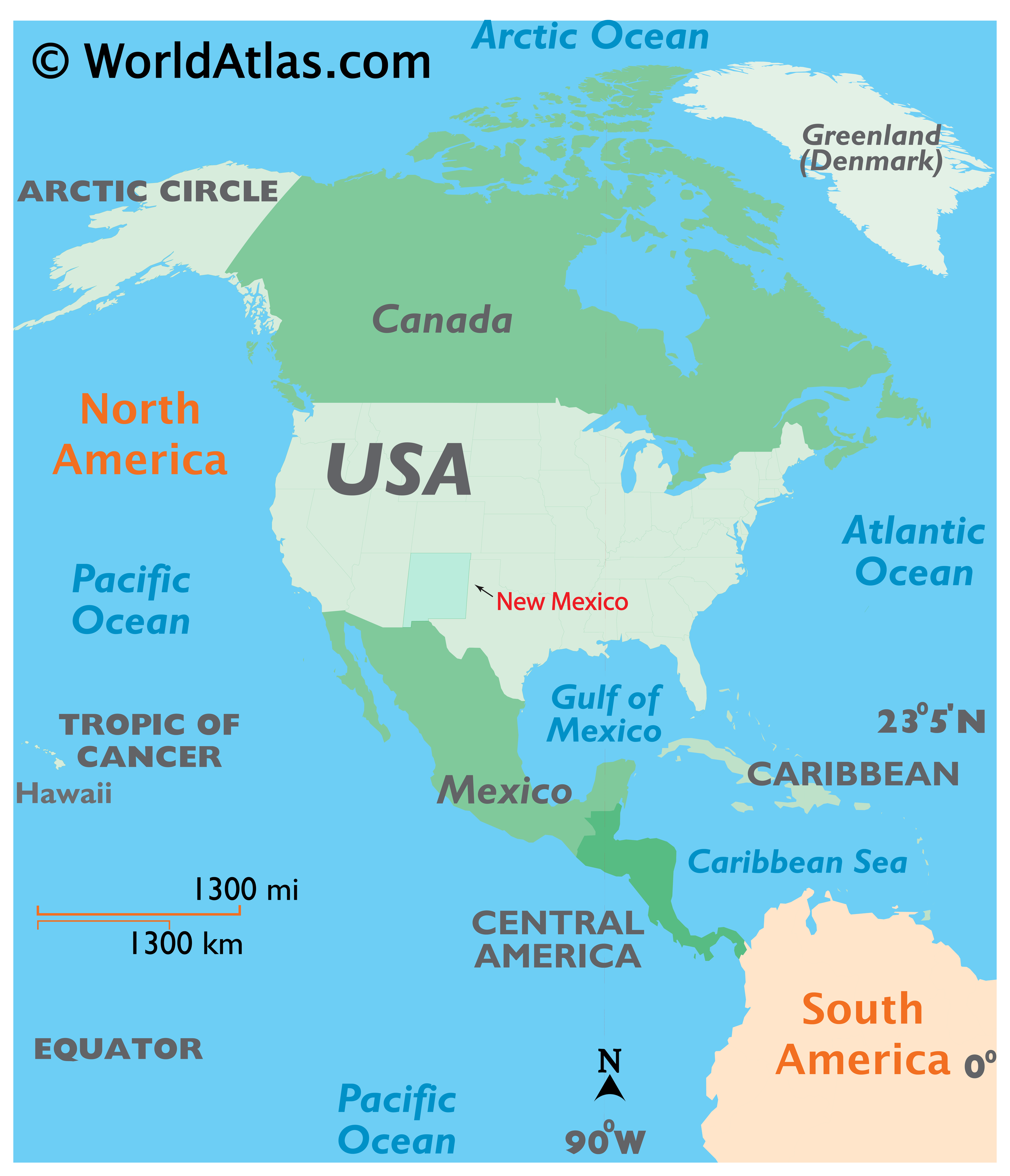
In conclusion, New Mexico’s location in the southwestern United States is more than just a geographic coordinate; it’s the genesis of a unique and vibrant travel destination. This “Land of Enchantment” offers a rich tapestry woven from dramatic natural landscapes, profound historical narratives, and a thriving blend of Native American, Spanish, and Anglo cultures.
From the shimmering white dunes of White Sands National Park and the subterranean wonders of Carlsbad Caverns National Park to the historic plazas of Santa Fe and Albuquerque, New Mexico presents an unparalleled array of attractions and experiences. Whether you’re seeking adventurous outdoor activities like hiking in the Sangre de Cristo Mountains and exploring ancient Pueblo cliff dwellings at Bandelier National Monument, or immersing yourself in the flourishing arts scene and distinct Southwest cuisine, this state promises a journey unlike any other.
The diverse range of accommodations, from luxury resorts to charming historic inns, ensures a comfortable stay for every type of traveler, whether planning a family trip, a romantic getaway, or a business stay. With practical travel guides and tips in hand, navigating its breathtaking vistas and engaging with its warm, welcoming communities becomes an effortless adventure. New Mexico is not just a place to visit; it’s a destination to experience, to feel, and to carry with you long after you’ve departed its enchanting borders. It truly stands as one of the United States’ most compelling and memorable travel destinations.
LifeOutOfTheBox is a participant in the Amazon Services LLC Associates Program, an affiliate advertising program designed to provide a means for sites to earn advertising fees by advertising and linking to Amazon.com. Amazon, the Amazon logo, AmazonSupply, and the AmazonSupply logo are trademarks of Amazon.com, Inc. or its affiliates. As an Amazon Associate we earn affiliate commissions from qualifying purchases.