
The question “Where is New York on the map of the USA?” might seem straightforward, yet it opens a gateway to understanding the geographical significance and vast regional identity of one of the most iconic states in the United States. Far beyond simply locating it, grasping its position on the national map is crucial for appreciating its historical influence, economic power, and its role as a hub for travel, tourism, and distinct lifestyles. To truly understand New York, we must explore its coordinates, its neighboring territories, and how these relationships shape its unique character within the broader American narrative.
Northeast Nexus: Geographical Anchors and Coastal Embrace
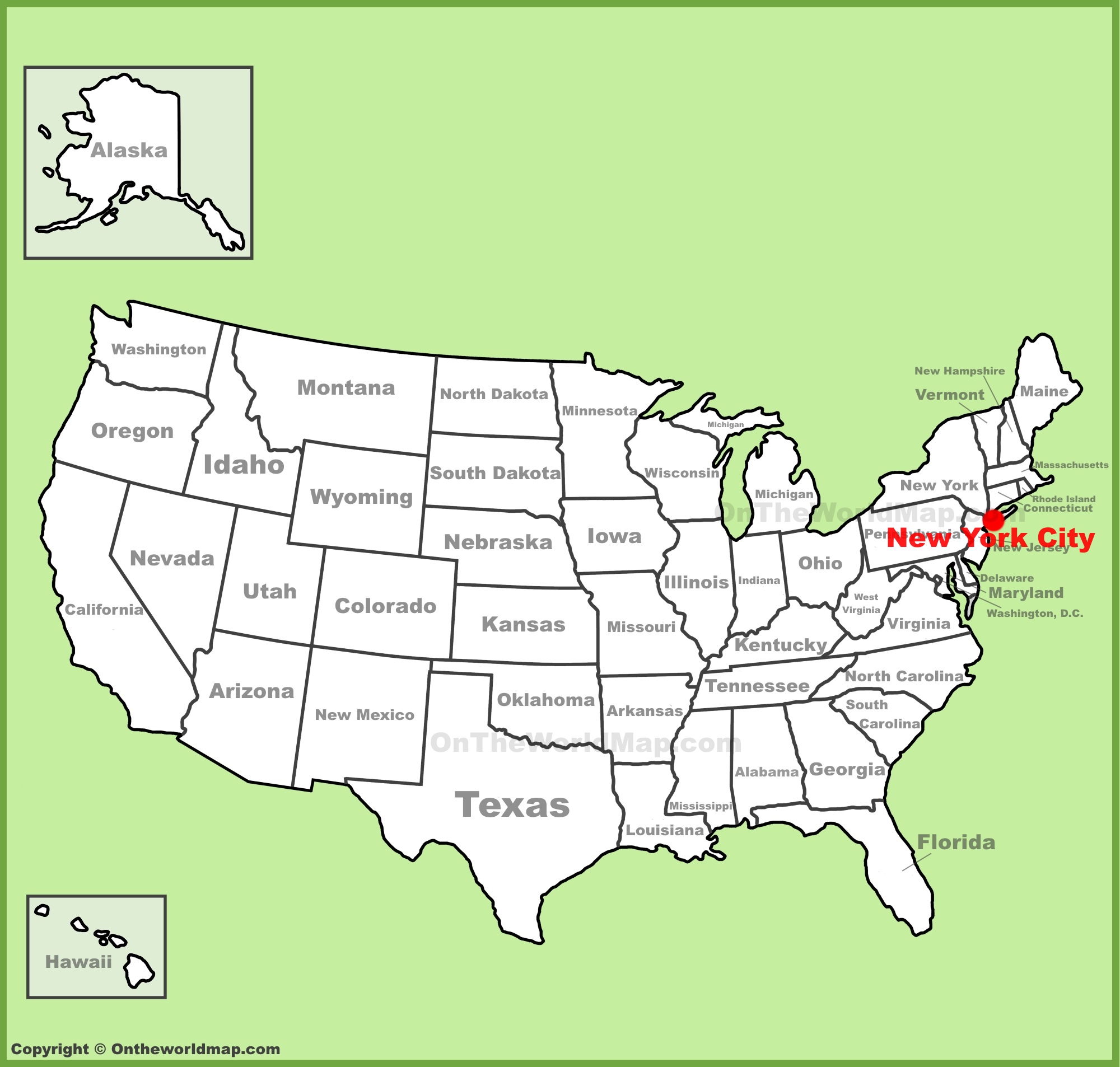
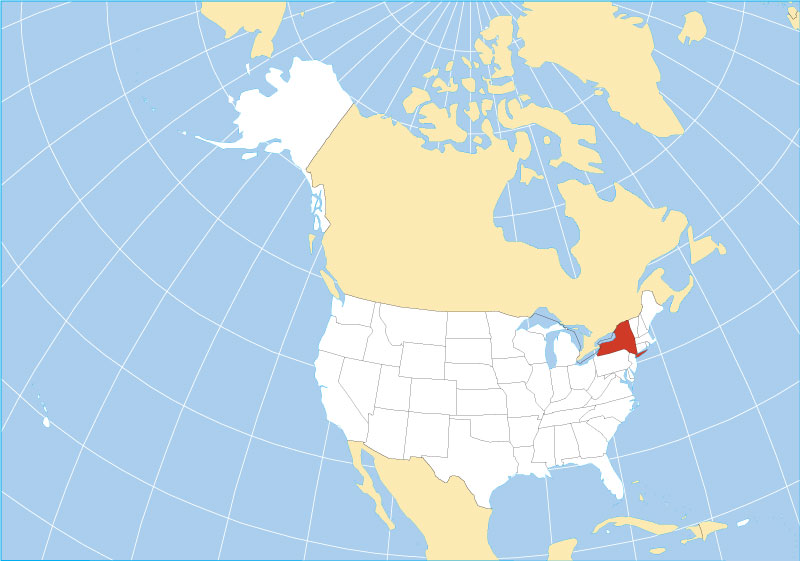
New York’s geographical placement is fundamental to its identity. Situated in the northeastern region of the United States, it acts as a vital nexus, connecting the industrial heartland with the Atlantic coast. This strategic positioning has historically fostered trade, migration, and cultural exchange, making it a dynamic crossroads from its very inception.
Latitude, Longitude, and the Northeastern Quadrant
At its core, New York resides within the temperate latitudes of the Northern Hemisphere. Its geographical coordinates place it between approximately 40.5° and 45° North latitude and 71.8° and 79.7° West longitude. This range encompasses diverse landscapes, from the bustling metropolis of New York City in the south to the more rugged, mountainous terrains of the Adirondack region in the north. Being part of the northeastern quadrant means New York experiences distinct seasons, including cold, snowy winters and warm, humid summers, influencing everything from its natural beauty to its cultural traditions and travel opportunities. Its proximity to the Atlantic Ocean significantly impacts its climate and economic activities, particularly maritime trade and tourism.
Bordering Territories: A Web of Interconnectedness
Understanding New York’s position is incomplete without acknowledging its neighbors. To its north, New York shares a significant border with Canada, specifically the provinces of Ontario and Quebec. This international boundary facilitates trade and cultural exchange, particularly around the Great Lakes region and the Adirondack Mountains. To its east, New York is bordered by Vermont, Massachusetts, and Connecticut. These states share a similar cultural heritage and are often considered part of the broader New England region, with which New York has strong economic and social ties. To its south, New York shares borders with New Jersey and Pennsylvania. The border with New Jersey is largely defined by the Hudson River and the metropolitan area of New York City, creating a massive, interconnected urban sprawl that is a powerhouse of commerce and tourism. The border with Pennsylvania encompasses a mix of rural and industrial landscapes. To its west, New York also borders Lake Erie and Lake Ontario, part of the Great Lakes system, which are vital for transportation, industry, and recreation, further solidifying New York’s role as a key player in regional and national economies.
The Empire State’s Diverse Topography: From Urban Sprawl to Wilderness
The state of New York is not a monolithic entity; its topographical diversity is as varied as its population. From the iconic skylines of New York City to the serene beauty of the Adirondack Mountains, its landscape plays a crucial role in shaping travel experiences and local lifestyles.
The Metropolitan Hub: New York City and its Environs
At the southeastern tip of New York lies New York City, a global epicenter for finance, culture, fashion, and tourism. This vibrant metropolis, comprised of five boroughs – Manhattan, Brooklyn, Queens, the Bronx, and Staten Island – is a world-renowned destination for its iconic landmarks, vibrant arts scene, diverse culinary offerings, and endless entertainment possibilities. Its position as a major port and international gateway makes it a prime entry point for visitors arriving in the United States, significantly impacting the nation’s tourism industry. The surrounding metropolitan area, extending into New Jersey and Connecticut, forms one of the most densely populated regions in the United States, driving significant economic activity and presenting unique lifestyle considerations. For any visitor exploring the map of the USA, New York City is an indispensable point of reference, a beacon of American dynamism.
Upstate’s Majesty: Mountains, Lakes, and Rural Charm
Beyond the urban intensity of New York City, “Upstate New York” unfolds, revealing a vastly different yet equally captivating side of the state. This vast region is characterized by its natural beauty and diverse geography, offering a wealth of opportunities for travel and outdoor activities.

The Adirondack Mountains: A Wilderness Playground
To the north, the majestic Adirondack Mountains form a sprawling wilderness preserve, larger than many national parks in the United States. This region is a haven for outdoor enthusiasts, offering hiking, camping, skiing, and boating across its numerous lakes and peaks. Lake Placid, famous for hosting two Winter Olympic Games, is a prominent destination within the Adirondacks, attracting visitors year-round. The sheer scale and preserved nature of the Adirondacks showcase a side of New York often overlooked by those focused solely on its urban prowess, highlighting the state’s remarkable lifestyle diversity.
The Finger Lakes: Wine, Water, and Serenity
Further west, the Finger Lakes region captivates with its eleven long, narrow glacial lakes. This area is renowned for its burgeoning wine industry, with numerous vineyards producing world-class Rieslings and other varietals. The lakes themselves provide opportunities for sailing, fishing, and scenic drives, offering a more tranquil travel experience compared to the state’s bustling southern regions. Towns like Ithaca, home to Cornell University and Ithaca College, add a vibrant academic and cultural dimension to this picturesque landscape.
The Great Lakes Shoreline: Industrial Heritage and Natural Beauty
New York also boasts a significant coastline along Lake Erie and Lake Ontario. This region, historically important for industry and transportation, now blends its industrial heritage with natural beauty. Cities like Buffalo and Rochester are undergoing revitalization, offering historical architecture, cultural attractions, and access to the natural wonders of the Great Lakes. This proximity to freshwater resources significantly influences the lifestyle and economy of these communities.
New York’s Significance on the National Canvas: A Pillar of American Identity
The question of New York’s placement on the map of the USA transcends mere cartography. Its geographical advantages, coupled with its historical and cultural contributions, have cemented its status as a cornerstone of American identity, profoundly influencing travel, tourism, and the national lifestyle.
Economic Powerhouse: A Hub of Commerce and Innovation
New York’s strategic location in the Northeast, its access to major waterways like the Hudson River and the Great Lakes, and its role as a gateway to international trade have historically positioned it as an economic powerhouse. New York City, in particular, remains a global financial capital, with Wall Street being synonymous with international finance. This economic might not only drives national prosperity but also attracts significant business travel and investment. Beyond finance, the state’s diverse economy encompasses technology, media, manufacturing, and agriculture, each contributing to its robust economic profile and influencing the lifestyle of its residents and visitors alike.
Cultural Melting Pot and Tourism Magnet
As a primary port of entry for centuries, New York has long been a destination for immigrants from around the globe, fostering an unparalleled cultural diversity. This rich tapestry of traditions is evident in its cuisine, arts, music, and festivals, making it a vibrant and dynamic cultural landscape. New York City is arguably the world’s leading destination for tourism, drawing millions of visitors annually to its iconic landmarks like the Statue of Liberty, Times Square, Central Park, and world-class museums such as the Metropolitan Museum of Art and the Museum of Modern Art. Upstate regions, with their natural beauty and historical significance, also attract a steady stream of tourists seeking outdoor adventures, wine tours, and a glimpse into America’s past. This constant influx of visitors not only fuels the state’s economy but also shapes its infrastructure, hospitality industry, and the overall lifestyle of its communities.
A Defining American Experience: Shaping Narratives and Lifestyles
The very name “New York” evokes powerful imagery and a distinct sense of the American dream. Its cultural influence extends far beyond its borders, shaping fashion, entertainment, and popular culture globally. The state offers a spectrum of lifestyles, from the fast-paced, ambitious urban existence to the more serene, nature-connected life found in its upstate regions. Whether one is seeking the thrill of the big city, the tranquility of the mountains, or the charm of a lakeside town, New York provides a comprehensive slice of the American experience. Its prominent position on the map of the USA is not just a geographical fact; it is a testament to its enduring significance in shaping the nation’s economy, culture, and identity, making it an essential destination for anyone seeking to understand the heart of America.
LifeOutOfTheBox is a participant in the Amazon Services LLC Associates Program, an affiliate advertising program designed to provide a means for sites to earn advertising fees by advertising and linking to Amazon.com. Amazon, the Amazon logo, AmazonSupply, and the AmazonSupply logo are trademarks of Amazon.com, Inc. or its affiliates. As an Amazon Associate we earn affiliate commissions from qualifying purchases.