
Embarking on a journey from the bustling streets of New York to the dazzling desert oasis of Las Vegas promises an exciting escape. Whether you’re planning a spontaneous weekend getaway, a much-anticipated family vacation, or a crucial business trip, understanding the duration of your flight is paramount for efficient travel planning. While the allure of Las Vegas’ vibrant nightlife, world-class entertainment, and luxurious resorts beckons, the practicalities of getting there from the East Coast involve a transcontinental flight across the United States.
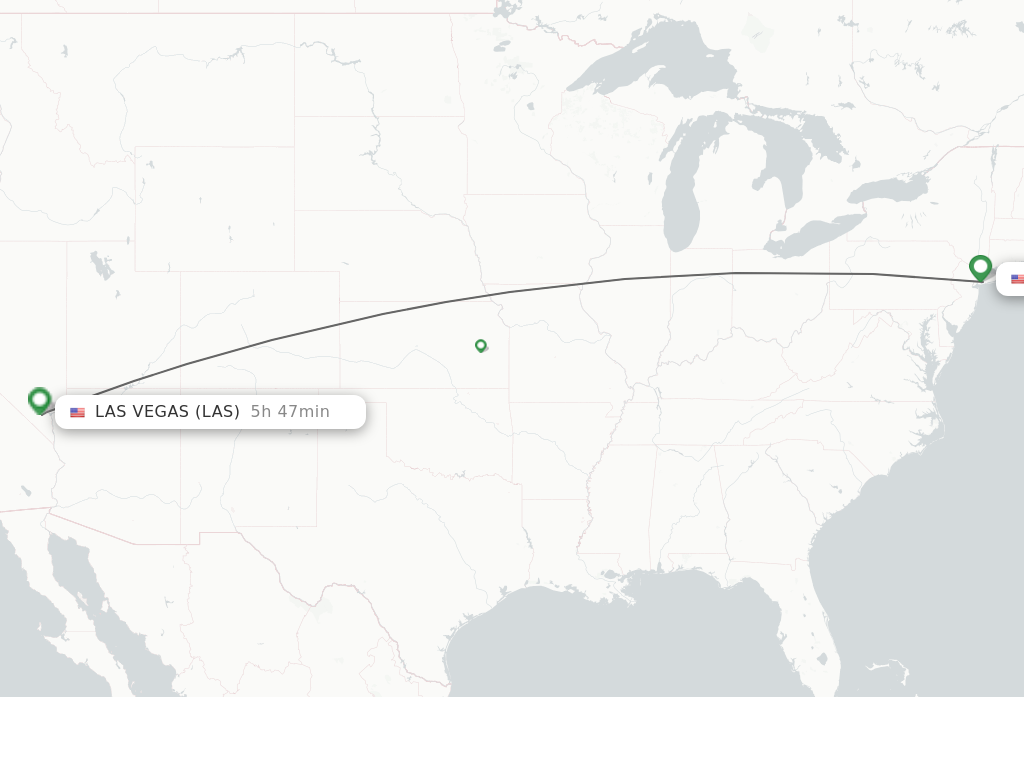
Generally, a direct flight from the New York City metropolitan area to Las Vegas typically ranges from 5 hours to 5 hours and 45 minutes. This timeframe, however, is merely an average, and several factors can influence the exact duration of your aerial adventure. From the specific departure and arrival airports to the type of aircraft, prevailing weather conditions, and even the direction of winds, each element plays a role in determining how quickly you’ll touch down in the “Entertainment Capital of the World.” For those opting for connecting flights, the travel time can extend significantly, turning a relatively swift journey into an all-day affair. This comprehensive guide will delve into all aspects of flying from New York to Las Vegas, helping you plan your trip with precision and ensuring a smooth transition from takeoff to touchdown.
Understanding Flight Duration: Factors at Play
The seemingly straightforward question of flight duration is, in reality, quite complex, influenced by a dynamic interplay of factors. While a direct route might suggest a fixed time, the reality of commercial aviation means that no two flights are ever exactly alike. Understanding these variables can help travelers better anticipate their journey and make informed decisions when booking.
Non-stop vs. Connecting Flights
The most significant differentiator in flight time is whether you choose a non-stop or a connecting flight.
- Non-stop flights offer the quickest route, flying directly from your departure airport to Harry Reid International Airport (LAS) in Las Vegas without any intermediate stops. These are highly sought after for their convenience and efficiency, minimizing travel time and reducing the chances of delays associated with layovers.
- Connecting flights, on the other hand, involve one or more stops at an intermediate airport. While often more budget-friendly, they significantly extend the overall travel time. A typical connecting flight can range from 7 to 12 hours or even longer, depending on the layover city and the duration of the stop. The added time spent deplaning, navigating through another airport, and waiting for the next leg of your journey must be factored into your travel plans, especially if you have tight schedules or prefer a quicker arrival.
Aircraft Type and Air Speed
The type of aircraft employed for your journey also contributes to the flight duration. Modern commercial airliners are designed for efficiency and speed, but variations exist.
- Narrow-body jets like the Boeing 737 or Airbus A320 are commonly used for domestic routes, including the New York to Las Vegas corridor. These aircraft typically cruise at speeds of around 500-550 miles per hour (800-885 km/h).
- Larger wide-body jets, such as the Boeing 787 Dreamliner or Airbus A330, while less common on this specific route, can also operate at similar or slightly higher cruising speeds. The efficiency and range of the aircraft determine optimal cruising altitudes and speeds, which can subtly affect the total time aloft. Airlines select aircraft based on demand, route length, and operational efficiency, aiming to balance speed with fuel consumption and passenger capacity.
Weather Conditions and Air Traffic Control
Weather is an unpredictable yet powerful determinant of flight duration.
- Headwinds, particularly strong westerly winds across the Continental United States, can significantly slow down an eastbound flight and, conversely, speed up a westbound flight. When flying from New York (east) to Las Vegas (west), pilots often contend with headwinds, which can add anywhere from 15 minutes to an hour to the flight time.
- Tailwinds, occurring when the wind blows in the same direction as the aircraft, can reduce flight times. While less common on this westbound route, strong tailwinds can occasionally provide a boost.
- Beyond wind, other atmospheric conditions like thunderstorms, turbulence, or fog can necessitate deviations from the planned flight path, leading to longer routes or holding patterns around airports.
- Air Traffic Control (ATC) also plays a crucial role. Busy airspaces, particularly around major hubs like New York and Las Vegas, can lead to delays on the tarmac before takeoff or in the air before landing, adding minutes to the overall travel time. ATC prioritizes safety and manages the flow of thousands of flights daily, sometimes requiring aircraft to take slightly longer routes or hold at lower altitudes to maintain separation.
Direct Flights from New York to Las Vegas
For those seeking the fastest way to get from the East Coast to the Mojave Desert, direct flights are the preferred option. The New York City metropolitan area is serviced by three major international airports, offering numerous choices for departure.
Major Airports in New York
Travelers departing from New York have three primary airports to choose from, each with its own advantages in terms of location and airline services:
- John F. Kennedy International Airport (JFK): Located in Queens, New York, JFK is a major international gateway and offers a wide array of domestic flights to Las Vegas. It’s a hub for Delta Air Lines and American Airlines, among others.
- Newark Liberty International Airport (EWR): Situated in Newark, New Jersey, EWR serves the New York City area and is a major hub for United Airlines. It provides numerous direct flights to Las Vegas, often preferred by travelers coming from New Jersey or parts of Manhattan.
- LaGuardia Airport (LGA): Also in Queens, New York, LGA primarily handles domestic flights and is a hub for Delta Air Lines and American Airlines. While historically having fewer direct transcontinental flights due to perimeter rules, recent modernizations and airline strategies have increased its offerings, making it another viable option for some Las Vegas-bound travelers.
Major Airport in Las Vegas
All commercial flights into Las Vegas arrive at Harry Reid International Airport (LAS), formerly known as McCarran International Airport. Located just a few miles south of the famous Las Vegas Strip, LAS is incredibly convenient for accessing the city’s main attractions. It’s one of the busiest airports in the United States and serves as a major hub for Southwest Airlines and Allegiant Air, alongside significant operations from other major carriers. Its proximity to hotels and resorts minimizes ground transportation time, getting you to your destination quickly after landing.
Typical Flight Times and Airlines
Direct flights from New York to Las Vegas generally fall within the 5-hour to 5-hour-45-minute range. This variation accounts for factors like specific flight paths, cruising altitudes, and the aforementioned headwinds.
Airlines frequently offering non-stop services on this popular route include:
- American Airlines (from JFK and LGA)
- Delta Air Lines (from JFK and LGA)
- United Airlines (from EWR)
- JetBlue Airways (from JFK)
- Southwest Airlines (from LGA and EWR)
- Spirit Airlines and Frontier Airlines (from various NYC airports, offering budget-friendly options)
When booking, it’s always advisable to check the specific flight time for your chosen airline and departure airport, as schedules can fluctuate.
Navigating Layovers and Connecting Flights
While direct flights are convenient, connecting flights can offer significant savings, making them an attractive option for budget-conscious travelers or those with flexible schedules. However, they demand careful planning to minimize stress and maximize efficiency.
Common Layover Cities
Flights from New York to Las Vegas with a single stop often route through major airline hubs in the central or southern United States. Some of the most common layover cities include:
- Chicago (ORD or MDW): A central hub for both United and American Airlines, offering numerous connections.
- Dallas/Fort Worth (DFW) or Houston (IAH or HOU): Major hubs for American Airlines and United Airlines, respectively, providing a gateway to the southwest.
- Denver (DEN): A growing hub for United Airlines and Southwest Airlines, strategically located in the Rocky Mountain region.
- Atlanta (ATL): While slightly out of the direct path for westbound flights, Hartsfield-Jackson Atlanta International Airport is the world’s busiest airport and a Delta Air Lines superhub, sometimes offering competitive connections.
- Phoenix (PHX): Often a convenient stop for flights heading further west, especially with American Airlines and Southwest Airlines.
- Charlotte (CLT): A hub for American Airlines on the East Coast, offering connections further west.
The duration of your layover can range from a quick 45-minute dash to your next gate to a leisurely several-hour stop. When booking, pay close attention to the layover time. Short layovers increase the risk of missing your connection due to delays, while overly long ones can make the overall travel day feel excessively long.
Planning for Comfort and Efficiency
To make your connecting flight experience as smooth as possible, consider these tips:
- Choose Wisely: Opt for layovers of at least 1.5 to 2 hours to allow for potential delays and comfortable gate changes, especially in large airports.
- Check Gate Information: Use airport apps or screens to confirm your connecting gate as soon as you land.
- Stay Hydrated and Mobile: Use layovers to stretch your legs, grab a meal, and stay hydrated. Many airports offer amenities like lounges, charging stations, and even quiet zones.
- Pack Smart: Keep essentials like medications, entertainment, and a change of clothes in your carry-on in case of unexpected overnight layovers or lost luggage.
- Consider an Overnight Stop: For very long layovers, especially if traveling with family, sometimes an overnight stay in an airport hotel can be a welcome break, turning a gruelling travel day into a more manageable experience.
Beyond the Flight: Travel Time Considerations
While the flight duration is a central piece of information, the total time commitment for your journey from New York to Las Vegas extends well beyond the hours spent in the air. Overlooking these additional considerations can lead to missed flights or unnecessary stress.
Airport Arrival and Security
Airport procedures significantly add to your overall travel time. For domestic flights, it’s generally recommended to arrive at the airport at least 2 hours before your scheduled departure time. This buffer allows for:
- Check-in: If you need to check luggage or complete any last-minute check-in procedures. Even with online check-in, bag drop can take time.
- Security Screening: TSA checkpoints can have variable wait times depending on the airport, time of day, and passenger volume. Programs like TSA PreCheck or Clear can expedite this process, but a contingency for unexpected delays is always wise.
- Getting to Your Gate: Large airports like JFK, EWR, and LGA require time to navigate through terminals, potentially using air trains or shuttle buses.
Factoring in the commute to the New York airport itself – whether by car, public transport, or taxi – can add another 30 minutes to 1.5 hours, depending on traffic and your starting location within the metropolitan area.
Ground Transportation in Las Vegas
Upon landing at Harry Reid International Airport (LAS), your journey isn’t quite over. You’ll need to account for time to:
- Deplane: Depending on your seat location and the size of the aircraft, this can take 10-20 minutes.
- Baggage Claim: If you checked luggage, waiting for your bags can add another 15-45 minutes.
- Ground Transportation: Las Vegas offers numerous options for getting from LAS to your hotel, including taxis, rideshares, shuttles, and rental cars.
- To the Las Vegas Strip: A ride to most Strip hotels typically takes 10-20 minutes, depending on traffic.
- To Downtown or Fremont Street Experience: These areas are slightly further, often requiring a 15-30 minute drive.
- Rental Cars: If you’re picking up a rental car, you’ll need to factor in time for the shuttle to the rental car center and the rental process itself, which can add 30-60 minutes.
Time Zones and Jet Lag
The journey from New York to Las Vegas involves crossing three time zones. New York operates on Eastern Time Zone (ET), while Las Vegas is on Pacific Time Zone (PT). This means you’ll “gain” three hours upon arrival. For instance, if you depart New York at 9:00 AM ET and have a 5.5-hour flight, you’ll land around 2:30 PM PT, which is 5:30 PM ET.
While gaining time sounds appealing, it can contribute to jet lag, a temporary sleep disorder caused by rapid travel across multiple time zones. Symptoms can include fatigue, difficulty sleeping, irritability, and digestive issues. To minimize jet lag:
- Adjust Before You Go: Try to shift your sleep schedule closer to Pacific Time a few days before your trip.
- Stay Hydrated: Drink plenty of water before, during, and after your flight.
- Avoid Alcohol and Caffeine: These can disrupt your sleep cycle.
- Embrace the New Time Zone: Upon arrival, try to immediately adjust to the local time for meals and sleep, even if you feel tired. Maximize exposure to natural light during the day.
Maximizing Your Las Vegas Experience
Once you’ve navigated the flight and settled into the rhythm of Las Vegas, the real adventure begins. Las Vegas is a city designed for unforgettable experiences, aligning perfectly with the themes of travel, hotels, tourism, accommodation, landmarks, and lifestyle.
Where to Stay: Hotels and Resorts
Las Vegas is renowned for its iconic hotels and resorts, each offering a unique ambiance and an array of amenities. Whether you’re seeking opulent luxury, family-friendly fun, or a boutique experience, there’s an accommodation option to suit every taste and budget.
- Luxury Resorts: For an extravagant stay, consider properties like the Bellagio with its famous fountains, the Roman-themed Caesars Palace, or the exquisitely designed The Venetian Resort Las Vegas and Wynn Las Vegas. These resorts often feature sprawling casinos, multiple pools, world-class spas, gourmet dining, and high-end shopping.
- Mid-Range & Themed Hotels: Options like the MGM Grand, Planet Hollywood Resort & Casino, or New York-New York Hotel & Casino offer vibrant atmospheres, diverse entertainment, and comfortable stays without breaking the bank.
- Boutique & Non-Gaming: For a different vibe, explore properties off the main Strip or boutique hotels that offer a more intimate, refined experience away from the casino floor.
Booking your accommodation in advance, especially during peak seasons or major conventions, is highly recommended to secure the best rates and availability.
What to Do: Attractions and Entertainment
Las Vegas truly lives up to its moniker, offering an endless array of attractions and entertainment:
- World-Class Shows: Catch residencies by legendary musicians, spectacular Cirque du Soleil productions, magic shows, and Broadway-caliber performances.
- Culinary Delights: From celebrity-chef restaurants to lavish buffets and casual eateries, Las Vegas is a foodie paradise.
- Gaming: Try your luck at the casinos, offering everything from slot machines and poker to blackjack and roulette.
- Pool Parties & Nightlife: Experience the city’s famous pool scene during the day and electrifying nightclubs after dark.
- Shopping: Indulge in retail therapy at luxury boutiques, sprawling malls, and unique gift shops.
- Beyond the Strip: Venture out to explore natural wonders like the Grand Canyon, Hoover Dam, or Red Rock Canyon National Conservation Area for hiking, sightseeing, and photography. The Fremont Street Experience downtown offers a different, nostalgic Vegas vibe with its overhead LED canopy show and live music.

Planning Your Trip: Tips and Tricks
To make the most of your Las Vegas getaway:
- Book in Advance: Flights, hotels, and popular shows often sell out, especially on weekends and holidays.
- Consider a Travel Package: Many airlines and travel agencies offer flight+hotel packages that can provide significant savings.
- Join Loyalty Programs: If you frequently visit Las Vegas or stay with a particular hotel chain, loyalty programs can offer perks, discounts, and upgrades.
- Set a Budget: It’s easy to get caught up in the excitement. Plan your spending for gambling, dining, and entertainment to avoid overspending.
- Stay Hydrated: The desert climate in Nevada is very dry. Drink plenty of water.
- Wear Comfortable Shoes: You’ll be doing a lot of walking, both in airports and along the Strip.
- Explore Options for Different Lifestyles: Las Vegas caters to luxury travelers, budget adventurers, family trips, and business stays. Tailor your itinerary to your specific lifestyle and preferences. Look for deals on suites or resorts that offer specific amenities like kids’ clubs or business centers.
In conclusion, a direct flight from New York to Las Vegas typically takes between 5 to 5 hours and 45 minutes, offering a relatively swift journey across the United States. However, the total travel time can vary significantly based on whether you choose a non-stop or connecting flight, the specific airports, airline, aircraft, and external factors like weather and air traffic. By understanding these elements and planning ahead for airport procedures, ground transportation, and time zone changes, you can ensure a smooth and enjoyable travel experience. Once you arrive, Las Vegas awaits with open arms, promising a destination filled with unparalleled entertainment, world-class hospitality, and endless opportunities to create memories that truly take your “life out of the box.”
LifeOutOfTheBox is a participant in the Amazon Services LLC Associates Program, an affiliate advertising program designed to provide a means for sites to earn advertising fees by advertising and linking to Amazon.com. Amazon, the Amazon logo, AmazonSupply, and the AmazonSupply logo are trademarks of Amazon.com, Inc. or its affiliates. As an Amazon Associate we earn affiliate commissions from qualifying purchases.