
Navigating the vibrant landscapes and diverse attractions of Florida is an exhilarating experience for travelers. From the sun-kissed beaches of Miami and Daytona Beach to the magical theme parks of Orlando, the Sunshine State beckons with countless adventures. Many visitors planning road trips or simply driving between various Florida Keys destinations often wonder about the specific rules and regulations of the road, particularly concerning devices like radar detectors. For those accustomed to using these gadgets in their home states or countries, understanding Florida’s stance is crucial for a smooth, ticket-free journey.
The short answer for private vehicle owners is generally positive: Yes, radar detectors are legal in Florida for non-commercial private vehicles. This legality offers a degree of freedom that travelers from other regions, particularly those where radar detectors are banned, might find surprising. However, this seemingly straightforward answer comes with important caveats, especially for commercial drivers and those who might confuse radar detectors with radar jammers. As you plan your itinerary, whether it’s exploring the historic streets of St. Augustine, marveling at the natural beauty of Everglades National Park, or relaxing on the Gulf Coast beaches near Sarasota and Naples, understanding these nuances is essential for a truly carefree and enjoyable trip.
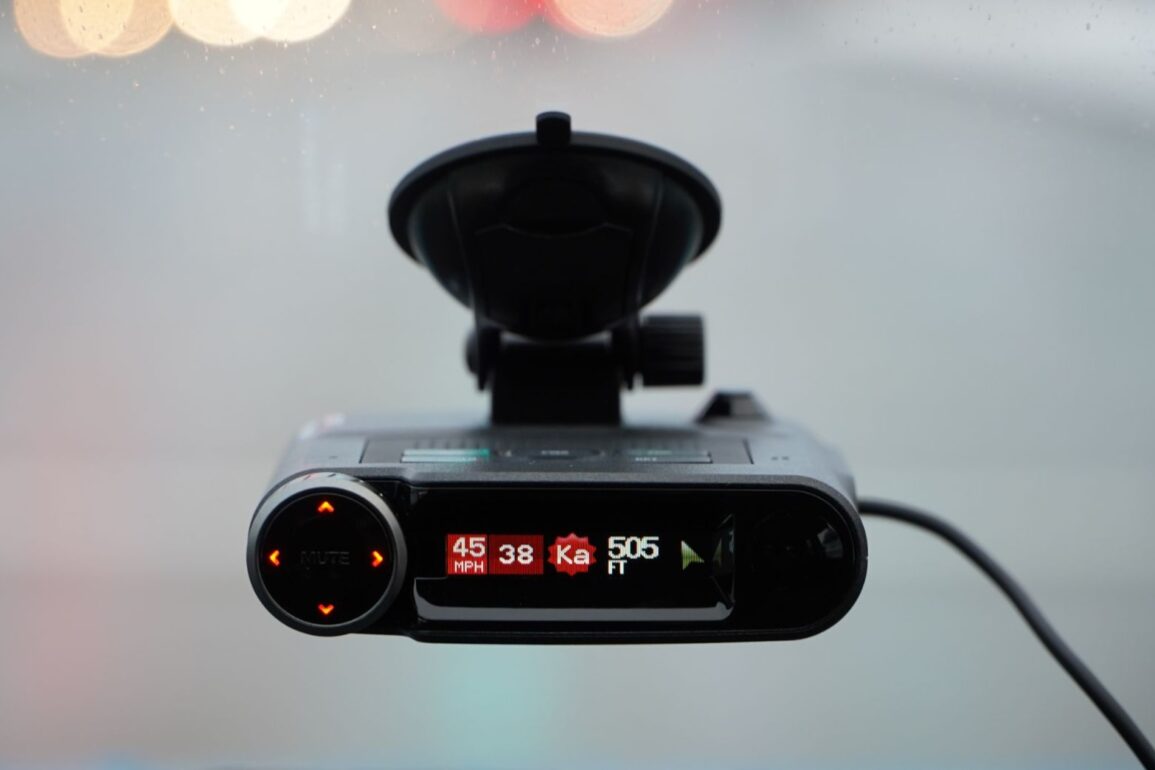
The primary purpose of a radar detector is to alert a driver when their vehicle is being monitored for speed by law enforcement using radar guns. These devices pick up the radio waves emitted by police radar, giving the driver a heads-up and allowing them to adjust their speed if necessary. While they are not universally legal across the United States, Florida stands as one of the states that permits their use for personal vehicles. This policy can significantly influence the lifestyle and travel habits of visitors who rely on such technology for various reasons, from avoiding costly speeding tickets to simply maintaining awareness of their surroundings on unfamiliar roads like Interstate 4 or Interstate 95.
The Legal Landscape of Radar Detectors in Florida
Understanding the precise legal framework surrounding radar detectors in Florida is the first step for any responsible traveler. While the general rule is “legal for private vehicles,” the devil is in the details, particularly when contrasting state and federal laws, and distinguishing between types of vehicles.
Private vs. Commercial Vehicles: A Crucial Distinction
The legality of radar detectors in Florida hinges almost entirely on the nature of the vehicle. For private passenger vehicles – the cars, SUVs, and motorcycles typically used by tourists and residents for personal travel – radar detectors are indeed permissible. This means that if you’re driving your own car or a standard rental car for personal use, you can legally operate a radar detector in Florida.
However, the situation changes dramatically for commercial vehicles. Federal regulations, not state laws, govern this aspect. It is illegal to use a radar detector in any commercial vehicle weighing over 10,000 pounds anywhere in the United States. This includes large trucks, buses, and other commercial transport vehicles. The rationale behind this federal ban is rooted in safety and the prevention of speeding by professional drivers who are often under pressure to meet tight schedules, sometimes across vast distances along arteries like Interstate 75 or the Florida Turnpike. For travelers, this distinction is important if they happen to be driving a rented RV that falls into the commercial vehicle category, or if they are professional drivers visiting Florida for work.
Beyond the weight limit, certain commercial vehicles, regardless of weight, may also be subject to federal regulations depending on their classification and purpose. The key takeaway is to always verify the specific rules if your travel involves anything beyond a standard personal automobile.
Federal Regulations and State Nuances
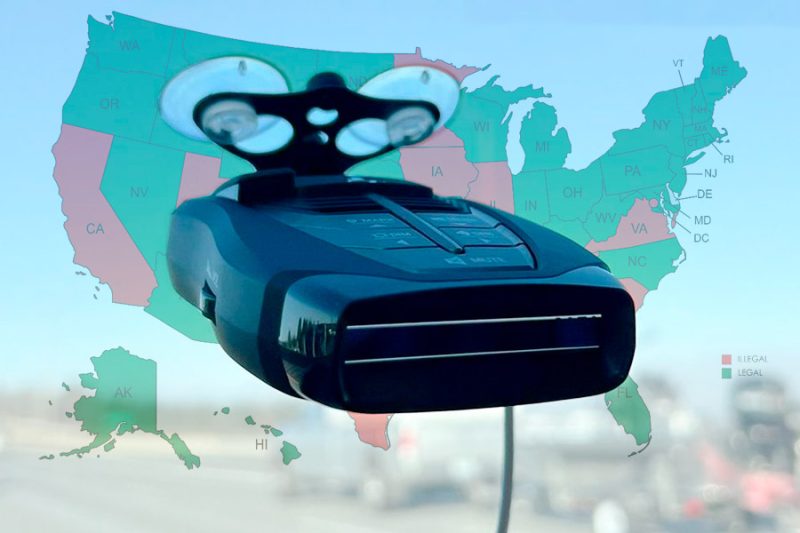
While Florida permits radar detectors, it’s essential for travelers to recognize that this is not the case across all states. In fact, radar detectors are completely banned in Virginia and Washington D.C. for all vehicles, private or commercial. This stark contrast highlights the importance of researching local laws when planning multi-state road trips. A device that is legal in Florida could land you in legal trouble just a few states away.
In Florida, state law (Florida Statute 316.304) specifically deals with the use of radar jamming devices, which are unequivocally illegal. A radar detector, however, is a passive device; it only detects radar signals and does not interfere with them. This is the fundamental difference that underpins its legality in the state. Florida lawmakers have, to date, chosen not to restrict the use of radar detectors for private motorists, perhaps acknowledging the device’s role in promoting driver awareness rather than solely enabling reckless speeding.
Implications for Travelers and Tourists in Florida
For the millions of tourists who flock to Florida each year, the legality of radar detectors carries significant implications for their travel experience. From navigating busy highways to exploring quaint coastal towns, driving is often an integral part of a Florida vacation.
Navigating Florida’s Diverse Destinations
Florida is a vast state with a multitude of iconic destinations. Tourists often embark on extensive road trips, connecting major hubs like Orlando (home to Walt Disney World and Universal Orlando Resort) with cultural centers like Miami (famous for South Beach), historical treasures in St. Augustine, or the space exploration wonders near the Kennedy Space Center. Driving between these locations often involves long stretches on interstates such as I-95, I-75, and I-4, as well as scenic routes through the Florida Keys or along the Atlantic Coast.
On these journeys, speed limits can change, and law enforcement presence, including the Florida Highway Patrol, can vary. A radar detector might offer a sense of security for drivers who wish to be more aware of their speed and potential enforcement zones, especially when unfamiliar with the local speeding enforcement habits. While it should never be an excuse to speed, some travelers appreciate the early warning to ensure they are adhering to posted limits, thereby avoiding unexpected fines that could impact their travel budget. This allows them to focus more on the stunning views and less on constant speedometer checks.
Rental Cars and Liability
Many tourists opt for rental cars during their Florida vacations, providing flexibility to explore at their own pace. The legality of radar detectors extends to personal-use rental cars, meaning you can typically install and use one in a rented vehicle without violating Florida law. However, there are a few considerations:
- Installation: Ensure that any radar detector you use can be easily installed and removed without causing damage to the rental car. Suction cups for windshield mounting and 12V power adapters are standard and usually pose no issues.
- Company Policy: While legal under state law, a specific rental car company might have its own internal policy regarding the use of such devices. It’s rare, but if you’re concerned, a quick check with the rental agency wouldn’t hurt, though it’s generally not an issue for passive detection devices.
- Personal Responsibility: Any fines or tickets incurred while using a radar detector are, of course, the driver’s responsibility. The device is an alert, not a shield from the law.
For long-term stays or extended road trips across the state, from Jacksonville to Key West, having a radar detector might become part of a traveler’s routine. It fits into the broader lifestyle of independent exploration and self-reliance, offering an extra layer of awareness on the open road.
Understanding Radar Detector Technology and Its Role in Travel
For those unfamiliar with radar detectors, understanding their basic operation and the distinctions between various types of speed enforcement technology is crucial. This knowledge not only clarifies why these devices are legal in Florida but also helps travelers make informed decisions about their use.
Radar vs. Laser: What Travelers Need to Know
Law enforcement uses two primary technologies to measure vehicle speed: radar and laser (Lidar).
- Radar: Radar guns emit radio waves that bounce off a vehicle and return to the gun. By measuring the frequency shift of these waves, the gun calculates the vehicle’s speed. Radar detectors work by passively listening for these radio waves. When they detect a radar signal, they alert the driver. Radar signals spread out, meaning a detector can often pick up a signal from a distance, or even “around the bend,” providing valuable early warning. There are different radar bands (X, K, Ka) used by police, and most modern detectors can identify all of them.
- Laser (Lidar): Laser guns, on the other hand, emit a very narrow beam of infrared light. This beam is highly focused and works much like a flashlight beam, allowing officers to target specific vehicles. The speed is calculated by measuring how long it takes for the light pulses to return. The challenge with laser for detectors is that the beam is so narrow and fast that by the time a detector picks it up, the officer has usually already obtained a speed reading. This means laser detection often acts more as an “instant ticket notification” than an early warning.
It’s important to differentiate between radar detectors and radar/laser jammers. Jammers are active devices that transmit signals designed to interfere with police radar or laser guns, preventing them from obtaining a speed reading. These devices are illegal nationwide in the United States, including Florida, due to their active interference with law enforcement equipment. Travelers should be absolutely clear that radar detectors are passive, legal in Florida for private use, while jammers are active and strictly illegal.
The Ethical and Practical Considerations
The debate around radar detectors often centers on ethics: are they tools for safer driving or enablers for speeding? From a traveler’s perspective, especially when exploring new destinations, the practical benefits can outweigh perceived ethical ambiguities.
- Awareness: For many, a radar detector provides an increased awareness of their driving environment. It acts as a reminder to check speed and remain vigilant, particularly in areas where speed limits might decrease unexpectedly or where enforcement is common.
- Unfamiliarity: When driving in an unfamiliar state like Florida, a traveler might not be aware of local speed trap hotspots or areas where enforcement is particularly strict. A radar detector can help bridge this knowledge gap.
- Cost Savings: Avoiding even a single speeding ticket can save a significant amount of money in fines, court costs, and potentially increased insurance premiums, which can quickly diminish a travel budget.
- Time Savings: Dealing with a traffic stop can consume valuable vacation time. A radar detector, by promoting awareness, might help avoid such interruptions.
Ultimately, the decision to use a radar detector is a personal one. However, in a state like Florida where they are legal for private use, they represent a tool that some travelers find beneficial for a more informed and potentially less stressful driving experience.
Responsible Driving and Alternatives for a Stress-Free Florida Trip
While radar detectors are legal for private vehicles in Florida, they are not a license to speed. Responsible driving remains paramount for a safe and enjoyable trip. There are also excellent alternatives and practices that contribute to a stress-free travel experience, aligning with the broader themes of tourism and lifestyle.
Leveraging Technology for Safer Journeys
Modern technology offers several tools that can assist drivers in maintaining safe speeds and navigating effectively, often integrating seamlessly with the travel experience.
- GPS Navigation Apps: Many popular GPS applications like Waze, Google Maps, and Apple Maps provide real-time speed limit information and often alert drivers to reported speed traps or police presence. These crowd-sourced alerts can be very effective and offer a similar benefit to a radar detector, often without requiring additional hardware. For travelers, this means a familiar smartphone app can double as a useful driving aid.
- Cruise Control: For long stretches of highway, using cruise control can help maintain a consistent and legal speed, reducing the risk of unintentional speeding.
- Vehicle Speed Limiters: Some newer vehicles come equipped with adjustable speed limiters that can prevent the car from exceeding a preset speed, offering a proactive approach to speed management.
These technologies complement responsible driving habits and can enhance safety, allowing travelers to relax and enjoy the scenery, whether driving along the Gulf Coast or through the lively streets of Tampa.
Embracing the Journey: Tips for a Relaxed Florida Exploration
Beyond gadgets, adopting a mindset geared towards enjoyment rather than rushing can transform your Florida road trip.
- Plan Ahead: Factor in extra time for travel between destinations. Florida’s roads can get busy, especially around major tourist attractions or during peak season. Don’t underestimate travel times, particularly for routes that might involve scenic detours or unexpected traffic jams.
- Enjoy the Scenery: Florida is renowned for its diverse landscapes, from coastal vistas to lush wetlands. Take the opportunity to appreciate the journey itself. Stopping at roadside attractions, natural landmarks, or local eateries can be as rewarding as reaching the main destination.
- Stay Hydrated and Rested: Long drives can be fatiguing. Ensure you’re well-rested before embarking on a journey and take regular breaks. Florida’s climate can also be demanding, so staying hydrated is crucial.
- Choose Appropriate Accommodation: When planning routes, consider strategically placed hotels, resorts, or other accommodation options that break up long drives, allowing for rest and rejuvenation.

Beyond Speeding: Other Traffic Laws to Heed in Florida
While speed is a common concern for drivers, Florida has other traffic laws that travelers must respect to ensure a safe and incident-free visit.
- Seatbelt Laws: Florida has a primary seatbelt law, meaning you can be pulled over solely for not wearing a seatbelt. All occupants must be buckled up.
- Distracted Driving: Florida has a “hands-free” law for school and work zones, and a ban on texting while driving. It’s safest and legally required to put your phone away while driving.
- Move Over Law: When an emergency vehicle, utility vehicle, or sanitation vehicle is stopped on the side of the road with its lights flashing, drivers are required to move over a lane or slow down significantly if moving over is not possible.
- Toll Roads: Florida has numerous toll roads, including the Turnpike and parts of the interstates. Ensure you understand how to pay tolls (e.g., SunPass, E-Pass, Toll-by-Plate) to avoid additional fees or fines. Many rental cars offer transponders, which can simplify the process.
By adhering to all traffic laws and practicing defensive driving, visitors can enjoy the full spectrum of Florida’s attractions and experiences without the worry of legal complications or traffic infractions.
In conclusion, for private vehicle owners, radar detectors are indeed legal in Florida, offering a tool for increased awareness on the road. However, this legality does not extend to commercial vehicles, nor does it apply to illegal radar jamming devices. Travelers should always prioritize safe driving practices, adhere to posted speed limits, and be mindful of other traffic laws. Whether relying on a radar detector, modern navigation apps, or simply a commitment to responsible driving, the goal remains the same: to enjoy the unparalleled beauty and excitement of Florida travel with peace of mind and an uninterrupted journey. By staying informed and driving responsibly, your adventure in the Sunshine State will be nothing short of spectacular.
LifeOutOfTheBox is a participant in the Amazon Services LLC Associates Program, an affiliate advertising program designed to provide a means for sites to earn advertising fees by advertising and linking to Amazon.com. Amazon, the Amazon logo, AmazonSupply, and the AmazonSupply logo are trademarks of Amazon.com, Inc. or its affiliates. As an Amazon Associate we earn affiliate commissions from qualifying purchases.