
Grilling a New York steak to perfection is an culinary endeavor that combines precision, passion, and a touch of the adventurous spirit often found in seasoned travelers and culinary explorers. Whether you’re a globetrotter savoring local flavors or a home chef recreating a gourmet experience from your travels, mastering the grill is a rewarding skill. This guide will walk you through the nuances of grilling a New York strip, ensuring a tender, juicy, and flavorful result every time, while also exploring how this quintessential American dish connects with global travel and lifestyle trends.
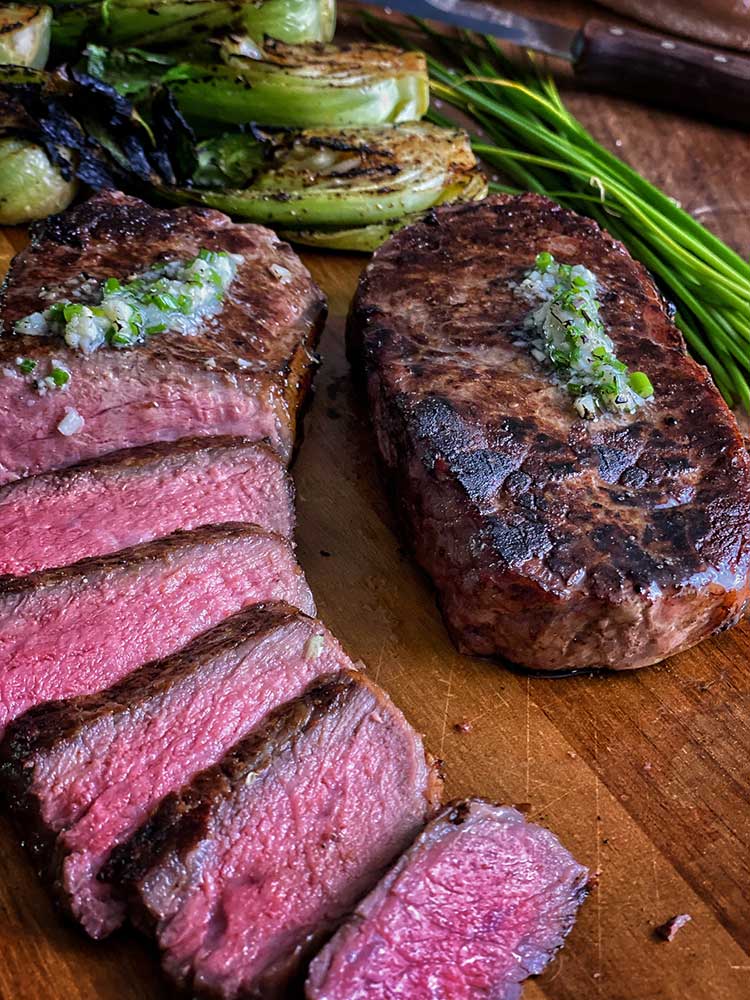
The Art and Science of Grilling the Perfect New York Steak
The New York strip steak, also known as a Kansas City strip or top loin, is renowned for its excellent balance of tenderness and robust beefy flavor. It’s a favorite among steak connoisseurs and a staple in high-end steakhouses from New York City to Tokyo. Achieving that perfect sear and a juicy interior requires understanding a few fundamental principles.
Understanding Your Steak: Thickness and Cut
The thickness of your New York steak is perhaps the most critical factor influencing grilling time. Most New York strip steaks range from 1 to 1.5 inches thick. A thicker cut will require more grilling time to reach your desired internal temperature, while a thinner cut will cook faster. For consistency, always try to select steaks of uniform thickness.
Beyond thickness, the quality of the beef plays a significant role. Look for well-marbled steaks, as the intramuscular fat contributes immensely to flavor and juiciness. Prime or Choice grades are excellent selections, often found in specialty butcher shops or high-end grocery stores. The origins of your steak can also influence its profile; a steak from a specific region like the ranches of Texas or the grazing lands of Argentina might carry subtle differences in flavor due to feed and environment, much like how the terroir affects wine in Napa Valley or Bordeaux.
Essential Tools and Preparation
Before you even light the grill, proper preparation and the right tools are key. A good quality charcoal or gas grill is paramount. For charcoal grills, briquettes or natural lump charcoal can be used, each imparting a slightly different smoky flavor profile. Gas grills offer convenience and precise temperature control, making them ideal for consistent results, much like the advanced amenities you might find in a luxury suite at a Four Seasons Resort.
Essential Tools:
- Instant-Read Meat Thermometer: Non-negotiable for achieving perfect doneness. This is your most reliable guide.
- Tongs: For turning the steak without piercing it, which can cause precious juices to escape.
- Grill Brush: For cleaning the grates before and after grilling.
- Baking Sheet with Wire Rack: For resting the cooked steak.
- Cutting Board and Sharp Knife: For slicing.
Preparation Steps:
- Bring to Room Temperature: Remove your steak from the refrigerator about 30-60 minutes before grilling. This allows for more even cooking.
- Pat Dry: Use paper towels to thoroughly pat the steak dry. Moisture on the surface inhibits a good sear, preventing the coveted Maillard reaction that creates rich, savory crusts.
- Season Generously: A simple yet effective seasoning is coarse sea salt and freshly cracked black pepper. Some prefer garlic powder or other steak rubs. Don’t be shy; a generous coating helps form that incredible crust.
- Oil the Steak (not the grates): Lightly brush the steak with a high-smoke-point oil like avocado or grapeseed oil. This prevents sticking and promotes an even sear.
Mastering the Heat: Direct vs. Indirect Grilling
Understanding grill zones is crucial. Most grilling techniques for steak involve a two-zone setup:
- Direct Heat Zone: This is where the charcoal or burner is directly beneath the food, providing intense, high heat perfect for searing.
- Indirect Heat Zone: This area has no direct heat source beneath it and is used for slower cooking or finishing thick cuts without burning the exterior.
For a New York steak, you’ll typically start with a high heat direct sear and then, depending on thickness and desired doneness, may move it to indirect heat to finish cooking. Aim for a grill temperature of 450-500°F (230-260°C) for searing. This high temperature is vital for creating a beautifully caramelized crust, a hallmark of expertly grilled steak, much like a carefully designed itinerary enhances a travel experience through Europe or Asia.
Step-by-Step Grilling Guide: Achieving Your Desired Doneness
The journey to a perfectly grilled New York steak is a precise dance between time and temperature. While specific times are provided, always remember that your instant-read meat thermometer is your ultimate guide, as grill temperatures can vary and steaks differ in thickness.
- Preheat Your Grill: Ensure your grill is screaming hot. For charcoal, coals should be ash-gray. For gas, set all burners to high and close the lid for 10-15 minutes.
- Clean and Oil Grates: Scrape your grates clean with a grill brush, then lightly oil them by dipping a folded paper towel in oil and carefully wiping the hot grates with tongs.
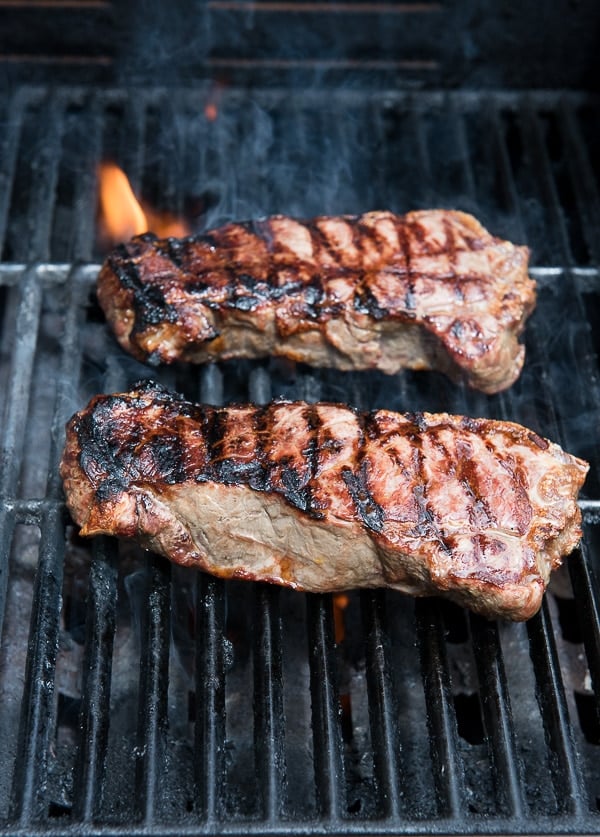
- Sear the Steak: Place the seasoned, room-temperature steak directly over the high heat. Sear for 2-4 minutes per side, creating a rich, dark crust. For beautiful crosshatch marks, rotate the steak 90 degrees halfway through the searing time on each side.
- Move to Indirect Heat (if needed): For thicker steaks (1.5 inches or more) or if you prefer a doneness beyond medium-rare, move the steak to the indirect heat zone. Close the lid and continue cooking, flipping every few minutes, until it reaches about 5 degrees below your target internal temperature.
- Check Internal Temperature: Insert your instant-read thermometer into the thickest part of the steak, avoiding any bones or gristle.
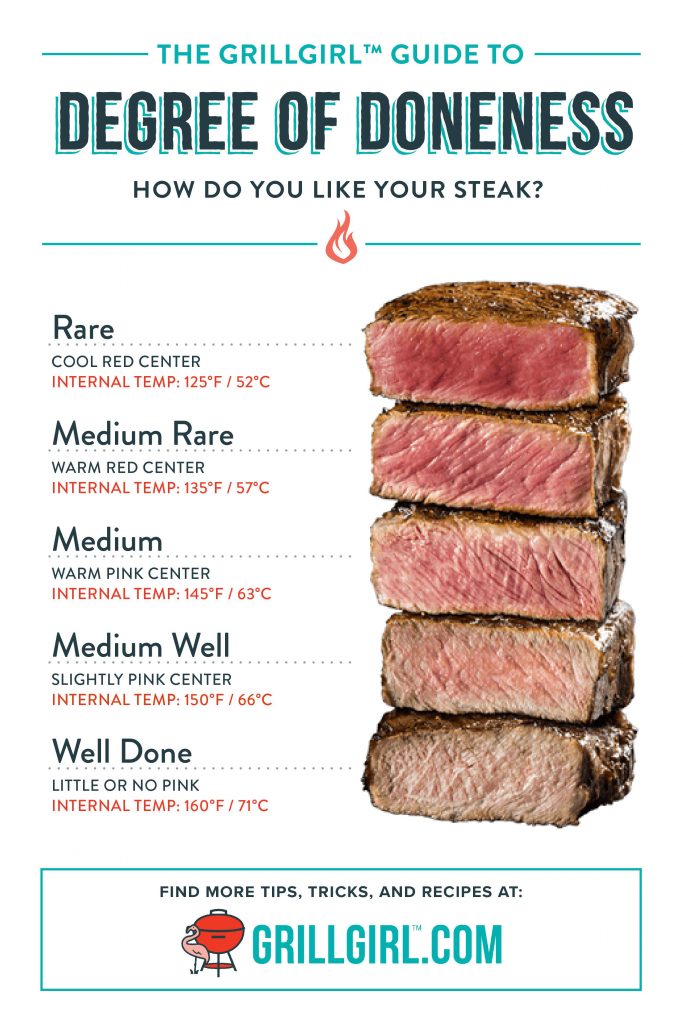
Rare to Well-Done: Temperature and Time Chart
These are approximate times for a 1.25-inch thick New York steak, assuming a hot grill (450-500°F / 230-260°C). Always rely on your thermometer for accuracy.
-
Rare (120-125°F / 49-52°C):
- Grill Time: 2-3 minutes per side for searing, then 2-4 minutes over indirect heat (if applicable).
- Characteristics: Cool red center.
-
Medium-Rare (130-135°F / 54-57°C):
- Grill Time: 3-4 minutes per side for searing, then 3-5 minutes over indirect heat.
- Characteristics: Warm red center. This is often considered the ideal doneness for New York strip by many chefs and enthusiasts.
-
Medium (140-145°F / 60-63°C):
- Grill Time: 4-5 minutes per side for searing, then 4-6 minutes over indirect heat.
- Characteristics: Warm pink center.
-
Medium-Well (150-155°F / 66-68°C):
- Grill Time: 5-6 minutes per side for searing, then 5-7 minutes over indirect heat.
- Characteristics: Slightly pink center.
-
Well-Done (160°F+ / 71°C+):
- Grill Time: 6-7 minutes per side for searing, then 7-10+ minutes over indirect heat.
- Characteristics: Little to no pink. While some prefer this, it risks dryness and toughness, making it generally not recommended for premium cuts like Wagyu or New York strip.
The Importance of Resting
Once your steak reaches 5 degrees below your target internal temperature, remove it from the grill immediately and transfer it to a wire rack set over a baking sheet. Resting is non-negotiable. This crucial step allows the muscle fibers to relax and reabsorb the juices that have migrated to the center during cooking. Skipping this step results in a dry steak, as all the delicious juices will simply run out when you slice into it. Rest for 5-10 minutes, depending on the steak’s thickness. During this time, the internal temperature will continue to rise by a few degrees (this is called carryover cooking), reaching your desired doneness.
Elevating Your Grilling Experience: A Global Culinary Journey
The act of grilling a steak, while seemingly simple, is a culinary ritual enjoyed worldwide, often intertwined with local culture, travel experiences, and diverse lifestyles. From an impromptu barbecue at a self-catering Airbnb in Spain to a sophisticated grilling station at a five-star Grand Hyatt Hotel in Dubai, the joy of cooking outdoors transcends borders.
Grilling While Traveling: From Luxury Resorts to Self-Catering Stays
Imagine yourself on a family trip to the Caribbean, staying in a private villa with an outdoor kitchen overlooking the ocean. Grilling a New York steak sourced from a local market becomes not just a meal, but an integral part of your travel experience, blending local flavors with familiar comforts. Many luxury resorts, from Maui in Hawaii to the Amalfi Coast in Italy, offer guests access to state-of-the-art grilling facilities, sometimes even with personal chefs to guide you. This provides a unique opportunity to engage with the destination’s culinary scene in a hands-on way.
On the other hand, for budget travel enthusiasts or long-term stay travelers, self-catering accommodation presents an economical and authentic way to enjoy local produce. Finding a local butcher in Paris, selecting a beautiful cut, and grilling it on a modest balcony grill can be just as rewarding as dining out at a Michelin-starred restaurant. It’s about the experience, the connection to the place, and the satisfaction of preparing a delicious meal yourself. This kind of interaction with local markets and food culture is a core element of immersive tourism, offering insights into daily life beyond typical tourist attractions like the Eiffel Tower or the Colosseum in Rome.
Iconic Steak Destinations and Their Influence
Certain cities and countries are synonymous with exceptional steak, creating pilgrimage sites for meat lovers.
- New York City, United States: Home to legendary steakhouses like Peter Luger Steak House in Brooklyn, New York City has defined the classic American steakhouse experience. Their dry-aged New York strips are legendary, inspiring countless imitations and fueling the demand for perfect grilling techniques.
- Chicago, United States: Another American powerhouse for steakhouses, Chicago’s culinary scene has deep roots in meatpacking, leading to a strong tradition of high-quality beef.
- Buenos Aires, Argentina: The land of the parrilla, Argentine grilling is an art form. While they favor cuts like ojo de bife (ribeye) and bife de chorizo (sirloin, similar to New York strip), their expertise in open-flame cooking over wood or charcoal provides invaluable lessons for anyone looking to perfect their grill game. The culture of asado (barbecue) is a profound part of Argentine lifestyle, a social gathering centered around the grill.
- Tokyo, Japan: While famous for sushi, Tokyo also boasts incredible steakhouses specializing in intensely marbled Wagyu beef. The precision and reverence for ingredients in Japanese cuisine offer a different perspective on preparing and enjoying steak, often emphasizing exquisite presentation and minimal seasoning to highlight the meat’s natural richness.
These destinations offer more than just a meal; they provide an education in beef, grilling, and culinary heritage. A New York steak, wherever it’s grilled, carries a piece of this global legacy.
The Lifestyle of Outdoor Cooking: Connecting with Culture and Cuisine
Grilling is often more than just cooking; it’s a lifestyle choice, an outdoor activity that brings people together. From a casual backyard barbecue in the United States to a sophisticated al fresco dining experience on a Mediterranean patio, outdoor cooking fosters connection and celebration. For travelers, participating in a local grilling tradition – whether it’s an asado in Patagonia, a seafood barbecue in Thailand, or a lakeside cookout in Canada – offers a deep dive into local culture. It’s an authentic experience that goes beyond typical tourist activities, allowing for genuine interaction and shared moments, much like exploring the hidden gems of a city rather than just its well-known landmarks. This focus on experiential travel aligns perfectly with the evolving definition of luxury, where authentic engagement and unique memories outweigh opulent displays.
Beyond the Grill: Perfect Pairings and Presentation
A perfectly grilled New York steak is a star in its own right, but the accompanying elements can elevate the entire dining experience, transforming a simple meal into a memorable occasion worthy of a luxurious getaway.
Complementary Sides and Sauces
Choosing the right accompaniments enhances the steak’s flavor without overpowering it. Classic pairings include:
- Potatoes: Creamy mashed potatoes, crispy roasted potatoes, or a decadent gratin.
- Vegetables: Grilled asparagus, creamed spinach, or a fresh garden salad with a light vinaigrette.
- Bread: Crusty bread to soak up any leftover juices.
For sauces, while many prefer the unadulterated taste of a well-grilled New York steak, a classic peppercorn sauce, a rich béarnaise, or even a simple herb butter can add another layer of complexity. Homemade sauces, much like local artisanal products discovered during your travels, can add a personal touch and superior flavor to your meal.
Crafting Memorable Dining Experiences
Presentation matters. Even a perfectly cooked steak can look unappetizing if simply plopped on a plate. Slice the rested steak against the grain into thick, even slices to maximize tenderness. Arrange the slices fanned out on a warm plate, perhaps garnished with fresh herbs like parsley or rosemary. Serve with your chosen sides, perhaps in separate, elegant bowls.
The ambiance also contributes significantly. Whether it’s a rustic picnic table in a scenic park, a sophisticated dining room in a Marriott hotel, or your own carefully set dining table, creating an inviting atmosphere is key. Good company, perhaps sharing travel stories from your latest adventure to Portugal or Greece, paired with a robust red wine (a Cabernet Sauvignon or a Malbec from Mendoza) can turn a meal into a cherished memory.
In conclusion, grilling a New York steak is a journey that starts with selecting the right cut and ends with savoring every succulent bite. It’s a skill that transcends the kitchen, touching upon elements of lifestyle, luxury, and the rich tapestry of global food culture that so many travelers seek to explore. So, fire up your grill, embrace the process, and prepare to enjoy a steak that could rival the best you’ve tasted anywhere in the world.
LifeOutOfTheBox is a participant in the Amazon Services LLC Associates Program, an affiliate advertising program designed to provide a means for sites to earn advertising fees by advertising and linking to Amazon.com. Amazon, the Amazon logo, AmazonSupply, and the AmazonSupply logo are trademarks of Amazon.com, Inc. or its affiliates. As an Amazon Associate we earn affiliate commissions from qualifying purchases.