
Oklahoma, a state renowned for its vast plains and dramatic skies, holds a unique and sometimes formidable reputation for its association with tornadoes. Understanding the rhythm of tornado season is not just a matter of meteorological curiosity; for those planning travel, seeking accommodations, or engaging in local tourism, it’s a crucial element of responsible planning. This comprehensive guide delves into the timing and characteristics of Oklahoma’s tornado season, offering insights for visitors and residents alike to navigate this impactful natural phenomenon safely and informatively.
Understanding Oklahoma’s Tornado Alley Climatology
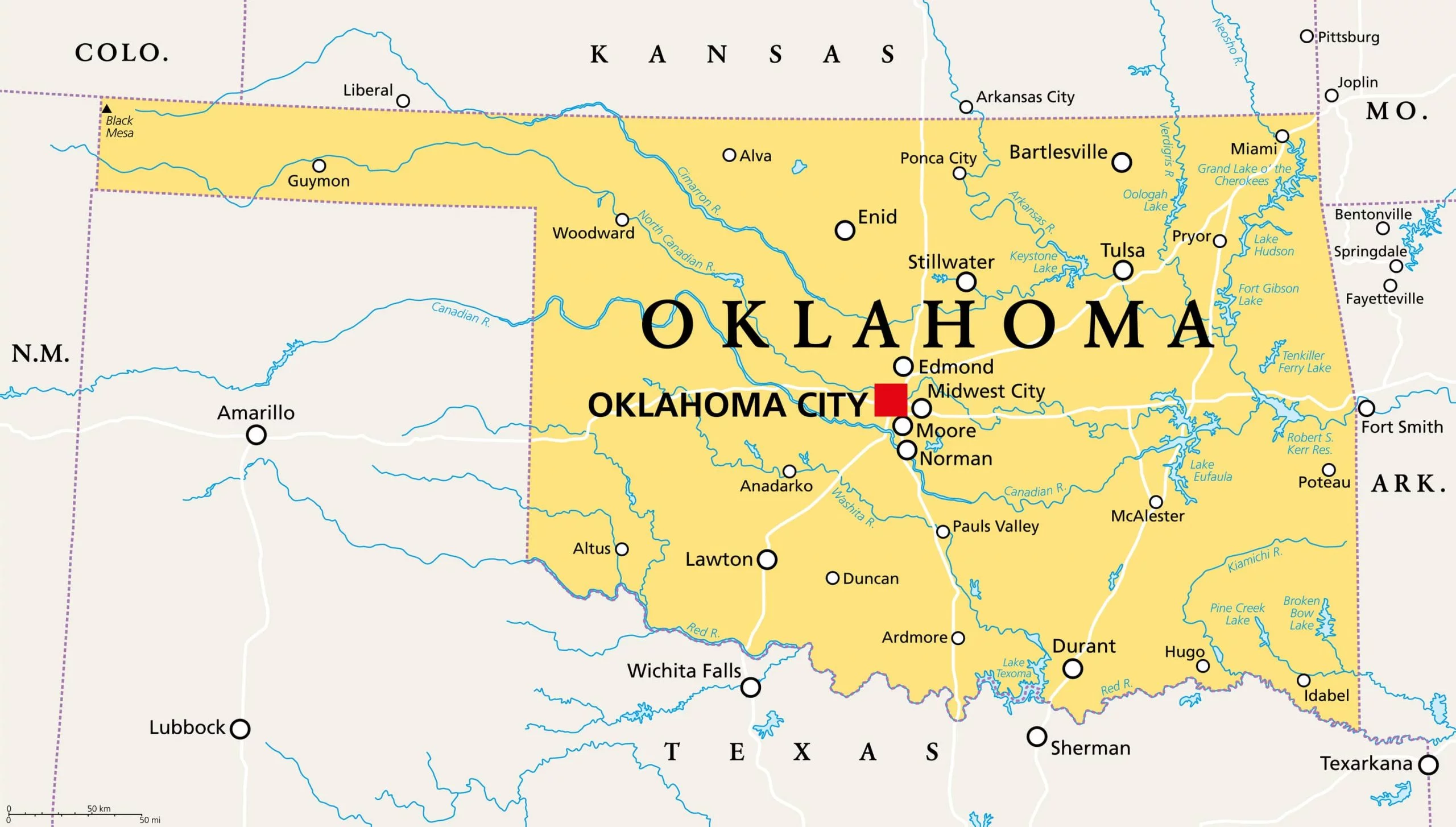
Oklahoma sits squarely in the heart of what is popularly known as “Tornado Alley“, a region of the central United States characterized by a high frequency of severe thunderstorms and tornadoes. The unique geographical and atmospheric conditions that converge in this area create a fertile ground for these powerful weather events.

The Peak Season: Spring’s Fury
The most active period for tornadoes in Oklahoma generally spans from April through June. This is when the atmospheric ingredients are most perfectly aligned for tornado formation.
Why Spring is Prime Time
During spring, the geography of Oklahoma plays a significant role. Cold, dry air masses from the Rocky Mountains and Canada begin to clash with warm, moist air surging northward from the Gulf of Mexico. This collision of air masses creates atmospheric instability, a key ingredient for severe thunderstorms.
- Moisture from the Gulf: Warm, humid air from the Gulf of Mexico provides the fuel for thunderstorms. It is less dense and rises rapidly.
- Cold Air Intrusion: Cooler, drier air from the north acts like a lid, trapping the moist air below. When this lid is lifted or broken, the moist air can surge upward, creating towering cumulonimbus clouds.
- Jet Stream Dynamics: The subtropical jet stream, which shifts northward in the spring, plays a critical role in providing the upper-level atmospheric support necessary for storm organization and intensification. Wind shear – the change in wind speed and direction with height – associated with the jet stream is particularly crucial for tornado development. This shear can cause thunderstorms to rotate, forming supercells, which are the most common producers of significant tornadoes.
The intensity and duration of this spring season can vary year to year, influenced by broader climate patterns. However, April and May are consistently the months with the highest probability of severe weather and tornado outbreaks.
The Shoulder Seasons: Early Spring and Late Summer/Fall
While spring is the undisputed king of Oklahoma’s tornado season, it’s important to acknowledge the activity that can occur in the transitional periods.
Early Spring Warm-Ups
As early as March, and sometimes even late February, the conditions can become favorable for severe weather, including tornadoes. These early season events can be particularly dangerous as the public may not yet be fully attuned to the heightened risk. Warm fronts pushing north can bring enough moisture and instability, and the jet stream can still be positioned to support severe thunderstorm development.
Late Summer and Fall Activity
While less frequent and generally less widespread than spring outbreaks, tornadoes can also occur in Oklahoma during the late summer and fall months. This activity is often associated with the remnants of hurricanes or tropical systems moving inland from the Gulf of Mexico. These systems can interact with cooler, drier air masses to produce severe thunderstorms and isolated tornadoes. September and October are the primary months to be aware of this secondary tornado threat. These fall tornadoes can sometimes be particularly long-lived and produce significant damage.
Recognizing Tornado Threats: More Than Just a Calendar Date
Understanding the specific months for tornado season is essential, but recognizing the signs and being prepared goes beyond simply marking dates on a calendar. It involves understanding the types of weather patterns that precede tornado outbreaks.
The Anatomy of a Tornado Outbreak
Tornado outbreaks, characterized by multiple tornadoes forming over a relatively short period and often across a wide area, are the events that often bring Oklahoma national attention. These outbreaks are typically fueled by a specific atmospheric setup.
Key Atmospheric Ingredients
- Strong Temperature and Dew Point Gradients: A significant difference between warm, humid air near the surface and cooler, drier air aloft creates a highly unstable atmosphere.
- Strong Wind Shear: As mentioned earlier, changes in wind speed and direction with height are crucial for rotating thunderstorms (supercells). This shear can be so pronounced during outbreak conditions that it leads to multiple tornado-producing storms.
- Upper-Level Disturbance: A strong upper-level low-pressure system or trough moving across the region can provide the lift and atmospheric dynamics needed to initiate and sustain severe thunderstorm development.
- Dryline: In Oklahoma, a “dryline” – a boundary separating moist air from the Gulf of Mexico to the east and dry air from the desert Southwest to the west – often acts as a focal point for severe thunderstorm initiation.
When these ingredients combine with a favorable upper-air pattern, the stage is set for severe weather, including the potential for widespread tornado activity. Days preceding such outbreaks often feature clear, warm, and humid conditions, sometimes with unusually mild temperatures for the season, making it easy to underestimate the impending danger.
The Role of the National Weather Service and Local Alerts
The National Weather Service (NWS) plays a critical role in forecasting and warning the public about severe weather threats. Understanding the difference between a Tornado Watch and a Tornado Warning is paramount.
- Tornado Watch: This means that conditions are favorable for tornadoes to develop in and near the watch area. It is a call to be alert and prepared. During a watch, it is advisable to review your safety plan, identify your safe place, and stay informed of weather updates.
- Tornado Warning: This means that a tornado has been sighted by trained spotters or indicated by weather radar. Immediate action is required to seek shelter. When a warning is issued, it is no longer a time for planning; it is a time for execution of safety procedures.
Local emergency management agencies and media outlets also play vital roles in disseminating warnings and safety information. Staying tuned to local radio stations, television broadcasts, or NOAA Weather Radio during periods of severe weather is a critical component of staying safe.
Planning Your Visit to Oklahoma During Tornado Season
For travelers, understanding the nuances of Oklahoma’s tornado season can inform itinerary planning and accommodation choices. While the risk is real, it should not necessarily deter visits, but rather encourage preparedness.
Timing Your Trip for Optimal Safety
If you have flexibility in your travel dates, consider scheduling your visit to Oklahoma for the shoulder seasons, or for the periods outside of the typical spring peak.
Late Spring and Early Fall Alternatives
- Late April to Early May: This remains the most active period, so if avoiding severe weather is a top priority, consider visiting slightly earlier in April or later in May, acknowledging that the risk is still present.
- Late Summer (August): While still a possibility, August generally sees a slight decrease in tornado activity compared to April and May. However, the risk of heat and humidity is high.
- October: This month can offer beautiful fall foliage and milder temperatures, but it also carries the potential for severe weather from tropical system remnants.
Visiting during the summer months (June-August) or early fall (September) can offer a balance of favorable weather and potentially lower tornado risk, though preparedness should always be a consideration, especially with the possibility of tropical systems in the fall.
Choosing Safe Accommodations and Activities
When visiting Oklahoma during tornado season, selecting appropriate lodging and planning activities with weather contingencies in mind is wise.
Accommodation Considerations
- Basement Access: If you are staying in a hotel or rental, inquire about basement access. A sturdy, interior basement is one of the safest places to be during a tornado.
- Interior Rooms: If a basement isn’t available, choose an interior room on the lowest floor possible, away from windows.
- Designated Shelters: Some hotels, especially those in more tornado-prone areas, may have designated storm shelters on their premises. Familiarize yourself with their location and emergency procedures. Consider areas in cities like Oklahoma City or Tulsa which have robust warning systems and public shelters.
- Mobile Homes and RVs: If you are traveling in a mobile home or RV, be aware that these are extremely vulnerable to tornadoes. You must have a plan to evacuate to a sturdy building or designated shelter well in advance of severe weather.

Activity Planning
- Monitor Weather Forecasts: Always check the weather forecast before heading out for the day. Be particularly vigilant when forecasts indicate a risk of severe thunderstorms.
- Outdoor Activities: For outdoor attractions like visiting Turner Falls Park or exploring the landscapes around the Wichita Mountains Wildlife Refuge, have a plan for seeking immediate shelter if severe weather threatens. Many parks and attractions have designated safe areas.
- Indoor Alternatives: Have a list of indoor activities or attractions, such as museums in Oklahoma City or shopping centers, that you can visit if outdoor plans are disrupted by weather.
By integrating weather awareness into your travel plans, you can experience the rich culture and natural beauty of Oklahoma while prioritizing safety during its tornado season. The “Sooner State” offers a wealth of experiences, and with careful preparation, visitors can enjoy their time without undue concern.
LifeOutOfTheBox is a participant in the Amazon Services LLC Associates Program, an affiliate advertising program designed to provide a means for sites to earn advertising fees by advertising and linking to Amazon.com. Amazon, the Amazon logo, AmazonSupply, and the AmazonSupply logo are trademarks of Amazon.com, Inc. or its affiliates. As an Amazon Associate we earn affiliate commissions from qualifying purchases.