
The allure of New York State is undeniable, drawing millions each year with its iconic landmarks, vibrant cultural scene, and breathtaking natural beauty. From the bustling streets of New York City to the serene landscapes of the Adirondacks and the picturesque vineyards of the Finger Lakes, the Empire State offers an unparalleled tapestry of experiences. For travelers planning a visit, long-term stay, or for those considering making this dynamic state their home, understanding the economic landscape, particularly the minimum wage, is crucial. This foundational knowledge helps in budgeting for everything from a luxury Manhattan hotel stay to a budget-friendly road trip through Upstate New York, impacting not only the cost of services but also the quality of life for residents and the viability of various travel styles.
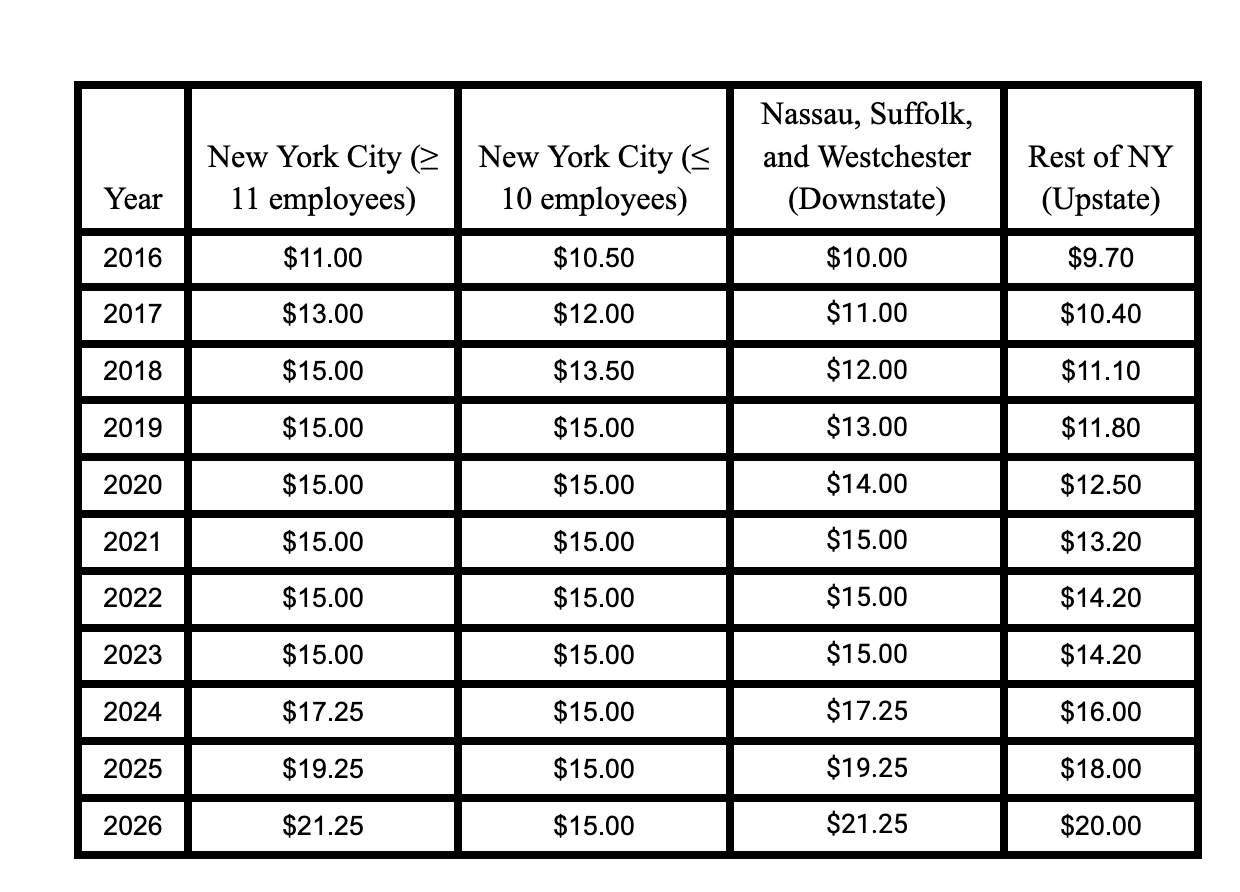
The minimum wage in New York State is not a monolithic figure; it varies significantly by region, reflecting the diverse economic realities and cost of living across its sprawling geography. These differences are particularly pertinent for anyone involved in the tourism and hospitality sectors, whether as a worker or a consumer. For instance, the wages earned by the hotel staff, restaurant servers, and tour guides directly influence their ability to live comfortably in their respective regions, which in turn can affect the overall service quality and experience for visitors. Moreover, for those contemplating a lifestyle change that involves moving to New York, the minimum wage is a vital piece of the puzzle in assessing financial feasibility, especially when considering accommodation options from high-rise apartments in Brooklyn to charming cottages in the Hudson Valley. This article delves into the specifics of New York’s minimum wage, exploring its regional variations, its broad impact on the travel and tourism industry, and what it truly means for both visitors and residents navigating the costs and opportunities within this captivating state.
Understanding New York’s Minimum Wage Landscape
New York State’s approach to minimum wage is designed to account for the dramatic differences in the cost of living between its urban centers and more rural areas. This tiered system is a critical factor for anyone planning their finances, whether they’re a tourist calculating daily expenses or a prospective resident evaluating job opportunities and housing costs.
The Current Rates and Regional Variations
As of January 1, 2024, the minimum wage in New York State stands at $16.00 per hour for New York City, Long Island, and Westchester County. For the remainder of the state, encompassing a vast array of regions from the majestic Catskills to the vibrant cities of Buffalo and Rochester, the minimum wage is $15.00 per hour.
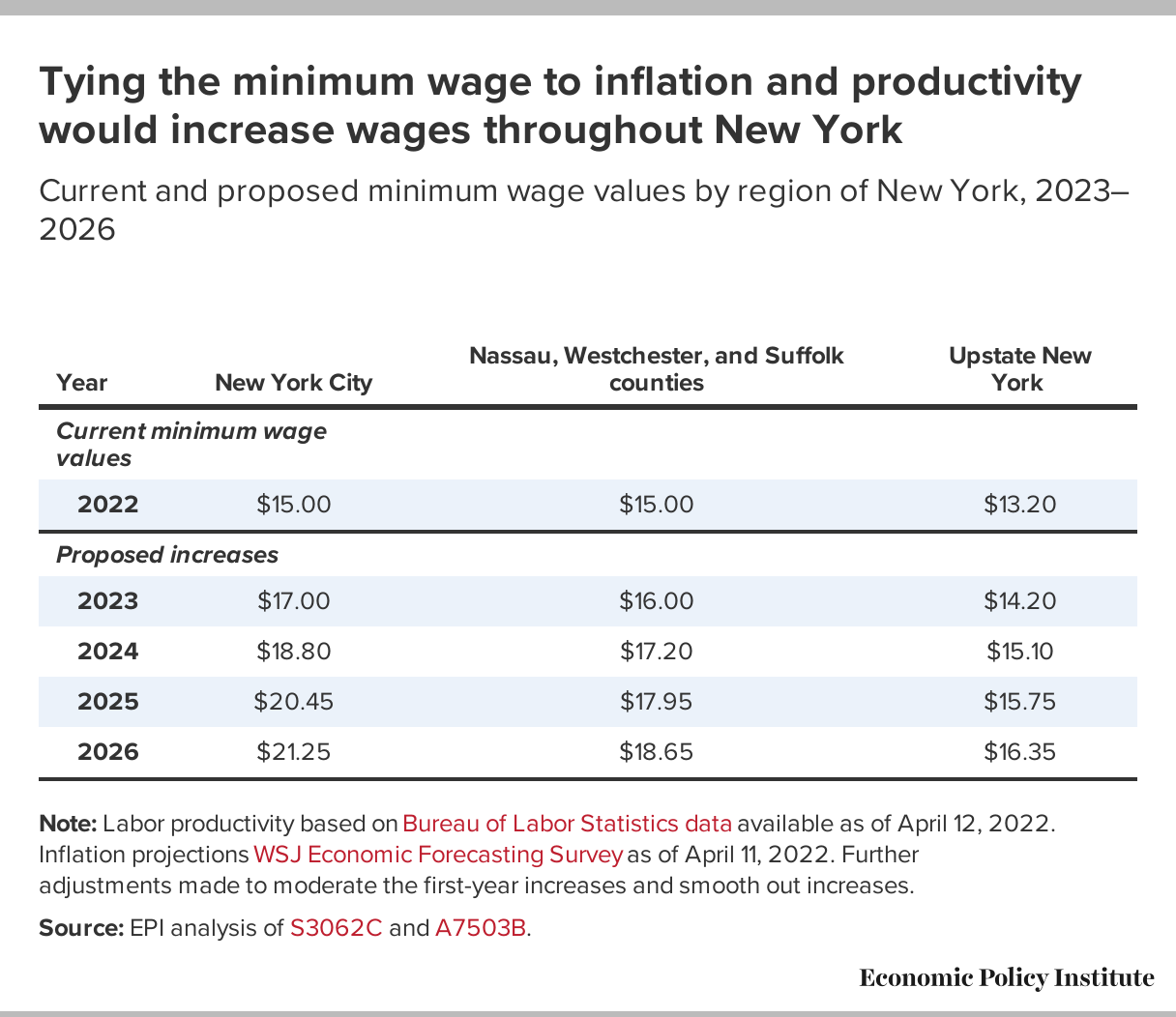
These figures are not static; New York State has implemented a schedule of incremental increases. For instance, after 2024, the minimum wage will continue to increase annually on January 1st until it reaches $17.00 per hour in New York City, Long Island, and Westchester County, and $16.00 per hour for the rest of the state by 2026. Beyond 2026, the minimum wage will be tied to the Consumer Price Index for the Northeast Region (CPI-W), ensuring it continues to adjust with the cost of living. This forward-looking policy is essential for workers, particularly those in the service industry that underpins much of the state’s tourism, as it offers a degree of stability and predictability in their earnings.
The Rationale Behind the Tiers
The decision to implement regional minimum wage tiers is rooted in the stark economic differences across New York State. Living expenses in New York City are notoriously high, with accommodation, transportation, and daily necessities far exceeding those in, say, Syracuse or Albany. The higher minimum wage in downstate areas like Manhattan and Long Island aims to provide workers with a more livable wage, reflecting the significant costs associated with residing in these densely populated and economically vibrant regions. Conversely, while the cost of living is lower in Upstate New York, the $15.00 per hour rate still represents a substantial improvement for many workers, helping them to better afford local housing, groceries, and other essentials, thereby contributing to the local economies that power many of the state’s charming towns and rural attractions. This tiered system directly influences the budgeting of long-term stays or even extended vacations, as a traveler might find their dollar stretching further in Lake Placid than in the heart of Times Square.
The Minimum Wage Impact on Travel and Tourism in the Empire State
The tourism industry is a cornerstone of New York State’s economy, driving billions of dollars in revenue and supporting countless jobs. The minimum wage, therefore, plays a pivotal role in shaping both the visitor experience and the lives of those who make it possible.
Service Industry Wages and the Visitor Experience
From the moment a traveler checks into a boutique hotel in SoHo to dining at a Michelin-starred restaurant near Central Park or purchasing souvenirs near the Statue of Liberty, they are interacting with individuals whose livelihoods are directly impacted by minimum wage policies. Hotel housekeepers, front-desk staff, restaurant servers, baristas, retail associates, and entry-level tour guides often earn minimum wage or slightly above. A competitive minimum wage can lead to several positive outcomes for the visitor experience:
- Improved Service Quality: Fairer wages can contribute to higher employee morale, reduced turnover, and a more dedicated workforce. This translates into better service, more attentive staff, and a more pleasant experience for tourists. Imagine a more knowledgeable and enthusiastic guide at the Metropolitan Museum of Art or a more welcoming check-in at a Grand Hyatt Hotel in Midtown Manhattan.
- Economic Stability for Local Communities: When tourism workers earn a living wage, they are more likely to spend money locally, supporting small businesses, restaurants, and shops. This creates a more vibrant local economy, which in turn enhances the authenticity and appeal of destinations like Saratoga Springs or charming towns along the Erie Canal.
- Potential for Cost Adjustments: Businesses, particularly those in the hospitality sector, often adjust their pricing to absorb increased labor costs. While this might lead to slightly higher prices for hotel rooms, meals, or attraction tickets, many argue that it is a necessary trade-off for a more sustainable and equitable tourism industry. For travelers, this means budgeting accordingly, understanding that the value derived from quality service often justifies the cost.
Affordability for Tourism Workers
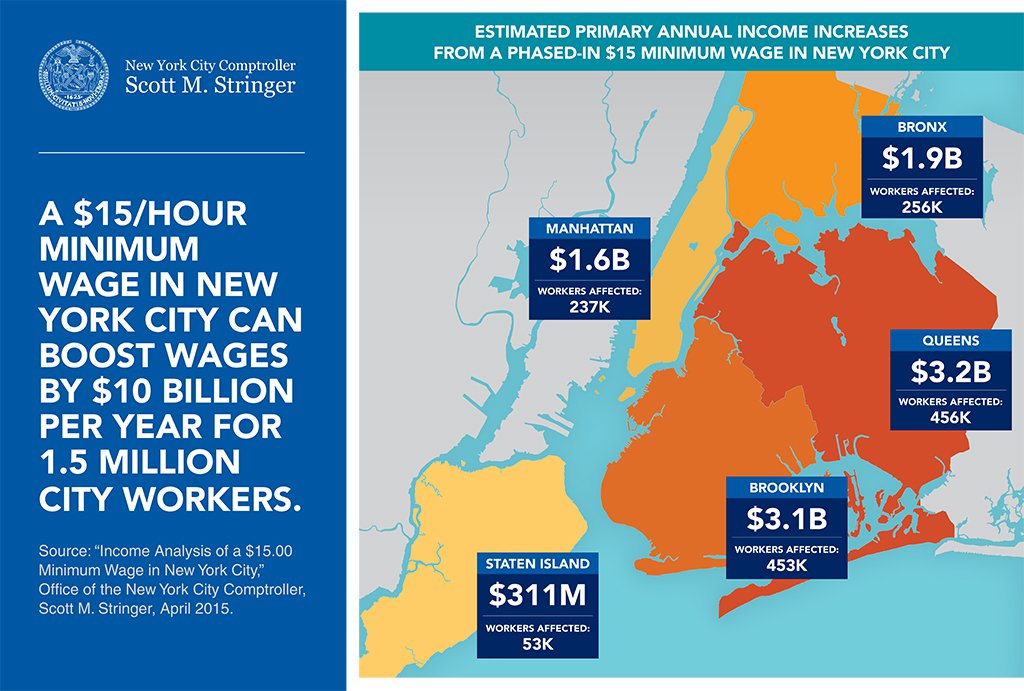
The question of how tourism workers themselves fare is paramount. Can an individual earning minimum wage in New York City afford to live in the city they help bring to life for millions of tourists? The reality is challenging. Even with the $16.00 per hour rate, living in Manhattan or even desirable parts of Brooklyn remains a struggle without additional income or significant financial support. Many service industry workers commute long distances from more affordable areas or share accommodations to manage housing costs.
However, in regions like Upstate New York, the $15.00 per hour minimum wage can offer a comparatively better quality of life. Workers supporting the tourism efforts around Niagara Falls, the Catskills ski resorts, or the wineries of the Finger Lakes might find local rents and cost of living more manageable relative to their earnings. This can foster a more stable workforce in these areas, ensuring that the charm and hospitality of New York’s diverse regions are consistently maintained, enriching the experience for tourists seeking local culture and authentic encounters. The ability for staff to afford to live where they work also means less time commuting and potentially more engagement with their local community, adding to the richness of the tourism experience.
Lifestyle Implications: Navigating New York on a Minimum Wage Budget
For many, the dream of living in New York is tempered by the reality of its high cost of living. Understanding what a minimum wage truly affords is crucial for anyone considering a move or planning an extended stay, affecting everything from daily commute to leisure activities.
Cost of Living vs. Earnings: A Balancing Act
Living on a minimum wage in New York State is a constant balancing act, particularly in the downstate regions. Let’s consider the average expenses:
- Housing: This is by far the largest hurdle. An individual earning $16.00 an hour full-time grosses approximately $2,560 per month (before taxes). A studio apartment in Manhattan or prime Brooklyn can easily cost $2,500-$3,500 per month, making it virtually impossible for a single individual on minimum wage to live alone. Even in Westchester County or Long Island, rents are substantially higher than what a minimum wage earner can comfortably afford. This often necessitates shared housing, long commutes from more affordable suburbs, or living with family. In Upstate New York, housing is more attainable. For example, in cities like Buffalo or Rochester, a modest one-bedroom apartment might range from $800-$1,200, which is still a significant portion of a $15.00/hour earner’s gross monthly income (approx. $2,400).
- Food: Grocery costs are higher in New York City compared to other parts of the state. Eating out, even at casual diners, can quickly deplete a budget. For minimum wage earners, cooking at home and smart grocery shopping are essential.
- Transportation: While New York City boasts an extensive public transport system (MTA), the monthly pass still represents a significant expense. In other parts of the state, owning a car often becomes a necessity, adding costs for gas, insurance, and maintenance.
- Healthcare and Other Necessities: Despite state and federal programs, healthcare, utilities, and other personal expenses further strain a minimum wage budget, leaving little room for savings or discretionary spending.
This reality underscores the “budget travel” aspect not just for visitors, but for residents themselves. Many rely on free activities, public parks, and community events to enjoy the state’s offerings, demonstrating a resilient and resourceful lifestyle.
Exploring New York on a Budget: Tips for Residents and Long-Term Stays
Whether you’re a local resident or a traveler planning an extended trip on a tight budget, experiencing the best of New York doesn’t have to break the bank.
- Free Attractions: New York City alone offers a wealth of free experiences: strolling across the Brooklyn Bridge, exploring Central Park, visiting the Staten Island Ferry for iconic Statue of Liberty views, or enjoying free walking tours. Many museums, like the Museum of Modern Art (on specific days/times) or the Bronx Museum of Art, offer free admission. Upstate New York boasts countless hiking trails in the Adirondacks and Catskills, picturesque state parks, and scenic drives.
- Affordable Accommodation: Beyond traditional hotels, consider hostels for short stays, or look into long-term apartment rentals outside prime areas for extended visits. Platforms for house-sitting or couch-surfing can also offer incredibly budget-friendly options. In Upstate New York, charming bed-and-breakfasts or vacation rentals in smaller towns can be significantly cheaper than big city hotels.
- Dining Smart: Utilize farmers’ markets for fresh, affordable produce. Explore ethnic neighborhoods for delicious and budget-friendly street food or casual eateries. Packed lunches for day trips and picnics in parks like Governors Island can save substantial amounts.
- Transportation Hacks: Master New York City’s subway system and buses; they are the most economical way to get around. For inter-city travel, consider Amtrak or regional bus services like Greyhound or Trailways, which are often more affordable than flying. Carpooling or ride-sharing services can be an option for exploring more remote areas.
- Seek Out Deals and Discounts: Look for student discounts, senior rates, or special promotions for attractions and shows, particularly for Broadway off-peak performances. Many community calendars list free events, concerts, and festivals throughout the year.
By being resourceful and strategic, it’s entirely possible to enjoy a fulfilling lifestyle and incredible travel experiences in New York State, even on a tighter budget.
Beyond the Paycheck: Quality of Life and Opportunity in New York
While minimum wage figures paint a stark picture of financial realities for many, New York State offers more than just economic metrics. The quality of life here is multifaceted, influenced by its diverse communities, robust social safety nets, and unparalleled opportunities.
The state provides a wide array of public services and social programs designed to support low-income residents, from affordable housing initiatives (though supply often struggles to meet demand in urban areas) to robust public transportation systems and accessible healthcare options. These programs, while not directly increasing wages, significantly enhance the overall quality of life by reducing the burden of essential expenses for those earning minimum wage. Furthermore, New York is a hub of innovation and industry, offering a wealth of job opportunities across various sectors that can allow individuals to progress beyond minimum wage roles. The vibrant arts, culinary, and tech scenes in New York City, coupled with growing industries in Upstate New York such as advanced manufacturing and agriculture, provide pathways for career growth and increased earning potential.
For those considering a move, the educational opportunities, cultural richness, and diversity of experience often outweigh the immediate challenges of a minimum wage income. It’s a place where ambition can thrive, where a person can connect with countless cultures, and where access to world-class institutions like the Empire State Building, Grand Central Terminal, or the Museum of Modern Art is just a subway ride away. Whether it’s the natural beauty of the Finger Lakes or the dynamic energy of New York City, the state offers a unique blend of experiences that often justify the economic hustle for those who choose to call it home.
In conclusion, understanding the minimum wage in New York State is more than just knowing a number; it’s about grasping the intricate economic fabric that underpins everything from travel costs to lifestyle choices. For visitors, it offers insight into the value and sustainability of the services they enjoy. For residents, it’s a critical component of their financial planning and a reminder of the dynamic balance between earnings and the cost of living. New York, in all its complexity and grandeur, remains a destination that promises unforgettable experiences and opportunities for those willing to navigate its unique economic landscape.
LifeOutOfTheBox is a participant in the Amazon Services LLC Associates Program, an affiliate advertising program designed to provide a means for sites to earn advertising fees by advertising and linking to Amazon.com. Amazon, the Amazon logo, AmazonSupply, and the AmazonSupply logo are trademarks of Amazon.com, Inc. or its affiliates. As an Amazon Associate we earn affiliate commissions from qualifying purchases.