
The image of palm trees dusted with white snow is a sight so unusual it borders on the fantastical for many. Yet, the question, “Is Florida getting snow?” is one that occasionally sparks curiosity, especially during particularly cold snaps across the United States. Known universally as the Sunshine State, Florida is synonymous with warmth, sun-drenched beaches, and a vibrant, outdoor-centric lifestyle, drawing millions of visitors seeking an escape from colder climates. Its appeal as a premier travel destination is built upon its consistent tropical and subtropical weather, world-class attractions, and diverse natural beauty.
While the idea of snow in Florida might seem like an oxymoron, the state has, on rare occasions, witnessed the fleeting wonder of snowfall. These events are far from common, often amounting to little more than brief flurries that melt upon contact with the relatively warm ground. Nevertheless, they remain significant historical anomalies in a region celebrated for its perpetual summer. This article delves into Florida’s unique climate, explores the handful of times snow has actually fallen, and ultimately reinforces why, despite these rare occurrences, the state continues to be a top choice for travelers seeking sun, adventure, and relaxation, rather than a winter wonderland.

The Sunshine State’s Climate: A Land of Eternal Summer (and Rare Snow)
Florida’s geographical location, extending into the southeastern tip of the United States, plays the primary role in shaping its distinct climate. Bordered by the Atlantic Ocean to the east and the Gulf of Mexico to the west, its proximity to these warm bodies of water, combined with its relatively low latitude, creates a climate that is predominantly subtropical in the northern and central regions, transitioning to truly tropical in the southern reaches, particularly from Miami south through the Florida Keys. This consistent warmth is the bedrock of Florida’s tourism industry and a key factor in attracting new residents year-round.
Understanding Florida’s Subtropical and Tropical Zones
The subtropical climate, characteristic of much of Florida, means hot, humid summers and mild, relatively dry winters. Average summer temperatures across the state typically hover in the high 80s to low 90s Fahrenheit (around 30-35°C), often accompanied by high humidity and frequent afternoon thunderstorms. These storms, while intense, are usually short-lived and contribute significantly to the state’s lush, green landscapes. Winters are famously pleasant, with average daytime temperatures in January often ranging from the 60s Fahrenheit (around 15-20°C) in the north to the low 70s Fahrenheit (around 20-23°C) in the south. Nights can get cooler, especially in the northern counties, occasionally dipping into the 40s or even 30s Fahrenheit (around 5-10°C), but sustained freezing temperatures, a prerequisite for snow, are exceedingly rare and short-lived.
In contrast, the southernmost parts of Florida, including the Florida Keys and the tip of the peninsula, experience a true tropical climate. Here, temperatures remain warm year-round with little seasonal variation, and frost is virtually unheard of. The dry season (winter) brings slightly cooler temperatures and lower humidity, making it an ideal time for visitors. The wet season (summer) is characterized by higher humidity, warmth, and increased rainfall.
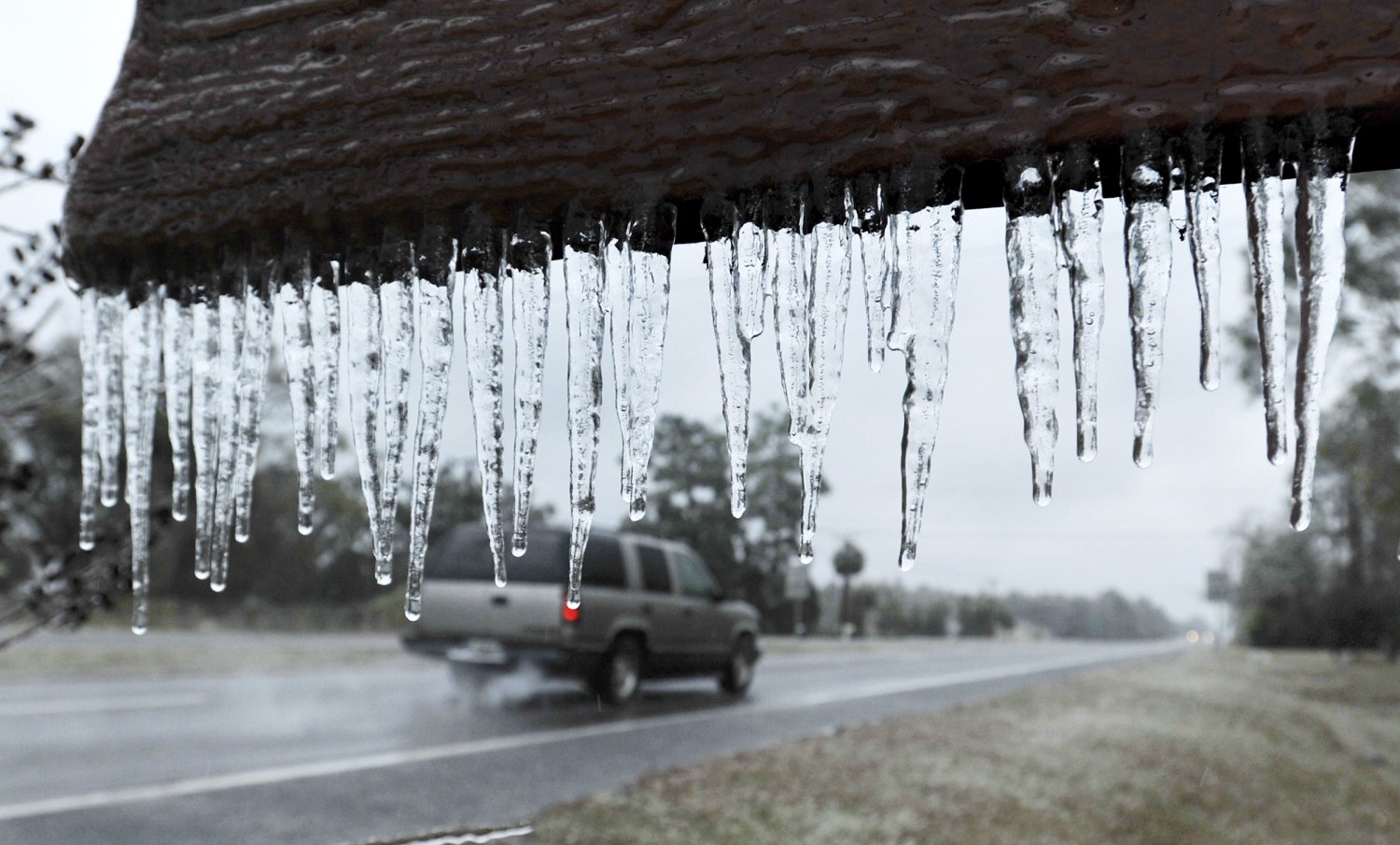
The conditions necessary for snow to form and accumulate are quite specific: temperatures must be at or below freezing (32°F or 0°C) not only at the ground level but also throughout the atmosphere from the clouds down. Given Florida’s typical warmth, even if cold air masses push far enough south to bring freezing temperatures to the ground, the atmospheric conditions at higher altitudes are usually too warm for snowflakes to survive their descent. They often melt into rain or sleet before reaching the surface, explaining why any reported snow in Florida is almost always described as fleeting flurries.
The Elusive White Flakes: Historical Snowfall Events
Despite its reputation, Florida has, on a handful of occasions, witnessed snow. These events are so rare that they become memorable historical footnotes, cherished by those who experienced them. The first recorded instance of snow in Florida dates back to January 1899, when a brutal cold wave gripped much of the United States. On February 13, 1899, Jacksonville recorded 2 inches of snow, an unprecedented accumulation that paralyzed the city and remains its heaviest snowfall on record. This extreme event saw temperatures drop to as low as 10°F (-12°C) in parts of northern Florida.
However, the most famous and widespread snowfall event occurred on January 19, 1977. This particular cold front plunged temperatures across the entire state, bringing measurable snow to parts of northern Florida and flurries as far south as [Miami](https://lifeoutofthebox.com/miami] and Miami Beach. It was a momentous occasion, marking the first and only time snow had been observed in Miami in recorded history. Even cities like Orlando, home to some of the world’s most famous theme parks, experienced light snow flurries that day, causing immense excitement and disbelief among residents and tourists alike. The snow didn’t accumulate significantly in most areas and melted quickly, but the visual of snow falling on palm trees and citrus groves was truly unforgettable.
Other notable, albeit less widespread, snow events include December 1989, when a severe cold snap brought snow flurries to Jacksonville and other northern Florida cities. More recently, in January 2018, a “bomb cyclone” brought freezing rain and light snow to parts of northern Florida, including Tallahassee, which saw its first measurable snowfall in decades. These incidents, while rare, serve as a testament to the unpredictable nature of weather and the occasional southward reach of powerful cold air masses. They are, however, isolated incidents and not indicative of a trend towards Florida becoming a snowy destination.
Beyond the Blizzard: Why Travelers Flock to Florida (Snow or No Snow)
While the occasional snowflake might be a fun novelty, it is decidedly not what draws millions to Florida each year. The state’s consistent warmth, diverse attractions, and vibrant culture create an irresistible allure for all types of travelers, from families seeking thrilling adventures to couples desiring romantic getaways and retirees enjoying leisurely long-term stays. Florida consistently ranks among the top travel destinations globally, offering an unparalleled array of experiences that cater to every whim and budget.
World-Class Attractions and Experiences
Florida’s reputation as a global tourism powerhouse is largely built upon its concentration of world-renowned theme parks. Orlando is famously home to the magical Walt Disney World Resort, an expansive wonderland offering four theme parks, two water parks, and countless entertainment options. Nearby, the Universal Orlando Resort captivates visitors with its thrilling rides and immersive experiences, notably The Wizarding World of Harry Potter. Beyond Orlando, Busch Gardens Tampa Bay combines adrenaline-pumping roller coasters with exotic animal encounters, while LEGOLAND Florida Resort in Winter Haven offers family-friendly fun focused on the iconic building bricks. These attractions are pivotal for family trips and offer endless entertainment guides and experiences.
Beyond the man-made marvels, Florida boasts some of the most beautiful beaches in the world, catering to every preference. From the lively shores and iconic pastel Art Deco architecture of South Beach in Miami Beach, perfect for those seeking vibrant nightlife and exquisite dining, to the pristine, sugar-sand beaches of Clearwater Beach on the Gulf Coast, consistently ranked among America’s best, there is a beach for everyone. Siesta Key Beach, near Sarasota, is another jewel, famous for its unique quartz sand that stays cool even on the hottest days. These coastal destinations are ideal for relaxation, water sports, and simply soaking up the sun.

Nature and wildlife enthusiasts are equally spoiled for choice. The vast and unique Everglades National Park offers airboat tours, hiking, and incredible opportunities to spot alligators, wading birds, and panthers. The Florida Keys, a string of tropical islands extending into the Atlantic Ocean and the Gulf of Mexico, are a paradise for diving, snorkeling, fishing, and boating, culminating in the laid-back charm of Key West. Biscayne National Park, primarily an aquatic park, protects coral reefs, islands, and shoreline mangrove forests, offering exceptional opportunities for snorkeling and kayaking.
Florida also offers a rich tapestry of history and culture. St. Augustine, the nation’s oldest continuously inhabited European-established settlement, provides a fascinating glimpse into colonial history with its cobblestone streets, historic forts, and charming architecture. Miami’s vibrant Cuban culture in Little Havana offers a taste of the Caribbean with its authentic food, music, and lively atmosphere. From exploring famous places and architectural wonders to delving into deep historical narratives, Florida offers diverse experiences that highlight its unique local culture and traditions.
Diverse Accommodation and Lifestyle Choices
To support this vibrant tourism ecosystem, Florida offers an incredibly diverse range of accommodation options, catering to every preference and budget. For those seeking luxury travel, world-renowned hotel brands like The Ritz-Carlton and Four Seasons have exquisite resorts scattered across the state, offering opulent suites, rejuvenating spas, gourmet dining, and unparalleled service. These resorts often come with extensive amenities, including championship golf courses, private beach access, and children’s programs, making them perfect for those desiring a sophisticated lifestyle experience.
Family trips are well-served by the myriad of family-friendly resorts, particularly around Orlando and the coastal areas, featuring sprawling pool complexes, kids’ clubs, and convenient access to attractions. For travelers desiring more space and flexibility, especially for longer stays or larger groups, the market for apartments, villas, and vacation homes is robust. Platforms for accommodation booking, reviews, and comparison make it easy to find everything from quaint beach cottages to expansive multi-bedroom villas with private pools. These options often provide a more local and immersive experience, aligning with various lifestyle choices, from budget travel to luxury retreats.
Moreover, Florida’s hotel landscape also includes charming boutique hotels in historic districts, budget-friendly motels for the economical traveler, and modern business-focused hotels in urban centers like Tampa and Jacksonville. Many hotels and resorts offer enticing amenities such as fitness centers, on-site restaurants, concierge services, and proximity to major landmarks. Whether you’re looking for an all-inclusive resort experience or a quaint guesthouse, the choices are virtually limitless, ensuring every visitor finds their ideal base for exploring the Sunshine State.
Preparing for Your Florida Escape: Tips for a Sunshine-Filled Trip
Planning a trip to Florida is an exciting endeavor, and a few strategic tips can help ensure your experience is as seamless and enjoyable as possible. Given its status as a major travel destination, understanding the best times to visit and how to navigate its various offerings is key to maximizing your sunshine-filled adventure.
When to Visit and What to Pack
The “best” time to visit Florida largely depends on your priorities. The peak tourist season typically runs from late fall through spring (roughly November to May), when the weather is at its most pleasant – sunny, dry, and comfortably warm with lower humidity. This period is ideal for theme park visits, beach relaxation, and outdoor activities like golf, tennis, and exploring natural parks. However, it’s also when destinations are most crowded, and accommodation prices tend to be higher. Spring Break in March and April sees a surge in college students and families, particularly in coastal party towns.
Summer (June to September) is Florida’s low season due to the heat, humidity, and daily afternoon thunderstorms, as well as the beginning of hurricane season. Despite this, many families still visit during school holidays, often taking advantage of lower hotel rates and fewer crowds at some attractions, though they must be prepared for the weather. Early fall (September to October) still carries hurricane risks but can offer a good balance of diminishing crowds and warm, though still humid, weather.
When it comes to packing, light, breathable clothing is essential year-round. Even in winter, daytime temperatures often warrant shorts or light trousers and t-shirts, though a light jacket or sweater is advisable for cooler evenings, especially in northern Florida or for air-conditioned indoor spaces. For any season, swimwear, sunscreen, sunglasses, a wide-brimmed hat, and comfortable walking shoes are non-negotiables. If you plan on exploring nature, insect repellent is also highly recommended. Don’t forget any necessary medications and chargers for your electronic devices.
Navigating the State and Maximizing Your Experience
Getting around Florida is generally easiest with a rental car, especially if you plan to explore multiple cities, attractions, or natural parks. The state has an extensive network of well-maintained highways, including toll roads, that connect its major destinations. Booking your rental car in advance, especially during peak season, is always a good tip. In larger cities like Miami and Orlando, ride-sharing services and limited public transportation options are available, but a car offers the most freedom. For island-hopping in the Florida Keys, the scenic Overseas Highway is an experience in itself.
Florida’s culinary scene is as diverse as its landscapes. Seafood is a highlight, with fresh catches like Grouper, Mahi-Mahi, and Snapper readily available, especially along the coasts. In Miami, indulging in authentic Cuban sandwiches, croquetas, and strong Cuban coffee is a must-do cultural experience. No trip to Florida is complete without trying a slice of Key Lime Pie, a tart and sweet dessert originating from the Florida Keys. For families, character dining at theme parks offers unique experiences, while luxury travelers can find upscale dining in sophisticated resorts and urban centers.
Beyond the main attractions, consider activities like kayaking or paddleboarding in crystal-clear springs, exploring charming small towns, golfing on one of the state’s numerous courses, or shopping at outlet malls. For budget travelers, exploring free beaches, state parks, and taking advantage of hotel deals during the off-season can significantly reduce costs. Luxury seekers can indulge in yacht charters, spa treatments, and private tours. Families will appreciate the abundance of kid-friendly museums, animal encounters, and themed events throughout the year. Always check local events calendars for festivals and concerts that might align with your travel dates, adding a unique local culture dimension to your trip.
In essence, whether you’re planning a thrilling family vacation, a romantic escape, or a relaxing long-term stay, Florida offers an unparalleled array of experiences. Its infrastructure for tourism, accommodation options ranging from luxury resorts to cozy apartments, and guides for every type of experience are all designed to ensure a memorable visit.
In conclusion, while the rare and fleeting phenomenon of snow in Florida might occasionally make headlines, it remains a charming anomaly rather than a defining characteristic of the Sunshine State. Florida’s enduring appeal lies in its unwavering commitment to warmth, sunshine, and an astonishing diversity of experiences. From the thrilling rides of its iconic theme parks and the tranquil beauty of its world-class beaches to the rich tapestry of its history and the vibrant pulse of its cities, Florida consistently delivers on its promise of an unforgettable getaway. So, pack your swimsuits and sunglasses, not your snow boots, and prepare to immerse yourself in the endless summer that awaits you in Florida.
LifeOutOfTheBox is a participant in the Amazon Services LLC Associates Program, an affiliate advertising program designed to provide a means for sites to earn advertising fees by advertising and linking to Amazon.com. Amazon, the Amazon logo, AmazonSupply, and the AmazonSupply logo are trademarks of Amazon.com, Inc. or its affiliates. As an Amazon Associate we earn affiliate commissions from qualifying purchases.