
For anyone planning a trip to the bustling metropolis of New York, understanding its time zone is a fundamental step in ensuring a smooth and enjoyable experience. The simple answer to “Is New York Eastern Standard Time?” is both yes and no, depending on the time of year. While New York does indeed observe Eastern Standard Time (EST) for several months, it also transitions to Eastern Daylight Time (EDT) during the warmer seasons. This seasonal shift, driven by Daylight Saving Time (DST), has significant implications for travelers, affecting everything from flight schedules and hotel check-ins to tour bookings and the overall rhythm of your visit. Delving into the nuances of New York’s timekeeping is crucial for any discerning traveler looking to maximize their adventure in this iconic destination.
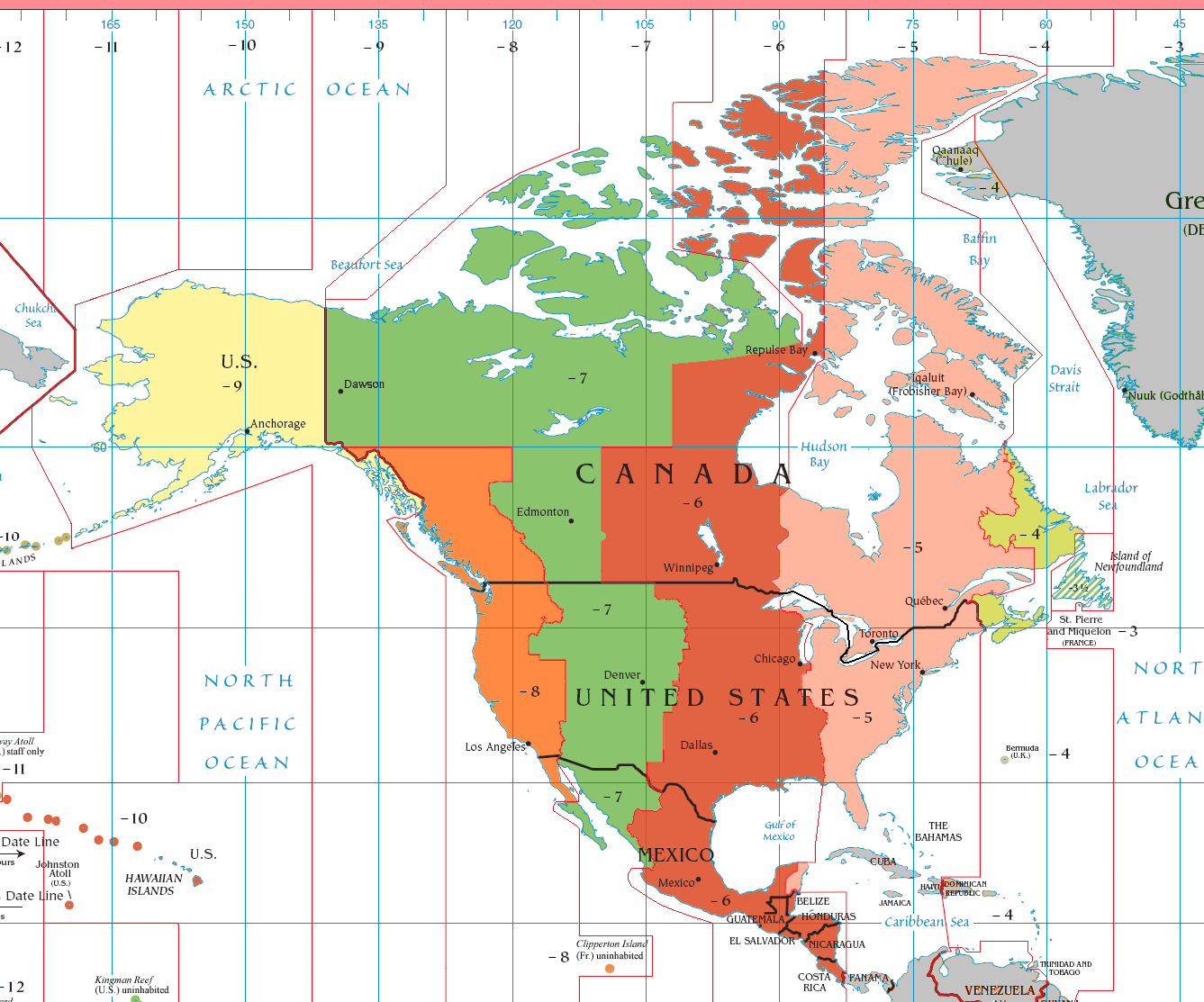
Understanding Eastern Time: EST and EDT in New York
The concept of time zones can often be a source of confusion, especially when Daylight Saving Time comes into play. For travelers heading to New York, grasping the distinction between Eastern Standard Time and Eastern Daylight Time is essential for seamless planning and execution of their journey. This dynamic ensures that the city, like much of the eastern United States, optimizes daylight hours throughout the year.
The Foundation: Eastern Standard Time (EST)
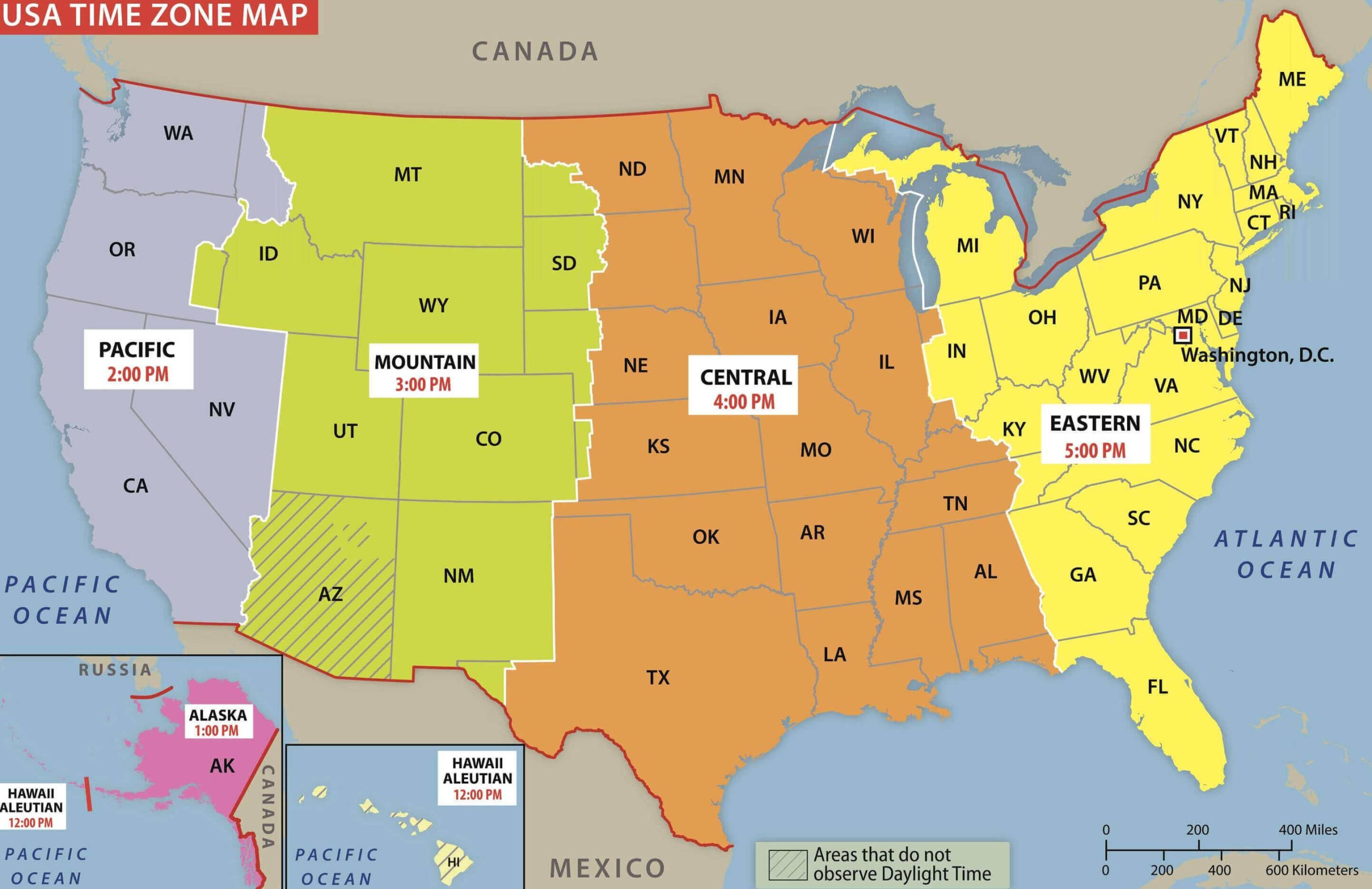
Eastern Standard Time (EST) is the base time zone for New York and a large portion of the eastern seaboard of North America. Defined as UTC-5 (Coordinated Universal Time minus five hours), EST is observed during the cooler months, typically from early November to mid-March. During this period, when clocks are set back an hour from Daylight Saving Time, mornings arrive earlier and evenings draw in sooner. For visitors traveling during these months, particularly those seeking the quintessential winter wonderland experience, understanding this fixed time offers a predictable schedule for exploring New York City’s holiday attractions, cozy museums, and vibrant nightlife.
The Seasonal Shift: Eastern Daylight Time (EDT)
As spring blossoms, New York transitions from Eastern Standard Time to Eastern Daylight Time (EDT). This change typically occurs on the second Sunday in March, when clocks “spring forward” by one hour. Consequently, EDT is UTC-4, meaning it’s four hours behind Coordinated Universal Time. This shift extends daylight into the evening, providing more hours of sunlight for outdoor activities, sightseeing, and enjoying the city’s parks and open spaces. The return to Eastern Standard Time happens on the first Sunday in November, when clocks “fall back” an hour. For tourists planning summer or fall excursions, the extended daylight hours of EDT can significantly enhance their travel experiences, offering longer evenings to explore landmarks and enjoy al fresco dining.
Why Knowing Your Time Zone Matters for Travel
For any traveler, ignoring the intricacies of time zones, especially in a dynamic city like New York, can lead to logistical headaches and missed opportunities. Crucially, flight schedules, hotel check-in and check-out times, and transportation services are all meticulously aligned with the local time zone. Arriving an hour early or late for a pre-booked Statue of Liberty tour or a coveted Broadway show can disrupt your entire itinerary. Furthermore, coordinating with friends, family, or business contacts in different time zones requires a clear understanding of whether New York is currently on EST or EDT. This knowledge forms the bedrock of efficient travel planning, enabling visitors to make the most of every moment in the city that never sleeps.
Seamless Travel: Managing Time Differences and Jet Lag in the Big Apple
Successfully navigating time differences is a hallmark of an experienced traveler, especially when journeying to a vibrant hub like New York City. The impact of jet lag can significantly diminish the enjoyment of your trip, turning exciting adventures into sleep-deprived struggles. Implementing strategies to adjust to Eastern Time both before and during your visit is paramount for an energetic and fulfilling exploration of everything New York has to offer.
Preparing for Arrival: Pre-Trip Time Adjustments
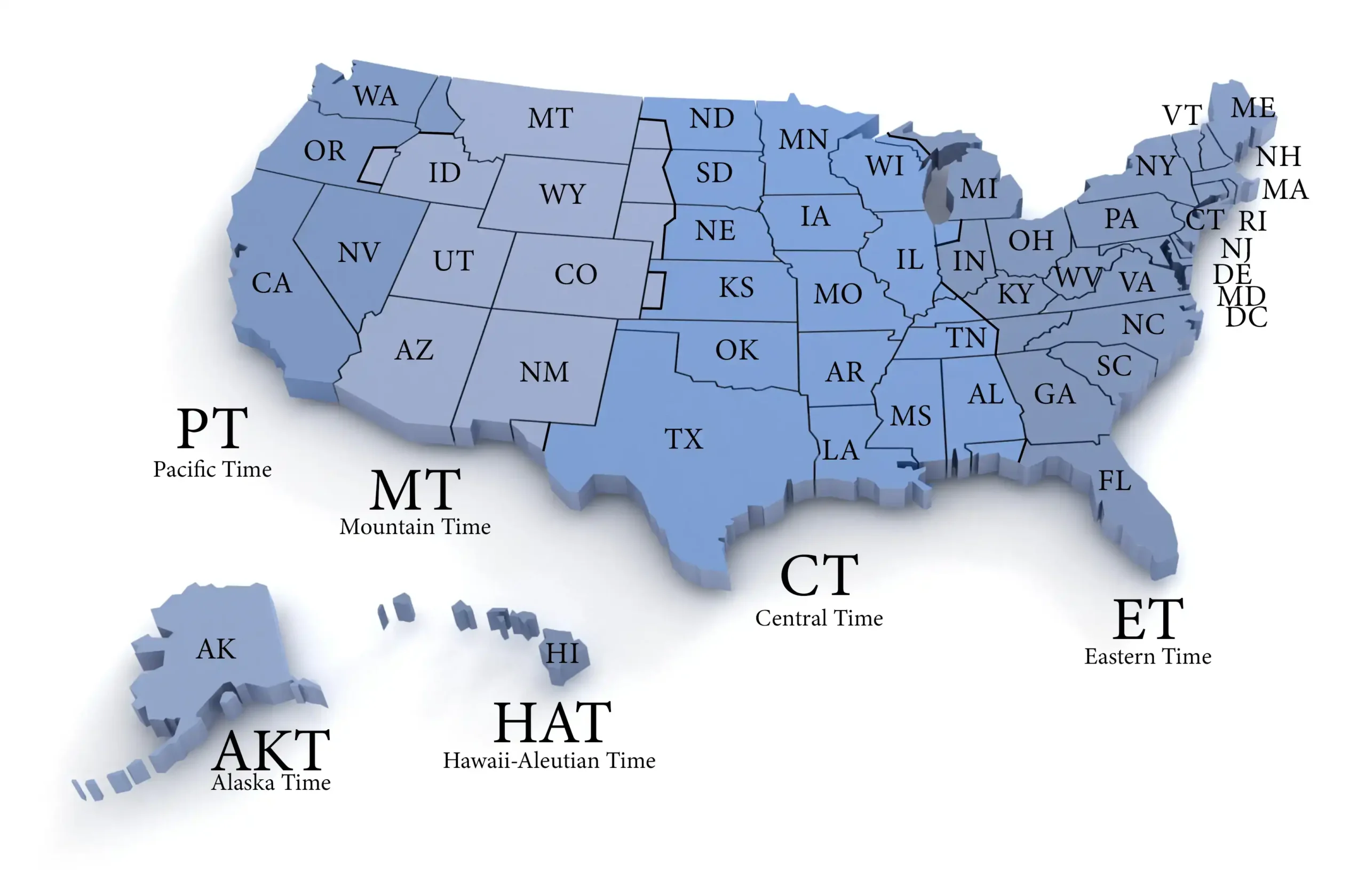
One of the most effective ways to mitigate jet lag is to begin adjusting your internal clock before you even depart. For travelers heading east to New York, gradually shifting your bedtime and wake-up time an hour earlier each day in the few days leading up to your trip can make a significant difference. Staying well-hydrated and opting for lighter meals during your flight can also help. Upon boarding, immediately set your watch or smartphone to New York’s current time, whether it’s Eastern Standard Time or Eastern Daylight Time. Mentally committing to the destination’s time zone from the moment you leave can greatly aid your body’s adaptation, minimizing the shock of a sudden shift and allowing you to hit the ground running upon arrival.
Conquering Jet Lag: Strategies for an Energetic Visit
Once you’ve landed in New York, the battle against jet lag truly begins. The key is to quickly immerse yourself in the local time. Prioritize exposure to natural daylight, especially in the morning, which helps reset your circadian rhythm. Avoid the temptation to take long naps during the day; instead, push through until the local bedtime, even if it feels incredibly early to your body. If a nap is absolutely necessary, keep it short (20-30 minutes). Be mindful of your caffeine and alcohol intake, as both can interfere with sleep patterns. Gentle exercise, such as a walk through Central Park, can also boost energy levels and promote better sleep later. By actively engaging with New York’s daily rhythm, you can significantly reduce the effects of jet lag and feel more vibrant for your adventures.
Optimizing Your Itinerary: Time Management in NYC
Effective time management is crucial for experiencing New York without feeling rushed or overwhelmed. Factor in not just the duration of attractions but also travel time between locations. New York City’s subway system is efficient, but unforeseen delays can occur. Plan morning activities for popular landmarks like the Empire State Building or the Metropolitan Museum of Art to avoid peak crowds, and schedule evening entertainment like a Broadway show or a visit to a rooftop bar well in advance. Utilize technology, such as smartphone calendars and time zone converter apps, to keep track of your schedule and coordinate with others. A thoughtfully planned itinerary, considering the flow of local time, will ensure you capture the essence of New York without missing a beat.
Beyond the Clock: Experiencing New York’s Lifestyle and Landmarks
Understanding New York’s time zone goes beyond mere logistics; it’s about syncing with the very pulse of the city. The rhythm of daily life, from the bustling morning commute to the glittering nightlife, is dictated by Eastern Time. By aligning your travel plans with this temporal framework, you unlock a more authentic and immersive experience, allowing you to truly live the New York lifestyle and explore its iconic landmarks at their optimal moments.
Booking Smart: Accommodations and Attractions by the Clock
When arranging your New York visit, every booking hinges on the local time. Hotels, whether it’s a luxury suite or a budget-friendly apartment, adhere strictly to check-in and check-out times, typically around 3 PM and 11 AM Eastern Time respectively. Factor in your arrival time at JFK or LaGuardia and the commute to your accommodation to avoid unexpected waiting periods or additional charges for early check-in. Many popular attractions, such as the Top of the Rock observation deck or a guided tour of the Brooklyn Bridge, operate with timed entry slots that sell out quickly. Ensuring your reservations are correctly aligned with EST or EDT is critical for a smooth, stress-free itinerary.
Exploring Iconic New York: Timing Your Visits
The timeless appeal of New York’s landmarks is amplified when visited at the right time of day. Early mornings offer serene views of Times Square before the crowds descend, or a peaceful stroll through Central Park as the city awakens. Museums like the MoMA often have specific hours, with some offering late-night openings on certain days, which can be ideal for a relaxed cultural experience. Conversely, sunset is a magical time for observation decks, offering breathtaking panoramic views as the city lights up, provided you’ve booked your tickets well in advance to secure those coveted spots. Being cognizant of operating hours and peak times, all regulated by Eastern Time, enables you to craft an itinerary that minimizes waiting and maximizes your enjoyment.
Embracing the City’s Rhythm: From Dawn to Dusk
Beyond specific attractions, understanding New York’s time zone allows you to truly immerse yourself in the local lifestyle. The shift between Eastern Standard Time and Eastern Daylight Time dictates the length of daylight hours, influencing everything from dining schedules to evening entertainment. In summer, the extended daylight encourages longer walks, outdoor concerts, and lingering over al fresco meals. In winter, the earlier sunsets invite a shift to cozy indoor activities, festive lights, and world-class Broadway productions. Whether you’re catching a sunrise over the East River or experiencing the vibrant pulse of a late-night jazz club, living by New York’s clock allows you to embrace the city’s unique energy at every hour.
In conclusion, New York operates on Eastern Standard Time (EST) during colder months and Eastern Daylight Time (EDT) during warmer periods, dictated by the observance of Daylight Saving Time. For any traveler, this dual timekeeping system is not just a geographical detail but a crucial element of trip planning. From managing jet lag and coordinating bookings to optimizing visits to world-famous landmarks and truly experiencing the city’s unique lifestyle, a clear understanding of New York’s time zone is indispensable. Embrace the rhythm of the Big Apple, adjust your clock, and get ready to explore one of the world’s most captivating destinations with confidence and ease.
LifeOutOfTheBox is a participant in the Amazon Services LLC Associates Program, an affiliate advertising program designed to provide a means for sites to earn advertising fees by advertising and linking to Amazon.com. Amazon, the Amazon logo, AmazonSupply, and the AmazonSupply logo are trademarks of Amazon.com, Inc. or its affiliates. As an Amazon Associate we earn affiliate commissions from qualifying purchases.