
When planning a trip, exploring potential new homes, or simply curious about the sprawling metropolis of Los Angeles, a common question arises: “What is Los Angeles’s zip code?” The answer, much like the city itself, is complex and multifaceted. Los Angeles isn’t defined by a single zip code but rather a vibrant mosaic of hundreds, each delineating distinct neighborhoods, communities, and even lifestyles. Understanding these postal codes offers a unique lens through which to explore the city’s vast geographical tapestry, from the sun-kissed beaches to the glittering urban core and the serene mountain foothills. This guide delves into the significance of Los Angeles’s zip codes, revealing how they are instrumental in navigating the city’s diverse attractions, finding the perfect accommodation, and experiencing its rich local culture and varied lifestyles.
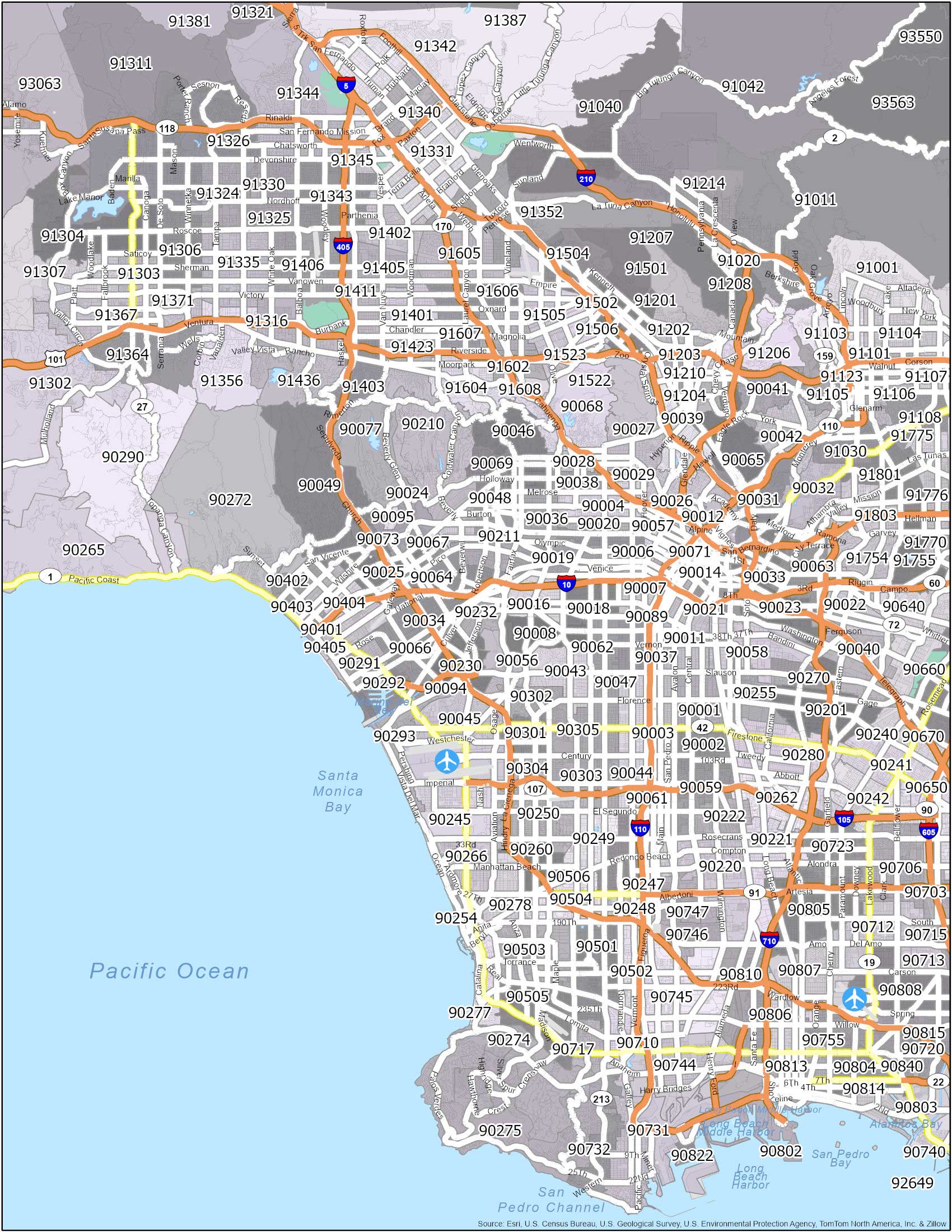
Understanding Los Angeles’s Geographic Tapestry and Zip Codes
Los Angeles, often referred to as the “City of Angels,” is not just a city but a county, a collection of dozens of cities, and an intricate web of unincorporated communities. Its immense size and population make a single zip code impossible and impractical. Instead, the United States Postal Service has assigned numerous 5-digit zip codes, each serving a specific geographical area. These codes are far more than just mailing identifiers; they are crucial markers that define distinct neighborhoods, influencing everything from local culture and economic demographics to property values and, significantly for travelers, the types of experiences and accommodations available.
For visitors, understanding the zip code map of Los Angeles is akin to possessing a secret guide to the city. It allows for a more targeted approach to travel planning, helping to pinpoint areas that align with specific interests, whether that’s luxury travel, budget-friendly adventures, family trips, or business stays. Each zip code area often boasts its own unique set of attractions, dining scenes, and accommodation options, from high-end hotels and resorts to cozy apartments and long-term stay villas.
The Diversity of LA’s Postal Zones
The sheer diversity encompassed within Los Angeles County is astounding. Zip codes help to delineate this diversity, carving out areas known for their entertainment industry ties, their artistic communities, their natural beauty, or their historical significance. For example, the luxurious estates of Beverly Hills are immediately recognizable by their 90210 zip code, while the creative pulse of Downtown Los Angeles might fall within 90012, 90013, 90014, or 90015. The sun-drenched shores of Santa Monica are served by several codes, including 90401-90409, indicating its vast beachfront and residential areas.
This geographical segmentation by zip code significantly impacts tourism. It means a trip to one part of Los Angeles can feel entirely different from a visit to another, even if they are relatively close on a map. Travelers can tailor their itineraries, choosing to stay within a zip code that offers the specific ambiance, attractions, and amenities they seek. For instance, a culture enthusiast might book accommodation in an apartment in the Arts District of Downtown Los Angeles, immersing themselves in galleries and vibrant street art, while a beach lover might opt for a resort along the coast in Malibu. This granularity provided by zip codes is invaluable for crafting personalized and memorable Los Angeles experiences.
Iconic Neighborhoods and Their Defining Zip Codes
To truly understand Los Angeles, one must delve into its most iconic neighborhoods, each with its unique character, attractions, and, of course, zip codes. These postal identifiers act as geographical anchors, guiding visitors to specific types of destinations, from celebrity hotspots to cultural enclaves and serene natural retreats.
From the Glitz of Beverly Hills to the Beaches of Santa Monica
- Beverly Hills (90210): Synonymous with luxury and glamour, Beverly Hills is a prime destination for upscale travel. Its zip code, 90210, instantly conjures images of opulent hotels, designer boutiques along Rodeo Drive, and sprawling celebrity mansions. Here, accommodation options include world-renowned hotels known for their lavish suites and impeccable service, catering to those seeking a luxury travel experience. Beyond shopping, visitors can indulge in gourmet dining, explore art galleries, and simply soak in the exclusive atmosphere. It’s a key destination for anyone interested in the opulent lifestyle and famous places.
- Hollywood (90028, 90068): The heart of the entertainment industry, Hollywood boasts several zip codes that cover its iconic landmarks. Areas like 90028 and 90068 are home to the Hollywood Walk of Fame, the historic TCL Chinese Theatre, and the Dolby Theatre. Tourism in Hollywood thrives on its rich history, architecture, and the allure of movie magic. Hotels here range from historic establishments to modern suites, providing convenient access to attractions like Universal Studios Hollywood and the Warner Bros. Studio Tour Hollywood. A hike up to the Griffith Observatory (90027, just adjacent to main Hollywood areas) offers breathtaking views of the city skyline and the iconic Hollywood Hills sign, merging nature with urban exploration.
- Santa Monica (90401-90409): Offering a quintessential California beach experience, Santa Monica’s zip codes span its vibrant downtown, residential areas, and stunning coastline. The famous Santa Monica Pier is a landmark attracting families and fun-seekers, while the Third Street Promenade offers excellent shopping and dining. Accommodation in Santa Monica includes a wide array of resorts, boutique hotels, and beachfront apartments, perfect for those seeking a relaxing long-term stay or a memorable family trip. The local culture here is laid-back and health-conscious, with plenty of outdoor activities by the Pacific Ocean.
Downtown LA: The Urban Core and Cultural Hub
- Downtown Los Angeles (90012, 90013, 90014, 90015): Once primarily a business district, Downtown Los Angeles (DTLA) has transformed into a thriving cultural and residential hub, encompassing multiple zip codes. It’s a prime example of urban revitalization, offering a dynamic experience for business stays and cultural exploration. Landmarks like the Walt Disney Concert Hall, The Broad museum, and the historic Grand Central Market draw visitors from around the globe. Accommodation ranges from luxury hotels to stylish apartment hotels, catering to diverse budgets and preferences. DTLA’s food scene is incredibly diverse, reflecting the city’s multiculturalism, and its nightlife is vibrant. Sports fans will also appreciate its proximity to the Crypto.com Arena, home to major sports teams and concerts.
Exploring Beyond the Postcard: Lesser-Known Gems and Their Codes
- Venice Beach (90291): Just south of Santa Monica, Venice Beach offers a distinctly bohemian vibe. Its 90291 zip code is synonymous with eccentric street performers, vibrant murals, and a bustling boardwalk. This area is a must-visit for those seeking unique experiences and local culture that deviates from the mainstream. Accommodation here includes quirky boutique hotels and numerous vacation rentals, ideal for a more immersive, budget-conscious, or long-term stay.
- Malibu (90263, 90265): Further up the coast from Santa Monica, Malibu offers stunning natural beauty, luxurious homes, and a relaxed, upscale beach lifestyle. Its zip codes, particularly 90265, cover miles of pristine coastline, surf spots, and hiking trails in the Santa Monica Mountains. Luxury resorts and villas are prevalent here, offering an exclusive retreat for those seeking nature and high-end accommodation. Landmarks include the Getty Center (though technically in Los Angeles, it’s close enough to be a significant draw for Malibu visitors) and scenic drives along the Pacific Coast Highway.
- Pasadena (91101-91110): Northeast of Downtown Los Angeles, Pasadena is a city within Los Angeles County known for its historic architecture, vibrant Old Town, and cultural institutions. Its various zip codes encompass a blend of residential charm and urban sophistication. Pasadena is home to the famous Rose Bowl Stadium, the Norton Simon Museum, and the exquisite Huntington Library, Art Museum, and Botanical Gardens. It offers a more relaxed pace than central LA but with plenty of attractions for family trips and cultural exploration. Hotels in Pasadena range from historic establishments to modern suites, providing excellent value and a different perspective on Southern California.
Other notable areas worth exploring include the vibrant nightlife of West Hollywood (90069), the rich Korean culture and food scene of Koreatown (90005, 90006), and the trendy, artistic communities of Silver Lake and Echo Park (both generally covered by 90026). Each zip code unlocks a different facet of Los Angeles, promising unique travel experiences, local food, and diverse lifestyles.

Planning Your Los Angeles Journey by Zip Code
For any traveler, whether a first-time visitor or a seasoned explorer, harnessing the power of Los Angeles’s zip codes can revolutionize trip planning. It’s not just about getting mail delivered; it’s about strategically choosing your destinations, accommodations, and activities to maximize your experience and align with your travel objectives.
Choosing Your Accommodation and Experience
Your chosen zip code significantly dictates the type of hotels, resorts, apartments, or villas available, as well as the overall cost and ambiance of your stay.
- Luxury Travel: If your lifestyle gravitates towards luxury, searching for hotels in 90210 (Beverly Hills) or high-end resorts in 90265 (Malibu) will yield results replete with opulent suites, exquisite amenities, and unparalleled service.
- Budget Travel: For budget-conscious travelers, areas slightly outside the prime tourist hotspots, or specific zip codes in neighborhoods like 90026 (Silver Lake/Echo Park) or 90005 (Koreatown), may offer more affordable accommodation options, including charming boutique hotels or well-reviewed apartments for long-term stays.
- Family Trips: Families might prioritize zip codes offering proximity to family-friendly attractions and hotels with suitable amenities. For example, staying in 90401 (Santa Monica) puts you near the Santa Monica Pier and beaches, while areas around 91101 (Pasadena) offer access to museums and gardens. For theme park enthusiasts, while not in Los Angeles proper, hotels in Anaheim (92802), near Disneyland Park, are often considered for a wider Southern California experience.
- Business Stays: For those on business trips, hotels in the 90012-90015 range (Downtown Los Angeles) provide convenient access to financial districts, convention centers, and corporate offices, often with excellent business facilities. Reviews and comparison tools for accommodation booking become particularly useful here.
By identifying the zip codes of your desired destinations and attractions—be it the Dodger Stadium (90012 vicinity) for a game, the historical Olvera Street (90012) for cultural immersion, or Exposition Park (90037) for the Natural History Museum of Los Angeles County and California Science Center—you can streamline your search for nearby hotels and plan your travel logistics more efficiently.
Navigating LA’s Vastness: Transportation and Geographical Considerations
Los Angeles is famously spread out, and understanding the geographical layout implied by zip codes is crucial for efficient transportation. A trip from a hotel in 90401 (Santa Monica) to attractions in 90028 (Hollywood) can take considerable time due to traffic, even though they are within the same metropolitan area. Knowing the general direction and distance between different zip codes allows travelers to:
- Optimize Routes: Plan travel itineraries that group attractions within similar zip code ranges or along logical routes, minimizing travel time and maximizing sightseeing.
- Choose Transportation: Decide whether public transport, ride-sharing, or renting a car is most suitable for navigating between chosen zip codes. Some areas, like parts of Downtown Los Angeles, are very walkable, while others, like the expanse of Malibu, require a vehicle.
- Budget for Travel: Factor in the cost of transportation based on the distances between your chosen zip code-defined destinations.
The zip code also helps in understanding the local landscape. For instance, areas with codes starting 900xx are typically closer to the urban core, while those starting 902xx or 904xx might signify coastal communities. Higher numbers, like those in 910xx (Pasadena) or 913xx (San Fernando Valley), indicate further-flung suburbs, each with its own charm and attractions. From scenic drives through the Angeles National Forest (spanning various mountain zip codes) to city views from Runyon Canyon Park (near 90046), geographical awareness tied to zip codes enhances the overall travel guide experience.
The Lifestyle and Economic Impact of Los Angeles’s Zip Codes
Beyond their practical use for navigation and mail delivery, Los Angeles’s zip codes are deeply intertwined with the city’s diverse lifestyles and economic landscape. They often serve as shorthand for social status, community identity, and market value.
Real Estate, Luxury, and Accessibility
The numeric sequences of Los Angeles’s zip codes tell a story of wealth distribution, property value, and accessibility to amenities. The infamous 90210 is not just a mailing address but a global symbol of affluence, where real estate commands premium prices and luxury lifestyle is the norm. Similarly, other coastal zip codes in areas like Malibu reflect exclusive beachfront living and high-end tourism.
Conversely, zip codes in more historically working-class or developing neighborhoods often represent more accessible living options, offering budget travel and accommodation choices. This disparity influences the types of hotels, resorts, and apartments available, with some zip codes offering opulent suites and villas, while others focus on providing comfortable, affordable long-term stay options.
For travelers and potential residents alike, these distinctions are crucial. Those seeking a high-end experience, complete with luxury shopping and gourmet dining, will naturally gravitate towards areas defined by affluent zip codes. Others, perhaps on a budget travel plan or interested in local culture and authentic experiences, might explore the diverse offerings of less publicized postal zones, where hidden gems in food, art, and community activities await. The economic implications also extend to local businesses, as zip codes can dictate the types of restaurants, shops, and services that thrive in a given area, enriching the tourism experience with unique local flavors.
Conclusion
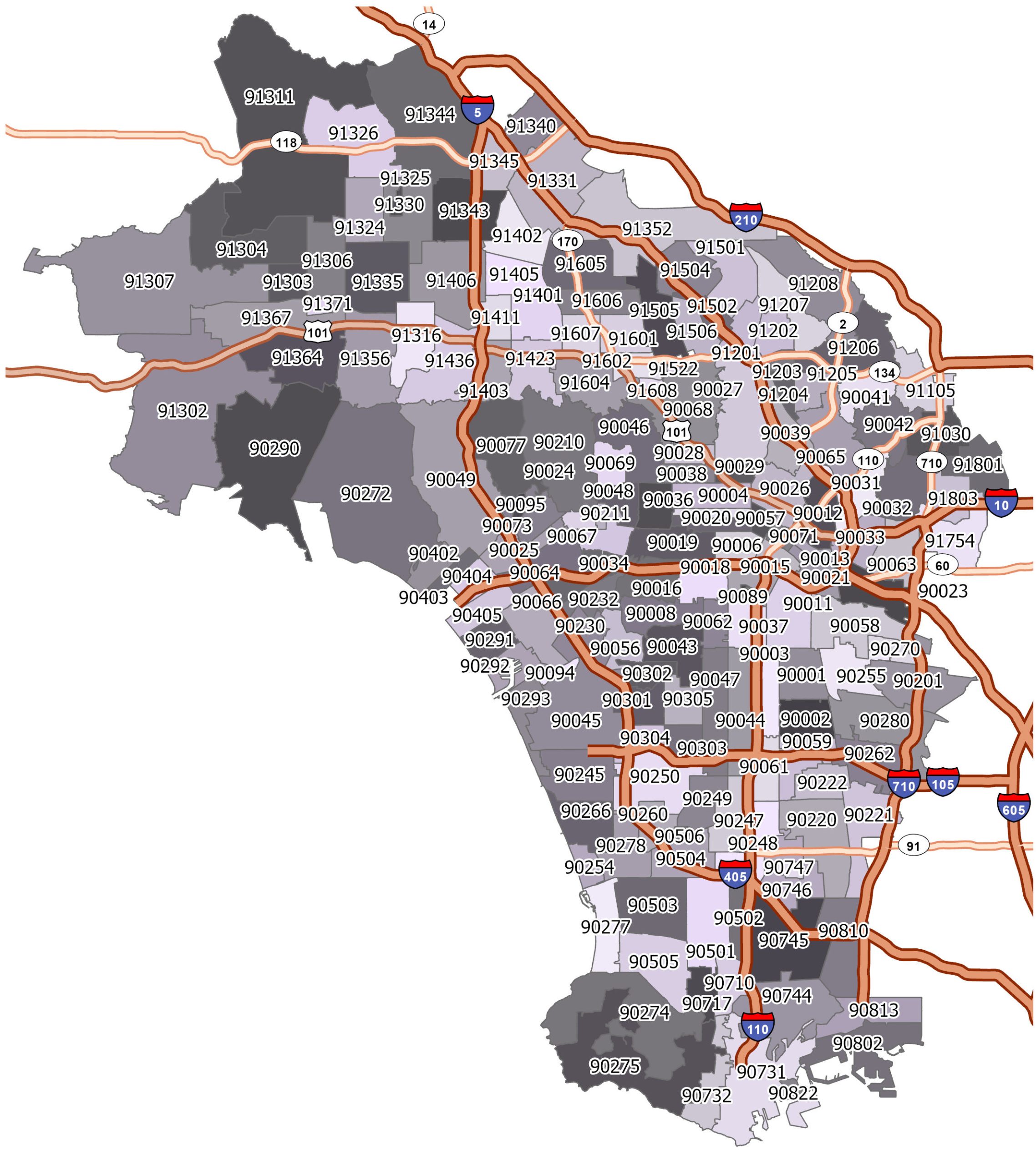
The question “What is Los Angeles zip code?” reveals a much deeper narrative than a simple five-digit answer. It unveils a complex, sprawling metropolis segmented into hundreds of unique communities, each defined by its own postal identifier. From the glitzy allure of Beverly Hills (90210) to the bohemian spirit of Venice Beach (90291), and the urban renaissance of Downtown Los Angeles (90012, etc.), these zip codes are more than just addresses; they are keys to unlocking distinct travel destinations, accommodation options, and lifestyle experiences.
For anyone planning a visit or considering a long-term stay, understanding the significance of Los Angeles’s zip code mosaic is indispensable. It empowers you to navigate the city’s vastness, choose the perfect hotels or apartments that align with your budget and preferences, and immerse yourself in the local culture, food, and attractions that truly define each unique corner of this incredible city. Whether you seek luxury travel, budget adventures, family fun, or business stays, the zip code serves as your ultimate guide to exploring the endless possibilities within the City of Angels.
LifeOutOfTheBox is a participant in the Amazon Services LLC Associates Program, an affiliate advertising program designed to provide a means for sites to earn advertising fees by advertising and linking to Amazon.com. Amazon, the Amazon logo, AmazonSupply, and the AmazonSupply logo are trademarks of Amazon.com, Inc. or its affiliates. As an Amazon Associate we earn affiliate commissions from qualifying purchases.