
New York City, a titan among global metropolises, is renowned for its iconic skyline, unparalleled cultural experiences, and an energy that electrifies all who visit or call it home. But beneath the surface of its glittering attractions and bustling streets lies a fundamental question that shapes every facet of its existence: what is its population? Understanding the sheer number of people who reside in, work in, and visit the Big Apple is not merely a statistical exercise; it’s key to comprehending its unique dynamics, from the intricate web of its public transportation system to the diverse array of hotels, world-class landmarks, and the captivating lifestyle it offers. This article delves into the fascinating demographics of New York City, exploring how its colossal population influences everything from travel and tourism to the very fabric of daily life in one of the world’s most vibrant destinations.

The population of New York City is far more than a simple headcount. It’s a pulsating force that dictates urban planning, economic growth, and the cultural melting pot for which the city is famous. For anyone planning to travel to, or contemplating a long-term stay in, this incredible destination, grasping its population dynamics provides invaluable insight into what makes New York City tick. From the moment you step off the plane, you become part of this colossal, moving human tapestry, experiencing firsthand how its immense population has crafted a city of unparalleled opportunities and unforgettable experiences.
The Numbers Game: Understanding NYC’s Resident Population
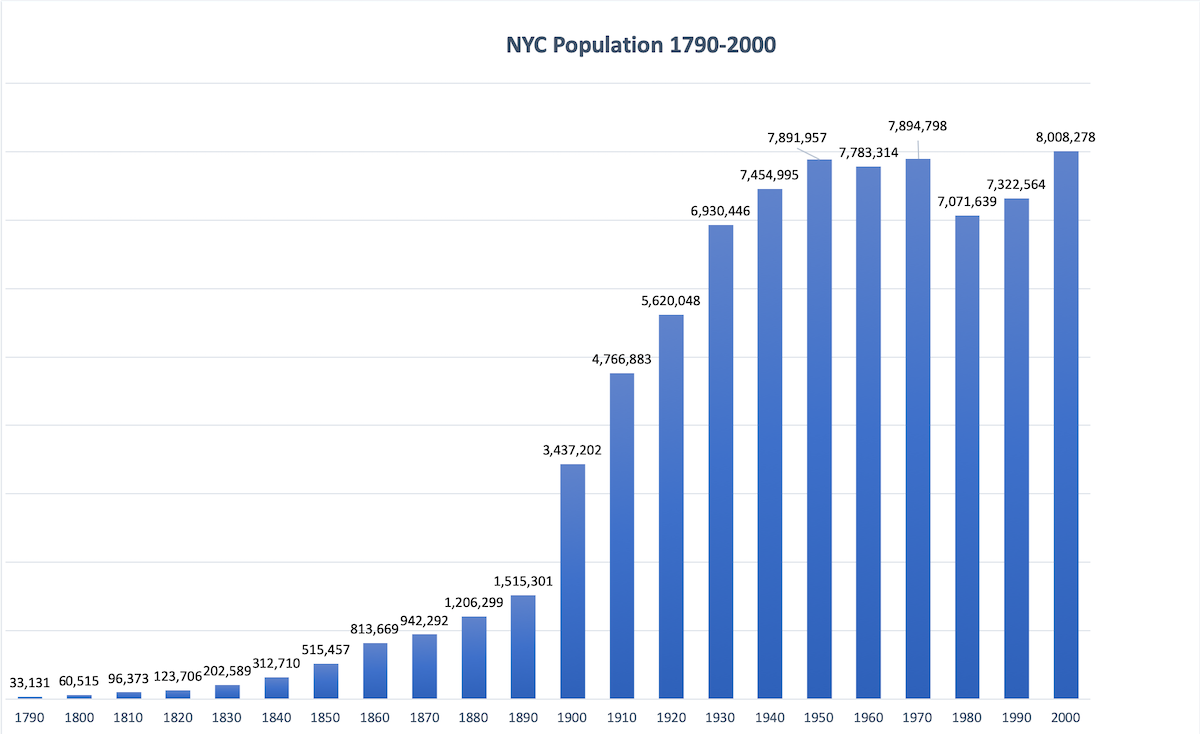
At its core, New York City is defined by its residents. These are the people who live within its five distinct boroughs, contribute to its economy, and shape its neighborhoods. Their sheer numbers are staggering, making New York City the most populous city in the United States and a major global hub.
A City of Millions: Current Demographics
As of the latest official estimates from the United States Census Bureau, the resident population of New York City hovers around 8.8 million people. This makes it an incredibly dense urban environment, a defining characteristic that influences nearly every aspect of life within its confines. This figure represents a slight increase over previous decades, showcasing the city’s enduring appeal as a destination for those seeking opportunity, culture, and a fast-paced lifestyle. Throughout its history, New York City has been a beacon for immigrants from every corner of the globe, each wave contributing to its demographic richness and shaping its unique identity. This continuous influx has created a city that is not only vast in numbers but also incredibly diverse, with over 200 languages spoken, making it a microcosm of the entire world. This incredible diversity is a major draw for tourists seeking authentic cultural experiences, from exploring vibrant ethnic enclaves to sampling global cuisines. Understanding this foundational number is essential to appreciating the logistical marvels required to sustain such a massive urban center, from its intricate public services to its robust infrastructure.
The Five Boroughs: A Mosaic of Communities
The total population of New York City is not uniformly distributed but rather spread across its five distinct boroughs, each boasting its own unique character, demographics, and allure for residents and visitors alike.
-
Manhattan, though geographically the smallest, is the beating heart of the city’s commerce, finance, and tourism. With a population of around 1.6 million, it boasts some of the highest population densities in the world, giving rise to its iconic skyscrapers and relentless energy. It’s home to world-famous landmarks like Times Square, the Empire State Building, and Central Park, making it a prime destination for hotels, luxury travel, and unforgettable experiences.
-
Brooklyn is the most populous borough, with over 2.7 million residents. Known for its vibrant arts scene, historic brownstones, and diverse neighborhoods, Brooklyn offers a more residential feel than Manhattan but still pulses with cultural life. Areas like Williamsburg and Dumbo have become hotspots for trendsetting restaurants, boutique hotels, and unique attractions, appealing to travelers looking for an authentic New York experience beyond the typical tourist trails.
-
Queens, with approximately 2.3 million people, is New York City’s largest borough by area and arguably its most ethnically diverse. It’s a true melting pot, offering a global gastronomic journey and a rich tapestry of cultures. Travelers seeking to immerse themselves in local culture and explore a less-trodden path often find Queens incredibly rewarding, with its diverse neighborhoods providing a kaleidoscope of local activities and experiences.
-
The Bronx, home to about 1.4 million residents, is the only New York City borough located primarily on the mainland United States. It’s known for Yankee Stadium, its vast parks, and its rich historical significance, particularly in the birth of hip-hop culture. The Bronx offers a distinct urban experience, providing insight into a different facet of the city’s diverse lifestyle.
-
Staten Island, with just under 500,000 residents, often feels like a world away from the hustle and bustle of its sister boroughs. Accessible via the iconic Staten Island Ferry (a free attraction in itself), it offers a quieter, more suburban lifestyle, along with historical sites and green spaces. For visitors, the ferry ride itself is a landmark experience, providing stunning views of the Manhattan skyline and the Statue of Liberty.
Each borough, with its specific demographic makeup, contributes to the overall vibrancy and complexity of New York City, offering a diverse range of travel experiences, accommodation options, and cultural encounters for every type of visitor.
Beyond Residents: The Dynamic Population of Tourists and Commuters
While the resident population forms the stable base of New York City, the daily influx of millions of non-residents creates a dynamic population that significantly impacts the city’s character, infrastructure, and economy. This transient population includes commuters, business travelers, and, of course, the countless tourists drawn by the city’s magnetic appeal.
The Daytime Swell: Commuters and Visitors
The true ‘live’ population of New York City on any given weekday far exceeds its resident count. This is largely due to the millions of commuters who pour into the city from surrounding suburbs and neighboring states like New Jersey, Long Island, and Connecticut. These individuals swell the ranks of Manhattan’s financial districts, corporate offices, and retail establishments, contributing significantly to its daytime energy and economic output. The daily ebb and flow of this workforce are managed by an extensive transportation network, including the renowned MTA subway and bus system, commuter rail lines, and bridges and tunnels that serve as vital arteries into the urban core. This massive daily migration highlights the city’s role as a regional economic engine and creates peak hours where the population density reaches its zenith, especially in business hubs like Midtown Manhattan and Wall Street. For travelers, understanding this daytime swell is crucial for navigating peak travel times and experiencing the city’s true bustling rhythm.
Tourism’s Tremendous Footprint
Beyond commuters, New York City welcomes tens of millions of tourists annually, a number that has seen significant recovery post-pandemic, reaching over 60 million visitors in recent years. These tourists are a critical component of the city’s dynamic population, transforming its public spaces and infusing billions into its economy. Each visitor contributes to the city’s vibrant atmosphere, exploring its famous landmarks and attractions.
Iconic sites like the Statue of Liberty and Ellis Island, the glittering spectacle of Broadway shows, the artistic treasures of the Metropolitan Museum of Art and MoMA, the natural oasis of Central Park, and the breathtaking views from the Empire State Building or One World Observatory are consistently packed with eager sightseers. These landmarks are not just architectural marvels or cultural repositories; they are magnets for a global population, each person adding to the city’s pulse. This constant influx of visitors fuels the demand for hotels, from luxury resorts along Fifth Avenue to budget-friendly apartments and boutique hotels in trendy neighborhoods like SoHo and Greenwich Village. Tourism is a cornerstone of New York City’s economy and a major driver of its global reputation as a premier travel destination, ensuring a diverse range of accommodations and experiences for every traveler.
Population’s Influence on Travel, Accommodation, and Lifestyle
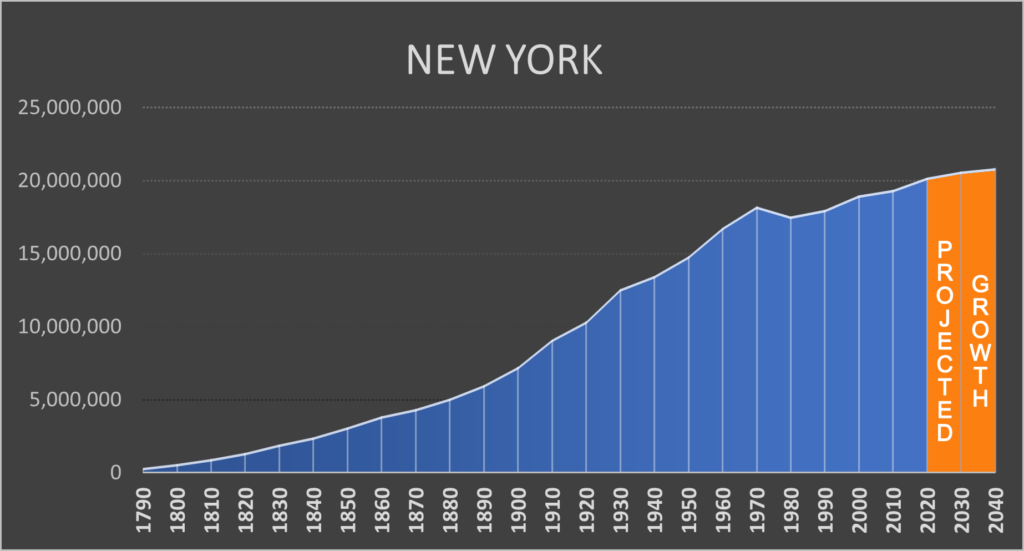
The sheer magnitude and diversity of New York City’s population are the primary forces shaping its identity as a global hub for travel, accommodation, and lifestyle. This human density creates both unique opportunities and specific challenges that define the urban experience.
A Hub of Diversity: Culture and Cuisine
With residents hailing from virtually every country in the world, New York City is unparalleled in its cultural diversity. This is evident in its countless ethnic neighborhoods, each preserving and celebrating its heritage through festivals, customs, and most notably, cuisine. Chinatown offers an authentic taste of Asia, Little Italy evokes the charm of European streets, and countless other communities across Queens and Brooklyn provide an endless array of global flavors and experiences. For travelers, this means an extraordinary culinary journey awaits at every turn, from Michelin-starred restaurants to humble food trucks, representing every conceivable gastronomic tradition. Beyond food, the city’s diverse population fuels a vibrant arts scene, with international music, dance, and theater productions, as well as unique local cultural activities that draw visitors from around the globe, making tourism in New York City an immersive cultural exploration.
Navigating the Urban Jungle: Travel and Transit
The dense population of New York City necessitates a highly efficient, albeit often crowded, transportation system. The subway, a sprawling network operating 24/7, is the lifeblood of the city, moving millions of people daily. Buses, yellow taxis, and ride-sharing services supplement this, while walking remains a popular and often necessary mode of transit, especially in pedestrian-friendly areas like Manhattan. For visitors, mastering the MTA is an essential part of the New York experience, allowing access to virtually every attraction and neighborhood. Planning travel during off-peak hours can alleviate some of the congestion, but experiencing the city’s bustling transit system is an integral part of understanding its population dynamics. Pedestrian-friendly initiatives like The High Line offer unique ways to navigate while enjoying urban design and views.
The Accommodation Landscape: From Boutique to Luxury
The immense demand generated by New York City’s resident population, coupled with its constant stream of commuters and tourists, has fostered an incredibly competitive and diverse accommodation market. From ultra-luxury hotels like the historic Plaza Hotel overlooking Central Park or the sophisticated St. Regis in Midtown, to trendy boutique hotels in areas like Tribeca, and a vast array of budget-friendly options, there’s lodging for every preference and price point. The sheer number of people needing places to stay, whether for a short vacation, a business trip, or a long-term relocation, drives innovation in the hotel sector. Many establishments cater specifically to business stays, offering amenities like conference facilities, while others focus on family trips, providing larger suites and kid-friendly services. Booking well in advance, especially during peak tourist seasons or major events, is always advisable due to the consistently high demand fueled by the city’s vibrant population. The vertical living evident in its towering apartment buildings is also mirrored in its hotels, often maximizing space to accommodate more guests.
Lifestyle in the Big Apple: Opportunities and Challenges
The “never-sleeps” lifestyle of New York City is a direct consequence of its dense and diverse population. This urban environment offers unparalleled opportunities in career, arts, entertainment, and education. Cultural events, nightlife, and dining options are virtually limitless, catering to every taste and interest imaginable, 24 hours a day. This vibrant atmosphere makes New York City a dream destination for luxury travel, providing access to exclusive experiences, world-class shopping along Fifth Avenue, and unparalleled culinary adventures.
However, this population density also presents unique challenges. The cost of living is notoriously high, space is a premium, and the constant hum of city life can be both exhilarating and overwhelming. Yet, for millions, the opportunities and energy far outweigh these hurdles. The city offers different lifestyles within its bounds: the fast-paced life of a Manhattan professional, the bohemian charm of Greenwich Village, or the family-oriented communities in Brooklyn and Queens. Visitors can choose to immerse themselves in the high-octane luxury travel scene or explore the budget-friendly, local culture, each experience shaped by the vast human element that defines the city.
In conclusion, the population of New York City is not just a statistic; it is the very heart and soul of this global marvel. From its millions of permanent residents across five boroughs to the daily influx of commuters and the tens of millions of tourists, every individual contributes to the city’s dynamic character. This human tapestry creates an unparalleled destination for travel, offering diverse accommodation, iconic landmarks, a vibrant cultural scene, and a lifestyle that is truly one-of-a-kind. Understanding the scale and composition of its population is essential for anyone seeking to truly grasp the magic and complexity of New York City, a place where the world truly comes together.
LifeOutOfTheBox is a participant in the Amazon Services LLC Associates Program, an affiliate advertising program designed to provide a means for sites to earn advertising fees by advertising and linking to Amazon.com. Amazon, the Amazon logo, AmazonSupply, and the AmazonSupply logo are trademarks of Amazon.com, Inc. or its affiliates. As an Amazon Associate we earn affiliate commissions from qualifying purchases.