
Navigating the financial landscape of a new destination is a crucial step for anyone considering a move, a significant vacation, or even a long-term stay. For many, the allure of the Sunshine State, Florida, lies not only in its sun-drenched beaches, vibrant theme parks, and diverse cultural offerings but also in its unique tax structure. A question that frequently arises for prospective residents, snowbirds, and even business owners is: “Does Florida have an income tax?” The answer to this is a resounding “no,” making Florida a particularly attractive destination for those looking to maximize their disposable income and minimize their tax burden. This absence of a state income tax is a cornerstone of Florida‘s economic appeal and a significant factor for individuals and families planning their financial future in the state.
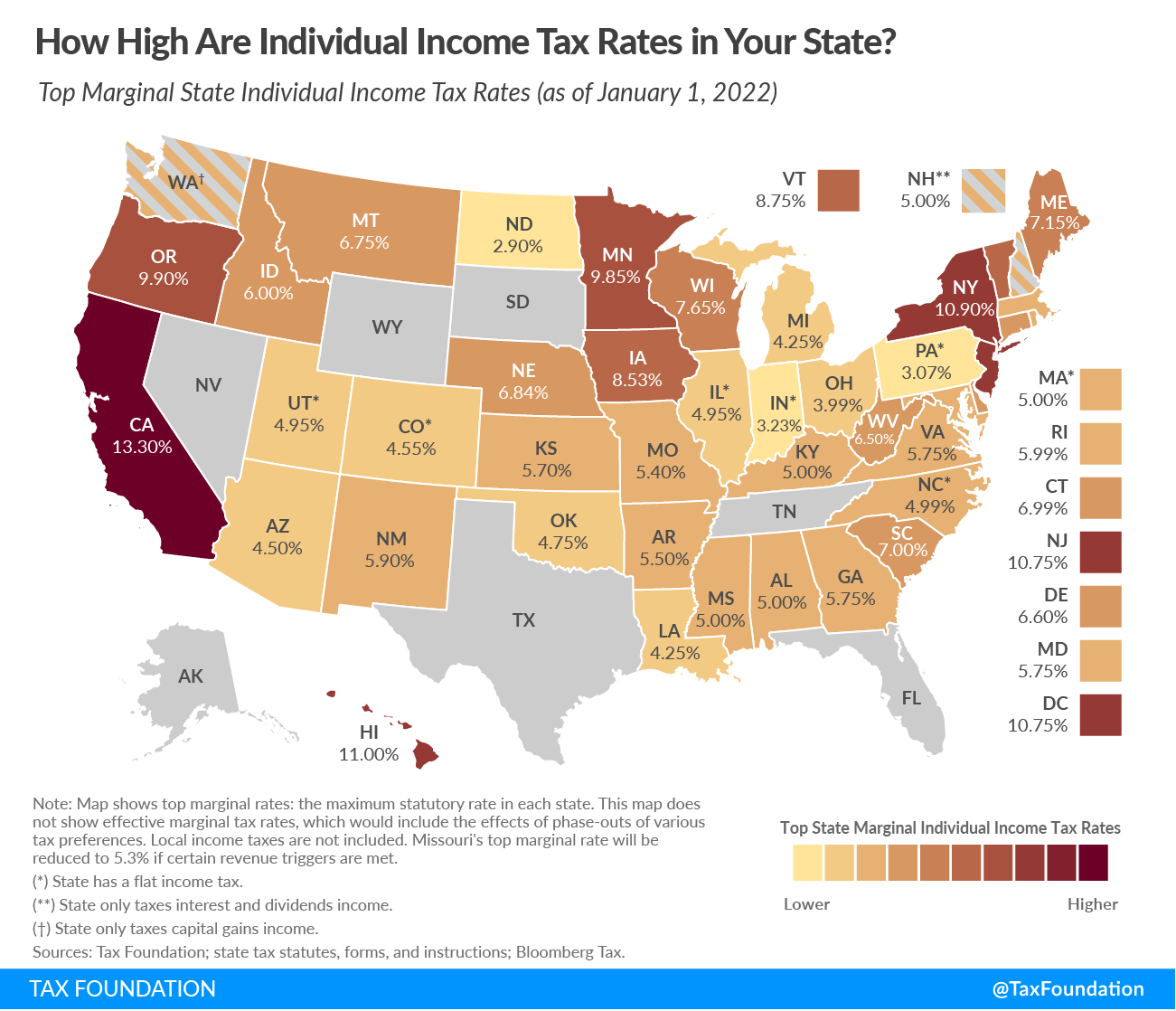
This advantageous tax policy has been a driving force behind Florida‘s steady population growth and its robust economic development. It allows individuals to retain a larger portion of their earnings, which can then be reinvested into the local economy through spending on goods, services, and, importantly, tourism. For those planning extended visits, a stay in Florida can translate into significant savings compared to states with progressive income tax rates, such as New York or California. This financial freedom opens up more opportunities for enjoying all that Florida has to offer, from exploring the natural beauty of the Everglades to indulging in the culinary delights of Miami or experiencing the magic of Walt Disney World Resort.
The Financial Advantage of a No-Income-Tax State
The absence of a state income tax in Florida is more than just a line item on a tax return; it represents a fundamental difference in how the state government funds its operations and how residents manage their personal finances. This policy has profound implications for individuals, families, and businesses alike, influencing decisions about where to live, work, and invest.
Understanding Florida’s Tax Structure
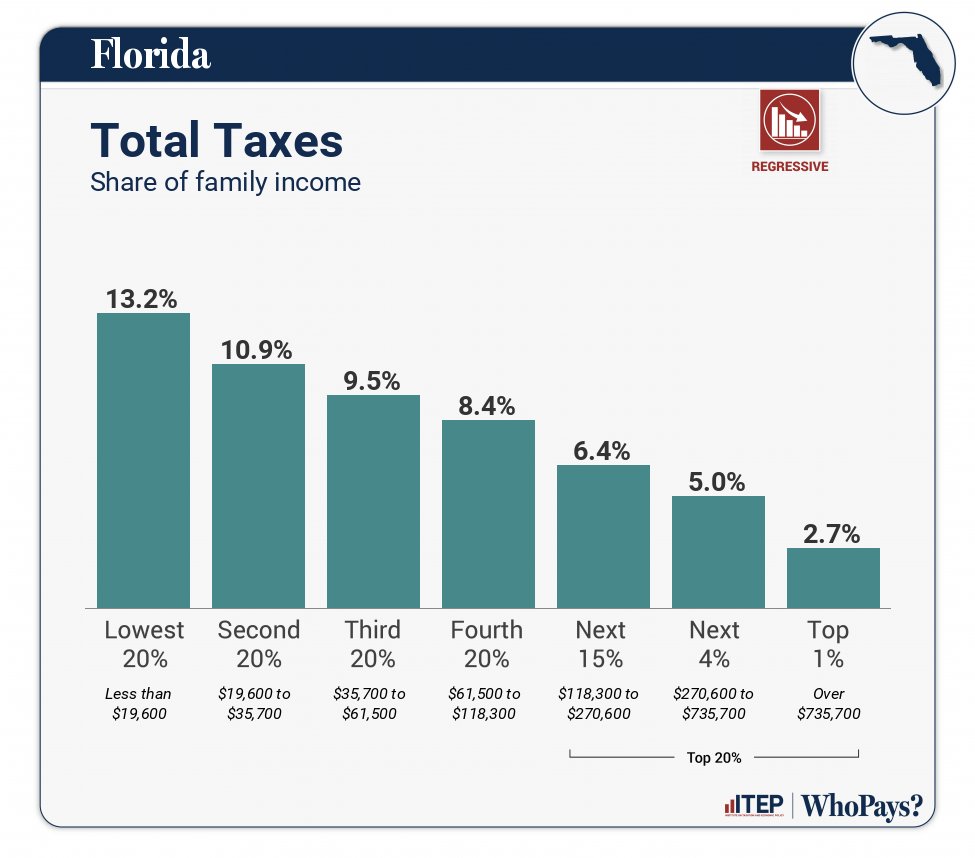
Florida‘s tax system relies on other revenue streams to fund public services. The primary sources include sales taxes, property taxes, and various business-related taxes and fees. While residents do pay sales tax on most goods and services, and property taxes vary by locality, the lack of a state income tax means that a significant portion of an individual’s income earned within the state is not subject to state-level taxation.
- Sales Tax: Florida imposes a state sales tax on tangible personal property and a variety of services. Local governments can also impose additional discretionary sales surtaxes. This tax revenue is crucial for funding state and local services, including infrastructure, education, and public safety.
- Property Tax: Property taxes are levied by local governments (counties, municipalities, school districts) based on the assessed value of real estate. These taxes are a major source of funding for local schools, police, fire departments, and other essential community services. Property tax rates can vary significantly from one Florida county to another.
- Other Revenue: Florida also collects revenue from corporate income tax (though often with generous exemptions and deductions), intangible personal property tax (on certain financial assets, though this has been phased out for many), gasoline taxes, tourist development taxes, and various licensing and permit fees.
Impact on Personal Finances
For individuals, the absence of a state income tax can lead to substantial savings, especially for high-earners or those with multiple income streams. This retained income can be used for a variety of purposes, including:
- Increased Disposable Income: More money remains in the pockets of residents, allowing for greater spending on personal needs, leisure activities, and investments. This can translate into more frequent vacations, larger down payments on homes, or increased savings for retirement.
- Attracting Retirees and Snowbirds: The tax advantage is a major draw for retirees and seasonal residents who seek to stretch their fixed incomes further. Many choose Florida for its warm climate and the financial relief offered by not having to pay state income tax on their pensions, social security benefits, or investment income.
- Boosting Local Economies: With more disposable income, residents tend to spend more locally, supporting businesses in sectors like retail, hospitality, and entertainment. This increased consumer spending contributes to a healthier and more vibrant state economy.
Implications for Businesses
Businesses also benefit from Florida‘s tax environment. While there is a corporate income tax, the absence of individual income tax can indirectly benefit companies by making the state a more attractive place for employees to live and work.
- Talent Attraction: A lower overall tax burden makes Florida a more appealing location for skilled workers, helping businesses attract and retain top talent.
- Reduced Operational Costs: While not a direct reduction in corporate taxes, the general economic prosperity driven by the state’s tax policies can lead to a more stable and growing customer base.
Exploring Florida’s Tax-Friendly Lifestyle
The no-income-tax policy is a significant component of Florida‘s overall lifestyle appeal. It allows residents and visitors alike to experience the state’s abundant attractions and activities with less financial constraint, fostering a culture of leisure and enjoyment.
Maximizing Vacation Budgets
For tourists, particularly those planning extended stays or frequent visits, Florida‘s tax structure can mean a considerable difference in overall travel costs. When comparing Florida to states with income taxes, the savings can be reinvested into experiences, dining, or accommodation.
- Extended Stays: If you are planning a winter escape to Naples or a summer break in the Florida Keys, the absence of income tax means your savings from other states can be directly applied to enjoying longer periods of sunshine and relaxation.
- Family Vacations: Families visiting popular destinations like Orlando for the theme parks can find that their vacation budgets stretch further. This allows for more attractions, finer dining experiences, or even upgrading to a premium resort.
- Second Homes and Rentals: Individuals considering purchasing a second home or investing in rental properties in Florida will find the tax benefits appealing. The lack of an income tax, combined with attractive property values in many areas, makes it a financially sound choice.
Experiencing Florida’s Attractions
The financial freedom afforded by Florida‘s tax policies enables residents and visitors to more fully embrace the diverse range of experiences the state offers. From the vibrant nightlife of Miami to the serene beauty of the Florida Panhandle beaches, more disposable income means more opportunities for exploration.
- Cultural Immersion: Explore the rich history and art scene in cities like St. Augustine or the vibrant communities of Tampa.
- Outdoor Adventures: Discover the natural wonders of the Everglades National Park, go kayaking in the springs, or enjoy world-class fishing off the coast.
- Entertainment Hubs: Experience the unparalleled entertainment options in Orlando, home to the magic of Walt Disney World Resort and the thrills of Universal Orlando Resort, or the professional sports scene in cities like Miami and Tampa.
Long-Term Residency and Financial Planning
For those considering making Florida their permanent home, the absence of state income tax is a compelling factor in long-term financial planning. It significantly impacts retirement planning, investment strategies, and overall wealth accumulation.
- Retirement Haven: Many retirees move to Florida specifically to take advantage of the tax benefits, allowing their retirement savings to last longer. This is particularly true for those relying on investment income or pensions.
- Entrepreneurship and Investment: Florida‘s business-friendly environment, coupled with the tax advantages for individuals, makes it an attractive location for entrepreneurs and investors looking to start or expand businesses. The ability to retain more profit can fuel growth and innovation.
- Relocation Decisions: When individuals or families are deciding where to relocate, Florida‘s tax structure often weighs heavily in its favor, offering a tangible financial incentive to embrace the Sunshine State lifestyle.
Debunking Myths and Addressing Concerns
While Florida‘s lack of an income tax is a well-established fact, it’s important to address common misconceptions and understand the broader financial picture for residents and visitors.
Clarifying Tax Misconceptions
It’s crucial to differentiate between state income tax and other forms of taxation. While Florida does not have a state income tax, residents and visitors still contribute to the state’s revenue through other means.
- No “Free Ride”: It’s a misconception that living in Florida means paying no taxes at all. As mentioned, sales and property taxes are significant contributors to state and local funding.
- Federal Income Tax Still Applies: Florida residents are still subject to federal income tax. The state’s policy only affects state-level income tax obligations.
- Varying Property Tax Rates: While the state itself doesn’t levy income tax, local property tax rates can vary considerably. Researching specific areas like Miami-Dade County or Orange County is essential when considering property ownership.
Considering the Overall Tax Burden
While the absence of state income tax is a major draw, individuals should consider their overall tax burden, which includes federal taxes, sales taxes, and property taxes, when making financial decisions.
- Sales Tax Impact: For individuals who make significant purchases, the sales tax can add up. However, compared to the potential income tax burden in other states, this is often a favorable trade-off.
- Property Ownership Costs: Homeowners will need to factor in property taxes, which can be a substantial expense. However, Florida also offers homestead exemptions that can reduce the taxable value of a primary residence.
- Comparing States Holistically: When making a relocation decision, it’s beneficial to compare the total tax picture across different states, including income, sales, property, and any other relevant taxes, to understand the most financially advantageous choice for your specific circumstances.

The Economic Engine of Tourism
Florida‘s tax-friendly environment is inextricably linked to its thriving tourism industry. The money saved by residents and the disposable income generated by visitors contribute directly to the economic health of the state, supporting the infrastructure and services that make Florida such an appealing destination. From the luxurious resorts in Boca Raton to the family-friendly attractions in Orlando, the economic benefits of a robust tourism sector are evident throughout the state. The absence of an income tax allows for more discretionary spending, which is vital for a state that relies heavily on the dollars brought in by tourists and spent by its financially unburdened residents.
In conclusion, for those inquiring about a state income tax in Florida, the answer is clear: there isn’t one. This significant financial advantage, coupled with the state’s desirable lifestyle, warm climate, and abundance of attractions, makes Florida a compelling destination for a wide range of individuals and families. Whether you are planning a temporary escape to the sun or considering a permanent relocation, understanding Florida‘s tax structure is key to unlocking the full financial and lifestyle benefits the Sunshine State has to offer.
LifeOutOfTheBox is a participant in the Amazon Services LLC Associates Program, an affiliate advertising program designed to provide a means for sites to earn advertising fees by advertising and linking to Amazon.com. Amazon, the Amazon logo, AmazonSupply, and the AmazonSupply logo are trademarks of Amazon.com, Inc. or its affiliates. As an Amazon Associate we earn affiliate commissions from qualifying purchases.