
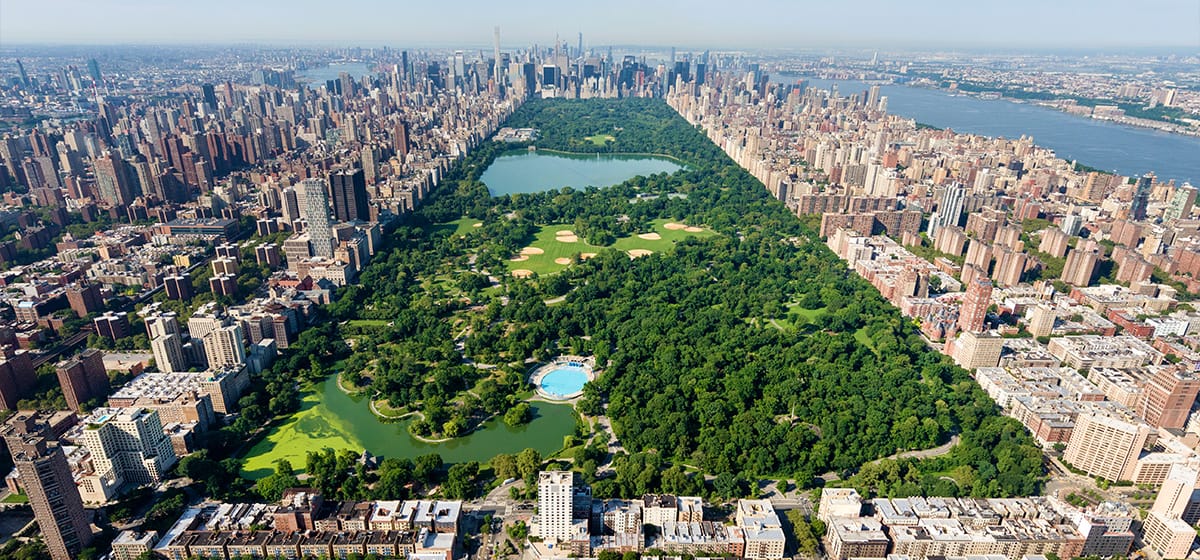
Nestled amidst the bustling skyscrapers and vibrant streets of New York City, Central Park stands as a monumental testament to urban planning and landscape architecture. This sprawling 843-acre oasis, a verdant lung in the heart of Manhattan, is not merely a park; it’s a meticulously crafted masterpiece, an iconic landmark that draws millions of visitors annually, from local residents seeking solace to international travelers eager to experience its unique charm. It serves as a vital escape, offering everything from tranquil strolls and boating on its lakes to vibrant cultural events and active recreation. The park’s seamless integration of natural beauty with sophisticated engineering often leads visitors to wonder: who envisioned and brought to life this extraordinary urban sanctuary? The answer lies in the collaborative genius of two individuals whose foresight and artistic vision reshaped the very concept of a public park.

The Visionaries Behind Central Park’s Masterpiece
The creation of Central Park was not a spontaneous development but the result of a deliberate, ambitious initiative to provide a much-needed green space for the rapidly growing metropolis of New York City in the mid-19th century. As the city expanded northward, its leaders recognized the necessity of a grand public park, a democratic space accessible to all citizens, offering respite from the urban grind. In 1857, a competition was launched to solicit designs for this ambitious project, attracting submissions from across the country. The winning entry, known as the “Greensward Plan,” captivated the judges with its innovative approach and profound understanding of public space. It was the brainchild of a dynamic duo: Frederick Law Olmsted and Calvert Vaux.
The Dynamic Duo: Frederick Law Olmsted and Calvert Vaux
Frederick Law Olmsted, often hailed as the father of American landscape architecture, brought to the project a multifaceted background that was uniquely suited to its challenges. Before his work on Central Park, Olmsted had been a farmer, a journalist, a social reformer, and an administrator, even serving as the superintendent for the park’s initial construction phase. His travels across Europe, particularly his observations of public parks in England, profoundly influenced his philosophy that naturalistic landscapes could promote public health and well-being. Olmsted envisioned parks as pastoral havens, carefully designed to offer psychological and emotional comfort through their serene beauty and seemingly natural contours. His approach was deeply rooted in the belief that access to nature was essential for all urban dwellers, fostering a sense of community and providing an escape from the stresses of city life.
His partner, Calvert Vaux, was a highly skilled British architect who had emigrated to the United States in 1850. Vaux had previously collaborated with Andrew Jackson Downing, a prominent landscape designer and writer, through whom Vaux developed a keen appreciation for the American landscape and its potential. Vaux’s architectural expertise was crucial in translating Olmsted’s broad landscape visions into tangible structures and intricate details. He was responsible for many of the park’s iconic architectural elements, including bridges, arches, and buildings, meticulously designed to blend harmoniously with the natural surroundings. It was Vaux who convinced Olmsted to join him in the design competition, recognizing Olmsted’s unique sensitivity to landscape and his administrative prowess. Their collaboration was a true synthesis of complementary skills: Olmsted’s grand vision for the landscape and Vaux’s meticulous architectural execution. Together, they forged a partnership that would leave an indelible mark on urban planning and park design for generations to come.
The Greensward Plan: A Revolutionary Design
The Greensward Plan was revolutionary not just in its aesthetic vision but also in its innovative approach to overcoming the formidable practical challenges of creating such a vast urban park. The designers faced an immense task: transforming a barren, rocky, and swampy tract of land, riddled with shantytowns and quarries, into the pastoral oasis we know today. The very idea of an artificial landscape of this scale was unprecedented.
Overcoming Obstacles: From Barren Land to Verdant Oasis
The site chosen for Central Park was anything but picturesque. It was a desolate and uninviting expanse, characterized by rocky outcrops, mosquito-infested swamps, and deep ravines. Furthermore, it was home to several thousand impoverished residents, many of whom were recent immigrants and African Americans, living in shantytowns like Seneca Village. Their displacement, though controversial, was deemed necessary for the park’s construction. The scale of the transformation required was monumental. Over the course of nearly two decades, an army of laborers, often numbering in the thousands, worked tirelessly. They dynamited and removed millions of cubic feet of rock, drained swamps, imported millions of cubic yards of topsoil from New Jersey and Long Island, and planted millions of trees, shrubs, and plants. Rivers were diverted, lakes were dug, and an intricate drainage system was installed beneath the surface. This Herculean effort involved engineering feats previously unseen in urban park development, effectively redesigning an entire ecosystem from scratch. The sheer determination and ingenuity required to turn such a raw, inhospitable landscape into a verdant, sculpted paradise underscores the ambitious nature of Olmsted and Vaux’s vision and the incredible human effort it commanded.
Key Design Principles and Features
The brilliance of the Greensward Plan lay in its thoughtful integration of form and function, addressing both aesthetic appeal and practical urban needs. Olmsted and Vaux introduced several groundbreaking design principles that shaped the park and influenced future landscape architecture worldwide:
-
Separation of Traffic: One of the most innovative and enduring features was the complete separation of different types of traffic. They designed a complex system of transverse roads that run below the park’s surface, allowing carriages and later automobiles to cross Manhattan without interrupting the park’s serene pedestrian and equestrian paths. This multilevel circulation system ensured an uninterrupted pastoral experience for park-goers, a revolutionary concept for the time. Bridges and underpasses allowed pedestrians and horse riders to navigate the park without encountering intersecting roadways, enhancing safety and tranquility.
-
Pastoral and Picturesque: The park was designed to evoke two distinct landscape styles: the “pastoral” and the “picturesque.” The pastoral areas, exemplified by vast open lawns like the Sheep Meadow and the Great Lawn, offered sweeping vistas and a sense of calm, reminiscent of the English countryside. The picturesque areas, conversely, featured winding paths, dense woodlands, rocky outcrops, and cascading water features, providing a sense of wildness, discovery, and dramatic beauty. The careful interplay of these styles created a rich, varied experience for visitors, encouraging exploration and contemplation.
-
Water Features: Lakes, ponds, and streams were not only aesthetic elements but also played a crucial role in the park’s drainage and overall ecosystem. The Lake, Harlem Meer, and the Pond were all artificially created or reshaped, adding reflective surfaces and opportunities for boating and ice skating, transforming stagnant water bodies into vibrant recreational spaces.
-
Recreational and Architectural Elements: Beyond the naturalistic landscapes, Olmsted and Vaux integrated numerous architectural features and designated areas for various activities. Bethesda Terrace and Fountain, designed primarily by Vaux, serve as the park’s architectural and artistic heart, offering stunning views and intricate carvings. The Mall, a wide promenade lined with American elm trees, provides a grand gathering space. The Conservatory Garden, with its formal European-inspired design, offers a contrasting experience to the park’s more naturalistic areas. These elements provided diverse experiences, catering to different moods and activities, from quiet contemplation to lively social gatherings.
The genius of the Greensward Plan was its ability to create an illusion of natural wilderness within a highly artificial and carefully engineered environment. Every curve of a path, every placement of a tree, and every vista was meticulously planned to guide the visitor’s experience, providing a sense of escape and wonder.
The Enduring Legacy of Olmsted and Vaux
The completion of Central Park marked a pivotal moment in American urban history. It quickly became a beloved institution, demonstrating the profound impact a well-designed public space could have on a city and its inhabitants. The success of Central Park solidified the reputations of Frederick Law Olmsted and Calvert Vaux and laid the groundwork for a new era of urban planning and landscape architecture.
A Model for Urban Parks Worldwide
Central Park’s design became an influential blueprint for urban parks across the United States and beyond. Olmsted, either independently or in collaboration with Vaux, went on to design numerous other significant projects. These include Prospect Park in Brooklyn, another masterpiece that refined the principles first applied in Central Park. He also designed the Emerald Necklace in Boston, a groundbreaking system of connected parks and waterways, and the grounds for the World’s Columbian Exposition in Chicago. His work extended to university campuses, residential communities, and even the landscape design for Niagara Falls State Park, the oldest state park in the United States. The principles of creating naturalistic, restorative landscapes, integrating different types of circulation, and fostering democratic public spaces, all pioneered in Central Park, became standard practice in urban development globally. Their work demonstrated that a city’s growth could be harmonized with the preservation and creation of natural beauty, significantly enhancing the quality of urban life.
Central Park Today: A Thriving Hub for Travel and Tourism
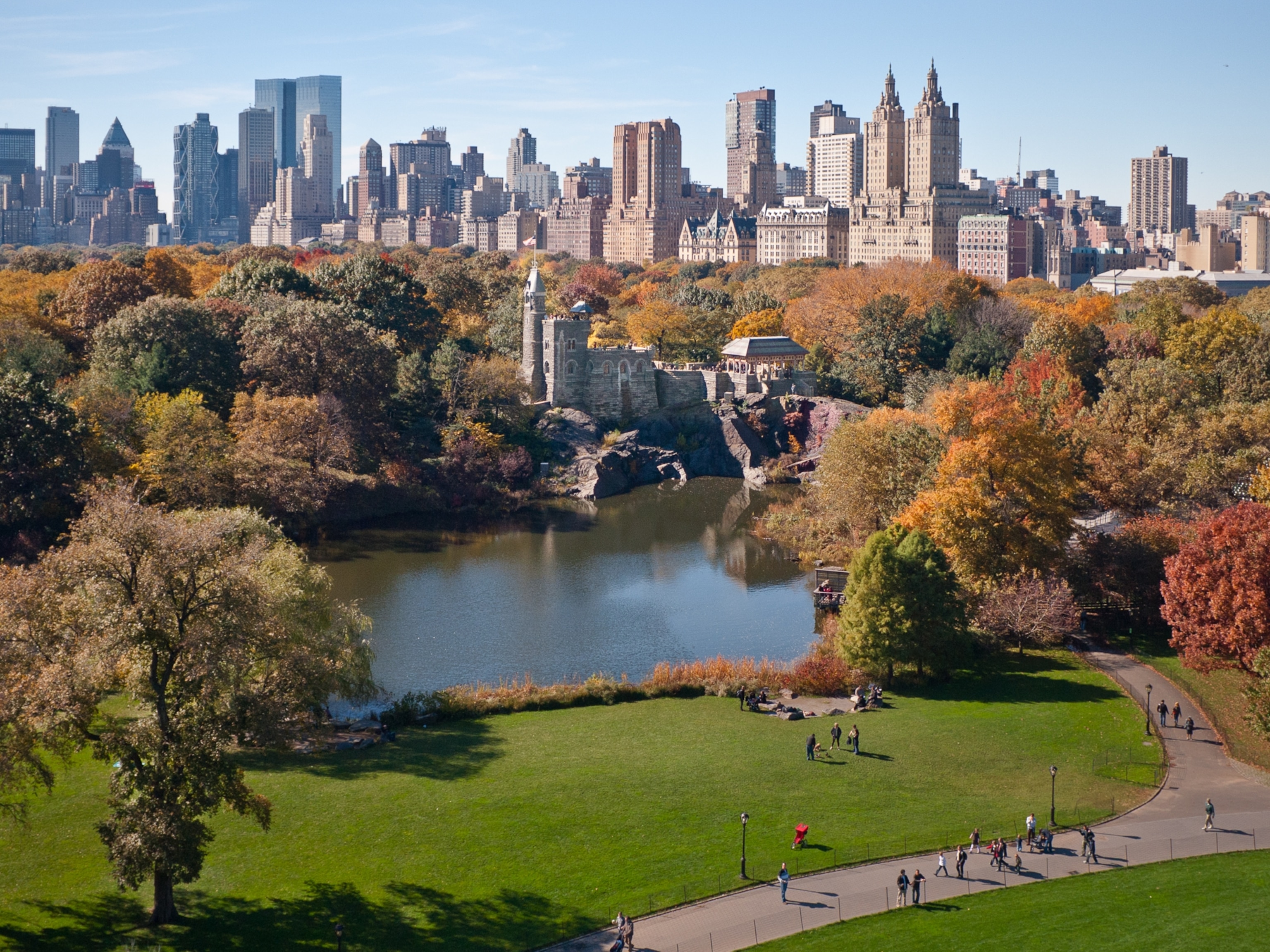
Today, Central Park remains an indispensable resource and a vibrant hub of activity. It is not just a historical landmark but a living, breathing entity that continues to adapt to the needs of modern New York City and its visitors. As a premier tourist attraction, it offers an endless array of experiences and activities for every interest. From romantic rowboat rides on The Lake to ice skating at Wollman Rink in winter, from free concerts on the Great Lawn to Shakespeare in the Park at the Delacorte Theater, there’s always something happening. Joggers, cyclists, birdwatchers, artists, and picnickers all find their niche within its expansive grounds.
The park’s immense popularity has also fueled a thriving tourism ecosystem around it. Numerous hotels and accommodations cater to the millions who come to explore the park and the surrounding city. Luxury hotels offering unparalleled views of the park, such as The Plaza Hotel or Mandarin Oriental, New York, provide opulent stays, while various boutique hotels and serviced apartments offer diverse options for different budgets and styles of travel. Whether you’re seeking a grand resort experience or a budget-friendly stay, the proximity to Central Park is a significant draw. Many visitors plan their trips specifically to spend time wandering through its paths, discovering its hidden gems, and participating in its vibrant cultural life. Local tourism guides often feature the park prominently, offering tips on how to best explore its vastness, from renting a bike to joining a guided walking tour, or simply finding a quiet bench to observe the world go by.
In conclusion, the timeless beauty and functionality of Central Park are a direct result of the extraordinary vision and collaborative efforts of Frederick Law Olmsted and Calvert Vaux. Their Greensward Plan didn’t just design a park; it crafted an entire world, a meticulously engineered natural haven that continues to serve as a vital lung and a cultural heart for New York City. More than 160 years after its inception, Central Park stands as a living monument to their genius, a testament to the power of thoughtful design to enrich human lives and shape the urban landscape for centuries to come. It beckons travelers and locals alike to step away from the concrete jungle and immerse themselves in its carefully cultivated tranquility, a truly unforgettable travel experience.
LifeOutOfTheBox is a participant in the Amazon Services LLC Associates Program, an affiliate advertising program designed to provide a means for sites to earn advertising fees by advertising and linking to Amazon.com. Amazon, the Amazon logo, AmazonSupply, and the AmazonSupply logo are trademarks of Amazon.com, Inc. or its affiliates. As an Amazon Associate we earn affiliate commissions from qualifying purchases.