
The question “Is Los Angeles in Hollywood?” is a common one that often stems from the global fame of Hollywood itself. Many people around the world perceive Hollywood as an independent city, synonymous with the glitz and glamour of the film industry. However, the geographical and administrative reality is much simpler: Hollywood is a district within the greater city of Los Angeles. It’s a vibrant, historically rich neighborhood that plays a pivotal role in defining the cultural identity of Los Angeles, but it remains an integral part of the sprawling metropolis.
Understanding this relationship is key to truly appreciating the diverse tapestry of Southern California’s largest urban center. While Hollywood undoubtedly holds a special place, representing the dream factory and celebrity lifestyle, it is just one of many unique and dynamic communities that make up the vast and multifaceted City of Angels. This article will delve into the geographical context, explore Hollywood’s iconic status, and then broaden our perspective to the wider attractions and experiences that define Los Angeles, offering a comprehensive guide for travelers seeking to explore this incredible destination.
Deconstructing the Geography: Los Angeles, the City of Districts
To clarify the relationship, it’s essential to understand the sheer scale and structure of Los Angeles. It’s not just a city; it’s a vast, diverse urban expanse, the second-largest in the United States by population, and covers a significant land area within Los Angeles County.
Los Angeles: A Megacity of Diverse Neighborhoods
Los Angeles is often referred to as a “city of neighborhoods,” and for good reason. Its municipal boundaries encompass a mosaic of distinct communities, each with its own character, history, and appeal. From the upscale enclaves of Beverly Hills and Bel Air to the bohemian vibe of Venice Beach, the vibrant cultural hubs of Koreatown and Little Tokyo, and the revitalized urban core of Downtown Los Angeles, the city is a patchwork of identities. This sprawling nature means that when you visit Los Angeles, you’re not just experiencing one place, but rather a collection of interconnected yet distinct destinations. Its status as a global hub for entertainment, technology, trade, and culture draws millions, offering an endless array of experiences from world-class dining and shopping to historical landmarks and stunning natural beauty.
Hollywood: A District with a Star-Studded Legacy
Within this vast municipal landscape lies Hollywood. Historically, Hollywood began as a small agricultural community in the late 19th century. Its destiny changed dramatically in the early 20th century when filmmakers, attracted by the consistent sunshine and varied landscapes, began relocating from the East Coast. This marked the birth of the American film industry. Over the decades, Hollywood grew into the undisputed global capital of entertainment, synonymous with movie stars, studios, and the pursuit of dreams.
Today, Hollywood is officially a neighborhood within the city of Los Angeles. Its boundaries are generally recognized as Sunset Boulevard to the south, Hollywood Hills to the north, La Brea Avenue to the west, and Vermont Avenue to the east. The area is administered by the City of Los Angeles and falls under its municipal services. Despite this, its unique cultural footprint and worldwide recognition often give it a perceived independence, fueling the common misconception that it is a separate entity from Los Angeles itself. Its distinct identity, however, is precisely what makes it such a magnetic force for tourism and a vital component of the larger L.A. experience.
Hollywood’s Enduring Allure: Iconic Landmarks and Cultural Impact
Even as a district, Hollywood’s influence is undeniable. It’s a place where history, legend, and modern entertainment converge, drawing millions of visitors annually. Its landmarks are not just local attractions; they are global symbols of fame and ambition.
Walking Among Legends: The Hollywood Walk of Fame and TCL Chinese Theatre
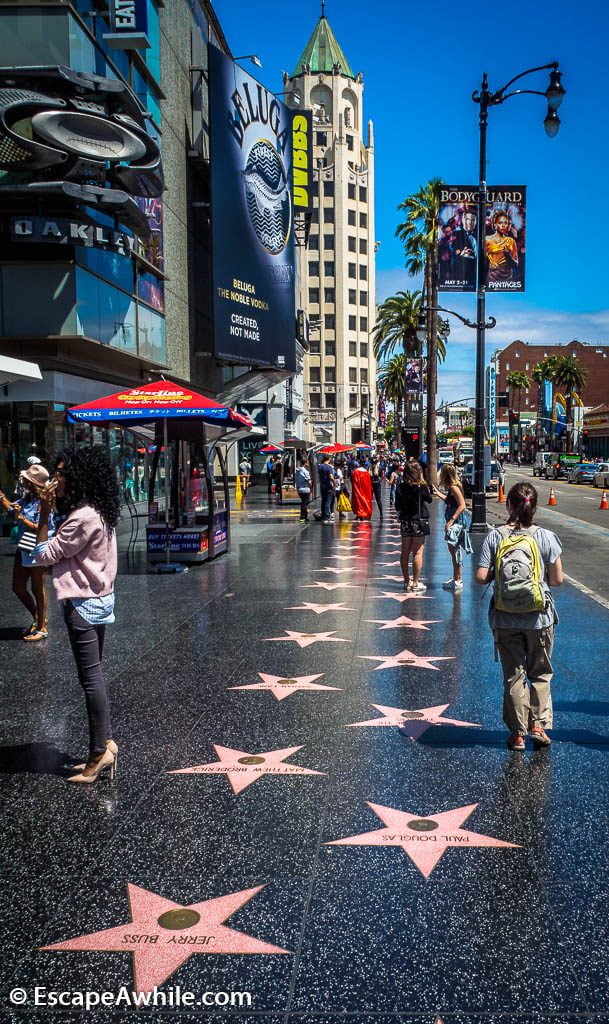
Perhaps the most recognized symbol of Hollywood’s legacy is the Hollywood Walk of Fame. Stretching for 15 blocks along Hollywood Boulevard and three blocks along Vine Street, it features more than 2,700 brass stars embedded in the sidewalks, each bearing the name of an entertainment figure. Strolling along this iconic pathway, visitors can literally walk in the footsteps of legends, pausing to admire the stars of their favorite actors, musicians, and directors. Nearby stands the magnificent TCL Chinese Theatre (formerly Grauman’s Chinese Theatre), a grand movie palace famous for its forecourt filled with handprints and footprints of movie stars. It’s a place where premieres still create a buzz, offering a tangible link to cinematic history. Just steps away is the Dolby Theatre, the permanent home of the Academy Awards, further solidifying Hollywood’s place at the pinnacle of the entertainment world. These sites collectively represent the heart of Hollywood’s tourism industry, offering a glimpse into the glamour that defines the district.
The Iconic Hollywood Sign and Panoramic Views
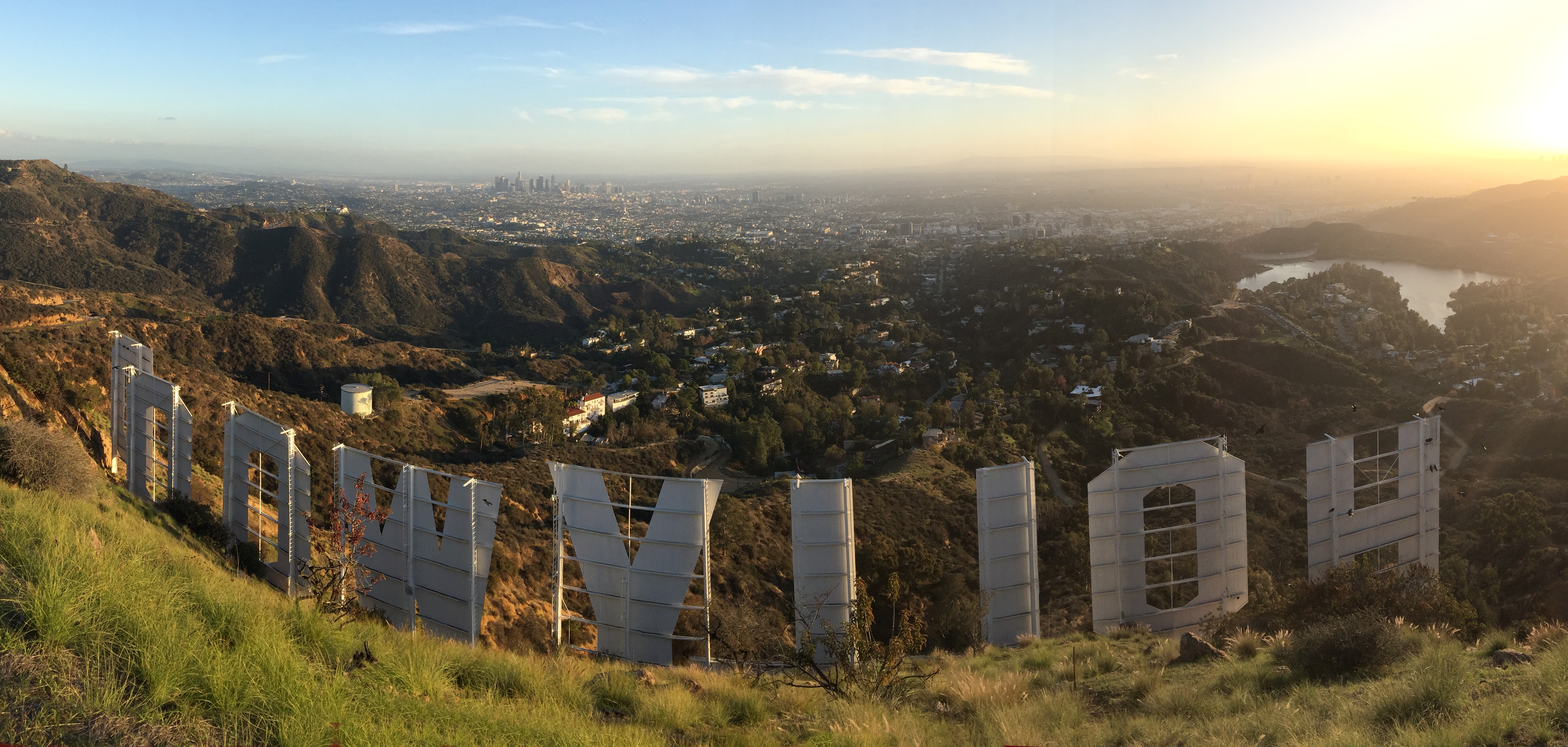
Perched atop Mount Lee in the Hollywood Hills, the Hollywood Sign is another universally recognized landmark. Originally erected in 1923 as “Hollywoodland” to advertise a real estate development, it quickly became an unofficial emblem of the burgeoning film industry. Today, the nine white letters stand as a beacon, visible from many vantage points across the city. While direct access to the sign is restricted, numerous hiking trails in Griffith Park offer fantastic photo opportunities and breathtaking panoramic views of Los Angeles stretching all the way to the Pacific Ocean. The nearby Griffith Observatory also provides spectacular views of the sign and the city skyline, alongside fascinating exhibits on space and science, making it a must-visit attraction for both its educational value and unparalleled vistas.
Behind the Scenes: The Industry’s Heartbeat
Beyond the red carpets and famous stars, Hollywood is still a working engine of the entertainment industry. While many major studios have expanded or relocated to nearby areas like Burbank, their presence and influence remain strong. For instance, Paramount Pictures is the only major film studio still physically located within the Hollywood district, offering studio tours that delve into its rich history. Close by, attractions like Universal Studios Hollywood offer a thrilling blend of theme park rides and actual working studio tours, providing visitors with an immersive experience into movie magic. Similarly, the Warner Bros. Studio Tour Hollywood in nearby Burbank offers another fantastic look behind the scenes of filmmaking. These experiences allow tourists to understand the complex machinery that brings their favorite films and TV shows to life, from elaborate sets to special effects, making the dream factory tangible.
Beyond the Limelight: Exploring the Broader Los Angeles Tapestry

While Hollywood is an undeniable highlight, confining one’s visit solely to this district would mean missing out on the incredible diversity and vibrancy that the greater City of Los Angeles has to offer. The metropolitan area boasts a stunning array of landscapes, cultures, and activities.
Coastal Escapes: Santa Monica, Venice Beach, and Malibu
Just a short drive west from Hollywood, the dynamic coastal communities offer a completely different vibe. Santa Monica is famous for its iconic Santa Monica Pier with its Ferris wheel, vibrant Third Street Promenade for shopping, and beautiful sandy beaches perfect for sunbathing or cycling. South of Santa Monica lies Venice Beach, a bohemian haven known for its lively Venice Beach Boardwalk, street performers, Muscle Beach, and canals reminiscent of its Italian namesake. Further up the coast, Malibu offers a more exclusive and serene experience, with its pristine beaches, dramatic cliffs, and celebrity homes, perfect for surfing, hiking, or simply enjoying breathtaking ocean views. These coastal destinations provide a refreshing contrast to the urban buzz, connecting visitors with the natural beauty of the Pacific.
Arts, Culture, and Urban Revival in Downtown LA
Once largely a business district, Downtown Los Angeles (DTLA) has undergone a remarkable revitalization, transforming into a bustling cultural and residential hub. Here, you’ll find architectural marvels like the gleaming Walt Disney Concert Hall, home to the Los Angeles Philharmonic, and world-class museums such as The Broad, housing an impressive collection of contemporary art. The historic Grand Central Market offers a diverse array of food stalls, while the adjacent Arts District is a vibrant canvas of street art, galleries, trendy boutiques, and innovative restaurants. DTLA also boasts historic landmarks like Olvera Street, often considered the birthplace of Los Angeles, offering a glimpse into its Mexican heritage. The urban landscape of DTLA is a testament to the city’s continuous evolution, blending history with cutting-edge modernity.
Luxury and Serenity in Beverly Hills and West Hollywood
For those seeking luxury and celebrity spotting, Beverly Hills is a quintessential stop. Home to the legendary Rodeo Drive, this exclusive enclave is synonymous with high-end fashion, exquisite dining, and opulent hotels like The Beverly Hills Hotel and Hotel Bel-Air. It offers a glimpse into the lavish lifestyle often associated with Southern California. Adjacent to Beverly Hills is West Hollywood, or WeHo as it’s affectionately known. This vibrant city is renowned for its progressive atmosphere, bustling nightlife, and the legendary Sunset Strip, lined with famous music venues, comedy clubs, and chic restaurants. WeHo is also a significant center for LGBTQ+ culture, adding another layer of diversity to the Los Angeles experience.
Museums and Green Spaces: A Cultural Hub
Beyond the immediate star power, Los Angeles is rich in cultural institutions and natural escapes. The Getty Center, with its stunning architecture, gardens, and world-class art collection, offers both cultural enrichment and breathtaking views. The Los Angeles County Museum of Art (LACMA) is the largest art museum in the Western United States, featuring a vast collection spanning ancient to contemporary works. For outdoor enthusiasts, Griffith Park, one of the largest urban parks in North America, provides miles of hiking trails, picnic areas, and attractions like the Los Angeles Zoo and Autry Museum of the American West, in addition to the aforementioned Griffith Observatory. This blend of high culture and accessible green spaces ensures there’s something for every interest.
Navigating Los Angeles: Travel Planning and Accommodation
Planning a trip to Los Angeles requires careful consideration due to its sheer size and the multitude of attractions. From choosing the right accommodation to understanding transportation, a well-planned itinerary enhances the overall travel experience.
Getting Around the Sprawling Metropolis
One of the biggest considerations for visitors to Los Angeles is transportation. Due to its expansive nature, renting a car is often recommended for maximum flexibility, allowing easy access to diverse neighborhoods from the beaches to Downtown. However, ride-sharing services are widely available, and the Metro Rail and bus systems offer increasingly viable options for getting around, particularly for navigating congested areas or reaching popular tourist spots like Hollywood and Downtown LA. For specific areas like Santa Monica or West Hollywood, walking and cycling are also pleasant ways to explore. Planning routes and accounting for traffic is crucial for an efficient and enjoyable visit.
Choosing Your Stay: Hotels, Resorts, and Unique Accommodations
Los Angeles offers an unparalleled range of accommodation options to suit every budget and preference. For those seeking luxury, world-renowned resorts and boutique hotels can be found in areas like Beverly Hills, West Hollywood, and along the coast in Santa Monica or Malibu. Iconic establishments like The Beverly Hills Hotel and Hotel Bel-Air offer a taste of classic Hollywood glamour. In Hollywood itself, you can find historic hotels like The Roosevelt Hotel, which hosted the first Academy Awards, or modern options like The W Hotel Hollywood, offering stylish stays right on Hollywood Boulevard.
Beyond luxury, numerous mid-range and budget-friendly hotels, apartments, and vacation rentals are available throughout the city. Families might prefer hotels near attractions like Universal Studios Hollywood in Universal City or those with easy access to beaches. When considering long-term stays, options like serviced apartments or villas provide a home-away-from-home experience, often with amenities such as kitchens and laundry facilities. Researching reviews and comparing prices across different booking platforms is essential to find the perfect match for your travel needs and ensure a comfortable and memorable visit to Los Angeles.
A Culinary Journey Through LA’s Diverse Food Scene
Los Angeles is a global culinary capital, reflecting its diverse population. From Michelin-starred restaurants to innovative food trucks, the city offers an extraordinary gastronomic journey. Explore the vibrant ethnic enclaves for authentic flavors—think incredible Korean barbecue in Koreatown, delectable Japanese sushi in Little Tokyo, or savory dim sum in Chinatown. The farmers’ markets, such as the famous Original Farmers Market near The Grove, are perfect for sampling local produce and artisanal foods. Whether you’re craving cutting-edge Californian cuisine, classic diner fare, or international street food, Los Angeles’s food scene is an adventure in itself. Pairing your meals with unique local activities, from beachfront dining in Santa Monica to a rooftop bar experience in Downtown LA, elevates the entire experience, immersing you further into the local culture.
In conclusion, while the question “Is Los Angeles in Hollywood?” is often asked, the answer is clear: Hollywood is a celebrated, star-studded district proudly nestled within the vast and varied landscape of Los Angeles. It serves as the historic heart of the entertainment industry, attracting visitors with its iconic landmarks and glamorous reputation. However, to truly grasp the essence of Los Angeles, one must venture beyond the bright lights of Hollywood Boulevard and explore the city’s myriad other neighborhoods. From the tranquil beaches of Malibu to the bustling urban core of Downtown Los Angeles, and the luxurious avenues of Beverly Hills, the City of Angels offers an incredibly rich tapestry of experiences. Planning your travel and accommodation to encompass these diverse offerings will ensure a comprehensive and unforgettable journey through one of the world’s most dynamic and exciting destinations.
LifeOutOfTheBox is a participant in the Amazon Services LLC Associates Program, an affiliate advertising program designed to provide a means for sites to earn advertising fees by advertising and linking to Amazon.com. Amazon, the Amazon logo, AmazonSupply, and the AmazonSupply logo are trademarks of Amazon.com, Inc. or its affiliates. As an Amazon Associate we earn affiliate commissions from qualifying purchases.