
Nestled in the heart of the United States, Oklahoma is a land of diverse landscapes, rich history, and vibrant culture. From the rolling prairies and bustling cities to the ancient mountains and serene lakes, the Sooner State offers a unique tapestry of experiences for every traveler. Among its many natural treasures, one particular creature stands out as a living emblem of the state’s beauty and spirit: the Scissor-tailed Flycatcher. Recognized for its striking appearance and acrobatic aerial displays, this magnificent bird was officially designated as Oklahoma’s state bird in 1951, forever cementing its place in the heart of the state’s identity.
For those planning a journey through Oklahoma, whether it’s for an adventurous birdwatching expedition, a relaxing family vacation, or a deep dive into local culture, understanding the significance of the Scissor-tailed Flycatcher adds an enriching layer to the travel experience. This guide will delve into the allure of Oklahoma’s state bird, explore the best places to witness its splendor, and provide comprehensive insights into planning your perfect Oklahoma getaway, complete with accommodation options, local attractions, and practical travel tips tailored to make your trip unforgettable. Get ready to discover why the scissor-tail is not just a bird, but a symbol of the freedom and natural wonder that define Oklahoma.
The Scissor-tailed Flycatcher: An Emblem of the Sooner State
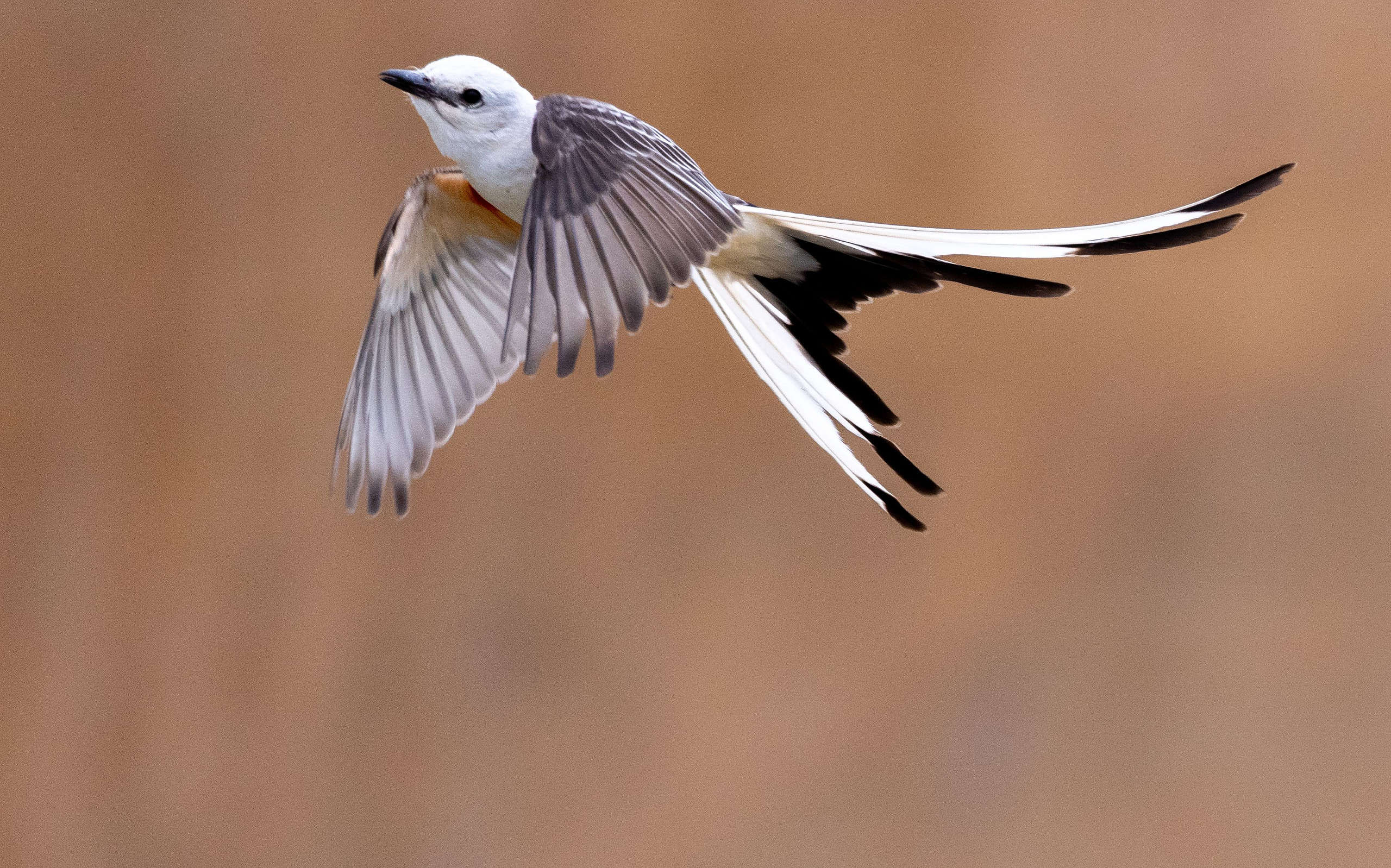
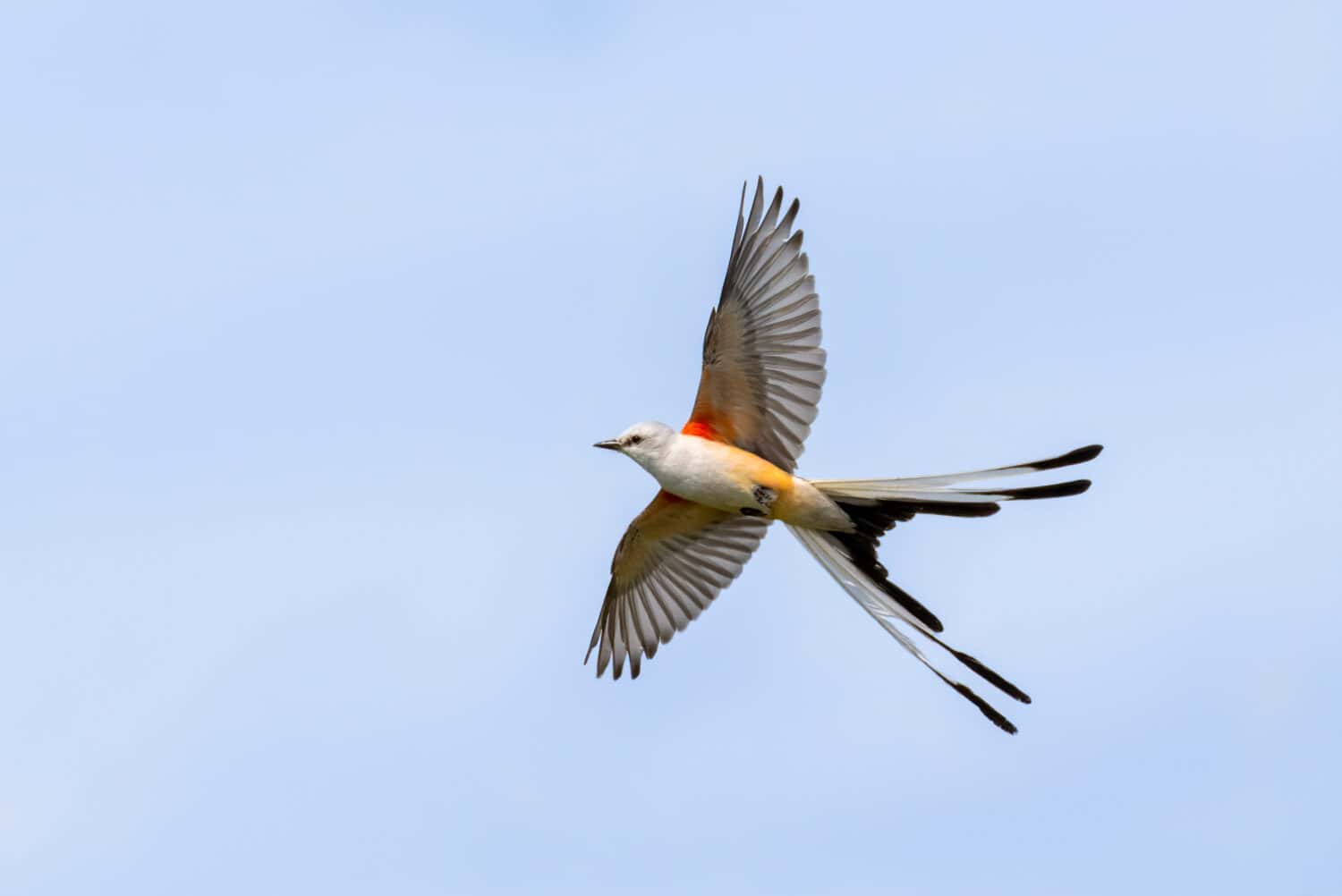
The Scissor-tailed Flycatcher (Tyrannus forficatus) is more than just a beautiful bird; it’s a charismatic ambassador for the state of Oklahoma. Its distinctive features and fascinating behaviors capture the essence of the state’s wide-open spaces and dynamic spirit. Witnessing a scissor-tail in flight is an experience that resonates deeply with visitors and locals alike, embodying the natural grace and resilience found throughout the Sooner State.
A Vision of Grace: Characteristics and Habitat
The Scissor-tailed Flycatcher is instantly recognizable by its extraordinarily long, forked tail, which can be up to twice the length of its body, especially in males. This impressive tail gives the bird its name and is a crucial element in its spectacular courtship displays and aerial maneuvers. Its plumage is a soft gray on the head and back, contrasting with a clean white underside and salmon-pink flanks and underwing linings, which flash beautifully during flight. The birds have dark eyes and a sturdy bill, typical of a flycatcher, adept at snatching insects mid-air.
These elegant birds are primarily insectivorous, often seen perched on fences, utility wires, or prominent branches, scanning for prey. Once spotted, they launch into swift, agile flights to catch their meals, often performing dazzling acrobatics. Their calls are a series of sharp, chattering notes, adding to the symphony of the prairie.
The Scissor-tailed Flycatcher is a migratory species, spending its breeding season predominantly in the south-central United States, with its highest concentrations found in Oklahoma, Texas, and Kansas. They prefer open grasslands, prairies, savannas, and areas with scattered trees, making much of Oklahoma’s landscape ideal habitat. As summer gives way to autumn, these magnificent birds embark on a long journey south to their wintering grounds in Mexico and Central America, returning to Oklahoma each spring, usually by late March or early April. Their arrival is a much-anticipated sign of spring’s full embrace, signaling warmer days and the rejuvenation of nature.
Understanding their migratory patterns is key for birdwatchers and nature enthusiasts planning a visit. The optimal time to see the Scissor-tailed Flycatcher in Oklahoma is from April through September, when they are actively breeding and raising their young. During this period, their vibrant colors and dynamic behaviors are most evident, offering unparalleled opportunities for observation and photography. Conservation efforts by organizations like the Audubon Society and the Smithsonian Migratory Bird Center are crucial in protecting these beautiful birds and their habitats across their extensive range.
Cultural Significance and Symbolism
The Scissor-tailed Flycatcher’s designation as Oklahoma’s state bird is a testament to its pervasive presence and enduring appeal throughout the region. It embodies the essence of the Sooner State’s natural beauty and pioneering spirit. Its graceful flight across the expansive Oklahoman skies evokes a sense of freedom and the boundless horizons that characterize the state.
The bird’s striking appearance and captivating acrobatics have made it a popular subject in local art, literature, and even heraldry. You can find its image adorning everything from pottery and paintings to local business logos, symbolizing Oklahoma’s commitment to preserving its natural heritage. For many Oklahomans, the sight of a scissor-tail soaring overhead brings a sense of home and pride, a living link to the state’s prairie roots and its vibrant ecosystems.
Beyond its aesthetic appeal, the Scissor-tailed Flycatcher serves as a reminder of the importance of ecological balance and the delicate interplay between wildlife and habitat. Its reliance on open grasslands underscores the need to protect Oklahoma’s prairies and natural spaces, which are vital not just for the scissor-tail, but for countless other species and the overall health of the environment. For travelers, encountering this iconic bird offers a deeper connection to Oklahoma’s identity, providing a memorable experience that transcends a typical tourist visit.
Discovering Oklahoma’s Avian Wonders: Top Birdwatching Destinations
For nature enthusiasts and birdwatchers, Oklahoma is a treasure trove of avian biodiversity, with the Scissor-tailed Flycatcher taking center stage. The state’s varied ecosystems—from shortgrass prairies and cross timbers to pine forests and wetlands—provide habitats for over 400 bird species, making it a prime destination for ornithological exploration. Whether you’re a seasoned birder or simply enjoy observing wildlife, Oklahoma offers numerous picturesque locations to immerse yourself in its natural splendor.
Prime Locations for Scissor-tailed Flycatcher Sightings
To maximize your chances of spotting the elegant Scissor-tailed Flycatcher, focus on areas with open grasslands, scattered trees, and access to water. These birds are quite adaptable and can be found in rural fields, suburban parks, and even along roadsides across much of the state. However, some destinations offer particularly rewarding opportunities:
- Wichita Mountains Wildlife Refuge: Located in southwestern Oklahoma, this stunning refuge is one of the oldest managed wildlife facilities in the United States. Besides its iconic bison and elk herds, the refuge’s diverse habitats, including grasslands and oak woodlands, are perfect for Scissor-tailed Flycatchers and numerous other bird species. The refuge offers scenic drives, hiking trails, and designated observation areas, making it an excellent spot for wildlife photography.
- Tallgrass Prairie Preserve: Situated in northeastern Oklahoma near Pawhuska, this is the largest protected remnant of tallgrass prairie in the world. Its expansive, uninterrupted grasslands are a pristine habitat for the Scissor-tailed Flycatcher and a host of other prairie birds. Visitors can explore the preserve via scenic drives or hiking trails, enjoying breathtaking views and abundant wildlife.
- Lake Thunderbird State Park: Conveniently located near Norman and Oklahoma City, this popular state park features large open spaces, woodlands, and lake shores, providing excellent opportunities for birdwatching. The park is easily accessible and offers a blend of recreational activities alongside its natural attractions, making it a great choice for families.
- Black Mesa State Park & Nature Preserve: For an adventure into Oklahoma’s panhandle, this preserve offers a high desert environment, which, despite its arid nature, attracts a unique array of bird species, including the scissor-tail in appropriate habitats. It’s also Oklahoma’s highest point and a dark sky preserve, perfect for stargazing after a day of birding.
- Salt Plains National Wildlife Refuge: Known for its vast salt flats and migratory bird populations, especially shorebirds and waterfowl, this refuge also provides suitable habitats for Scissor-tailed Flycatchers in its grassy uplands. It’s a unique landscape and an important stop for many avian species on their migration routes.
When visiting these locations, remember to bring binoculars, a field guide, and a camera. Early mornings and late afternoons are often the best times for bird activity.

Beyond the Scissor-tail: Other Avian Delights and Natural Attractions
While the Scissor-tailed Flycatcher is a star attraction, Oklahoma’s birdwatching scene is incredibly diverse. Depending on the season and habitat, you might also spot:
- Waterfowl and Shorebirds: At lakes and wetlands like Keystone Lake, Tenkiller Ferry Lake, and the Salt Plains National Wildlife Refuge, you can observe a variety of ducks, geese, cranes, pelicans, and sandpipers.
- Raptors: Keep an eye out for majestic birds of prey such as Bald Eagles, Red-tailed Hawks, and various owl species, especially in larger preserves and mountainous regions.
- Songbirds: Forests and wooded areas throughout the state are home to colorful warblers, vireos, sparrows, and finches, particularly during spring and fall migration.
Beyond birdwatching, Oklahoma’s natural attractions offer a wealth of outdoor activities. Hiking, fishing, boating, and camping are popular pursuits in state parks like Roman Nose State Park and Beavers Bend State Park. Many parks also feature equestrian trails, golf courses, and opportunities for stargazing. Integrating these activities into your itinerary provides a holistic experience of Oklahoma’s stunning natural environment, catering to a wide range of interests and ensuring there’s something for every member of the family to enjoy.
Planning Your Oklahoma Adventure: Travel, Accommodation, and Experiences
Embarking on an Oklahoma adventure to witness the Scissor-tailed Flycatcher and explore the state’s wonders requires thoughtful planning. From choosing the perfect place to stay to discovering local culinary delights and cultural landmarks, your journey through the Sooner State can be tailored to suit any travel style, whether you’re seeking luxury, budget-friendly options, or a family-focused trip.
Curating Your Stay: Hotels, Resorts, and Unique Accommodations
Oklahoma offers a wide array of accommodation options to complement your travel plans, ranging from sophisticated urban hotels to rustic lodges and charming bed and breakfasts near natural attractions. When selecting your stay, consider your primary interests, budget, and travel companions.
Urban Comfort and Convenience:
For travelers who prefer the vibrancy of city life combined with easy access to cultural attractions and dining, major cities like Oklahoma City and Tulsa provide excellent choices.
- In Oklahoma City, you’ll find a range of hotels from luxury resorts like the Skirvin Hilton Oklahoma City to boutique hotels in districts like Bricktown. These often feature amenities such as swimming pools, fitness centers, on-site restaurants, and business facilities, ideal for both leisure and business stays. Serviced apartments are also available for longer visits or those seeking more space and a home-away-from-home feel.
- Tulsa boasts similar options, including the historic Hotel Ambassador Tulsa or modern establishments like the Hyatt Regency Tulsa, many offering excellent access to downtown attractions and the Arkansas River trails.
Nature-Immersed Stays:
If your primary goal is birdwatching and outdoor exploration, consider staying closer to state parks and wildlife refuges.
- Many state parks, such as Beavers Bend State Park or Lake Thunderbird State Park, offer cabins, campsites, and even lodges, providing an immersive experience within nature. These options are particularly great for family trips or budget-conscious travelers, offering a chance to wake up surrounded by the sounds of nature.
- Smaller towns like Norman, Stillwater, or Broken Arrow also have a variety of hotels and motels that serve as convenient bases for exploring nearby natural areas while still offering essential comforts.
- For a truly unique experience, consider glamping sites or vacation rentals (villas, apartments) through services that allow you to stay in more secluded, picturesque locations, often with direct access to hiking trails or scenic views. This can be perfect for long-term stays or those seeking a blend of comfort and wilderness.
When booking, always check reviews and compare options based on location, amenities, and price. Many properties offer special packages, especially during peak travel seasons, so it’s worth investigating for potential savings or added value.
Experiencing Oklahoma: From City Life to Prairie Serenity
Oklahoma’s allure extends far beyond its state bird. Integrating diverse experiences into your itinerary will create a richer, more memorable trip.
Cultural and Historical Exploration:
- In Oklahoma City, delve into history at the profound Oklahoma City National Memorial & Museum. Explore the vibrant Paseo Arts District for galleries and unique shops, or stroll through the Myriad Botanical Gardens.
- Tulsa offers architectural wonders in its Art Deco district, alongside world-class museums like the Philbrook Museum of Art and the Gilcrease Museum, which houses a vast collection of American Western art. Don’t miss The Gathering Place, a spectacular riverfront park perfect for families. The Woody Guthrie Center is also a must-visit for music and history buffs.
- Throughout the state, explore the rich heritage of its Native American tribes. The Chickasaw Cultural Center in Sulphur offers an immersive experience into Chickasaw history and contemporary life.
- Travel a portion of historic Route 66, which winds through Oklahoma, stopping at quirky roadside attractions and classic diners.
Food and Local Flavors:
Oklahoma’s culinary scene is a delightful blend of Southern comfort food, Tex-Mex influences, and vibrant new American cuisine. Sample authentic BBQ, indulge in a classic chicken-fried steak, or try the famous onion burgers. Farmers markets offer fresh local produce and artisan goods, providing a taste of the region’s agricultural bounty.
Outdoor Adventures:
Beyond birdwatching, take advantage of Oklahoma’s diverse landscapes for hiking, mountain biking, fishing, and kayaking. The Ouachita Mountains in the southeast offer rugged trails, while the plains provide vast open spaces for exploration. Many parks offer guided tours or equipment rentals, making it easy to engage in outdoor activities even if you’re a novice.
Practical Tips for Travelers and Birdwatchers
To ensure a smooth and enjoyable trip to Oklahoma, keep these practical tips in mind:
- Best Time to Visit: For optimal Scissor-tailed Flycatcher sightings and pleasant weather for outdoor activities, plan your trip between April and October. Spring (April-May) offers lush greenery and peak migration, while fall (September-October) brings cooler temperatures and beautiful foliage. Summers can be hot, especially in July and August.
- What to Pack: For birdwatching, essentials include binoculars, a field guide, and a camera with a good zoom lens. Dress in layers, as temperatures can fluctuate, and wear comfortable walking shoes. Don’t forget sun protection (hat, sunglasses, sunscreen) and insect repellent, especially if spending time outdoors.
- Transportation: A car is almost essential for exploring Oklahoma, as many of the best natural attractions are spread out and public transportation outside of major cities is limited. Renting a car at Will Rogers World Airport in Oklahoma City or Tulsa International Airport is highly recommended.
- Guided Tours: Consider joining a local birdwatching tour or hiring a guide, especially if you’re new to the area or seeking specific species. Local experts can provide invaluable insights into bird behavior and prime viewing spots. Many state parks also offer ranger-led programs.
- Respect Wildlife: When birdwatching, maintain a respectful distance from wildlife to avoid disturbing them. Use designated trails and leave no trace to help preserve Oklahoma’s natural beauty for future generations.
By combining the pursuit of Oklahoma’s iconic state bird with the state’s rich cultural offerings, diverse landscapes, and comfortable accommodations, your journey promises to be an enriching blend of discovery and relaxation. From the vibrant cityscapes to the serene prairies, Oklahoma is waiting to captivate your senses and leave you with lasting memories.
The Scissor-tailed Flycatcher truly is a symbol of all that makes Oklahoma unique: its natural beauty, its open spaces, and its vibrant spirit. Whether you’re a devoted birder or a curious traveler, a visit to the Sooner State promises an unforgettable encounter with this magnificent bird and a deep dive into the heart of America’s frontier. Plan your trip today and discover the endless adventures that await in Oklahoma.
LifeOutOfTheBox is a participant in the Amazon Services LLC Associates Program, an affiliate advertising program designed to provide a means for sites to earn advertising fees by advertising and linking to Amazon.com. Amazon, the Amazon logo, AmazonSupply, and the AmazonSupply logo are trademarks of Amazon.com, Inc. or its affiliates. As an Amazon Associate we earn affiliate commissions from qualifying purchases.