
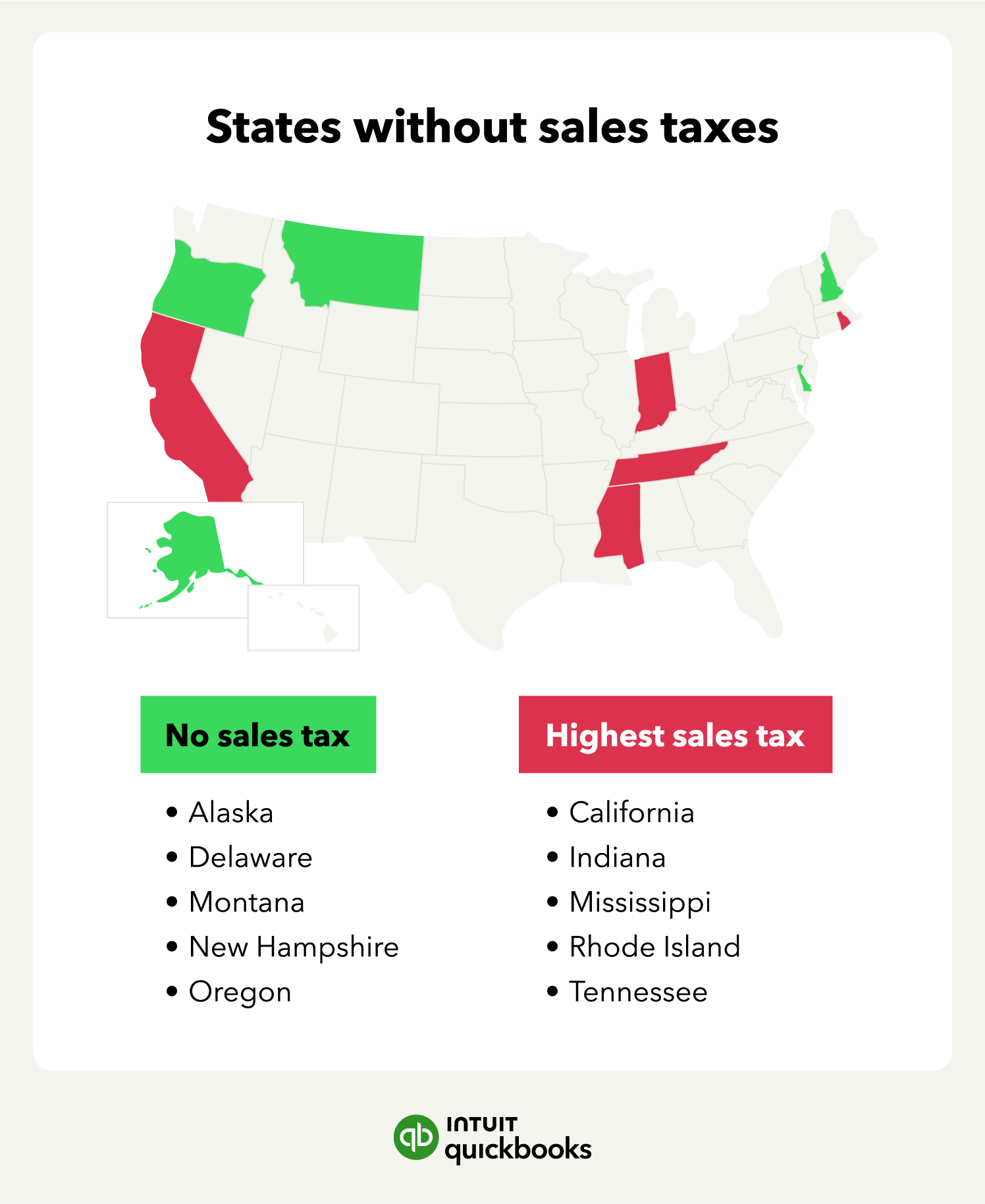
For travelers and residents alike, the question of sales tax often looms large when planning a trip or considering a move. It can significantly impact a budget, from the cost of souvenirs and dining out to major purchases like electronics or clothing. When it comes to the picturesque state of Oregon, the answer to this ubiquitous question is a resounding and welcome no. Oregon is one of only five states in the United States that does not impose a statewide sales tax on goods and services, making it a unique destination for shoppers and a financially attractive locale for those considering longer stays or business ventures. This distinct characteristic shapes the travel experience, influences local commerce, and offers a compelling reason to explore the state’s diverse landscapes and vibrant cities.

This absence of sales tax isn’t just a minor perk; it’s a fundamental aspect of the Oregon lifestyle and a significant draw for tourism. Imagine purchasing that new outdoor gear for your hiking adventure, savoring a gourmet meal in Portland, or picking up unique local crafts without the added percentage tacked onto your bill at checkout. This can translate into substantial savings, particularly for those on extended trips or planning to make significant purchases. Beyond the immediate financial benefits, it cultivates a distinct shopping culture, where transparency in pricing is a given, and your sticker price is truly what you pay. Understanding this core economic feature is crucial for anyone planning to visit or explore the myriad opportunities that Oregon offers, from its breathtaking natural landmarks to its bustling urban centers and charming small towns.
The Sweet Reality: No Sales Tax in Oregon
The absence of a statewide sales tax in Oregon sets it apart from the vast majority of U.S. states. This policy is a point of pride for many Oregonians and a significant advantage for consumers. For visitors, it means that the price you see on an item in a store, whether it’s a souvenir t-shirt, a new pair of hiking boots, or a delicious meal at a farm-to-table restaurant, is the price you pay. There are no surprises at the register, no complex calculations needed to figure out the final cost. This simplicity and transparency make shopping and dining experiences particularly pleasant throughout the state.
This unique economic landscape makes Oregon a celebrated destination for various forms of tourism. Shoppers from neighboring states like Washington and California, which have some of the highest sales tax rates in the nation, frequently cross state lines to take advantage of Oregon’s tax-free status. This influx of “tax tourists” bolsters the local economy, particularly in border towns and major retail hubs like Portland. For international visitors, the concept of no sales tax can be even more appealing, offering an unexpected discount on purchases they might make during their travels. From high-end boutique hotels offering curated shopping experiences to local markets brimming with artisan goods, the absence of sales tax underpins a significant part of Oregon’s appeal as a travel destination.
A Shopper’s Paradise: Maximizing Your Budget
For many, the biggest draw of Oregon’s tax-free status is the opportunity to save money on purchases, especially significant ones. This advantage extends across virtually all categories of goods, making it a true shopper’s paradise.
- Clothing and Apparel: Whether you’re updating your wardrobe in Portland’s trendy Pearl District or stocking up on outdoor gear in Bend, the lack of sales tax means immediate savings. This is particularly noticeable on higher-priced items like winter coats, specialized sports equipment, or designer apparel.
- Electronics: Tech enthusiasts often plan trips to Oregon specifically to purchase new gadgets, cameras, laptops, or smartphones. The 5% to 10% savings on these items can be substantial, often covering a portion of travel expenses.
- Home Goods and Furniture: For those furnishing a new home or looking for unique decor, Oregon’s retailers offer a compelling proposition. Interior designers and home improvement enthusiasts can enjoy significant savings on their purchases.
- Art and Collectibles: The state boasts a thriving arts scene. Purchasing original artworks, handmade jewelry, or unique collectibles from local artisans becomes even more attractive when you know the price you see is the final price.
- Everyday Necessities: Even on smaller, everyday purchases like groceries (which are often exempt from sales tax in many states anyway), toiletries, or books, the cumulative savings add up, making your overall trip more affordable.
This tax benefit also influences the lifestyle aspect of living or visiting Oregon. Residents enjoy a lower cost of goods compared to many other states, which can free up disposable income for experiences, investments, or simply a higher quality of life. For budget travel enthusiasts, Oregon becomes an even more viable option, allowing them to stretch their dollars further on essential purchases and allocate more funds towards unforgettable experiences like whale watching on the Oregon Coast or exploring the magnificent Crater Lake National Park.
Unpacking the Savings: What Does it Mean for Travelers?
For tourists, the absence of sales tax translates into direct, tangible benefits that enhance the overall travel experience. It’s not just about saving money; it’s about the freedom and flexibility that comes with those savings.
- More for Your Money: With no sales tax, your travel budget stretches further. You can afford an extra souvenir, a fancier meal, or perhaps upgrade your accommodation choice from a standard room to a suite at a resort.
- Simplified Budgeting: Planning your expenses becomes much easier when you don’t have to factor in an additional percentage for every purchase. The price tag is the final price, making budgeting for shopping, dining, and other activities straightforward.
- Cross-Border Shopping Expeditions: Oregon actively encourages shopping tourism. Many visitors from neighboring states intentionally plan trips to border cities or Portland for dedicated shopping excursions. Popular destinations like Woodburn Premium Outlets or the multitude of shops within Pioneer Place become prime targets.
- Enhanced Dining Experiences: Oregon is renowned for its culinary scene, from innovative restaurants in Portland to fresh seafood on the coast and world-class wineries in the Willamette Valley. Enjoying these gastronomic delights without an added sales tax makes the experience even more palatable.
- Great for Families: For family trips, the savings on clothing, toys, and various supplies can be substantial, allowing families to allocate more funds towards attractions and experiences suitable for all ages.
The competitive advantage Oregon gains from its tax policy is undeniable. It positions the state as a prime destination not only for outdoor adventurers and foodies but also for astute consumers looking to maximize their purchasing power.
Beyond Sales Tax: Understanding Other Taxes in Oregon
While the absence of sales tax is a significant financial benefit, it’s crucial for travelers and potential residents to understand that Oregon does levy other taxes to fund its public services. These taxes are typically structured differently than a sales tax but still impact various aspects of travel and living expenses. Understanding them ensures a comprehensive view of the cost of visiting or residing in the state and helps in planning your accommodation, activities, and overall budget.
Oregon relies heavily on income tax and property tax to generate revenue. While income tax primarily affects residents (and is relatively high compared to other states), and property tax is paid by homeowners, there are other taxes that directly impact visitors. Knowing about these will help you avoid any surprises and budget accordingly. The key is to distinguish between broad-based consumption taxes (like sales tax) and specific-purpose taxes that apply to particular goods or services.
Navigating Lodging Taxes: What to Expect at Your Accommodation
One of the most common taxes affecting visitors to Oregon is the lodging tax, also known as transient occupancy tax or hotel tax. While you won’t pay sales tax on your hotel room, you will pay a lodging tax. This tax is applied to overnight stays at hotels, motels, resorts, vacation rentals, bed and breakfasts, and other short-term accommodation options.
- State Lodging Tax: Oregon imposes a statewide lodging tax. This uniform rate applies across all jurisdictions within the state.
- Local Lodging Taxes: In addition to the state tax, many cities and counties impose their own local lodging taxes. These local taxes vary significantly depending on the municipality. For example, Portland and surrounding Multnomah County have a combined lodging tax rate that is among the highest in the state, funding convention centers, tourism promotion, and other local services. Coastal cities like Astoria, Cannon Beach, and Newport, as well as popular destinations like Bend, also have their own rates.
- Impact on Booking and Reviews: When booking hotels or vacation rentals, it’s essential to check the final price, which typically includes these lodging taxes. Websites often display rates excluding taxes until the final checkout page. When reading reviews or doing price comparison, remember that the advertised nightly rate might not be the total you pay.
These lodging taxes are crucial for funding local infrastructure, tourism promotion, and services that benefit both residents and visitors, such as public safety and parks. While it’s an additional cost, it’s distinct from a sales tax and is a standard practice in most tourism-heavy destinations worldwide, regardless of their sales tax policy.
Other Taxes Affecting Visitors and Residents
Beyond lodging taxes, there are a few other taxes that visitors might encounter, and residents certainly will:
- Gasoline Tax: Oregon has a state fuel tax that is added to the price of gasoline and diesel. If you’re planning a scenic road trip through the Columbia River Gorge or down the Oregon Coast, factor this into your transportation budget. The price you see at the pump includes this tax.
- “Sin Taxes” (Alcohol, Tobacco, and Cannabis): Like many other states, Oregon imposes excise taxes on certain goods deemed harmful or luxurious.
- Alcohol: Alcoholic beverages, including craft beers from Oregon’s famous breweries and wines from the Willamette Valley, are subject to specific excise taxes. These taxes are generally included in the retail price you see on the shelf or menu.
- Tobacco: Tobacco products are heavily taxed in Oregon.
- Cannabis: Oregon has legalized recreational cannabis, and sales are subject to a state excise tax, typically collected at the point of sale.
- Income Tax: As mentioned, Oregon has a progressive state income tax. While this primarily affects residents, it’s the main mechanism by which the state generates revenue in the absence of a sales tax.
- Property Tax: Property taxes are levied by local governments on real estate and are a significant funding source for schools and local services. This tax primarily impacts homeowners and businesses that own property.
Understanding this tax structure provides a clearer picture of Oregon’s economy. While the lack of sales tax is a huge draw, it’s balanced by other forms of taxation. For the average traveler, the most relevant taxes to be aware of will be lodging tax and gas tax, along with any excise taxes on specific purchases like alcohol or cannabis.
Crafting Your Oregon Itinerary: Maximizing Your Tax-Free Experience
Leveraging Oregon’s tax-free status can significantly enhance your travel experience, allowing you to allocate more funds towards enriching activities, comfortable hotels, or memorable purchases. When planning your travel itinerary, consider how the absence of sales tax can influence your choices, from which cities you explore to the types of experiences you prioritize. The state’s diverse geography, cultural richness, and thriving industries, combined with its unique tax policy, make it a truly exceptional destination for various types of tourism.
From the urban sophistication of Portland to the rugged beauty of the Oregon Coast and the outdoor adventure hub of Bend, each region offers distinct opportunities for enjoyment and savings. Whether you’re a luxury traveler indulging in high-end shopping or a budget travel enthusiast seeking value, Oregon’s economic landscape plays a pivotal role in shaping your journey.
Top Destinations for Tax-Free Shopping and Exploration
When planning your Oregon adventure, certain cities and regions stand out as prime locations to enjoy the full benefits of tax-free shopping while also offering incredible destinations and attractions.
- Portland: As Oregon’s largest city, Portland is the undisputed epicenter of tax-free shopping. From high-end boutiques in the Pearl District and upscale retailers at Pioneer Place to quirky independent shops on Hawthorne Boulevard and expansive shopping centers like Washington Square, the options are endless. Beyond shopping, Portland offers a vibrant food scene, craft breweries, extensive rose gardens, and easy access to the scenic Columbia River Gorge.
- Bend and Central Oregon: Known as an outdoor enthusiast’s paradise, Bend is an excellent place to purchase tax-free outdoor gear, apparel, and sporting equipment. After hitting the shops, you can explore the Deschutes River, ski at Mount Bachelor, or hike the trails around Smith Rock State Park. The savings on specialized equipment can be quite significant here.
- Oregon Coast: While less focused on large-scale retail, the coastal towns offer charming independent shops where you can find unique artisan goods, local art, and souvenirs without sales tax. Towns like Cannon Beach, famous for Haystack Rock, and Astoria, with its rich maritime history, provide picturesque backdrops for relaxed shopping and exploration.
- Ashland: Home to the renowned Oregon Shakespeare Festival, Ashland offers a delightful mix of cultural experiences and boutique shopping. Enjoy tax-free purchases on local crafts, books, and unique gifts while immersing yourself in world-class theater.
- Willamette Valley: This region is famous for its wineries. While the wine itself has excise taxes baked into the price, purchasing wine accessories, culinary items, or gifts from vineyard shops will be sales tax-free, making it a pleasant bonus for wine lovers.
Each of these destinations offers a distinct flavor of Oregon while allowing you to enjoy the financial benefits of its tax policy, making your trip both enriching and economically savvy.
Lifestyle Benefits: From Luxury to Budget Travel
The absence of sales tax impacts various lifestyle aspects of travel and living in Oregon, catering to a broad spectrum of preferences, from those seeking luxury travel to those committed to budget travel.
- Luxury Travel: For travelers accustomed to premium experiences, the savings from no sales tax can translate into higher-end purchases or more extravagant dining. Imagine purchasing designer goods or fine jewelry at a 5-10% discount compared to other states. This allows for a more indulgent approach to shopping, freeing up funds for stays at exclusive resorts or gourmet tasting menus. The overall value proposition for high-end consumers in Oregon is significantly enhanced.
- Budget Travel: Conversely, for budget-conscious travelers, the lack of sales tax is a game-changer. It means every dollar budgeted for food, souvenirs, or practical necessities goes further. This can be the difference between extending a trip by an extra day, affording an additional attraction ticket, or enjoying more meals out instead of relying solely on self-catering. Oregon becomes a much more accessible and appealing destination for those looking to maximize their travel funds.
- Family and Business Stays: For family trips, the savings on children’s clothing, toys, and activity supplies can be considerable. For individuals on business stays, purchasing office supplies, tech gadgets, or even client gifts without added sales tax can be a tangible benefit for corporate budgets.
- Culinary Experiences: Dining out in Oregon is a celebrated experience, from world-class restaurants to famous food trucks. The absence of sales tax on your meal means your culinary budget stretches further, allowing you to sample more of the local culture through its diverse food scene.
- Local Culture and Activities: While tickets to performances or guided tours might not always be directly subject to sales tax in other states, the overall lower cost of living due to no sales tax on goods can indirectly keep prices for various activities and experiences more competitive. This enables travelers to engage more deeply with Oregon’s vibrant arts, outdoor, and local culture.
In essence, Oregon’s sales tax-free environment creates a more flexible and value-rich experience across the entire spectrum of travel and lifestyle choices. It encourages visitors to explore, indulge, and spend with confidence, knowing that the price they see is the price they pay.
Practical Tips for Your Oregon Visit
Planning a trip to Oregon offers a unique blend of natural beauty, urban sophistication, and compelling economic advantages. To make the most of your visit, especially with the sales tax-free environment, consider these practical tips. From budgeting strategies to maximizing your shopping potential and navigating other local regulations, a little foresight can greatly enhance your Oregon experience.
Embrace the opportunity to save, but also be mindful of the broader context of Oregon’s unique economic and cultural landscape. Your journey through this remarkable state will be all the more rewarding with a clear understanding of what to expect.
Making the Most of No Sales Tax
To truly capitalize on Oregon’s tax-free status, here are some actionable strategies:
- Prioritize Big-Ticket Purchases: If you’ve been eyeing a new camera, laptop, high-end appliance, or a significant clothing item, consider purchasing it in Oregon. The savings on these items can be substantial and directly offset other travel costs.
- Factor in “Hidden” Savings: Don’t just think about large purchases. The cumulative savings on everyday items like restaurant meals, coffee, snacks, and souvenirs can add up significantly over the course of your trip. Build this into your daily budget planning.
- Shop Smart for Gifts and Souvenirs: Whether you’re buying local artisan crafts, wine from the Willamette Valley, or unique Oregon-themed items, knowing you’re not paying sales tax adds extra value to your gifts and mementos.
- Compare Prices Across Borders: If you’re coming from a neighboring state with sales tax, do a quick price comparison before your trip. You might find that purchasing certain items in Oregon makes financial sense, even accounting for travel time and gas.
- Support Local Businesses: The absence of sales tax benefits local businesses by making their prices more competitive. Take the opportunity to explore independent shops, boutique hotels, and local eateries, knowing your money goes further and directly supports the community.

Navigating Other Regulations and Customs
While sales tax is absent, other regulations and customs are unique to Oregon and worth noting:
- Full-Service Gas Stations: One of Oregon’s most distinctive laws is that it’s one of only two states (the other being New Jersey) where it is generally illegal to pump your own gas. Attendants will fill your tank for you. This applies to most of the state, though some rural counties have exceptions. Don’t be surprised when an attendant approaches your vehicle.
- Bottle Bill and Deposit: Oregon has a “Bottle Bill” which adds a refundable deposit (currently 10 cents) to most beverage containers, including soda, water, beer, and cider. You pay this deposit when you purchase the beverage and can redeem it by returning empty containers to authorized redemption centers or grocery stores.
- Cannabis Laws: While recreational cannabis is legal for adults 21 and over, there are strict rules regarding consumption (only on private property, never in public), possession limits, and transportation (must be in a sealed container, out of reach of the driver). Be aware of these regulations if you choose to partake.
- Recycling: Oregonians are generally very environmentally conscious. You’ll find recycling bins readily available in public spaces, hotels, and accommodation rentals. Participating in recycling efforts is a respectful way to engage with the local culture.
- Weather Preparedness: Oregon’s weather can be notoriously unpredictable, especially in the western part of the state. Even in summer, pack layers, and be prepared for rain, particularly if visiting the Oregon Coast or Columbia River Gorge.
By keeping these tips in mind, your visit to Oregon will not only be more financially savvy but also more smoothly integrated into the unique rhythms and practices of the state. Enjoy the natural wonders, the vibrant cities, and the pleasant surprise of no sales tax!
LifeOutOfTheBox is a participant in the Amazon Services LLC Associates Program, an affiliate advertising program designed to provide a means for sites to earn advertising fees by advertising and linking to Amazon.com. Amazon, the Amazon logo, AmazonSupply, and the AmazonSupply logo are trademarks of Amazon.com, Inc. or its affiliates. As an Amazon Associate we earn affiliate commissions from qualifying purchases.