
Nestled in the picturesque Pacific Northwest of the United States, Portland, Oregon, is renowned for its lush landscapes, vibrant urban gardens, and an almost mythical connection to nature. Often dubbed the “Rose City” for its ideal conditions for cultivating roses, Portland’s unique charm is intrinsically linked to its climate and, more specifically, its plant hardiness zone. For travelers, gardening enthusiasts, or anyone considering a long-term stay, understanding Portland’s growing zone is key to appreciating its natural beauty, planning visits, and even experiencing its thriving farm-to-table culinary scene.
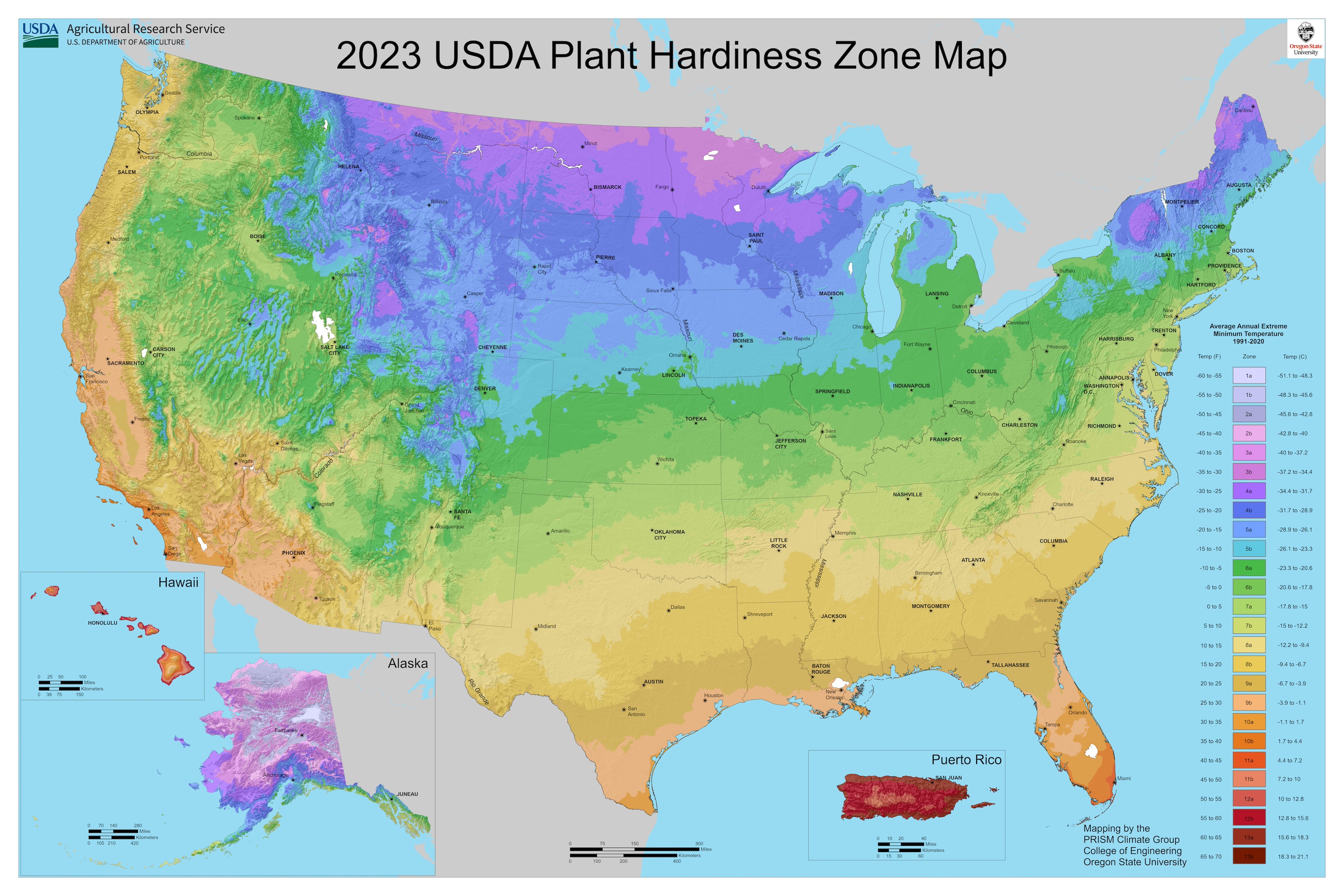
The concept of a “growing zone” or “plant hardiness zone” is a standardized system developed by the USDA ( United States Department of Agriculture) to help gardeners and farmers determine which plants are most likely to survive the winter cold in a particular location. It divides the country into zones based on the average annual extreme minimum winter temperature. Each zone represents a 10-degree Fahrenheit range, further divided into ‘a’ and ‘b’ subzones representing 5-degree increments. This system is crucial for selecting appropriate plants that can thrive in local conditions, and it significantly influences the flora that visitors will encounter throughout the city.
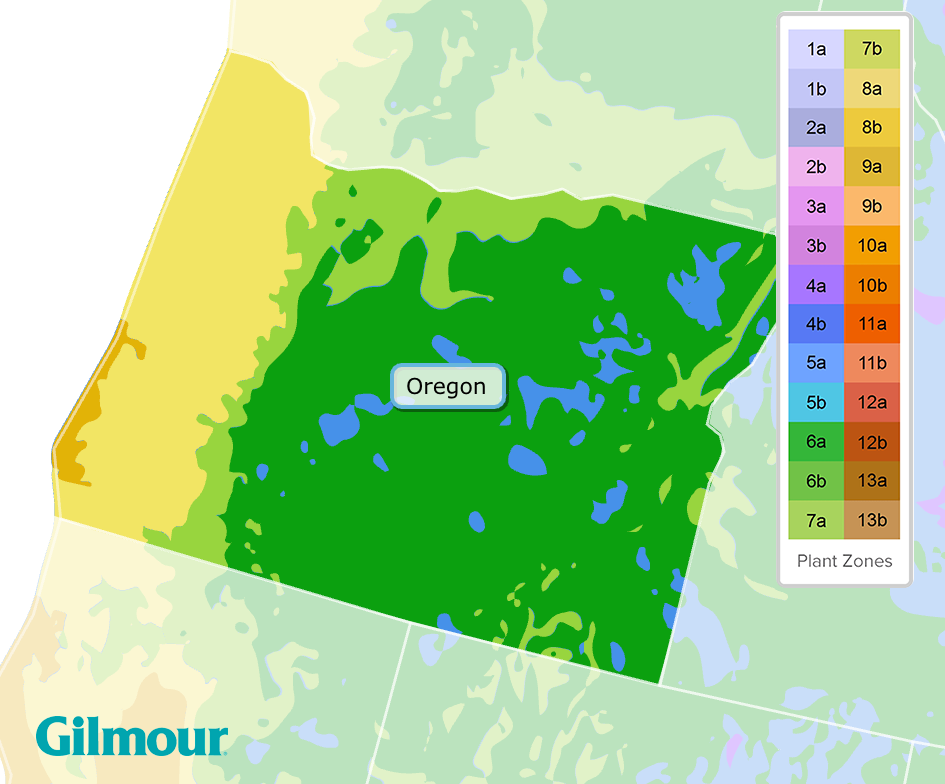
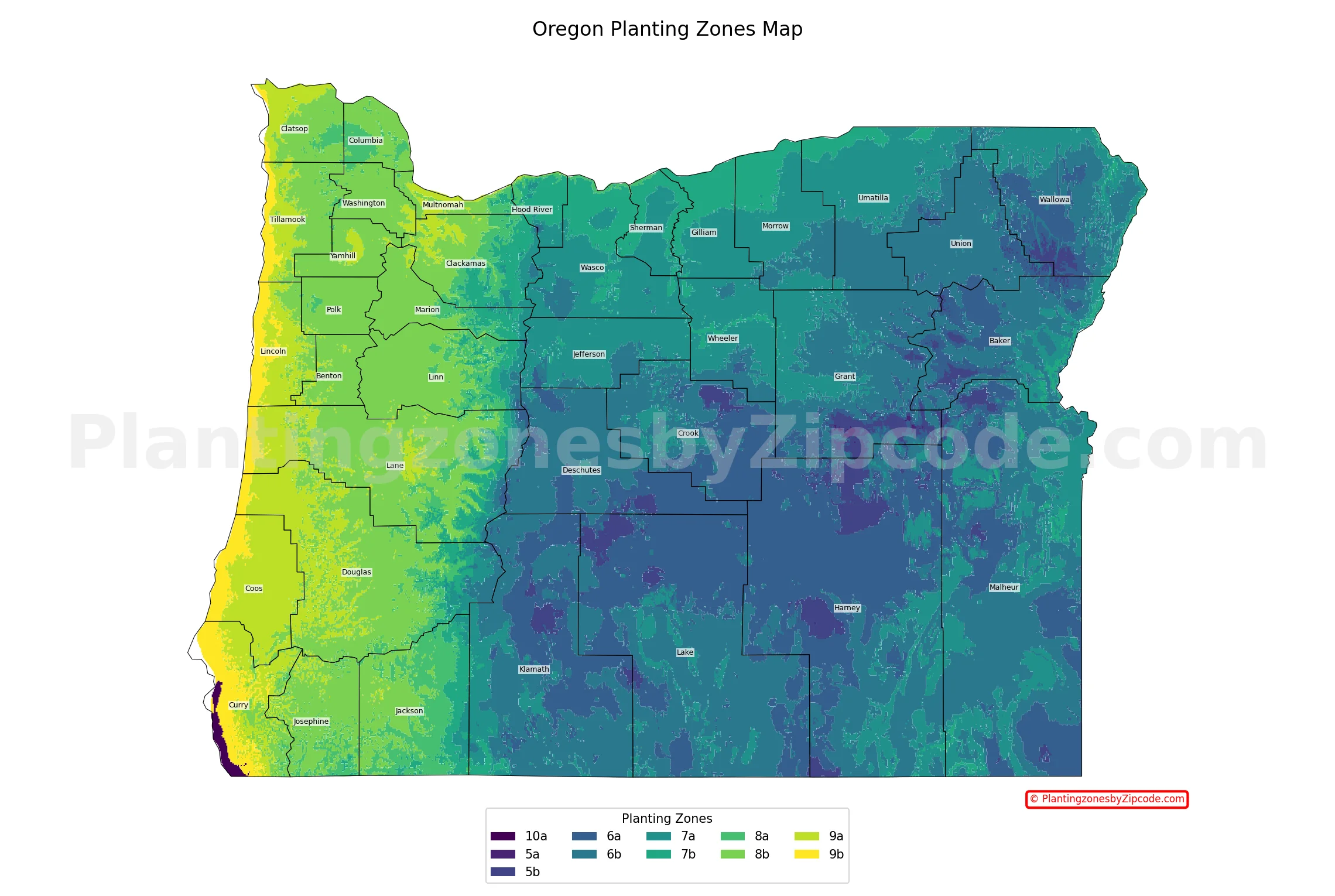
For Portland, Oregon, the city primarily falls within USDA Plant Hardiness Zone 8b. However, thanks to the urban heat island effect, particularly in the dense downtown areas and microclimates along the Willamette River, certain pockets can even reach Zone 9a. This dual-zone classification highlights the mild winters and relatively long growing season that contribute to Portland’s verdant reputation. This favorable climate allows for an extraordinary diversity of plant life, from native ferns and conifers to exotic species that might struggle in colder regions. Understanding these zones offers a deeper insight into why Portland is such a green oasis, impacting everything from its famous public gardens to the private havens found behind residential fences.
Understanding Portland’s Unique Climate and Growing Zones
Portland’s climate is a fascinating blend of oceanic and Mediterranean influences, shaped by its proximity to the Pacific Ocean and the protective barrier of the Coast Range mountains. This unique geographical positioning results in mild, wet winters and warm, dry summers, creating an ideal environment for a vast array of plant species. The consistent moisture during the cooler months, followed by ample sunshine in summer, provides the perfect recipe for lush growth and vibrant blooms.
The USDA Plant Hardiness Zone System Explained
The USDA Plant Hardiness Zone Map is the standard by which gardeners and growers determine which plants are most likely to survive the winter temperatures at a location. Updated periodically to reflect changing climate patterns, the map is an invaluable tool. Each zone represents a 10°F difference in the average annual extreme minimum winter temperature. For example, Zone 8 indicates an average annual extreme minimum temperature between 10°F and 20°F. The ‘b’ subzone means the average minimum is slightly warmer within that range, specifically 15°F to 20°F.
This system is vital for various aspects of the local economy and lifestyle in Portland. Nurseries and garden centers stock plants appropriate for these zones, ensuring local success. Farmers rely on this information for crop planning, contributing to the strong local food movement. For tourists, recognizing the significance of these zones helps explain the incredible botanical diversity seen in the city’s parks, gardens, and even along its streets. It underscores why Portland can boast such an impressive collection of plant life, from towering Douglas firs to delicate camellias.
Pinpointing Portland’s Specific Zones (8b and 9a)
As mentioned, most of Portland falls into Zone 8b, with its average annual extreme minimum winter temperatures ranging from 15°F to 20°F. This is a relatively mild classification, allowing for a broader range of perennial plants, trees, and shrubs to thrive compared to many other parts of the United States. Plants hardy to Zone 8b can withstand light freezes and occasional dips below freezing without significant damage.
The pockets of Zone 9a, found in downtown and along the Willamette River corridor, benefit from the urban heat island effect. Concrete, asphalt, and buildings absorb and re-emit heat, slightly elevating nighttime and winter temperatures. In these areas, the average annual extreme minimum temperature rises to 20°F to 25°F, allowing for an even wider selection of marginally hardy plants to flourish. This subtle distinction enables the cultivation of more tender species, contributing to the unique character of certain urban green spaces and private gardens. It’s a key factor contributing to Portland’s reputation as a gardener’s paradise and a highly desirable destination for those who appreciate botanical beauty.
The Lush Landscape: How Portland’s Growing Zones Shape its Appeal
The implications of Portland’s mild growing zones extend far beyond the backyard gardener. They profoundly influence the city’s tourism, local culture, and overall appeal as a travel destination. The ability to cultivate such a vast array of plants contributes to Portland’s identity as a green city, inviting visitors to explore its numerous parks, botanical gardens, and verdant natural areas.
Iconic Gardens and Green Spaces
Portland’s growing zones are perhaps best showcased in its world-renowned gardens, which serve as major tourist attractions. The International Rose Test Garden, often cited as the reason for Portland’s “Rose City” nickname, is a prime example. Its optimal climate allows thousands of rose varietals to flourish, creating a breathtaking spectacle from spring through fall. Visitors can wander through vibrant displays, enjoying panoramic views of the city and Mount Hood in the distance.
Another jewel is the Portland Japanese Garden, considered one of the most authentic Japanese gardens outside of Japan. Its serene landscapes, meticulous design, and diverse plant collection (including maple trees, azaleas, and various conifers) are made possible by the temperate climate. The Lan Su Chinese Garden, an authentic Ming Dynasty-style garden, similarly thrives, offering a tranquil escape in the heart of downtown. These landmarks are not just beautiful; they are living testaments to Portland’s exceptional growing conditions.
Beyond these famous sites, Portland boasts other significant green spaces like the Hoyt Arboretum, home to over 2,300 species of trees and shrubs from around the world, and the Leach Botanical Garden, dedicated to native Oregon plants. The Crystal Springs Rhododendron Garden bursts with color each spring, showcasing a vast collection of rhododendrons and azaleas perfectly suited to the local climate. These attractions highlight the city’s deep connection to its natural environment and offer diverse experiences for travelers interested in horticulture, photography, or simply a peaceful stroll.
Culinary Delights and Farm-to-Table Experiences
Portland’s favorable growing zones are also a cornerstone of its celebrated food culture. The long growing season and fertile soil of the surrounding Willamette Valley allow for an abundance of fresh, local produce. This directly fuels the city’s vibrant farm-to-table movement, where restaurants prioritize ingredients sourced directly from local farms. Visitors can savor seasonal dishes featuring everything from berries and stone fruits to artisan cheeses and organic vegetables.
Farmers’ markets, like the bustling Portland Farmers Market at Portland State University, are a highlight for many tourists seeking to experience local culture and taste the freshest offerings. Here, the bounty of Zone 8b/9a is on full display, providing an authentic glimpse into the region’s agricultural richness. Craft breweries, wineries, and distilleries also benefit, using locally grown hops, grapes, and grains to create their distinctive products. The connection between Portland’s growing zones and its culinary scene provides a delicious and immersive experience for any traveler, making it a compelling aspect of tourism and local lifestyle.
Planning Your Visit: Travel and Accommodation for Garden Enthusiasts
For those drawn to Portland’s botanical allure, timing your trip and selecting the right accommodation can significantly enhance the experience. The city’s growing zones dictate the ebb and flow of its floral calendar, influencing the best times to witness its vibrant displays. Moreover, numerous hotels and unique accommodations cater to visitors seeking to immerse themselves in Portland’s green essence.
Best Times to Visit for Floral Beauty
To truly appreciate Portland’s botanical splendor, timing is everything. The most spectacular seasons for floral displays are typically late spring through early fall.
- Spring (April to June): This is arguably the most vibrant time to visit. Rhododendrons and azaleas burst into color at the Crystal Springs Rhododendron Garden. The International Rose Test Garden begins its peak bloom in late May and early June, filling the air with fragrance and offering stunning visuals. Cherry blossoms also adorn many neighborhoods, and the broader landscape transitions from winter greens to vibrant new growth. This period is ideal for general sightseeing and outdoor activities, with pleasant temperatures.
- Summer (July to August): The roses remain in glorious bloom throughout the summer, though some varieties may start to wane by late August. Annuals and perennials are at their peak, and the weather is typically warm and sunny – perfect for exploring parks, the Columbia River Gorge, and enjoying outdoor dining.
- Fall (September to October): While blooms might recede, fall offers a different kind of beauty with spectacular autumnal foliage, especially at the Portland Japanese Garden and Hoyt Arboretum. The crisp air and fewer crowds make it an excellent time for leisurely strolls and photography.
Winter (November to March) is quieter, with fewer floral displays, but the evergreen landscape remains verdant. It’s also a time for indoor attractions and cozy experiences, although mild winter days can still be pleasant for exploring outdoor landmarks like Forest Park.
Where to Stay: Hotels and Resorts Amidst Nature
Portland offers a diverse range of accommodations, many of which subtly or explicitly integrate the city’s green ethos. For travelers seeking hotels with a connection to Portland’s growing zones and natural beauty, several options stand out:
- Boutique Hotels with Garden Spaces: Many of Portland’s unique boutique hotels, particularly in neighborhoods like Nob Hill or the Pearl District, often feature charming courtyards or rooftop gardens. These spaces frequently showcase plants hardy to Zone 8b/9a, offering a tranquil urban oasis. Guests can enjoy a morning coffee surrounded by lush foliage, experiencing the city’s green character firsthand.
- Hotels Near Major Gardens: Staying close to the city’s botanical landmarks can significantly enhance a garden-focused trip. Hotels in the Goose Hollow or Nob Hill neighborhoods provide convenient access to Washington Park, home to the International Rose Test Garden, Portland Japanese Garden, and Hoyt Arboretum. Options like the Ace Hotel Portland or Hotel Monaco Portland offer stylish accommodations within easy reach of public transport to these sites.
- Eco-Friendly and Sustainable Stays: Reflecting Portland’s commitment to sustainability, many hotels emphasize eco-friendly practices. These often include native plant landscaping, rooftop gardens, or partnerships with local farms for their restaurant menus, directly tying into the local growing environment. Establishments like The Nines or Sentinel may offer such amenities, providing a luxurious yet conscious travel experience.
- Apartment and Villa Rentals: For longer stays, especially for those interested in exploring local gardening or farm-to-table cooking, booking an apartment or villa can be ideal. Many rentals feature private gardens or balconies where visitors can observe local flora up close, or even utilize nearby farmers’ markets to cook with fresh, seasonal produce. This type of accommodation allows for a deeper immersion into the local lifestyle, mirroring the practices of Portland’s residents.
- Hotels with Viewpoints: While not directly related to growing zones, hotels offering views of Forest Park or the Willamette River provide a constant reminder of Portland’s natural beauty. The Hotel Eastlund, for instance, offers modern comforts with great city views, allowing guests to appreciate Portland’s green canopy from above.
Choosing accommodation that aligns with an appreciation for Portland’s natural environment can transform a simple trip into a truly enriching lifestyle experience, connecting travelers more intimately with the “Rose City”‘s unique character.
Embracing the Lifestyle: Gardening and Green Living in the Rose City
Portland’s favorable growing zones do more than just attract tourists; they deeply inform the local lifestyle. For residents, gardening is not merely a hobby but a fundamental aspect of community and self-sufficiency. This pervasive green ethos extends to various facets of urban living, from sprawling community gardens to innovative sustainable practices that embody the spirit of the Pacific Northwest.
Local Nurseries and Gardening Resources
The abundance of local nurseries and gardening resources in Portland is a clear indicator of the city’s passion for plants. These establishments are not just retail outlets; they are community hubs where residents and visitors alike can find expert advice on which plants thrive in Zone 8b/9a, discover unique varietals, and learn about sustainable gardening practices. Nurseries like Pistils Nursery or Cistus Nursery (just outside Portland) cater to diverse tastes, from rare exotic plants to native Oregon species. They are invaluable resources for anyone looking to bring a piece of Portland’s lushness home, or for those considering a longer stay and wanting to immerse themselves in the local gardening scene. Workshops on composting, pruning, and plant care are common, fostering a knowledgeable and engaged gardening community.
Furthermore, public libraries and community centers often host events and provide resources related to gardening and sustainable living, reflecting the city’s commitment to educating its citizens on ecological practices. These resources demonstrate that gardening in Portland is more than just a pastime; it’s a shared cultural experience that benefits from and contributes to the city’s unique growing conditions.
Sustainable Practices and Community Gardens
Portland is renowned for its commitment to sustainability, and its growing zones play a pivotal role in this. The ability to grow food locally reduces carbon footprints and strengthens food security. Community gardens, scattered throughout the city, are vibrant examples of this ethos. These shared spaces, often managed by neighborhood associations, provide residents with plots to cultivate their own fruits, vegetables, and flowers. They foster a sense of community, promote healthy eating, and educate participants on organic and sustainable gardening methods perfectly suited for Zone 8b/9a.
Beyond food production, Portland residents actively engage in sustainable landscaping, favoring drought-tolerant native plants, implementing rainwater harvesting systems, and creating urban wildlife habitats. The city’s extensive network of bike paths and greenways, like those in Forest Park, integrates nature seamlessly into urban infrastructure, encouraging outdoor activity and a deeper connection to the environment. Even specific landmarks like the Grotto (National Sanctuary of Our Sorrowful Mother) combine spiritual tranquility with beautifully maintained botanical displays, reflecting Portland’s blend of reverence for both nature and community.
For visitors, experiencing Portland’s green lifestyle can involve staying at eco-conscious accommodations, dining at farm-to-table restaurants, exploring the city’s impressive network of parks and trails, or simply observing the vibrant window boxes and community gardens in residential areas. This deep integration of nature and sustainable practices makes Portland not just a destination for beautiful gardens, but a living example of how a city can thrive in harmony with its unique environment. Whether planning a short trip or considering a move, understanding “What Growing Zone Is Portland, Oregon?” unlocks a deeper appreciation for this exceptional Pacific Northwest gem and all it has to offer.
LifeOutOfTheBox is a participant in the Amazon Services LLC Associates Program, an affiliate advertising program designed to provide a means for sites to earn advertising fees by advertising and linking to Amazon.com. Amazon, the Amazon logo, AmazonSupply, and the AmazonSupply logo are trademarks of Amazon.com, Inc. or its affiliates. As an Amazon Associate we earn affiliate commissions from qualifying purchases.