
For many, the question “What is the time in New York City?” is more than a simple query about the current hour. It’s a gateway to understanding a city that pulses with unparalleled energy, a city that never truly sleeps, and a destination that beckons travelers from every corner of the globe. Whether you’re planning a dream vacation, orchestrating an important business deal, or simply trying to connect with friends and family across continents, knowing the precise time in the Big Apple is absolutely essential. This dynamic metropolis, often a bucket-list item for adventurers and culture enthusiasts alike, operates on a specific temporal rhythm that influences everything from flight schedules and hotel check-ins to Broadway curtain times and the best hours to visit iconic landmarks.

Beyond the immediate utility of a clock, understanding New York City’s time zone helps unlock a deeper appreciation for its daily cadence and the nuances of planning an unforgettable travel experience. From the early morning rush in Manhattan to the late-night revelry in Greenwich Village, every minute in NYC is packed with possibilities. This comprehensive guide delves into the specifics of New York City’s time, exploring its implications for travelers, business professionals, and anyone captivated by the city’s vibrant lifestyle.
Understanding New York City’s Time Zone
At its core, determining the time in New York City requires an understanding of the Eastern Time Zone, a standard that governs much of the eastern United States and Canada. This time zone experiences an annual shift due to Daylight Saving Time, a practice designed to make better use of daylight hours.
Eastern Time Zone Explained
New York City primarily observes Eastern Standard Time (EST) during the colder months and Eastern Daylight Time (EDT) when the clocks spring forward.
- Eastern Standard Time (EST): This is the official time from early November to mid-March. During this period, New York City is UTC-5, meaning it is five hours behind Coordinated Universal Time.
- Eastern Daylight Time (EDT): From mid-March to early November, the clocks are advanced by one hour, shifting New York City to UTC-4. This means it is four hours behind Coordinated Universal Time. The transition typically occurs on the second Sunday in March and the first Sunday in November.
To put this into perspective for global travelers, consider these typical time differences during EDT:
- If it’s 12:00 PM (EDT) in New York City:
- It’s 5:00 PM in London (GMT+1 / BST)
- It’s 6:00 PM in Paris (CEST)
- It’s 1:00 AM the next day in Tokyo (JST)
- It’s 9:00 AM in Los Angeles (PDT)
These differences are critical for planning international calls, scheduling business meetings, and of course, for adjusting your body clock upon arrival.
The Traveler’s Guide to Time in the Big Apple
For anyone journeying to New York City, mastering the local time isn’t just a matter of convenience; it’s a strategic tool for maximizing your tourism experience and ensuring a smooth, enjoyable trip. From managing jet lag to perfectly timing your visits to world-renowned attractions, time is your ultimate guide.
Beating Jet Lag and Optimizing Your Arrival
Crossing multiple time zones can wreak havoc on your internal clock, a phenomenon commonly known as jet lag. Arriving in New York City from the west coast or, even more significantly, from Europe or Asia, requires a proactive approach to time adjustment.
- Pre-Flight Adjustment: A few days before your flight, try to gradually shift your sleep schedule closer to New York’s time.
- Stay Hydrated: Drink plenty of water during your flight to combat dehydration, which can exacerbate jet lag symptoms.
- Embrace Local Time Immediately: Upon landing at one of New York’s major airports (John F. Kennedy International Airport, Newark Liberty International Airport, or LaGuardia Airport), set your watch to local time and try to stick to New York’s schedule for meals and sleep, regardless of how you feel.
- Seek Sunlight: Exposure to natural light helps reset your circadian rhythm. Take a walk in Central Park or explore Times Square shortly after arrival.
- Strategic Accommodation: Choosing the right accommodation can aid your adjustment. Many luxury hotels and resorts in New York City offer amenities like blackout curtains, soundproofing, and 24-hour room service to help guests recover from travel fatigue. Hotels such as The St. Regis New York or The Plaza Hotel understand the needs of international travelers and provide exceptional service to ensure comfort from the moment you check-in. Always confirm your check-in and check-out times, as these are strictly enforced in busy NYC hotels.
Planning Your Days: Attractions and Activities by the Clock
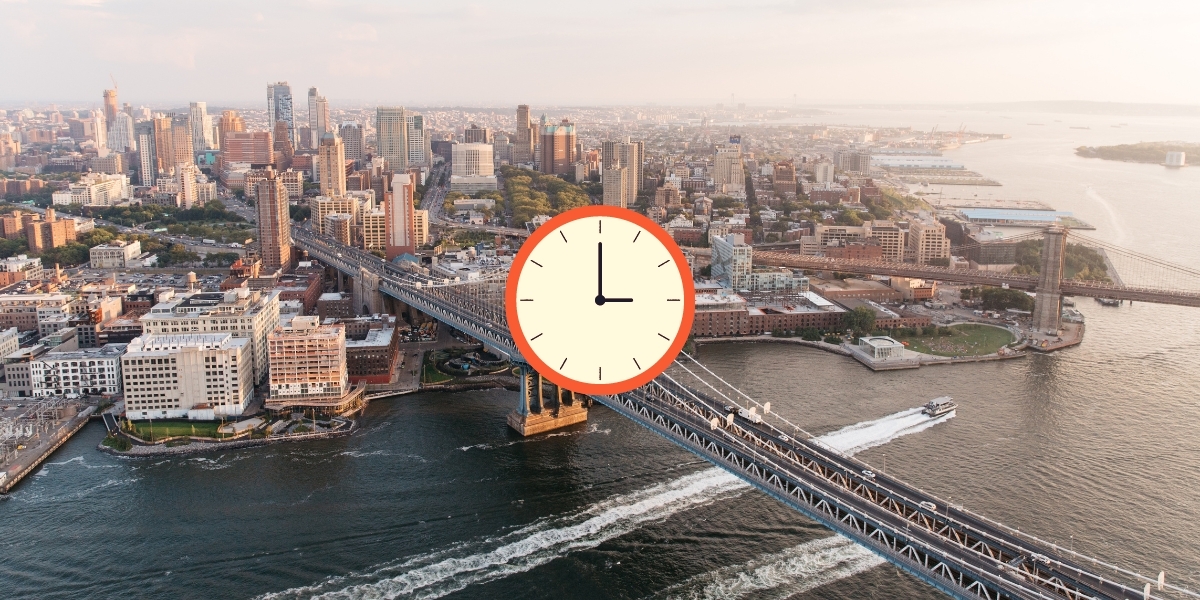
New York City is a treasure trove of experiences, but many of its most sought-after attractions operate within specific hours. Knowing the time allows for efficient itinerary planning, minimizing queues and maximizing enjoyment.
- Iconic Landmarks:
- The Statue of Liberty and Ellis Island ferry services typically begin around 9:00 AM, with the last departures in the late afternoon. Booking tickets well in advance, and arriving early, is crucial.
- The Empire State Building and Top of the Rock at Rockefeller Center offer stunning panoramic views and often open from 9:00 AM until late evening (often past midnight). Visiting right at opening or later in the evening can help avoid peak crowds.
- Museums like the Metropolitan Museum of Art (The Met) and the Museum of Modern Art (MoMA) generally operate from 10:00 AM or 11:00 AM to 5:00 PM or 7:00 PM, with some offering late-night hours on specific days. Check their official websites for the most current schedules.
- Broadway Shows: Evening performances typically start at 7:00 PM or 8:00 PM, with matinees on Wednesdays, Saturdays, and Sundays around 2:00 PM. Arriving at least 30 minutes before curtain time is advisable.
- Dining Experiences: New York City’s food scene is legendary. Breakfast can be enjoyed from early morning at diners and cafes. Lunch typically runs from 12:00 PM to 2:00 PM, while dinner service usually begins around 5:00 PM or 6:00 PM and extends late into the night. Many fine dining establishments require reservations weeks or even months in advance.
- Shopping: Stores along Fifth Avenue and in districts like SoHo typically open around 10:00 AM or 11:00 AM and close between 7:00 PM and 9:00 PM. Department stores like Macy’s Herald Square or Saks Fifth Avenue often have extended hours, especially during holiday seasons.
- Nightlife: New York City’s nightlife truly comes alive after dark. Bars typically serve until 4:00 AM, and jazz clubs in Greenwich Village or Harlem offer performances well into the early morning hours.
Bridging the Time Gap: Connecting with New York from Afar
For those not physically present in the Big Apple but needing to interact with it, understanding New York City’s time is paramount. This applies particularly to business operations and maintaining personal connections.
Business and Remote Work Considerations
In an increasingly globalized world, New York City remains a central hub for finance, media, and commerce. Business professionals frequently need to coordinate with counterparts in NYC.
- Scheduling International Meetings: When setting up virtual conferences or calls, always confirm the time in New York and ensure it aligns appropriately with participants in other time zones. For example, a 9:00 AM New York meeting would be 2:00 PM in London or 10:00 PM in Beijing, making careful planning essential for global teams.
- Market Hours: The New York Stock Exchange (NYSE) on Wall Street operates from 9:30 AM to 4:00 PM EST/EDT, crucial information for investors and financial professionals worldwide.
- Remote Teams: For companies with remote employees in different time zones, establishing clear communication protocols and preferred meeting windows that accommodate various schedules is vital. Many businesses headquartered in New York utilize flexible work arrangements to bridge these temporal divides.
Staying Connected with Friends and Family
Whether you have loved ones living in New York City or are calling home during your own trip there, respecting time differences prevents untimely disturbances and ensures meaningful conversations.
- Best Calling Times: If you’re abroad, calculate the optimal window to call New York when your friends or family are likely awake and available. For instance, an evening call from Europe might catch them in the early afternoon, while an afternoon call from Asia might be their late evening.
- World Clock Apps: Utilize smartphone applications that display multiple time zones at a glance. These tools are indispensable for planning communication, whether it’s a quick text or a video call.
- Planning Future Visits: For those dreaming of a future trip to New York City, understanding the time zone provides a practical foundation for initial planning, from looking up flight times to imagining daily itineraries. It helps visualize your future adventures and begin the exciting process of organizing your travels.
The Rhythm of New York City: A Timeless Experience
New York City is a living, breathing entity, and its unique rhythm is dictated by the clock. From the tranquil moments of dawn to the electric hum of midnight, experiencing NYC through its temporal phases reveals different facets of its vibrant personality.
From Dawn to Dusk: Experiencing NYC’s Unique Pulse
The city’s energy ebbs and flows throughout the day, offering distinct experiences depending on the hour.
- Morning (6:00 AM – 10:00 AM): Dawn in New York is a spectacle of its own. Joggers and cyclists awaken Central Park, while independent coffee shops in West Village and Brooklyn fill with locals. Commuters flood Grand Central Terminal and the subway system, setting a brisk pace for the day. This is an ideal time to visit popular photo spots like the Brooklyn Bridge for fewer crowds and beautiful light.
- Daytime (10:00 AM – 5:00 PM): The city reaches its full stride. Times Square pulsates with tourists, shoppers flock to Fifth Avenue’s luxury boutiques, and museums like the American Museum of Natural History or the Guggenheim Museum buzz with visitors. Chelsea Market and The High Line offer unique urban strolls and culinary delights.
- Evening (5:00 PM – 10:00 PM): As the workday winds down, the city transforms. Rooftop bars offer breathtaking sunset views, pre-Broadway dinner crowds fill Theater District restaurants, and the lights of Times Square become a dazzling display. This is prime time for performances at Carnegie Hall or sporting events at Madison Square Garden.
- Late Night (10:00 PM – 4:00 AM): New York’s famous nightlife takes over. Jazz clubs in West Village and cocktail lounges across Manhattan offer sophisticated entertainment, while iconic diners like Veselka in the East Village serve food well into the morning. The city’s energy never truly dissipates; it merely shifts.

Seasonal Time Considerations for Your Visit
The time of year you visit New York City also plays a significant role in your experience, influenced by daylight hours and seasonal events.
- Spring (March-May): As Daylight Saving Time begins, evenings grow longer, perfect for enjoying outdoor cafes and strolls through blooming parks. Temperatures are mild, making it ideal for sightseeing.
- Summer (June-August): Long, hot days with maximum daylight mean more time for outdoor activities, Yankee Stadium or Citi Field baseball games, and exploring the city’s many street festivals. Sunsets are late, allowing for prolonged evening enjoyment.
- Autumn (September-November): Shorter days as Daylight Saving Time ends, but the crisp air and vibrant fall foliage make this a popular time. It’s excellent for cultural events, Halloween festivities, and enjoying the city’s cozy autumnal atmosphere.
- Winter (December-February): The shortest days, but the city sparkles with holiday lights during Christmas and New Year’s Eve. While outdoor time is limited by cold weather, this is prime season for indoor attractions, Broadway shows, and cozy dining experiences.
Ultimately, understanding the time in New York City is about more than just knowing what to set your watch to; it’s about attuning yourself to the heartbeat of one of the world’s most captivating destinations. It empowers you to plan meticulously, navigate efficiently, and immerse yourself fully in the magic of a city that truly lives by its own vibrant clock. So, whether you’re setting your alarm for an early flight or checking the time to call a friend across the Atlantic Ocean, remember that every moment in New York City is an opportunity for an unforgettable experience.
LifeOutOfTheBox is a participant in the Amazon Services LLC Associates Program, an affiliate advertising program designed to provide a means for sites to earn advertising fees by advertising and linking to Amazon.com. Amazon, the Amazon logo, AmazonSupply, and the AmazonSupply logo are trademarks of Amazon.com, Inc. or its affiliates. As an Amazon Associate we earn affiliate commissions from qualifying purchases.