
Portland, Oregon, often affectionately known as the “City of Roses,” is a unique and vibrant hub nestled in the Pacific Northwest region of the United States. More than just a destination, Portland embodies a distinctive lifestyle, attracting visitors and residents alike with its eclectic charm, lush landscapes, and a fiercely independent spirit. For travelers planning a visit, understanding the city’s demographic makeup offers a deeper insight into its culture, infrastructure, and the experiences it offers. Whether you’re considering a short-term stay, scouting locations for a long-term relocation, or simply curious about the scale of this beloved Oregon metropolis, knowing its population provides a fundamental piece of the puzzle. This article delves into Portland’s population, explores its growth, demographic diversity, and how these factors contribute to its allure as a premier travel and lifestyle destination.

Understanding Portland’s Demographics
The population of a city is far more than just a number; it’s a reflection of its vitality, its economic health, and the tapestry of cultures that call it home. For Portland, its population trends tell a story of consistent growth, a magnet for those seeking a balance between urban amenities and natural beauty.
Current Population Snapshot
As of recent estimates, the population within the official city limits of Portland, Oregon hovers around 640,000 to 650,000 residents. This figure positions Portland as the most populous city in Oregon and a significant urban center in the Pacific Northwest. However, to truly grasp Portland’s scale, it’s crucial to consider the broader metropolitan area, often referred to as the Portland–Vancouver–Hillsboro, OR–WA Metropolitan Statistical Area. This expansive region, which includes parts of southwest Washington state, boasts a population of approximately 2.5 million people. This larger metropolitan footprint is a key indicator of the region’s economic influence, encompassing a vast network of communities, businesses, and interconnected lifestyles.
This substantial metropolitan population underpins Portland’s robust infrastructure, diverse job market, and a rich array of cultural and recreational offerings. For visitors, a larger population translates to a wider selection of hotels, restaurants, and attractions, ensuring there’s always something new to discover, whether in the bustling downtown core or the charming surrounding suburbs.
Historical Growth and Future Projections
Portland’s growth story is one of steady upward trajectory. From its humble beginnings as a port town on the Willamette River in the mid-19th century, the city has continuously expanded. Major periods of growth occurred during the early 20th century and again in recent decades, particularly fueled by an influx of individuals drawn to its progressive culture, burgeoning tech industry, and high quality of life. This sustained growth has had a profound impact on the urban landscape, from the development of new neighborhoods to the expansion of public transportation and the emergence of innovative accommodation solutions.
Looking ahead, population experts project continued, albeit potentially moderated, growth for Portland and its metropolitan area. Factors such as climate migration, economic opportunities, and the city’s appeal to younger demographics are expected to contribute to this trend. For the tourism sector, this signifies an ever-evolving city, constantly adapting and enriching its offerings to cater to both new residents and an increasing number of visitors. Planning and sustainable development are key considerations for city planners, aiming to maintain Portland’s unique character while accommodating its expanding populace.
Demographic Diversity and Cultural Richness
The population of Portland is increasingly diverse, contributing significantly to its vibrant cultural scene. While historically predominantly white, the city has seen a growing representation of various ethnic and racial groups. This diversity is reflected in the city’s culinary landscape, its arts and music scenes, and the community events that fill its annual calendar. From authentic international food carts to cultural festivals celebrating different heritages, Portland’s demographic mix enriches the experience for everyone.
The city’s inclusive ethos and progressive values also attract a diverse range of individuals, including a significant LGBTQ+ community and a strong advocate base for environmental and social causes. This cultural melting pot is one of Portland’s defining features, making it a welcoming and intriguing destination for travelers seeking authentic local experiences. Understanding this diversity helps visitors appreciate the unique blend of influences that shape Portland’s contemporary identity.
Portland as a Vibrant Travel Destination
The city’s population plays a crucial role in shaping its character as a travel destination. A larger, more diverse populace often means a wider array of services, a more developed tourism infrastructure, and a dynamic local culture that caters to varied tastes. Portland exemplifies this, offering a wealth of attractions, culinary delights, and outdoor adventures that are intrinsically linked to its community.
Iconic Landmarks and Attractions
Portland’s appeal extends far beyond its population figures, drawing millions of tourists annually to its distinctive landmarks and attractions. The density of residents and visitors supports a thriving ecosystem of cultural institutions and recreational spaces. The International Rose Test Garden in Washington Park is a prime example, a picturesque haven showcasing thousands of rose varieties against the backdrop of the city skyline and Mount Hood. Nearby, the tranquil Portland Japanese Garden offers a serene escape, considered one of the most authentic Japanese gardens outside of Japan.
For literature lovers, Powell’s City of Books, the world’s largest independent bookstore, is a must-visit, a sprawling labyrinth of new and used titles. Families often flock to the Oregon Zoo and the Oregon Museum of Science and Industry (OMSI), offering educational and engaging exhibits. Meanwhile, the historic Pittock Mansion provides stunning panoramic views of the city, mountains, and rivers. These attractions, supported by a large local and tourist base, are central to Portland’s identity as a cultural hotspot.
Culinary Scene and Local Culture
Portland’s thriving culinary scene is a direct reflection of its diverse population and its commitment to local, sustainable practices. From high-end fine dining establishments to innovative food trucks, the city is a paradise for gastronomes. The sheer number of residents supports an incredibly competitive and creative restaurant industry, making Portland a renowned foodie destination. Iconic local treats like the quirky creations at Voodoo Doughnut or the artisanal coffees found at countless independent cafes are deeply woven into the city’s fabric.
Beyond food, Portland’s local culture is defined by its strong arts community, craft breweries, and an emphasis on independent businesses. Neighborhoods like the Pearl District offer upscale galleries and boutiques, while the Alberta Arts District pulsates with street art and vibrant murals. This rich cultural landscape is continuously shaped and sustained by its residents, making every visit a unique immersion into the “Keep Portland Weird” ethos.
Outdoor Adventures and Green Spaces
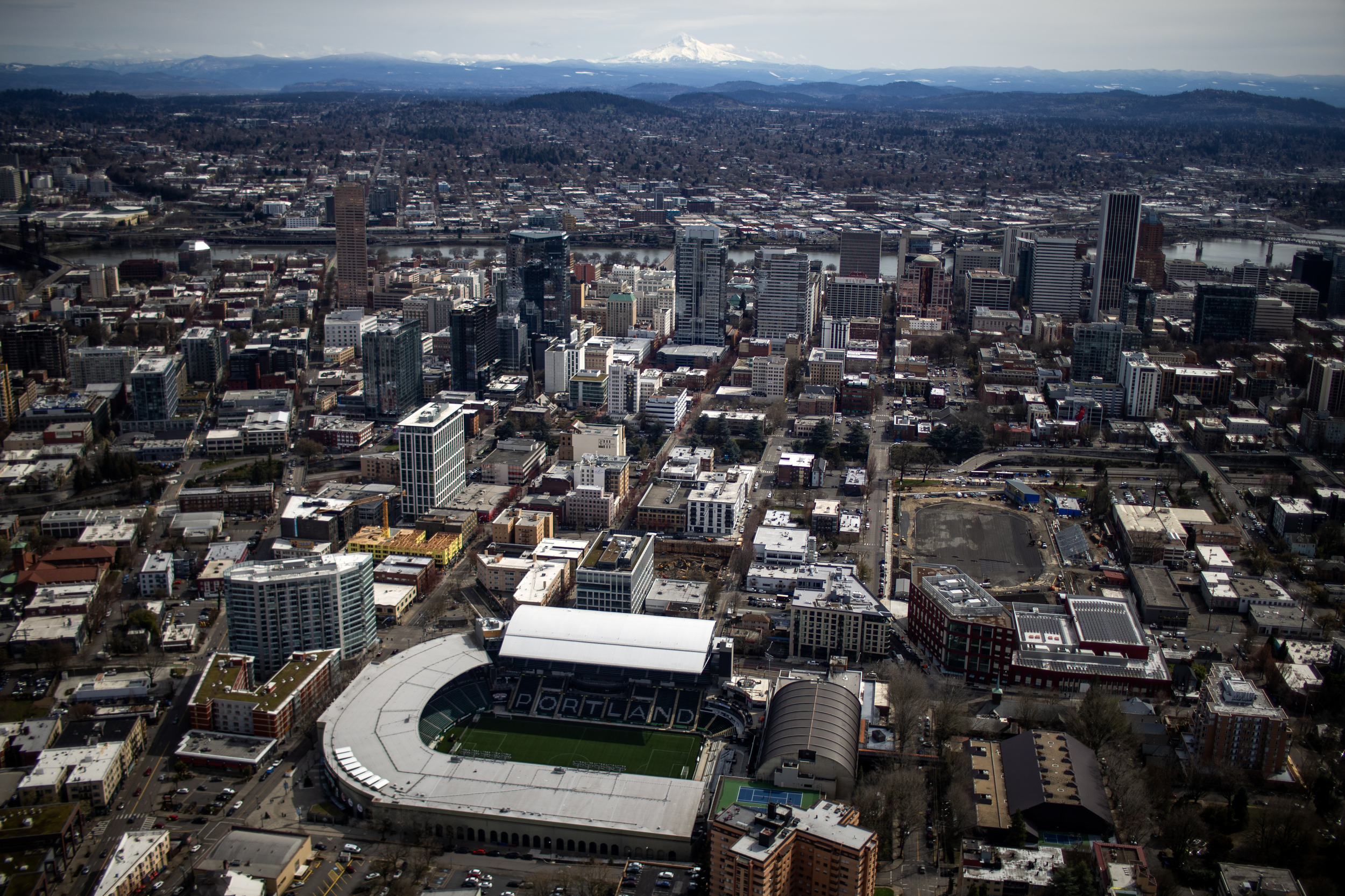
Despite being a significant urban center, Portland’s population benefits immensely from its proximity to unparalleled natural beauty. The city boasts an impressive network of parks and green spaces, including the sprawling Forest Park, one of the largest urban forests in the United States. The Waterfront Park along the Willamette River is another popular spot for recreation and community events.
Just a short drive away, residents and visitors can explore the majestic Columbia River Gorge with its stunning waterfalls like Multnomah Falls, or venture further to hike and ski on Mount Hood. The accessibility of these outdoor adventures is a major draw for the population, fostering a lifestyle that seamlessly blends urban living with a deep appreciation for nature. This balance makes Portland particularly attractive for those seeking an active and outdoors-oriented travel experience.
Navigating Accommodation and Lifestyle in Portland
The scale of Portland’s population directly influences the breadth and depth of its accommodation options and the diverse lifestyles available within its city limits and metropolitan area. From luxurious boutique hotels to budget-friendly apartments for longer stays, the city caters to every type of traveler.
Diverse Accommodation Options
With a population of over 600,000 within its city limits and a booming tourism industry, Portland offers an extensive range of accommodation choices to suit every preference and budget. For those seeking luxury travel experiences, upscale hotels like The Nines, a Luxury Collection Hotel, Portland in the historic Meier & Frank Building or the Sentinel Hotel provide sophisticated amenities and prime downtown locations. Boutique hotels like the Hotel Monaco Portland and the trendy Ace Hotel Portland offer unique designs and personalized service, often reflecting the city’s quirky charm.
For budget travelers, numerous chain hotels, hostels, and guesthouses provide comfortable and affordable stays. Additionally, the rise of short-term rentals and furnished apartments caters to visitors looking for a more local experience or those planning a long-term stay. Families traveling with children might opt for suites or resorts with extra space and amenities, while business stays often prioritize locations with easy access to the convention center or corporate offices. The sheer volume of residents and visitors ensures a robust market for diverse lodging, making booking and comparison sites invaluable tools for planning.
Lifestyle and Neighborhoods
Portland’s distinct neighborhoods each offer a unique slice of local life, reflecting the varied lifestyles of its population. The Pearl District, a former industrial area, has transformed into a chic urban hub with art galleries, upscale boutiques, and renowned restaurants, appealing to a cosmopolitan demographic. The Hawthorne District retains its bohemian vibe with vintage shops, independent theaters, and cozy cafes, attracting artists and free spirits. Nob Hill, also known as Northwest 23rd Avenue, is famous for its charming Victorian architecture, tree-lined streets, and high-end shopping and dining.
For those interested in local culture, exploring these neighborhoods offers insights into the city’s diverse communities. Whether you’re interested in luxury travel in the downtown core, a budget travel adventure exploring quirky shops, or a family trip to parks and museums, Portland’s neighborhoods provide distinct backdrops and experiences. The city’s walkable nature and excellent public transport (MAX light rail, Streetcar) make it easy to explore these varied districts, providing a holistic view of Portland’s vibrant lifestyle.
Planning Your Portland Trip
Considering Portland’s population and its impact on infrastructure and services is key to planning a seamless trip. Peak tourist seasons often coincide with warmer weather, leading to higher demand for accommodation and more crowded attractions. It’s advisable to book hotels or apartments well in advance, especially during summer or major events. Utilizing reviews and comparison websites can help secure the best deals and ensure your chosen accommodation aligns with your travel style and needs, whether it’s a suite in a downtown resort or a cozy villa in a quieter neighborhood.
Furthermore, engaging with local guides or seeking out local tips can enhance your experience, helping you navigate the city’s unique offerings, from hidden gems to the best spots for food and entertainment. The density of population in the metropolitan area means that traffic can be a factor, so planning transportation, whether by public transit, ride-sharing, or bike, is an important consideration for exploring all that Portland has to offer.
Economic Impact and Future Outlook
Portland’s population is not just a statistical count; it’s a living, breathing component of its economic engine. The presence of a substantial and growing populace fuels local industries, drives innovation, and shapes the city’s long-term sustainability goals.
Economic Drivers and Innovation
The large population base of Portland supports a diverse and robust economy. While historically known for its timber and shipping industries due to its location on the Willamette and Columbia Rivers, the city has successfully diversified into technology, manufacturing (especially sportswear and outdoor gear), healthcare, and a thriving creative sector. Companies like Intel have a significant presence in the metropolitan area, contributing to a strong job market that continues to draw new residents from across the United States and beyond.
The strong local economy, in turn, boosts the tourism and hospitality sectors. A city with a healthy economy can invest more in its infrastructure, maintain its landmarks, and support a wider array of cultural activities and attractions for both residents and visitors. This synergistic relationship between population, economy, and tourism is vital for Portland’s continued success as a desirable place to live, work, and visit.
Sustainable Growth and Community Focus
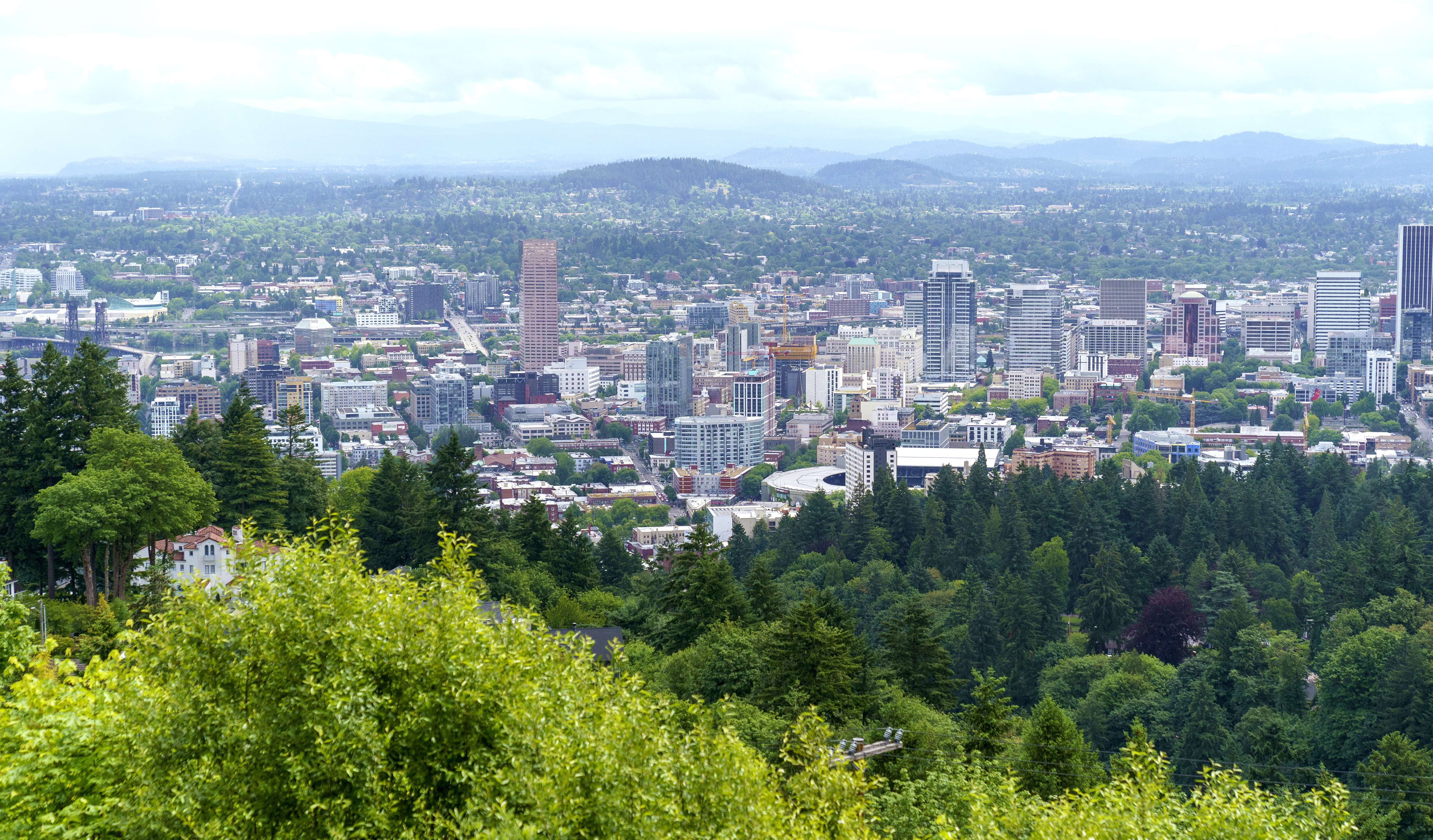
As Portland continues to grow, there’s a strong emphasis on sustainable development and community well-being. The city is renowned for its progressive urban planning, extensive public transportation system, and commitment to green initiatives. This focus on sustainability not only enhances the quality of life for its residents but also strengthens Portland’s appeal as an eco-conscious travel destination.
From bike-friendly infrastructure to urban farming initiatives, Portland’s approach to growth reflects its population’s values. This community-focused ethos, combined with careful planning, aims to ensure that while the city expands, it retains its unique character and charm. For visitors, this translates into a city that is not only beautiful and vibrant but also thoughtful about its future, offering a truly distinctive experience.
In conclusion, the population of Portland, Oregon is a dynamic figure that profoundly impacts every facet of the city, from its economic vitality and cultural diversity to its array of travel and accommodation options. Understanding this demographic landscape provides a richer context for appreciating this beloved Pacific Northwest gem and enhances the overall experience for anyone considering a visit to the “City of Roses.”
LifeOutOfTheBox is a participant in the Amazon Services LLC Associates Program, an affiliate advertising program designed to provide a means for sites to earn advertising fees by advertising and linking to Amazon.com. Amazon, the Amazon logo, AmazonSupply, and the AmazonSupply logo are trademarks of Amazon.com, Inc. or its affiliates. As an Amazon Associate we earn affiliate commissions from qualifying purchases.