
Chicago O’Hare Airport, officially known as O’Hare International Airport (ORD), is not just a major transportation hub; it’s a sprawling metropolis of travel, a dynamic ecosystem that functions as one of the world’s busiest and most significant aviation complexes. To ask “how big” is to inquire not only about its immense physical footprint but also about its colossal operational scale, its economic impact, and its profound influence on global travel and the Chicago region. From the number of runways crisscrossing its vast terrain to the millions of passengers it serves annually, O’Hare is a testament to modern engineering and logistical prowess, a cornerstone for international tourism, business, and daily life.
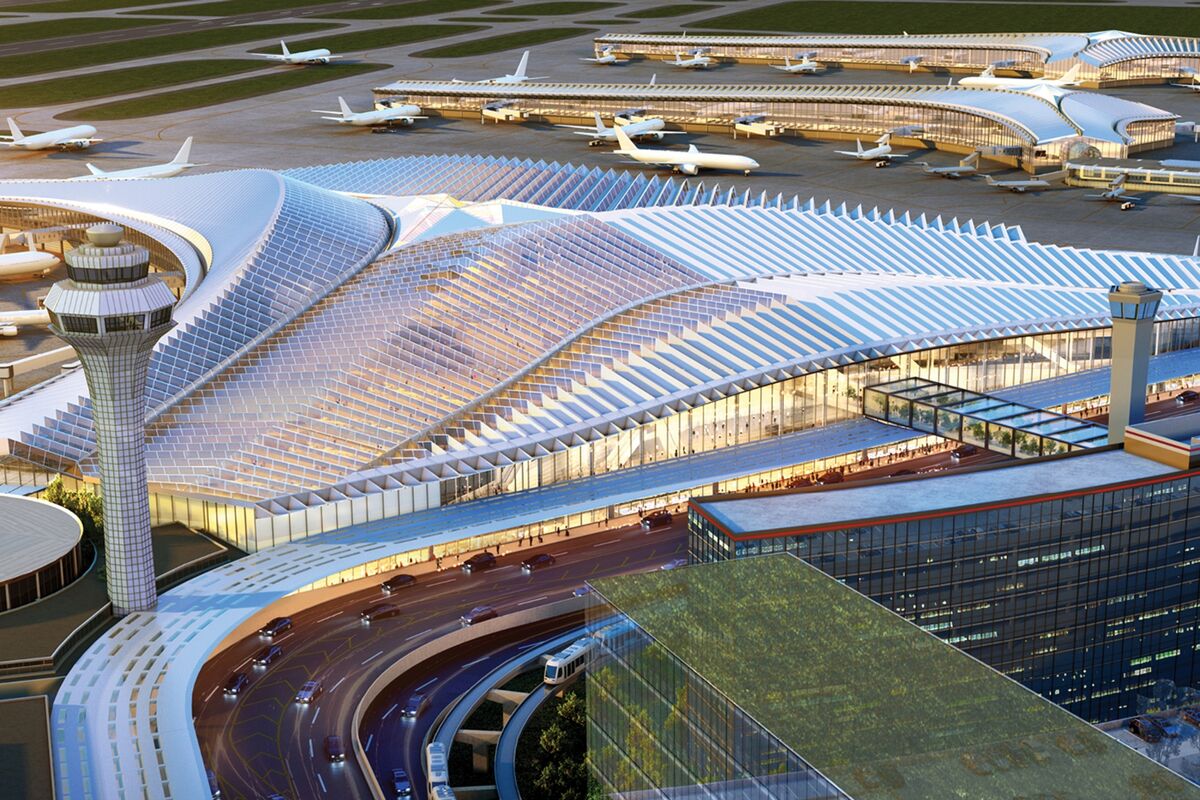
At its core, O’Hare’s size is measured in multiple dimensions. Physically, it occupies an enormous tract of land, boasting an intricate network of runways, taxiways, and terminals. Operationally, it handles an astounding volume of flights and passengers, acting as a crucial connecting point for journeys across the United States and around the globe. Beyond the concrete and steel, O’Hare represents a gateway to experiences, a launchpad for adventures, and a critical component of the lifestyle of countless travelers, from the luxury seeker to the budget-conscious explorer. It embodies the very essence of travel, accommodation, and the exploration of new destinations, making it a focal point for understanding the sheer scale of contemporary aviation.
The Colossal Footprint: Unpacking O’Hare’s Physical Dimensions
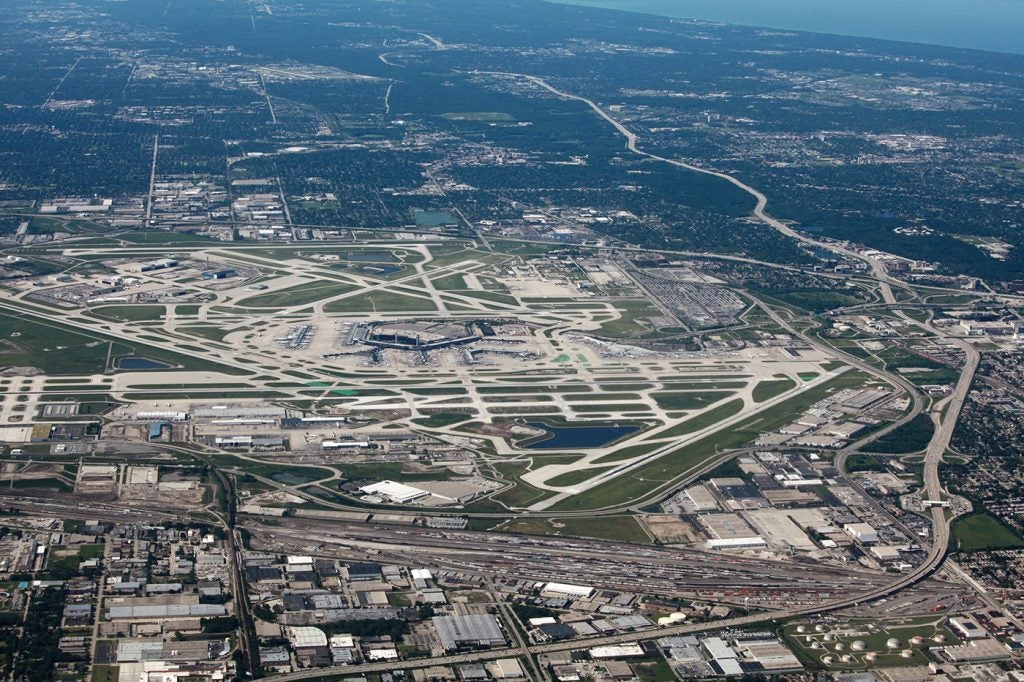
The sheer geographical scale of Chicago O’Hare Airport is staggering. It is one of the largest airports in the world by land area, a fact that is often overlooked amidst its operational complexities. Covering approximately 7,627 acres (over 12 square miles or 30.8 square kilometers) of land, O’Hare’s footprint is larger than many small cities. This expansive territory is meticulously utilized to accommodate its extensive infrastructure, which includes a complex system of runways, a sprawling network of taxiways, numerous cargo facilities, maintenance hangars, and the multiple terminal buildings that serve its vast passenger base. The sheer expanse is necessary to manage the intense air traffic and ground operations that make O’Hare a global aviation leader.
Land Area and Infrastructure
The vast land area of O’Hare is predominantly dedicated to its airside operations, most notably its impressive array of runways. Currently, the airport features eight active runways, including parallel runways that allow for simultaneous takeoffs and landings, a critical feature for an airport managing such high volumes of air traffic. This intricate runway system is one of the most sophisticated in the world, designed to maximize efficiency and safety, even under challenging weather conditions. The longest runway stretches over 13,000 feet (nearly 4,000 meters), capable of accommodating the largest commercial aircraft in service. The design and ongoing development of O’Hare’s airfield aim to continuously improve capacity and reduce delays, a persistent challenge for any major hub.
Beyond the runways, the land is crisscrossed by hundreds of miles of taxiways, guide paths for aircraft moving between the gates, runways, and maintenance areas. This intricate network is constantly monitored by sophisticated air traffic control systems, ensuring the smooth flow of aircraft on the ground. The airport also houses a multitude of support facilities, including aircraft maintenance bases for major carriers like United Airlines and American Airlines, extensive cargo facilities that process millions of tons of freight annually, and dedicated areas for ground support equipment, fuel storage, and emergency services. The strategic layout of these elements is crucial for O’Hare’s seamless operation, making it a powerful testament to advanced urban planning and logistical design within the aviation sector.
Terminals and Gates
Complementing its vast airfield, O’Hare’s land area also accommodates its four main passenger terminals: Terminal 1, Terminal 2, Terminal 3, and Terminal 5. These terminals, in turn, house nine concourses and a staggering 191 gates. Terminal 5, often referred to as the International Terminal, is specifically designed to handle the influx of global travelers, featuring customs and immigration facilities. Each terminal is a self-contained world, offering a comprehensive array of services, from check-in counters and security checkpoints to an extensive selection of dining and retail options.
The internal design of O’Hare’s terminals prioritizes passenger flow, though navigating its sheer size can still be an experience. The terminals are connected by the Airport Transit System (ATS), a 2.7-mile automated people mover that transports passengers between terminals, parking lots, and the Metra station. A notable architectural feature that eases inter-terminal transfers between Terminals 1, 2, and 3 is the vibrant Underground Walkway, famous for its neon light display and ambient sounds, providing a unique aesthetic experience for travelers moving between concourses. This complex infrastructure, designed for high-capacity throughput, showcases O’Hare not just as an airport but as a dynamic landmark in itself, a testament to the capabilities of modern architecture and engineering.
A Hub of Activity: Passenger Traffic and Operations
Beyond its physical dimensions, the true measure of Chicago O’Hare Airport’s size lies in the colossal volume of activity it orchestrates daily. It is not just big in area; it is enormous in terms of its operational capacity, handling millions of passengers and hundreds of thousands of flights each year. This makes O’Hare a pulsating heart of global aviation, consistently ranking among the busiest airports worldwide for both passenger traffic and aircraft movements. Its strategic location in the central United States positions it as a critical nexus for both domestic and international travel, connecting continents and cultures.
Millions of Journeys
The numbers associated with O’Hare’s passenger traffic are truly immense. In pre-pandemic years, the airport consistently served over 80 million passengers annually, placing it among the top airports globally. While numbers fluctuated during and after the pandemic, O’Hare’s recovery has been robust, reaffirming its status as an essential travel artery. This passenger volume is managed through an intricate system of ground services, security protocols, and passenger flow management, designed to process travelers from check-in to takeoff and arrival to exit as efficiently as possible.
O’Hare’s significance is further magnified by its role as a major hub for several key airlines. United Airlines and American Airlines both maintain substantial hub operations here, utilizing O’Hare as a primary base for connecting flights across their extensive domestic and international networks. This means a significant portion of O’Hare’s passengers are not just originating or ending their journey in Chicago, but are in transit, connecting from one flight to another. This reality underscores the airport’s critical function as a global transfer point, facilitating journeys between diverse destinations and supporting seamless travel experiences for millions. The constant ballet of arrivals and departures, spanning over 200 destinations across North America, South America, Europe, Asia, and Africa, paints a vivid picture of O’Hare’s extraordinary operational scale.
Cargo and Economic Engine
While passenger traffic often grabs the headlines, Chicago O’Hare Airport’s size and operational capacity extend significantly into cargo operations. The airport is a major international freight hub, processing millions of tons of cargo annually. Its strategic central location and extensive air network make it an ideal gateway for goods moving between continents, supporting global supply chains and facilitating international trade. Everything from high-value electronics and pharmaceuticals to fresh produce and e-commerce packages passes through O’Hare’s dedicated cargo facilities, highlighting its multifaceted role in the global economy.
The economic impact of O’Hare on the Illinois region is equally immense. As one of the largest employers in Illinois, it directly and indirectly supports hundreds of thousands of jobs, ranging from airline personnel and air traffic controllers to concession workers and transportation providers. The airport also generates billions of dollars in economic activity each year, fueling local businesses, attracting investment, and serving as a critical infrastructure asset that underpins the region’s prosperity. For both tourism and business travel, O’Hare is the primary gateway, funneling visitors and investors into Chicago and the surrounding areas. Its continuous expansion and modernization projects not only enhance its operational capabilities but also solidify its role as a long-term engine for economic growth and development, demonstrating that O’Hare’s size is not merely physical, but also profoundly economic and societal.
Enhancing the Travel Experience: Amenities and Services
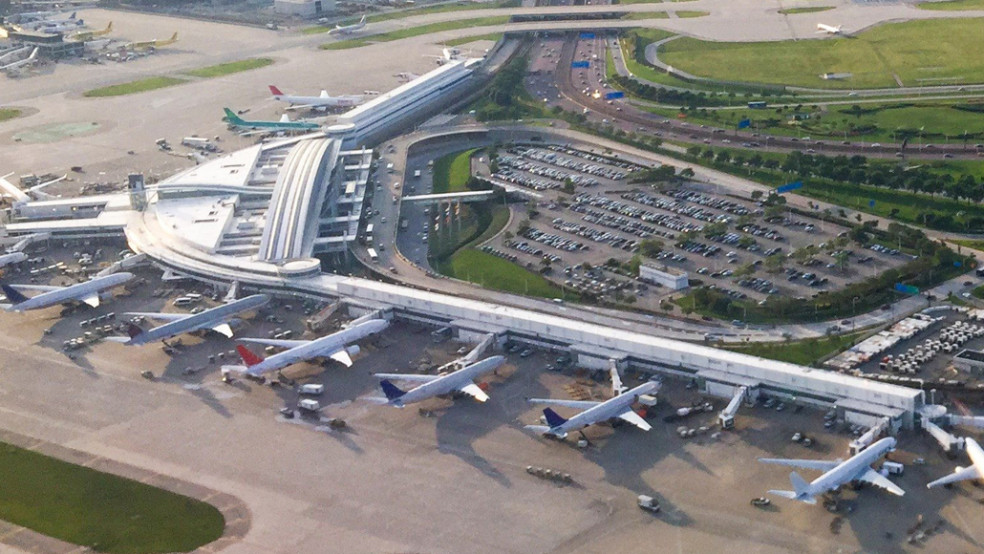
Given its immense size and operational volume, Chicago O’Hare Airport has evolved into much more than just a place for departures and arrivals. It is a comprehensive travel ecosystem designed to cater to the diverse needs and lifestyles of its millions of passengers. From extensive dining and shopping options to comfortable lounges and convenient accommodation, O’Hare strives to transform the potentially stressful aspects of travel into a more pleasant and manageable experience. For many, especially those on long layovers or with early morning flights, the amenities and services available within and around O’Hare are crucial elements in their overall journey.
Dining and Shopping
As one of the world’s busiest airports, O’Hare offers an extraordinary array of dining and shopping opportunities spread across its four terminals. Travelers can find everything from quick-service fast food to gourmet sit-down restaurants, catering to every palate and budget. Iconic Chicago eateries have established outposts, allowing visitors to get a taste of local culture even during a brief layover. Options range from classic deep-dish pizza joints to upscale steakhouses, diverse international cuisines, and healthy grab-and-go options. The sheer variety ensures that whether you’re looking for a quick coffee, a family meal, or a celebratory dinner, O’Hare has something to offer.
Similarly, the retail landscape at O’Hare is vast and varied. Duty-free shops in Terminal 5 cater to international travelers, while stores offering everything from fashion and accessories to books, electronics, and souvenirs are found throughout all terminals. These shopping experiences not only provide convenience for last-minute purchases but also allow travelers to indulge in some retail therapy or find unique gifts, embodying the lifestyle aspect of modern air travel. The availability of diverse services, including spas, pharmacies, and even art installations, further enhances the passenger experience, making O’Hare a destination in itself for many.
Lounges and Comfort
For those seeking a higher level of comfort and exclusivity, O’Hare’s extensive network of airline lounges provides a serene escape from the hustle and bustle of the main concourses. United Airlines, as a major hub carrier, operates several United Clubs and the prestigious United Polaris Lounge in Terminal 1, offering premium amenities like chef-inspired dining, private daybeds, and shower facilities for long-haul international business and first-class travelers. American Airlines also boasts multiple Admirals Clubs and an American Airlines Flagship Lounge in Terminal 3, providing similar elevated experiences.
Beyond airline-specific lounges, O’Hare hosts several independent lounges and day-pass options, ensuring that a wider range of travelers can access comfortable seating, complimentary refreshments, Wi-Fi, and a quiet environment for work or relaxation. These facilities are particularly valuable for business travelers, who often rely on reliable connectivity and a productive space during transit, and for luxury travelers who prioritize comfort and personalized service. The availability of these premium spaces underscores O’Hare’s commitment to catering to diverse travel styles and enhancing the overall journey.
Connectivity and Accommodation
Given its vast size and critical role as a global hub, seamless connectivity to and from Chicago O’Hare Airport is paramount. The airport is exceptionally well-integrated into Chicago’s public transportation network. The CTA Blue Line provides 24/7 direct rail service from all terminals (via the ATS) to downtown Chicago, offering an affordable and efficient way to reach the city’s hotels, landmarks, and attractions. Additionally, extensive bus services, regional rail links via Metra, and a multitude of taxi, ride-share, and shuttle services ensure travelers have ample options for ground transportation.
For travelers needing accommodation, especially for early morning flights, late arrivals, or long layovers, O’Hare offers direct on-site hotel options. The Hilton Chicago O’Hare Airport is famously located directly within the airport grounds, accessible via underground walkways from the terminals, providing unparalleled convenience. Beyond the immediate airport property, the surrounding areas of Rosemont, Des Plaines, and Elk Grove Village host a wide array of hotels, from budget-friendly options to upscale resorts like the Hyatt Regency O’Hare Chicago. These hotels often provide complimentary shuttle services to and from the airport, catering to travelers seeking comfort and convenience without venturing far. The abundance of accommodation choices, along with detailed booking, review, and comparison resources available online, ensures that every traveler can find the perfect place to stay, whether for a quick overnight or a longer stopover.
O’Hare’s Role in Tourism and Lifestyle
Chicago O’Hare Airport’s immense size and operational capacity extend far beyond mere logistics; they position it as a foundational element for tourism and a significant influencer on diverse travel lifestyles. As the primary gateway to Chicago, one of the United States’ most vibrant cities, O’Hare plays a crucial role in shaping the first impressions and overall experience for millions of visitors. It’s where journeys begin and end, connecting travelers to the rich local culture, iconic landmarks, and myriad activities that define a trip to the Windy City.
Gateway to Chicago
For international and domestic tourists alike, O’Hare is the initial point of contact with Chicago. It serves as the grand entrance to a city renowned for its stunning architecture, world-class museums, vibrant arts scene, and innovative culinary landscape. The airport’s efficient connectivity to downtown Chicago via the CTA Blue Line means that visitors can quickly transition from air travel to exploring urban wonders. Within minutes of leaving the airport, travelers can find themselves on the Magnificent Mile, gazing up at the Willis Tower, or strolling through Millennium Park to see “The Bean” and visit the Art Institute of Chicago.
The constant flow of passengers through O’Hare directly fuels the local tourism economy, supporting hotels, restaurants, tour operators, and cultural institutions across the city. Many travelers arriving at O’Hare are drawn by Chicago’s reputation as a top destination for foodies, architecture enthusiasts, and those seeking rich cultural experiences. The ease of access provided by such a massive and well-connected airport is indispensable for maintaining Chicago’s status as a premier tourist destination. Moreover, O’Hare’s role extends to facilitating regional tourism, as it connects travelers to other destinations across Illinois and the wider Midwest.
Catering to Diverse Lifestyles
The vastness of Chicago O’Hare Airport is also reflected in its ability to cater to a spectrum of travel lifestyles, from the most luxurious trips to budget-conscious family vacations and essential business stays. For luxury travelers, the presence of premium airline lounges like the United Polaris Lounge and high-end dining options elevates the airport experience, transforming transit time into an extension of their upscale journey. Services like dedicated check-in lines, concierge assistance, and expedited security further enhance the seamless travel desired by this segment.
Budget travelers benefit from O’Hare’s excellent public transportation links, reducing the need for expensive taxis or ride-shares. The airport also offers a wide array of affordable dining options and, in the surrounding areas, a selection of budget-friendly accommodation, ensuring that cost-effective travel remains accessible. For family trips, O’Hare incorporates amenities such as family restrooms, nursing suites, and play areas designed to make travel with children more manageable. The layout, while large, provides clear signage and numerous assistance points to help families navigate.
Finally, for business stays, O’Hare’s connectivity and infrastructure are invaluable. Its status as a major hub ensures frequent flights to key business destinations, while robust Wi-Fi, numerous charging stations, and dedicated meeting spaces facilitate productivity on the go. The proximity of convention centers like the Donald E. Stephens Convention Center in Rosemont, just minutes from the airport, makes O’Hare an ideal base for conferences and corporate events. The presence of on-site and nearby hotels like the Hilton Chicago O’Hare Airport also caters directly to the needs of business travelers requiring convenient, high-quality accommodation. O’Hare’s ability to serve these diverse lifestyle needs underscores its comprehensive design and enduring commitment to enhancing the travel experience for everyone.
In conclusion, “How big is Chicago O’Hare Airport?” is a question that requires a multi-layered answer. It is immense in its physical acreage, sprawling over thousands of acres with an intricate network of runways and terminals. It is colossal in its operational scale, handling tens of millions of passengers and hundreds of thousands of flights annually, connecting Chicago to the rest of the world. More than that, O’Hare’s size extends to its profound economic impact on the Illinois region and its indispensable role in facilitating global travel, tourism, and various lifestyles. It stands not just as an airport, but as a monumental landmark of modern infrastructure, a vibrant hub of activity, and an essential gateway to countless journeys and experiences.
LifeOutOfTheBox is a participant in the Amazon Services LLC Associates Program, an affiliate advertising program designed to provide a means for sites to earn advertising fees by advertising and linking to Amazon.com. Amazon, the Amazon logo, AmazonSupply, and the AmazonSupply logo are trademarks of Amazon.com, Inc. or its affiliates. As an Amazon Associate we earn affiliate commissions from qualifying purchases.