
Orlando, Florida, often referred to as the “Theme Park Capital of the World,” beckons millions of visitors annually with its thrilling attractions, world-class entertainment, and a vibrant atmosphere. While many travelers focus on the magic of Walt Disney World Resort or the adventures at Universal Orlando Resort, understanding the local climate is paramount to planning an unforgettable trip. The temperature in Orlando plays a significant role in every aspect of a visit, from what to pack and which attractions to prioritize, to the overall comfort of your stay. Knowing what to expect from the Central Florida weather can transform a good vacation into an exceptional one, ensuring you’re prepared for everything from sunshine-filled days to the occasional afternoon downpour.
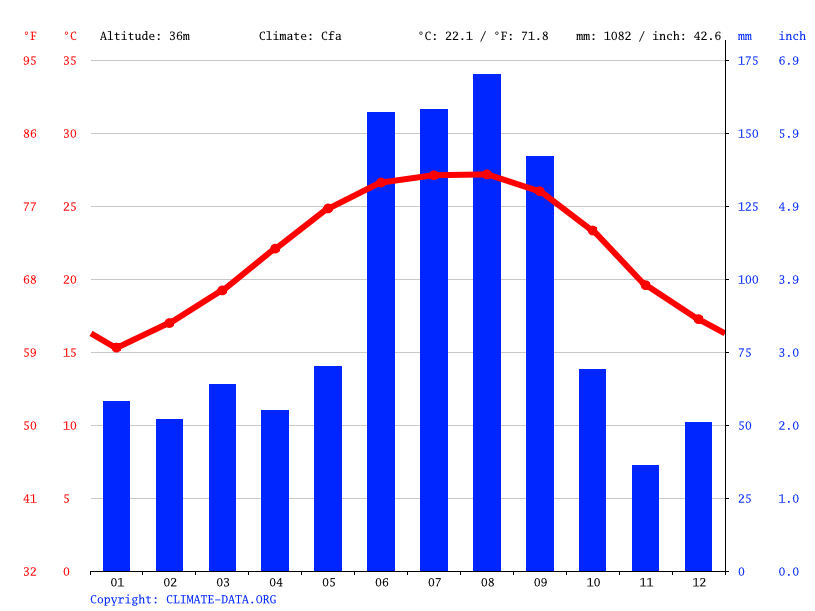
The city’s subtropical climate means that while snow is virtually unheard of, visitors can experience a wide range of temperatures and weather patterns throughout the year. The humidity levels are also a key factor, influencing how the temperature feels and how you plan your daily activities. This comprehensive guide will delve into Orlando’s climate year-round, offering insights into seasonal variations, practical packing advice, and tips for making the most of your travel, accommodation, and tourism experiences, regardless of what the thermometer says. Whether you’re chasing winter sun, enjoying spring breaks, braving summer heat, or embracing autumn’s milder days, preparing for Orlando’s dynamic weather is the first step toward a perfect Florida adventure.
Understanding Orlando’s Subtropical Climate
Orlando’s climate is officially classified as humid subtropical, characterized by hot, humid summers and mild, dry winters. This designation means that while the city experiences distinct seasons, none are extreme in the way temperate or polar climates might be. The city benefits from ample sunshine throughout the year, earning Florida its nickname, the “Sunshine State.” However, this doesn’t mean perpetual clear skies; afternoon thunderstorms are a common feature, particularly during the warmer months, offering a dramatic, albeit usually brief, respite from the heat.
The Atlantic Ocean and the Gulf of Mexico, both relatively close to Orlando, significantly influence its weather patterns. These large bodies of water contribute to the high humidity levels often experienced, especially from late spring through early autumn. This humidity can make even moderate temperatures feel warmer, a phenomenon known as the “heat index.” Consequently, understanding both the actual temperature and the perceived temperature is crucial for visitors. The city’s relatively flat landscape also contributes to consistent weather patterns across the region, from the bustling heart of downtown Orlando to the sprawling resorts in Kissimmee.
Year-Round Sunshine and Humidity
One of Orlando’s greatest assets is its abundant sunshine. The city averages over 230 sunny days per year, making it an ideal destination for outdoor activities and theme park adventures. Even during the cooler winter months, bright, clear skies are common, inviting visitors to explore everything from Magic Kingdom to Lake Eola Park. However, the sunshine often comes hand-in-hand with humidity.
Humidity levels typically range from 60% to 90% throughout the year, peaking in the summer. While this might sound uncomfortable, many hotels and indoor attractions are expertly climate-controlled, providing a welcome escape. For those spending extended time outdoors, especially at major attractions like Epcot or Universal Studios Florida, staying hydrated and seeking shade become essential strategies. The combination of sunshine and humidity makes sun protection vital, regardless of the season. Sunscreen, hats, and sunglasses are not just recommendations; they are necessities for a comfortable and safe visit to Orlando’s outdoor-centric landmarks and attractions.
A Seasonal Guide to Orlando’s Weather
Understanding the nuances of each season in Orlando is key to planning your perfect trip. Each period offers a distinct experience, influencing crowd levels, activity choices, and even accommodation pricing.
Winter Wonders (December – February)
Orlando winters are famously mild and often considered the most pleasant time to visit, especially for those escaping colder climates. Average daytime temperatures typically hover between 60°F and 75°F (15°C – 24°C), with evenings cooling down to the 40s or 50s°F (4°C – 15°C). While cold snaps can occasionally bring temperatures into the 30s°F (below 4°C), these are usually short-lived. Humidity is at its lowest during winter, leading to comfortable, crisp air. Rainfall is also minimal, making it ideal for exploring outdoor attractions without frequent interruptions.
This season is perfect for enjoying extended days at Hollywood Studios or Universal’s Islands of Adventure, as the lower temperatures make walking long distances much more manageable. It’s also a fantastic time to explore Disney Springs or Universal CityWalk in the evenings without feeling overheated. Accommodation prices can be higher around holidays like Christmas and New Year’s but are generally more moderate outside these peak weeks. Packing layers is essential, as mornings can be cool, while afternoons warm up considerably.
Spring Blooms and Balmy Breezes (March – May)
Spring in Orlando brings a gradual warm-up, with temperatures steadily rising from the mid-70s°F (24°C) in March to the high 80s°F (30°C) by May. Humidity begins to climb, but it’s generally still quite pleasant compared to the intense summer months. Rainfall remains relatively low, though the occasional thunderstorm might begin to appear later in the season. The parks are often adorned with beautiful flowers, making for picturesque backdrops.
This is a popular time for family trips and spring break travelers, so expect higher crowd levels, particularly in April. The weather is excellent for visiting animal-centric parks like Animal Kingdom or SeaWorld Orlando, and water parks like Blizzard Beach or Typhoon Lagoon start to become very inviting. Lightweight clothing, swimsuits, and reliable sun protection are crucial. Booking accommodation and park tickets well in advance is highly recommended due to increased demand. Resorts like Gaylord Palms Resort & Convention Center or Loews Portofino Bay Hotel often see full occupancy.
Sizzling Summer Adventures (June – August)

Summer in Orlando is defined by heat, humidity, and frequent afternoon thunderstorms. Daily high temperatures consistently reach the low to mid-90s°F (32°C – 35°C), with the heat index often making it feel even hotter. Humidity is at its peak, contributing to a tropical feel. Rain is a daily occurrence, typically arriving as a sudden, heavy downpour in the afternoon, lasting for an hour or so before clearing up, often leading to beautiful sunsets. This is also hurricane season in Florida, though direct hits on Orlando are less common than coastal areas.
Despite the intense weather, summer remains a very popular time for families due to school holidays. Water parks like Volcano Bay and Aquatica Orlando become essential cooling-off spots. Indoor attractions, air-conditioned shows, and resorts with excellent pool complexes are highly valued. Planning park visits for early mornings and late evenings, with a break during the hottest part of the day, is a smart strategy. Hydration, lightweight and moisture-wicking clothing, rain gear, and plenty of sun protection are absolute musts. Resorts like Four Seasons Resort Orlando at Walt Disney World Resort offer luxurious ways to combat the heat with their amenities.
Autumn’s Gentle Embrace (September – November)
As summer transitions into autumn, Orlando’s weather gradually becomes more comfortable. September and early October can still be quite warm and humid, often feeling like an extension of summer, with temperatures in the high 80s°F (30°C). As November approaches, temperatures moderate significantly, dropping into the 70s°F (21°C – 26°C), and humidity levels decrease. The frequency of afternoon thunderstorms also diminishes, leading to more consistent sunny days. Hurricane season technically extends through November, but the risk lessens towards the end of the season.
This period is often considered one of the best times to visit, offering pleasant weather and fewer crowds than peak summer or holiday periods. Special events like Halloween Horror Nights at Universal Studios Florida and the Epcot International Food & Wine Festival draw visitors. The milder temperatures are perfect for exploring outdoor attractions such as Gatorland or Harry P. Leu Gardens. Layering clothing becomes more advisable, especially towards late autumn. Visitors can enjoy attractions like LEGOLAND Florida Resort or even take a day trip to Busch Gardens Tampa Bay with greater comfort.
Planning Your Orlando Getaway: Weather-Wise Tips
Effective planning based on Orlando’s temperature is crucial for a smooth and enjoyable trip. Beyond just packing, understanding how to navigate the parks and choose activities will greatly enhance your experience.
Packing Essentials for Every Season
Your packing list will vary depending on when you visit, but some items are universally essential for Orlando’s climate:
- Sun Protection: Sunscreen (high SPF), wide-brimmed hats, and sunglasses are non-negotiable year-round. The Florida sun is strong, even on cloudy days.
- Hydration: Reusable water bottles are highly recommended. Many parks offer free water refills, a lifesaver in the heat.
- Comfortable Footwear: You’ll do a lot of walking, so comfortable, broken-in shoes are paramount. Consider breathable sneakers or sandals in warmer months.
- Lightweight, Breathable Clothing: Cotton and moisture-wicking fabrics are ideal, especially from spring through autumn.
- Swimwear: Even in winter, many resorts have heated pools, making swimsuits a good idea any time of year. For Discovery Cove, it’s a must!
- Rain Gear (Summer): A lightweight poncho or compact umbrella is essential for summer afternoons. They’re much more convenient than carrying a bulky raincoat.
- Layers (Winter): For winter visits, pack sweaters, light jackets, or cardigans for cooler mornings and evenings.
- Power Bank: Your phone will be working overtime with park apps and photos; heat can drain batteries faster.
Navigating Outdoor Activities and Theme Parks
Orlando’s iconic attractions are largely outdoors, making weather a primary consideration.
- Early Starts: Arriving at the parks right at opening (rope drop) is a fantastic strategy in warmer months. You can enjoy lower temperatures and lighter crowds.
- Mid-day Breaks: During summer, consider returning to your hotel for a swim, a nap, or to enjoy indoor amenities during the hottest part of the afternoon. You can return to the parks in the late afternoon/evening when temperatures start to drop.
- Water Attractions: Plan visits to water rides at theme parks or dedicated water parks during hot periods. They offer a refreshing way to beat the heat.
- Indoor Shows and Attractions: Utilize indoor rides, shows, and air-conditioned shops as opportunities to cool down and escape the sun. The Kennedy Space Center Visitor Complex, while a drive, offers many indoor components for a hot day.
- Rain Plan: Don’t let summer showers deter you. They usually pass quickly. Many guests leave during rain, creating opportunities for shorter lines once it clears. Have a poncho ready and duck into an indoor attraction or shop.
- Monitor Forecasts: Check the local weather forecast daily. It will help you decide if you need a poncho, an extra layer, or to adjust your plans.
Accommodation and Comfort in Orlando’s Climate
Choosing the right accommodation in Orlando goes beyond proximity to parks; it involves considering how the property helps you stay comfortable in the local climate. From luxury resorts to budget-friendly apartments, the amenities offered can significantly impact your experience.
Choosing the Right Stay for the Weather
- Air Conditioning is Standard: Virtually all hotels, resorts, and vacation rentals in Orlando will have robust air conditioning systems, which is a major comfort factor, especially from spring through autumn. Always confirm this when booking, though it’s rarely an issue.
- Pools and Water Features: For warmer visits, a hotel with an excellent pool area is invaluable. Many resorts, like Disney’s Contemporary Resort or the Waldorf Astoria Orlando, boast elaborate pools, lazy rivers, and splash pads, offering hours of relaxation and a cool escape from the heat. Even in winter, many pools are heated, allowing for year-round swimming.
- Indoor Amenities: On particularly hot or rainy days, having access to indoor entertainment, dining, or shopping options within your accommodation can be a huge plus. This is where larger resorts with multiple restaurants, spas, and activity centers shine.
- Shuttle Services: Consider hotels that offer shuttle services to the parks. This can save you from long walks to parking lots in intense heat or unexpected rain.
- Room Configuration: For families traveling during hot seasons, suites or villas with separate living areas can provide more space to spread out and cool down, offering a break from constantly being in the sun or crowded park environments.
- Proximity to Indoor Entertainment: If visiting during the summer, choosing accommodation near International Drive gives you easy access to indoor attractions like museums, arcades, and the air-conditioned shops and restaurants of Pointe Orlando or Millenia Mall.
Making the Most of Orlando, Whatever the Thermometer Says
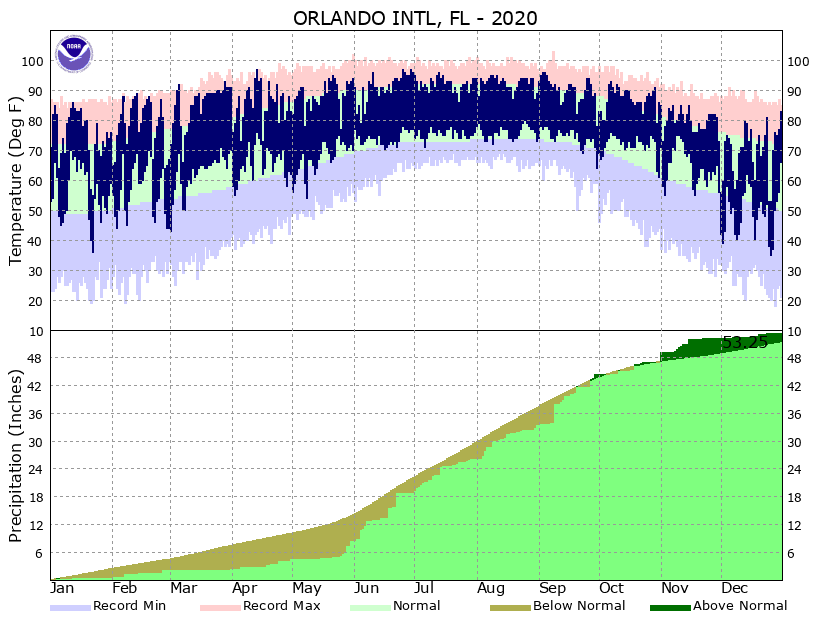
Orlando is a city designed for tourism and enjoyment, and its infrastructure is well-equipped to handle its varied climate. By understanding the temperature trends and humidity levels, and by packing appropriately and planning strategically, you can ensure a comfortable and memorable trip any time of year. Whether you’re splashing in a water park, braving thrilling roller coasters, or enjoying a leisurely stroll through Wekiwa Springs State Park, being prepared for the Florida weather is your best defense against discomfort.
The key to a successful Orlando adventure is flexibility and proactive preparation. Embrace the afternoon rain showers as a chance to cool off, leverage cooler mornings for popular rides, and always prioritize hydration and sun protection. With its captivating blend of fantasy, adventure, and relaxation, Orlando truly offers something for everyone, regardless of the temperature. By staying informed and making smart choices, your visit to this magical destination will be nothing short of extraordinary. Enjoy the sunshine, embrace the warmth, and discover why Orlando remains a premier travel destination, no matter the season.
LifeOutOfTheBox is a participant in the Amazon Services LLC Associates Program, an affiliate advertising program designed to provide a means for sites to earn advertising fees by advertising and linking to Amazon.com. Amazon, the Amazon logo, AmazonSupply, and the AmazonSupply logo are trademarks of Amazon.com, Inc. or its affiliates. As an Amazon Associate we earn affiliate commissions from qualifying purchases.