
Embarking on a journey through the captivating landscapes of California, whether as a long-term resident or an adventurous visitor, necessitates understanding the fundamental requirement of identification. Beyond the sheer administrative necessity, a valid California ID acts as your passport to seamless experiences across the Golden State, from checking into a chic Los Angeles hotel to renting a car for a coastal drive along Highway 1, or even simply verifying your age at a Napa Valley vineyard. This comprehensive guide will delve into the intricate details of obtaining a California ID, outlining the precise documentation, fees, and procedures involved, all while contextualizing its importance within the vibrant tapestry of travel, tourism, accommodation, and lifestyle that California offers.
The process might seem daunting at first glance, but with proper preparation and an understanding of the types of identification available, you can navigate the Department of Motor Vehicles (DMV) system with ease. Ultimately, equipping yourself with the right California ID is an investment in convenience, security, and unrestricted access to the myriad opportunities this dynamic state presents.
Navigating the Essentials: Understanding California ID Types
Before gathering your documents, it’s crucial to understand the different types of identification California offers and decide which best suits your needs. Each serves a distinct purpose, especially when considering domestic travel, hotel stays, and day-to-day life.
The Standard California Driver’s License or ID Card
For many residents, the standard California Driver’s License is the go-to document. It not only grants you the privilege to operate a vehicle within the state but also serves as a primary form of identification for countless scenarios. If driving isn’t a priority or if you’re not of driving age, a California ID Card offers the same identification utility without the driving privileges. Both are issued by the DMV and are widely accepted for purposes such as opening bank accounts, cashing checks, voting, or accessing age-restricted venues like bars and casinos. From booking a thrilling whale-watching tour in San Diego to enjoying the nightlife in Hollywood, these standard IDs are essential for verifying your identity.
The REAL ID: A Traveler’s Must-Have in California
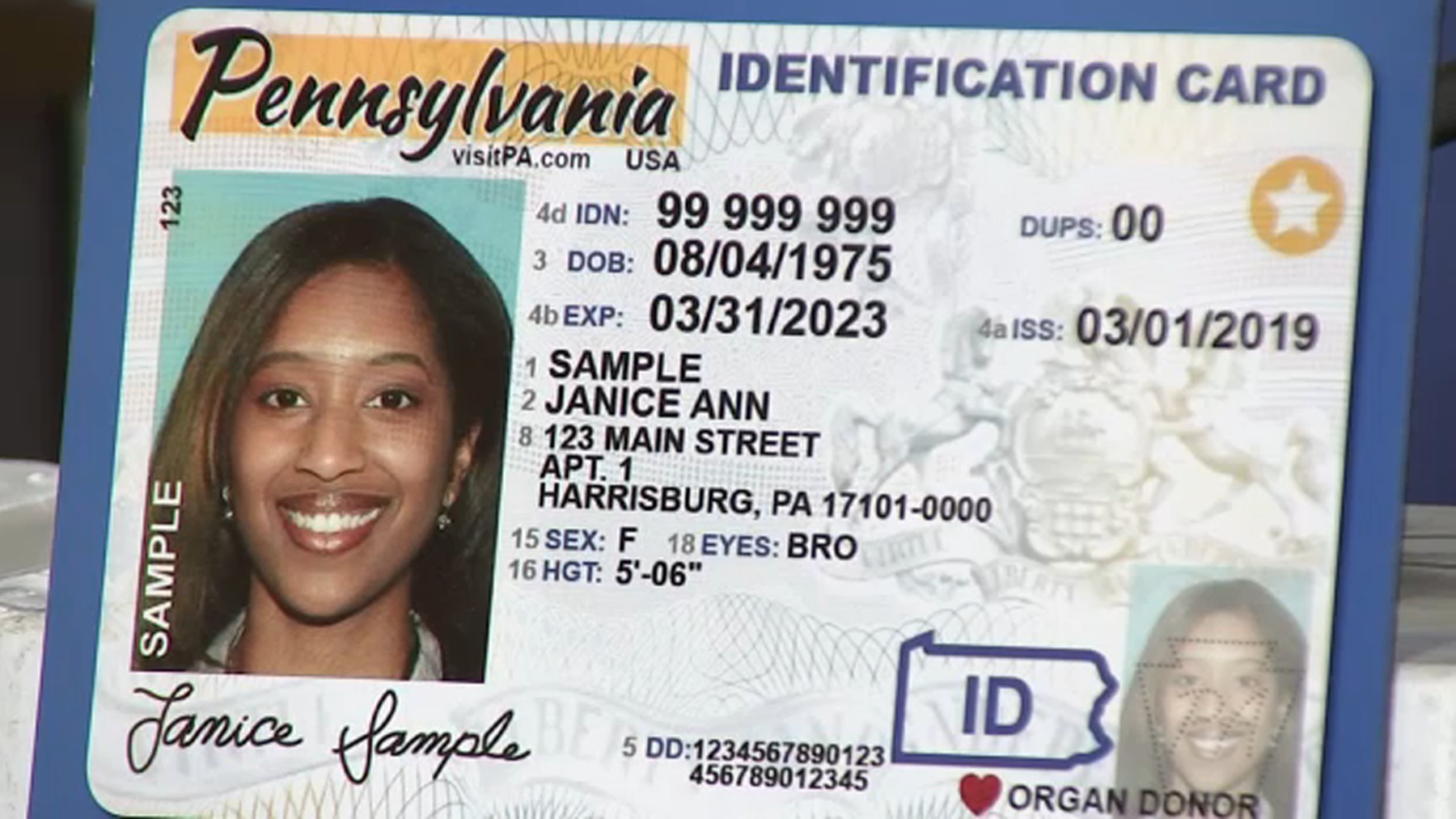
In the post-September 11 Attacks era, the United States government enacted the Federal REAL ID Act, mandating new security standards for state-issued driver’s licenses and identification cards. For anyone planning to fly domestically within the United States or access certain federal facilities (like military bases or federal courthouses), a California REAL ID is now indispensable. While a standard California Driver’s License or ID Card will still suffice for driving and general identification, it will not be accepted by the Transportation Security Administration (TSA) for boarding domestic flights.
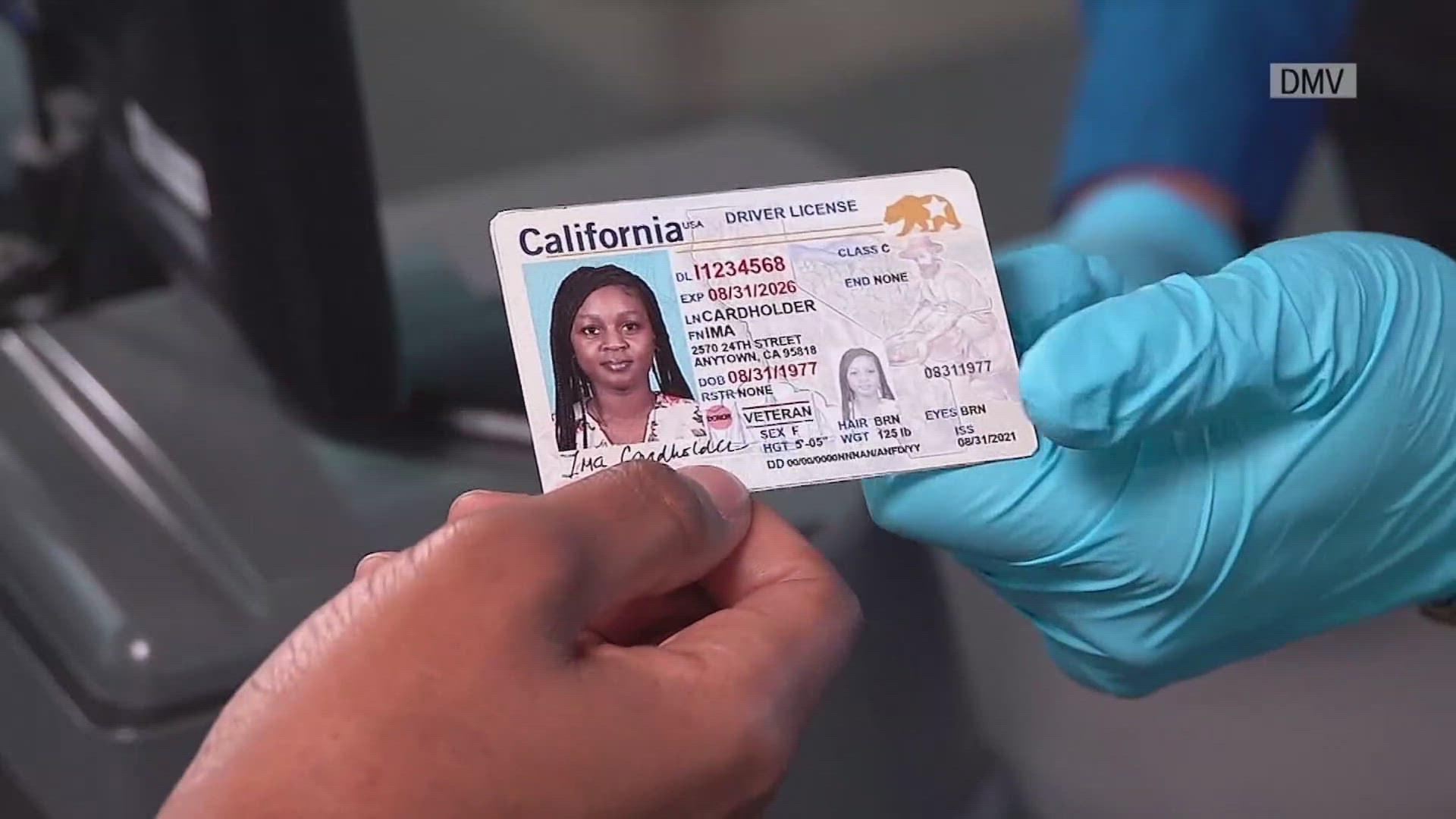
The REAL ID is easily identifiable by a star symbol, typically in the upper right corner of the card. Obtaining one requires stricter documentation than a standard ID, as it aims to verify not just your identity and residency but also your legal presence in the United States. For travelers, this means avoiding potential headaches at airport security, ensuring seamless connections whether you’re heading to the beaches of Miami or the skyscrapers of New York City. Given California’s status as a major travel hub, with bustling airports in Los Angeles, San Francisco, and San Diego, the REAL ID is a critical component for both frequent flyers and those embarking on occasional domestic adventures. It simplifies the check-in process at hotels and resorts, ensuring that your identification meets the highest standards for all travel-related activities.
Demystifying the Documentation: What You Need to Bring
The cornerstone of obtaining any California ID is presenting the correct documentation. The DMV is stringent about verifying your identity, residency, and legal presence, particularly for a REAL ID. It’s always best to bring more documents than you think you’ll need, and remember that originals (or certified copies) are almost always required – photocopies are generally not accepted.
Proving Your Identity and Legal Presence
This is arguably the most critical step. You’ll need at least one document to establish your identity and, for a REAL ID, proof of your legal presence in the United States.
- Primary Identity Documents (typically required):
- United States Passport or Passport Card: This is the gold standard for identity and legal presence.
- Certified Copy of United States Birth Certificate: Must be issued by a state or local government.
- Foreign Passport with valid United States Visa and I-94 Form: For non-citizens.
- Permanent Resident Card (Green Card): For lawful permanent residents.
- Employment Authorization Document (EAD Card): For individuals authorized to work in the United States.
- Certificate of Naturalization or Certificate of Citizenship: For naturalized citizens.
The choice of document here directly impacts the type of ID you can receive. For instance, a foreign passport alone might lead to a standard ID Card, while a passport with a valid visa and I-94 would be necessary for a REAL ID compliant document, essential for exploring federal landmarks or embarking on domestic flights to Florida or Texas.
Establishing Residency in the Golden State
To prove you are a resident of California, the DMV typically requires two different documents showing your name and current California mailing address. These documents ensure that your ID accurately reflects your connection to the state, which is important for voting, receiving mail, and accessing state services.
- Acceptable Residency Documents:
- Utility bills (gas, electric, water, trash, cell phone).
- Rental or lease agreements, or mortgage bills.
- Bank statements.
- Medical documents.
- Employment documents.
- Insurance documents (vehicle, home, health).
- School documents (for minors).
- Tax returns (federal or state).
- Change of address confirmation by the U.S. Postal Service.
Imagine planning a long-term stay in a San Francisco apartment or a beautiful Malibu villa; providing your lease agreement here is crucial. These documents link your physical presence to your official identification, a vital step for any traveler or new resident setting down roots.
Social Security Number Verification
All applicants for a California Driver’s License or ID Card (including REAL ID) must provide their Social Security Number (SSN). While you generally don’t need to bring your physical Social Security Card (unless requested by the DMV clerk for verification), you must know the number.
- Exceptions: Certain non-citizens who are legally present in the United States but ineligible for an SSN may still apply for a standard California Driver’s License or ID Card by providing an original letter from the Social Security Administration (SSA) stating their ineligibility. However, a REAL ID typically requires an SSN.
This requirement ensures the integrity of the state’s identification system, aligning with broader federal security mandates set forth by the Department of Homeland Security.
The Application Journey: Fees, Appointments, and What to Expect
Once you’ve meticulously gathered all your required documents, the next step is to navigate the application process itself. This involves understanding the associated fees, wisely scheduling your visit, and knowing what to anticipate at the DMV.
Understanding the Costs: California ID Fees
Obtaining a California ID comes with a fee, which can vary slightly depending on the type of ID and your age. These fees are subject to change, so it’s always advisable to check the official DMV website for the most current rates before your visit.
- Typical Fees (as of recent updates):
- Original/Renewal Driver’s License (non-commercial): Approximately $41.
- Original/Renewal ID Card: Approximately $36.
- Duplicate/Replacement Driver’s License or ID Card: Approximately $33.
- There is typically no additional fee for making your Driver’s License or ID Card REAL ID compliant; the fee is for the document itself.
The DMV accepts various payment methods, including cash, checks, money orders, and debit/credit cards (though card acceptance can vary by location or involve a small processing fee). Being prepared with the exact fee not only saves time but also prevents any last-minute inconveniences, ensuring your path to a new ID is as smooth as possible.
Booking Your DMV Appointment: A Key to Smooth Sailing
One of the most valuable tips for visiting the DMV is to schedule an appointment. California DMV offices, particularly in bustling metropolitan areas like Sacramento, Los Angeles, and San Francisco, can experience significant wait times for walk-in services. An appointment can drastically reduce your waiting period, allowing you to allocate more time to exploring California’s attractions rather than spending it in a waiting room.
- How to Schedule: Appointments can be booked conveniently online through the official California DMV website. It’s recommended to schedule well in advance, especially during peak seasons.
- What to Prepare for Your Visit:
- Completed Application Form (DL 44 or DL 44C): You can often fill this out online and print it, or request one at the DMV.
- All Required Documents: Neatly organized and readily accessible.
- Proof of financial responsibility (for Driver’s License applicants): If you plan to take a driving test, you must have car insurance.
- Your current ID (if applicable).
- Payment for fees.
Upon arrival, check in at the information desk, present your appointment confirmation, and you’ll typically be directed to a specific window or waiting area. The process will involve document verification, fingerprinting, a vision test (for Driver’s License), a photograph, and possibly a written knowledge test for new drivers or those renewing after an extended lapse. This structured approach helps streamline what could otherwise be a lengthy process, allowing you to focus on the excitement of planning your next California adventure.
The Road Test (for Driver’s License Applicants)
If you are applying for an original California Driver’s License and have never held one, or if you are transferring an out-of-state license that has expired, you will likely need to pass a driving test. This practical examination assesses your ability to safely operate a vehicle and adhere to California traffic laws.
- Vehicle Requirements: You must provide a vehicle that is safe, properly registered, and insured.
- Accompaniment: For minors, an adult with a valid California Driver’s License must accompany them.
- Focus on Safety: The test evaluates your control of the vehicle, observation skills, adherence to signs and signals, and ability to make safe decisions.
Passing the road test is the final hurdle for driving privileges, enabling you to explore the vast highways and scenic routes of California, from the redwood forests of the north to the deserts of the south, independently. This freedom of mobility significantly enhances travel experiences, allowing access to remote landmarks and secluded accommodation options that might otherwise be out of reach.
Beyond the Application: Renewal, Replacement, and Travel Implications
Once you have your California ID in hand, its utility extends far beyond the initial application. Understanding renewal procedures, how to handle lost or stolen cards, and its overarching significance for travel and accommodation are crucial aspects of maximizing its value.
Keeping Your California ID Current: Renewals
California Driver’s Licenses and ID Cards typically need to be renewed every five years. The DMV usually sends a renewal notice by mail a few months before your card expires, which will outline your specific renewal options.
- Renewal Options:
- Online Renewal: Many eligible individuals can renew their license or ID Card online, which is the most convenient method. Eligibility often depends on factors like your age and whether your last renewal required an in-person visit.
- Mail Renewal: Some renewals can be completed by mail.
- In-Person Renewal: If you need to update your photo, take a vision test, or if you’ve been deemed ineligible for online/mail renewal, an in-person visit to the DMV will be required. An appointment is highly recommended.
- Fees: Renewal fees are generally the same as the original application fees.
Keeping your ID current is essential not just for legal compliance but for preventing interruptions to your travel plans or access to services. An expired ID can cause significant delays at airports, prevent hotel check-ins, or even complicate basic transactions, turning what should be a relaxing vacation into a stressful ordeal.
Lost or Stolen IDs: Getting a Replacement
Losing your wallet, especially when traveling, can be a nightmare. If your California ID is lost, stolen, or damaged, it’s important to act quickly to get a replacement.
- Steps to Take:
- Report it: If stolen, file a police report. This can be helpful for insurance purposes or if identity theft is a concern.
- Order a Replacement: You can apply for a duplicate Driver’s License or ID Card online, by mail, or in person at a DMV office. Online is usually the fastest method.
- Replacement Fees: A fee (typically around $33) applies for duplicate cards.
- Temporary ID: While waiting for your new card to arrive by mail, the DMV will usually provide you with a temporary paper ID. Be aware that this temporary ID may not be accepted for all purposes, especially for domestic air travel, where a REAL ID compliant physical card or an alternative acceptable ID (like a passport) is often required.
Having a current and valid ID is paramount for navigating the world, and promptly replacing a lost or stolen card ensures you remain unhindered in your daily life and travel pursuits, whether you’re exploring Yosemite National Park or visiting Disneyland.
Your California ID and the World of Travel & Accommodation
The relevance of your California ID extends deeply into the realms of travel, accommodation, and the overall California lifestyle.
- Domestic Flights: As highlighted earlier, a REAL ID compliant California ID is crucial for domestic air travel. Without it, you’ll need an alternative, federally accepted form of identification, such as a passport. This compliance simplifies your pre-flight experience, from security checks to boarding passes, ensuring you can seamlessly reach destinations like Seattle or Denver from any of California’s major airports.
- Hotel Check-ins: Virtually every hotel, resort, or accommodation provider in California (and beyond) requires a valid photo ID upon check-in. This is for security, age verification, and to confirm your reservation. A California Driver’s License or ID Card is universally accepted for this purpose, whether you’re booking a luxury suite overlooking the Golden Gate Bridge or a cozy boutique hotel in Palm Springs.
- Car Rentals: To rent a car and cruise down the iconic Pacific Coast Highway, a valid Driver’s License is indispensable. Rental agencies strictly verify your license to ensure legal driving privileges and often require it for insurance purposes.
- Tourism and Activities: Many tourist attractions, particularly those with age restrictions (e.g., wineries, breweries, casinos, nightclubs), require a valid ID. Even for purchasing certain products or verifying identity for tours and experiences, your California ID will be your go-to document. From enjoying a wine tasting in Sonoma to experiencing the thrill of a Las Vegas excursion (where California IDs are recognized), your ID unlocks a world of leisure and entertainment.
- General Lifestyle: Beyond travel, your California ID is crucial for everyday life: opening bank accounts, signing leases, picking up packages, and accessing various government and private services. It’s the primary document affirming your identity and age within the United States.
In conclusion, obtaining and maintaining a valid California ID is far more than a bureaucratic hurdle; it’s an empowering step that simplifies countless aspects of life, travel, and leisure in the Golden State. By understanding the types of IDs available, diligently gathering the required documentation, and navigating the DMV process with foresight, you equip yourself with the key to unlocking seamless experiences and enjoying all that California has to offer, from its bustling cities to its tranquil natural wonders.
LifeOutOfTheBox is a participant in the Amazon Services LLC Associates Program, an affiliate advertising program designed to provide a means for sites to earn advertising fees by advertising and linking to Amazon.com. Amazon, the Amazon logo, AmazonSupply, and the AmazonSupply logo are trademarks of Amazon.com, Inc. or its affiliates. As an Amazon Associate we earn affiliate commissions from qualifying purchases.