
The question of whether Hawaii is part of North America is a common one, stirring fascinating discussions that blend geography, politics, culture, and the very essence of what defines a continent. From a purely geographical standpoint, the answer is a resounding no. Yet, its political affiliation with the United States and its cultural tapestry woven with influences from both East and West present a more nuanced picture. This article delves into the various facets of Hawaii’s identity, exploring its unique position in the world and why it continues to captivate travelers seeking unparalleled experiences.
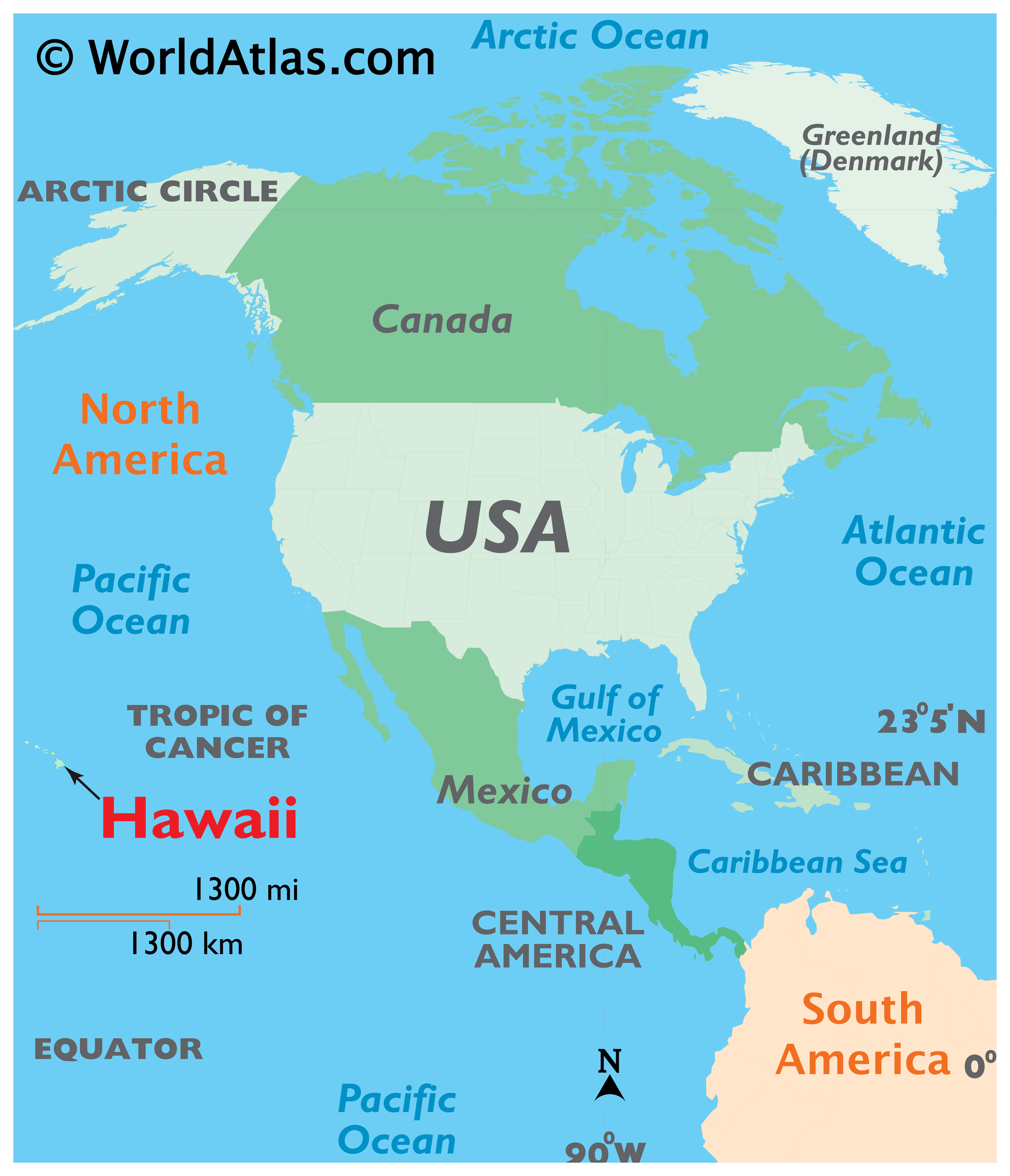
The Hawaiian Islands, an archipelago of volcanic origin, are nestled deep within the Pacific Ocean, thousands of miles from any continental landmass. This isolation is a cornerstone of its unique biodiversity and ancient Polynesian culture. Despite being the 50th state of the United States, Hawaii stands distinctly apart from the continental North America, both geologically and geographically. Understanding this distinction is key to appreciating Hawaii not just as a destination, but as a truly world-apart experience. For those passionate about travel, unraveling this geographical puzzle adds another layer of intrigue to exploring the vibrant destinations and attractions that make up the Hawaiian Islands.
Geographic Realities: The Pacific Divide
When we talk about continents, we typically refer to large, continuous landmasses and their associated continental shelves. These divisions are largely based on tectonic plates and geological history. It is within this scientific framework that Hawaii’s position becomes crystal clear: it is firmly planted in the Pacific Ocean, far from the North American continent.
Distinguishing Continents: A Matter of Definition
Continents are primarily defined by their large landmasses and the tectonic plates they rest upon. The North American continent, for example, largely sits on the North American Plate, which extends from the mid-Atlantic Ridge to the west coast of North America. In contrast, the Hawaiian Islands are situated squarely in the middle of the Pacific Plate, one of the largest tectonic plates on Earth. This plate is entirely oceanic, meaning it consists of oceanic crust. The islands themselves are the result of volcanic activity over a “hotspot” in the Earth’s mantle, completely independent of continental plate movements associated with North America.
Geologically speaking, Hawaii shares more in common with other remote volcanic island chains in Polynesia and Micronesia than it does with the continental landmasses of the Americas. This distinction is crucial for travelers who appreciate the geological wonders and natural history of their destinations. Visiting landmarks like Volcanoes National Park on the Big Island offers a firsthand glimpse into the powerful forces that shaped these unique islands, a process distinct from the geological formation of continental North America.
The Vastness of the Pacific Ocean
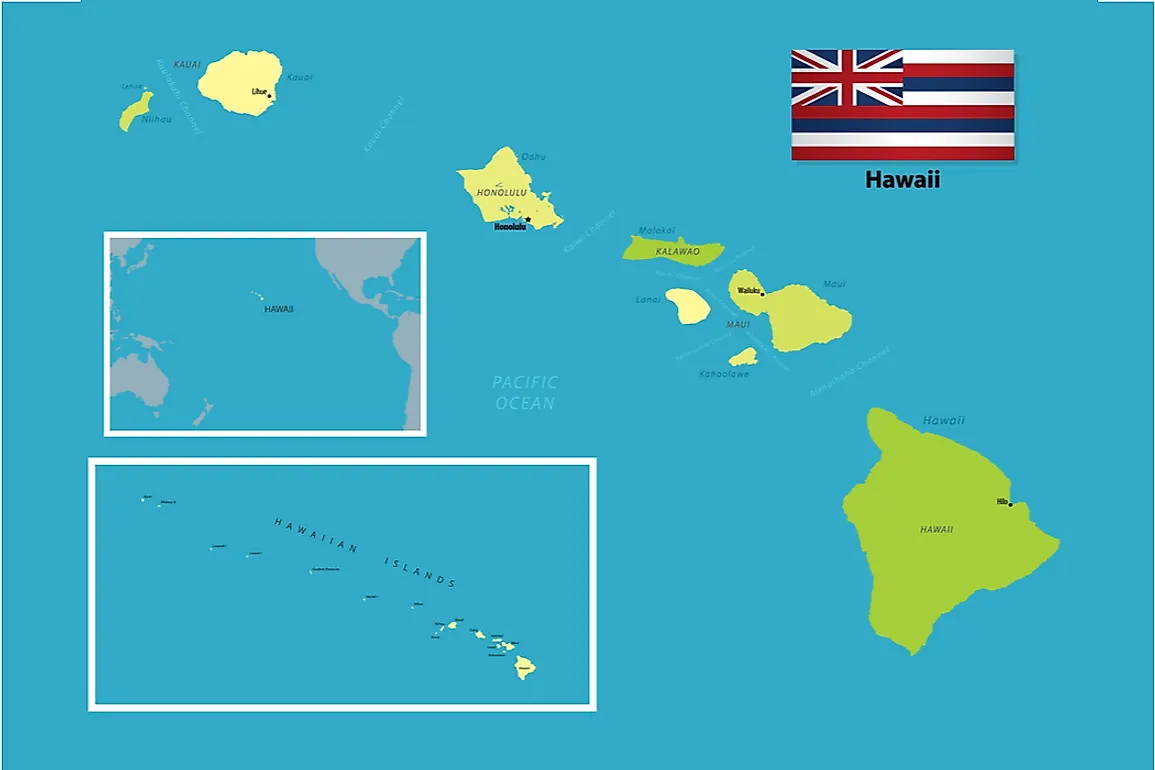
The sheer distance separating Hawaii from the North American mainland underscores its geographic isolation. Honolulu, the capital city on Oahu, is approximately 2,400 miles (3,860 kilometers) southwest of San Francisco, California. This vast expanse of ocean is not merely a political boundary but a profound physical barrier that has historically shaped Hawaii‘s development, flora, fauna, and culture.
For centuries, this isolation allowed for the evolution of unique ecosystems and the development of a distinct Polynesian society. Today, while modern air travel has made Hawaii accessible to millions, its remote location continues to define much of the travel experience. The long flights serve as a reminder that you are truly journeying to a world apart, a destination where the pace slows, and the connection to nature feels more profound. This remote beauty is a significant draw for tourists seeking an escape, an experience far removed from their everyday lives. It speaks to the allure of destinations that offer both natural splendor and a sense of discovery, qualities that define many of Hawaii’s attractions and experiences.
Political Ties and Cultural Bridges
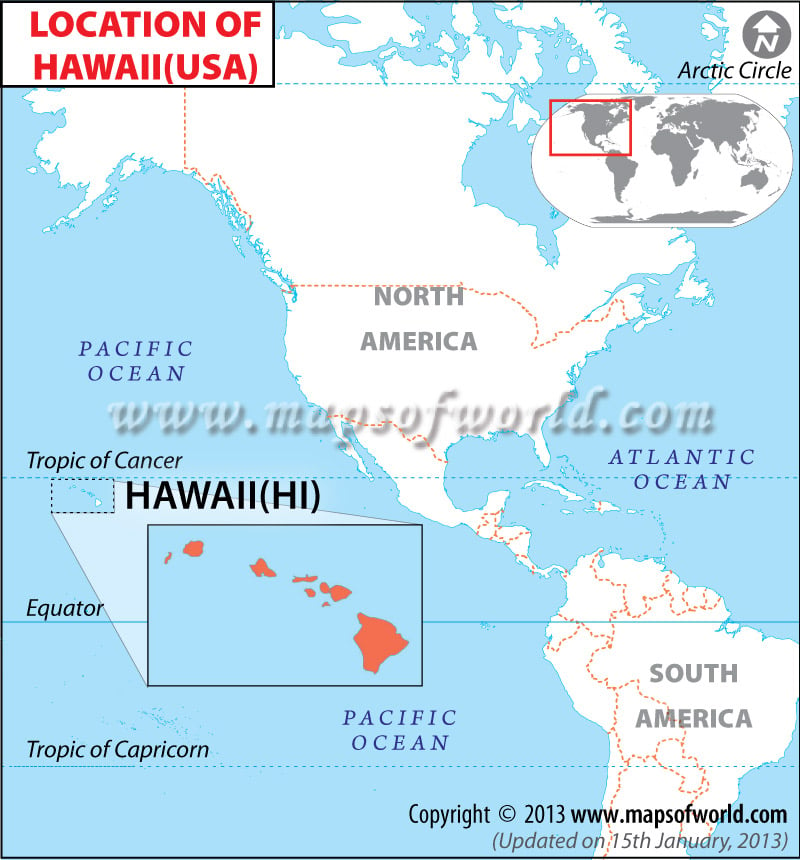
While geographically separate, Hawaii’s political status as a U.S. state and its vibrant multicultural identity profoundly link it to North America in administrative and social contexts. This duality is what makes Hawaii such a fascinating case study and an endlessly appealing travel destination.
An American State in the Pacific
Hawaii’s journey to becoming a U.S. state is a complex narrative rooted in historical events. Originally an independent monarchy, the Kingdom of Hawaii was overthrown in 1893 by American and European businessmen. It was then annexed by the United States in 1898 and eventually achieved statehood in 1959. This political integration means that economically, socially, and legally, Hawaii operates under the same framework as any other state in the continental United States.
For travelers, this affiliation offers both familiarity and convenience. Visitors from the mainland United States don’t need passports or currency exchanges, making travel logistics straightforward. The infrastructure, from roads to hotels and resorts, largely mirrors American standards, providing a sense of comfort despite the exotic surroundings. Many major hotel chains, offering a range of accommodations from luxury suites to family-friendly resorts, have a strong presence across the islands, from the bustling shores of Waikiki Beach to the serene landscapes of Maui. This seamless integration allows visitors to focus on enjoying the local culture, food, and activities without the added complexities often associated with international travel. This political bridge ensures that while Hawaii feels wonderfully unique, it also offers a reassuring sense of ease for many visitors.
Cultural Melting Pot: More Than Just America
Beyond political ties, Hawaii is a vibrant mosaic of cultures, a true global crossroads that has absorbed and blended influences from its Polynesian roots, as well as Asian and American traditions. This rich tapestry is evident in its language, cuisine, music, and daily life. The indigenous Hawaiian culture, with its deep connection to the land (aina) and spirit of aloha, forms the foundation. Traditional practices, hula, and the Hawaiian language (ʻōlelo Hawaiʻi) are actively preserved and celebrated.
However, subsequent waves of immigration from Japan, China, the Philippines, Korea, Portugal, and other regions have introduced new languages, culinary traditions, and customs, creating a distinctly multicultural identity. This fusion is one of Hawaii’s most compelling attractions. You can experience a traditional luau, enjoy world-class sushi, and savor Filipino adobo all within the same trip. This blend extends to local cuisine, with dishes like poke, kalua pig, and shave ice becoming iconic flavors of the islands.
For tourists, engaging with this diverse culture is a key part of the experience. From visiting historical landmarks like Pearl Harbor on Oahu to exploring local markets and experiencing a traditional lei greeting, these interactions offer profound insights into the spirit of Hawaii. This rich cultural landscape provides endless opportunities for unique activities and experiences, enriching any travel itinerary and distinguishing Hawaii from many other destinations within the broader North American sphere.
Exploring Hawaii: A Unique Travel Destination
Regardless of its continental classification, Hawaii undeniably stands out as one of the world’s premier travel destinations. Its allure stems from a unique combination of breathtaking natural beauty, a vibrant cultural scene, and an impressive array of activities and accommodations designed to suit every type of traveler. From luxury escapes to adventurous family trips, Hawaii offers a travel experience unlike any other.
Iconic Landmarks and Natural Wonders
Each of Hawaii’s main islands offers its own distinct charm and a wealth of famous places, architecture, history, and natural landmarks.
- Oahu, often called “The Gathering Place,” is home to the bustling capital of Honolulu and the world-renowned Waikiki Beach. Visitors flock to hike to the summit of Diamond Head for panoramic views, learn about history at the solemn Pearl Harbor National Memorial, or witness professional surfers tackle the legendary waves of the North Shore.
- Maui, known as “The Valley Isle,” enchants with its diverse landscapes, from the sunrise views atop the dormant Haleakala volcano within Haleakala National Park to the lush, winding Road to Hana. Its pristine beaches and world-class snorkeling spots make it a favorite for relaxation and marine adventures.
- Hawaii Island, or the “Big Island,” lives up to its name, being larger than all other Hawaiian islands combined. It’s a land of dramatic contrasts, featuring active volcanoes in Volcanoes National Park, snow-capped peaks of Mauna Kea, black sand beaches, and lush rainforests.
- Kauai, “The Garden Isle,” is famous for its stunning natural beauty, particularly the dramatic cliffs of the Na Pali Coast, best explored by boat, helicopter, or challenging hiking trails. The island’s verdant interior and cascading waterfalls make it a paradise for nature lovers and adventure seekers.
These natural wonders and historical sites are not just tourist attractions; they are integral parts of the Hawaiian identity, offering deep insights into the islands’ geological formation and cultural narrative. Every island offers a unique array of experiences, from quiet contemplation to adrenaline-pumping activities, ensuring every traveler finds their perfect Hawaiian adventure.
Accommodations and Lifestyle: From Luxury to Local
The accommodation options in Hawaii are as diverse as its landscapes, catering to every budget and travel style. For those seeking opulence, world-class luxury resorts like the Four Seasons Resort Maui at Wailea or the Grand Hyatt Kauai Resort & Spa offer exquisite suites, unparalleled amenities, and breathtaking oceanfront views. These properties often provide comprehensive services, including gourmet dining, spa treatments, and direct beach access, embodying the essence of luxury travel.
Beyond the high-end resorts, Hawaii boasts a wide range of hotels, boutique apartments, and charming vacation villas, perfect for families, couples, or solo adventurers. Budget-conscious travelers can find comfortable long-term stays or explore more affordable local guesthouses, providing an authentic taste of Hawaiian hospitality. Platforms for booking and comparison allow travelers to easily find options that fit their needs, complete with reviews to guide their choices.
The lifestyle of Hawaii caters to a broad spectrum of interests. For those prioritizing relaxation, lounging on a sun-drenched beach, enjoying a leisurely round of golf, or indulging in spa therapies are popular choices. Adventure enthusiasts can immerse themselves in surfing lessons, snorkeling with vibrant marine life, hiking through volcanic craters, or zip-lining through lush canopies. Family trips are well-supported with numerous kid-friendly attractions and resorts offering supervised activities. Meanwhile, the tranquil settings and sophisticated amenities make Hawaii an ideal location for romantic getaways, honeymoons, and even business stays that blend work with unparalleled leisure. The local culture, with its emphasis on community and connection to nature, permeates every aspect of the travel experience, encouraging visitors to slow down and embrace the aloha spirit. From savoring fresh, local food at a farmers’ market to attending a traditional luau, the activities available help forge a deeper connection to the islands.
In conclusion, while Hawaii is undeniably an integral part of the United States politically and shares cultural elements with North America, it is distinctly separate geographically. It is a cluster of volcanic islands born from the depths of the Pacific Ocean, boasting a unique ecosystem and a rich cultural heritage that predates its American affiliation. This fascinating blend of remote Pacific paradise and American statehood makes Hawaii an extraordinary destination. For any traveler seeking diverse experiences, from exploring ancient volcanoes and pristine beaches to indulging in luxurious accommodations and vibrant local traditions, Hawaii offers a complete and unforgettable journey that truly transcends continental boundaries.
LifeOutOfTheBox is a participant in the Amazon Services LLC Associates Program, an affiliate advertising program designed to provide a means for sites to earn advertising fees by advertising and linking to Amazon.com. Amazon, the Amazon logo, AmazonSupply, and the AmazonSupply logo are trademarks of Amazon.com, Inc. or its affiliates. As an Amazon Associate we earn affiliate commissions from qualifying purchases.