
San Francisco, a city renowned for its vibrant culture, iconic landmarks, and stunning natural beauty, also boasts one of the most distinctive and often surprising climates in the United States. Unlike many popular travel destinations where weather patterns are predictable and seasonal, San Francisco’s climate is famous for its mild temperatures, persistent fog, and striking microclimates that can see one neighborhood basking in sunshine while another shivers under a thick blanket of mist. For travelers planning a visit, understanding the nuances of this unique weather is not just helpful—it’s essential for a truly enjoyable experience, influencing everything from what to pack to the best time to explore its many attractions.

This article delves into the intricacies of San Francisco’s weather, offering insights into its causes, seasonal variations, and practical tips for navigating its unpredictable charm. Whether you’re considering a stay in a luxury hotel, looking for budget-friendly accommodation, or planning to immerse yourself in local culture and famous landmarks, a grasp of the city’s atmospheric personality will prove invaluable.
Understanding San Francisco’s Unique Climate
The weather in San Francisco is heavily influenced by its geographical position on the tip of a peninsula, bordered by the Pacific Ocean to the west and San Francisco Bay to the east. This coastal location, combined with the cold currents of the Pacific, creates a Mediterranean climate characterized by mild, wet winters and dry, cool summers. However, it’s the consistent presence of its famous fog and the dramatic microclimates that truly define its atmospheric character.
The Enigmatic Fog: Karl the Fog and Beyond
The most iconic weather feature of San Francisco is undoubtedly its fog, often affectionately personified as Karl the Fog. This dense, low-lying cloud cover is a phenomenon known as a marine layer, formed when warm, moist air from the Pacific Ocean passes over the cold California Current. As the moist air cools, it condenses into fog, which is then drawn inland by the warmer air over the California Central Valley.
The fog acts as a natural air conditioner, keeping summer temperatures remarkably cool, often much cooler than inland areas just a few miles away. It typically rolls in during the late afternoon or evening, often enveloping the Golden Gate Bridge in a mystical shroud, and then burns off by midday, revealing clear skies. However, some days the fog can linger, especially in western neighborhoods, creating a persistently cool and overcast atmosphere. This natural phenomenon is a central part of the city’s charm and a defining element of the San Francisco experience.
Microclimates: A City of Many Weathers
One of the most surprising aspects of San Francisco’s weather is its pronounced microclimates. Due to the city’s hilly topography and proximity to the Pacific Ocean and San Francisco Bay, different neighborhoods can experience vastly different weather conditions at the same time. It’s not uncommon for the sunny and warm Mission District to be just a few degrees cooler, and entirely fog-free, while the Outer Richmond or Sunset District on the western side of the city remain shrouded in cold, damp fog.
These microclimates are influenced by the city’s hills, which can block the fog’s movement, and by varying distances from the cooling effect of the ocean. For travelers, this means that packing layers is crucial. You might start your day bundled up by the Golden Gate Bridge, shed a layer as you explore Union Square, and then require a jacket again as evening approaches or if you venture to a different part of the city. Understanding these distinct zones can help you plan your day’s activities to make the most of the prevailing weather.
Temperature Trends and Seasonal Variations
San Francisco is renowned for its mild temperatures year-round, lacking the extreme heat waves common in other California cities or the harsh winters found elsewhere in the country. Average high temperatures typically range from the mid-50s Fahrenheit (13-14°C) in winter to the low 70s Fahrenheit (21-22°C) in late summer/early autumn. Lows rarely drop below the mid-40s Fahrenheit (7-8°C).
What often surprises visitors, especially those from warmer climates, is that San Francisco’s summer (June, July, August) is usually its coolest and foggiest period. This is when the marine layer is most pronounced due to the greater temperature difference between the cold ocean and the hot inland valleys. The warmest and clearest weather often arrives in September and October, making autumn a favorite time for many locals and savvy travelers.
Seasonal Breakdown: Planning Your San Francisco Visit
Knowing what to expect each season can significantly enhance your travel planning, from booking the right accommodation to scheduling your visits to attractions.
Spring (March – May): Mild & Pleasant
Spring in San Francisco generally offers some of the most pleasant weather of the year. The days are usually mild and clear, with less fog than summer and fewer rainy days than winter. Average highs are in the mid-60s Fahrenheit (16-18°C). The city’s many parks and gardens, such as Golden Gate Park, burst with color, making it an ideal time for outdoor activities, sightseeing, and photography.
This season is excellent for exploring Alcatraz, strolling through Chinatown, or taking a leisurely walk along Fisherman’s Wharf and Pier 39. Packing layers, including a medium-weight jacket or sweater for cooler mornings and evenings, is still advisable. Spring is also a popular time for booking hotels, so securing your preferred suite or resort in advance is recommended for optimal rates and availability.
Summer (June – August): Foggy & Cool
Counterintuitively, San Francisco’s summer months are often the coolest and foggiest. While inland California sizzles, the city experiences average high temperatures in the mid-60s Fahrenheit (18-20°C), frequently accompanied by thick morning and evening fog. This climate makes San Francisco a refreshing escape from summer heat, but it can catch unprepared travelers off guard.
Despite the cool temperatures, summer is peak tourist season, drawing crowds who come to experience the city’s unique charm, attend major events, and escape hotter climes. If visiting during this time, embrace the fog. Enjoy indoor attractions like world-class museums, explore the bustling markets, or cozy up in a café. When visiting outdoor landmarks like the Golden Gate Bridge or taking a boat trip to Alcatraz, be prepared for chilly winds and limited visibility. A warm, windproof jacket, sturdy shoes, and long pants are absolute essentials.
Autumn (September – November): The Golden Season
Many locals consider autumn to be the absolute best time to visit San Francisco. The notorious fog begins to recede, and the city enjoys its warmest, clearest, and sunniest days. Average high temperatures often reach the low to mid-70s Fahrenheit (21-23°C), and the evenings remain pleasantly mild. This “Indian Summer” phenomenon is due to the diminishing temperature difference between the Pacific Ocean and inland valleys, reducing the marine layer’s intensity.
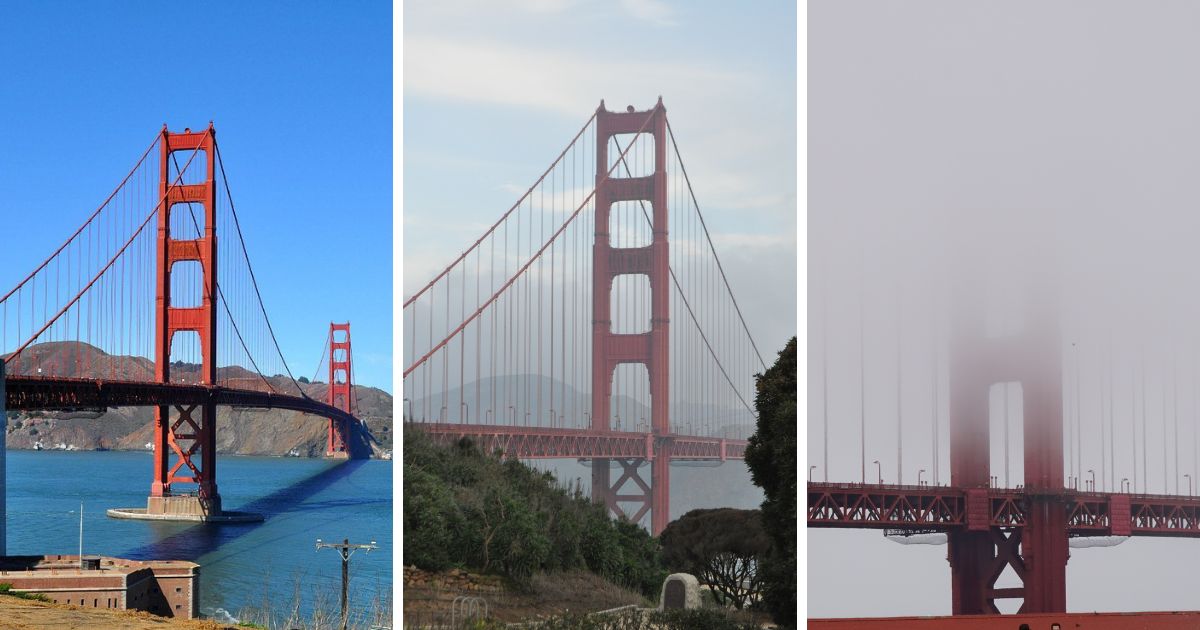
Autumn is perfect for enjoying all outdoor activities, from cycling across the Golden Gate Bridge to exploring the scenic Marin Headlands or taking a ferry to Sausalito. The clear skies offer unparalleled views of the city skyline and San Francisco Bay. This is an ideal time for photography, outdoor dining, and simply soaking in the city’s beauty. While days are warm, evenings can still cool down, so a light jacket or sweater remains a good idea. Accommodation can still be in high demand, particularly in September, so advance booking for hotels and apartments is prudent.
Winter (December – February): Mild & Rainy
Winter in San Francisco is characterized by mild temperatures and the majority of the city’s annual rainfall. Average highs hover in the mid-50s Fahrenheit (13-14°C), and while it can be damp, heavy snowfall is virtually unheard of. Rainy spells typically consist of moderate showers interspersed with clear, crisp days.
Despite the rain, winter has its own charm. The city is less crowded than in summer, and the holiday season brings a festive atmosphere to areas like Union Square and Ghirardelli Square. It’s an excellent time to explore indoor attractions such as museums, art galleries, and the lively culinary scene. Packing a waterproof jacket, an umbrella, and waterproof footwear is essential. While outdoor activities might be limited on rainy days, clear winter days offer stunningly crisp air and vibrant city views. Consider booking a cozy hotel with excellent amenities to enjoy the cooler weather from within.
Preparing for San Francisco’s Weather: Practical Tips for Travelers
No matter the season, a few key strategies will help you make the most of your San Francisco adventure.
Packing Smart: Layers Are Your Best Friend
The single most important packing tip for San Francisco is to dress in layers. A typical outfit might include a t-shirt or light top, a sweater or fleece, and a waterproof or windproof outer jacket. Even on a seemingly warm day, the weather can change rapidly, especially if you move between microclimates or as the fog rolls in. Consider bringing:
- Light base layers: T-shirts or long-sleeved shirts.
- Warm middle layers: Sweaters, cardigans, or fleece jackets.
- Outer layers: A windproof and waterproof jacket, even in summer.
- Comfortable walking shoes: You’ll do a lot of walking up and down hills.
- Scarf, hat, and gloves: Especially for visits to the Golden Gate Bridge or evening strolls, regardless of the season.
- Umbrella: Essential in winter, useful to have year-round just in case.
Maximizing Your Experience: Weather-Proofing Your Itinerary
Be flexible with your itinerary. If your plan is to visit the Golden Gate Bridge but it’s completely shrouded in fog, consider switching to an indoor activity like visiting the California Academy of Sciences or exploring the shops in Union Square or North Beach. Check local weather forecasts for different neighborhoods before heading out. Websites and apps that show real-time fog lines can be incredibly useful.
Remember that while the western parts of the city (near the ocean) tend to be foggier and cooler, the eastern and southeastern neighborhoods, like the Mission District and Potrero Hill, often enjoy more sunshine. Planning your activities to align with the sunniest parts of the city can enhance your outdoor experiences.
Accommodation Choices & Weather Considerations
When choosing accommodation, consider how the weather might impact your stay. If you’re sensitive to cold or fog, a hotel or apartment in a sunnier neighborhood like the Mission District or parts of SOMA might be preferable. Conversely, if you enjoy the dramatic ambiance of the fog, a resort near the ocean in the Marina District or Presidio might be ideal.
Many hotels, from luxurious suites to boutique apartments, offer amenities like indoor pools, cozy lounges, or fireplaces that can be particularly appealing on cooler or foggier days. For long-term stays, factoring in the year-round comfort of your chosen neighborhood can make a significant difference. Websites specializing in accommodation reviews and comparisons can provide insights into guest experiences regarding temperature and comfort levels.
Beyond the Forecast: San Francisco’s Climate and Lifestyle
San Francisco’s unique climate isn’t just a weather phenomenon; it’s an integral part of the city’s lifestyle, culture, and charm.
Outdoor Activities Year-Round
Despite the variable weather, San Francisco offers abundant opportunities for outdoor activities throughout the year. The lack of extreme temperatures means that hiking, biking, and jogging are almost always possible. Golden Gate Park provides acres of green space for recreation, while the scenic coastal trails offer breathtaking views (when the fog permits!). Even on cooler days, locals bundle up and enjoy outdoor pursuits, from surfing at Ocean Beach to climbing the famous crooked Lombard Street.
Culinary Delights and Cozy Cafes
The weather significantly influences San Francisco’s vibrant food scene. On a chilly, foggy day, there’s nothing more comforting than a hot bowl of clam chowder at Fisherman’s Wharf or a warm coffee in a cozy North Beach cafe. The city’s numerous Michelin-starred restaurants and diverse eateries provide perfect havens regardless of the external conditions. The temperate climate also contributes to the excellent produce available year-round, supporting a farm-to-table dining philosophy that thrives in every neighborhood.
Festivals and Events: Embracing the Elements
San Francisco’s calendar is packed with festivals and events, many of which ingeniously adapt to or celebrate the city’s climate. From outdoor music festivals in Golden Gate Park that encourage attendees to dress in layers, to holiday light displays that sparkle through the winter mist, the city’s spirit is resilient and creative. Tourist boards often highlight these events as part of their guides, offering visitors unique experiences that are intrinsically linked to the city’s climatic personality.
In conclusion, the weather of San Francisco is as captivating and dynamic as the city itself. While it might require a bit more planning and a strategic approach to packing, its mild year-round temperatures, dramatic fog, and distinct microclimates are part of what makes San Francisco an unforgettable travel destination. Embrace the layers, appreciate the atmospheric shifts, and you’ll discover that San Francisco’s weather, far from being a hindrance, is a unique aspect of its enduring charm, inviting travelers to explore its diverse landscapes and rich culture in every season.
LifeOutOfTheBox is a participant in the Amazon Services LLC Associates Program, an affiliate advertising program designed to provide a means for sites to earn advertising fees by advertising and linking to Amazon.com. Amazon, the Amazon logo, AmazonSupply, and the AmazonSupply logo are trademarks of Amazon.com, Inc. or its affiliates. As an Amazon Associate we earn affiliate commissions from qualifying purchases.