
When discussing the political landscape of the United States, the state of Texas invariably emerges as a colossal entity, not just in terms of its vast geographical expanse and diverse culture, but also its immense political weight. For anyone interested in the mechanics of the U.S. presidential elections, the question of “How many electoral votes are there in Texas?” is fundamental. As of the most recent reapportionment following the 2020 Census, Texas commands a formidable 40 electoral votes. This makes it the state with the second-highest number of electoral votes, trailing only California.
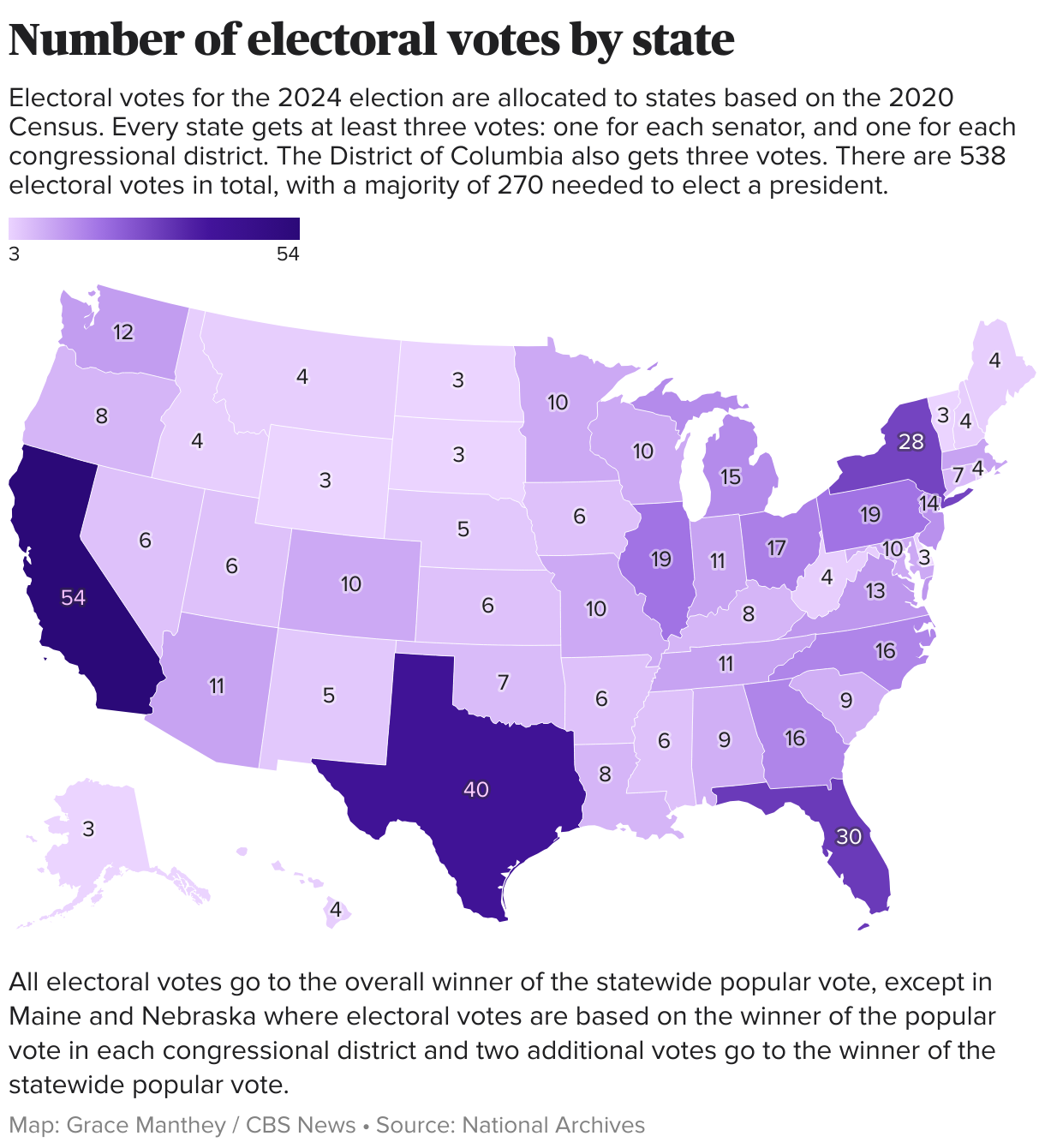
This impressive tally is a direct reflection of Texas’s burgeoning population and its economic dynamism, factors that not only shape its political influence but also define it as a prime destination for travel, tourism, and diverse lifestyles. Understanding the magnitude of Texas’s electoral power requires a deeper dive into its demographic shifts, economic drivers, and the rich tapestry of experiences it offers to residents and visitors alike.
Texas’s Electoral Power: A Reflection of Growth and Diversity
The allocation of electoral votes in the United States is directly tied to population. Each state receives a number of electors equal to its total number of representatives in Congress (its two senators plus its number of House representatives). As a state’s population grows, its representation in the House increases, and with it, its electoral vote count. Texas has been a leading beneficiary of this process, consistently gaining electoral votes in recent decades due to rapid population growth driven by both domestic and international migration.
The Current Count and Its Significance
With 40 electoral votes, Texas holds a pivotal position in any presidential election. Winning Texas delivers a substantial bloc of votes, often seen as critical for a path to the presidency. This high number makes the state a frequent battleground or, at minimum, a significant campaign stop for candidates seeking to demonstrate broad appeal and secure crucial funding and volunteer support. The sheer scale of its electoral contribution underlines the importance of understanding the state’s diverse population, its economic landscape, and the distinct characteristics of its many regions.
Population Dynamics and Demographic Shifts
Texas’s population surge isn’t just about raw numbers; it’s about a fascinating demographic evolution. The state is incredibly diverse, boasting significant Hispanic, African American, and Asian American populations alongside its white majority. This demographic mosaic is reflected in everything from its culinary scene to its music, its festivals, and, indeed, its voting patterns. The influx of new residents from other states and countries has fueled economic expansion, leading to vibrant urban centers and a growing demand for accommodation, services, and entertainment, directly impacting the travel and tourism sectors.
This continuous growth has propelled Texas into a global economic powerhouse, attracting businesses and individuals seeking opportunity. The dynamic population contributes not only to its political weight but also to its appeal as a destination, offering a blend of traditional Southern charm, Western ruggedness, and cosmopolitan sophistication.
Exploring Texas: Where Electoral Influence Meets Unforgettable Journeys
The vastness of Texas means that its electoral map is as varied as its geography and culture. From the bustling metropolises to the tranquil Gulf Coast and the rugged beauty of Big Bend National Park, each region contributes to the state’s overall identity and its electoral strength. For travelers, this diversity translates into an endless array of experiences, perfectly aligning with the interests of those seeking destinations, attractions, and unique cultural encounters.
Major Metropolises: Economic Hubs and Tourist Magnets
Texas’s largest cities are not only economic engines driving its growth and increasing its electoral count but also world-class destinations. Each offers a distinct flavor of the Lone Star State:
- Houston: As the most populous city in Texas and the fourth largest in the United States, Houston is a global hub for energy, aerospace, and healthcare. Its nickname, “Space City,” comes from the NASA Johnson Space Center, a major attraction. Visitors can also explore world-class museums in the Museum District, indulge in diverse culinary experiences, and enjoy the vibrant arts scene. The city’s extensive port contributes significantly to the state’s economy, further solidifying its electoral importance. The range of hotels, from luxury suites to budget-friendly apartments, caters to business travelers and tourists alike.
- Dallas & Fort Worth: Often referred to as the “DFW Metroplex,” these twin cities embody both urban sophistication and authentic cowboy heritage. Dallas is a center for finance, fashion, and art, home to the Dallas Arts District, the Sixth Floor Museum at Dealey Plaza (commemorating JFK’s legacy), and upscale shopping. Iconic landmarks like Southfork Ranch also draw visitors. Fort Worth, on the other hand, embraces its Western roots with the historic Stockyards National Historic District, daily cattle drives, and authentic rodeos. The combination of these two cities provides a powerful economic and cultural engine, contributing a substantial portion to Texas’s overall population and, consequently, its electoral votes. Accommodation options abound, from high-rise hotels in Downtown Dallas to charming boutique stays in Fort Worth.
- Austin: The state capital, Austin, is famously known as the “Live Music Capital of the World” and a hub for technology and innovation. Its progressive culture, outdoor activities along Lady Bird Lake, and vibrant food scene make it a magnet for young professionals and tourists alike. The Texas State Capitol building is a magnificent landmark, and cultural spots like Zilker Park offer relaxation. Austin’s rapid growth has significantly bolstered the state’s population figures, and thus its electoral count, while also driving demand for unique hotels and trendy eateries.
- San Antonio: Rich in history and culture, San Antonio is home to the iconic Alamo, a symbol of Texas independence and a site that prompts visitors to “Remember the Alamo”. The picturesque River Walk (Paseo del Río) is a national treasure, offering dining, shopping, and entertainment along the San Antonio River. The city’s Spanish colonial missions, part of a UNESCO World Heritage Site, provide a deep dive into its heritage. San Antonio’s unique blend of cultures and historical significance makes it a top tourist destination and a substantial contributor to the state’s population base.
Coastal Charms and Frontier Heritage: Beyond the Urban Sprawl
While the major cities concentrate much of Texas’s population and economic activity, the diverse rural and regional areas offer distinct experiences that contribute to the state’s overall appeal and indirectly, its political fabric.
- The Gulf Coast: Stretching along the Gulf of Mexico, the Texas Gulf Coast offers sandy beaches, seafood, and a relaxed atmosphere. Cities like Galveston with its historic Pleasure Pier and Victorian architecture, or Corpus Christi with the USS Lexington Museum and access to Padre Island National Seashore, attract millions of visitors annually. South Padre Island is a popular spring break destination, while Mustang Island offers pristine natural beauty. These coastal communities, while smaller than the major cities, represent unique lifestyles and economic contributions through tourism and the oil and gas industries.
- Hill Country: Located in central Texas, the Hill Country is known for its rolling hills, scenic vineyards, quaint towns, and spring-fed rivers. Destinations like Fredericksburg, known for its German heritage and wine tours, and Gruene Hall, Texas’s oldest dance hall, offer unique cultural experiences. Luckenbach, a tiny town with a big musical legacy, is another gem. The Hill Country’s charm attracts those seeking a quieter, more rustic Texas experience, contributing to the state’s diverse lifestyle offerings.
- West Texas: This vast, rugged region is home to iconic landscapes and a distinct cowboy culture. El Paso, a vibrant border city, offers a blend of U.S. and Mexican cultures. Further east, Big Bend National Park and Guadalupe Mountains National Park provide unparalleled opportunities for outdoor adventures, from hiking and stargazing to rafting the Rio Grande. The sparse population of West Texas nonetheless adds to the state’s overall population count, showcasing the immense geographic and cultural diversity that defines Texas.
Travel, Tourism, and the Lone Star State’s Lifestyle
The continuous growth of Texas’s population and its electoral power is inextricably linked to its booming travel and tourism industry. As more people move to the state and more visitors come to explore, the demand for high-quality accommodation, diverse attractions, and immersive experiences continues to surge, underpinning the state’s vibrant lifestyle.
Accommodation and Hospitality: Supporting a Thriving State
The hospitality sector in Texas is as diverse as its landscapes, catering to every type of traveler and contributing significantly to the state’s economy. From luxurious resorts like the Four Seasons in Austin or Dallas, to charming boutique hotels in Fredericksburg, quaint bed-and-breakfasts in the Hill Country, and practical extended-stay apartments for business travelers in Houston’s energy corridor, the options are endless. Online booking platforms, review sites, and comparison tools have made it easier than ever for visitors to find the perfect stay, whether for a quick weekend getaway, a family vacation, or a long-term business project. The expansion of these facilities supports jobs, drives local economies, and enhances the overall visitor experience, further solidifying Texas’s status as a top destination.
Landmarks, Culture, and the Texas Identity
Beyond the numbers of electoral votes or population figures, the true essence of Texas lies in its unique identity, forged from a rich history and a distinctive cultural blend. Landmarks like the Alamo and the San Jacinto Monument narrate tales of courage and independence. The architectural grandeur of the Texas State Capitol in Austin speaks volumes about its political heritage.
Culturally, Texas offers a lifestyle that blends Southern hospitality with Western grit and a growing cosmopolitan flair. Food is a central pillar, from world-renowned barbecue joints to authentic Tex-Mex cuisine. Music genres, from country and blues to rock and Tejano, thrive in venues across the state. The State Fair of Texas in Dallas is an annual spectacle, while rodeos showcase the state’s cowboy spirit. These cultural elements contribute to the allure of Texas, making it a compelling destination for those seeking an authentic and memorable experience.
Planning Your Texas Experience: Beyond the Ballot Box
Whether your interest in Texas stems from its political power, its economic opportunities, or its vibrant travel offerings, the state promises an adventure like no other. Its 40 electoral votes are a testament to its significant role on the national stage, but the true impact of Texas is felt in its diverse communities, breathtaking landscapes, and unforgettable experiences.
Navigating Texas: Tips for Travelers
Given the sheer size of Texas, planning is key. Consider renting a car to explore the vast distances between cities and natural attractions. Each major city has its own distinct personality, so allow ample time to immerse yourself. For example, if you’re in Houston, beyond the NASA Johnson Space Center, explore the upscale shopping in Uptown Park or the historic homes in the Heights neighborhood. In Dallas, don’t miss Klyde Warren Park, a green oasis built over a freeway, or the George W. Bush Presidential Center on the SMU campus. Austin offers a plethora of outdoor activities and music venues on Sixth Street or Rainey Street.
Exploring the suburban areas around these major cities can also offer unique experiences. Cities like Plano, Irving, Grapevine, and Arlington in the DFW Metroplex offer their own attractions, from amusement parks to upscale shopping. Near Houston, The Woodlands and Sugar Land are known for their master-planned communities and family-friendly amenities.

The Future of Texas: A Dynamic Destination
As Texas continues to grow, so too will its influence, both politically and as a destination for travelers worldwide. Its increasing number of electoral votes is a clear indicator of its expanding population and economic might, but it is the state’s unparalleled blend of history, culture, innovation, and natural beauty that truly captures the imagination. From luxury stays in sophisticated urban centers to rugged adventures in its national parks, and from savoring world-class cuisine to dancing the night away at a country music hall, Texas offers a truly comprehensive lifestyle and travel experience. It’s a state that continually reinvents itself while holding steadfast to its unique identity, making every visit a journey of discovery.
LifeOutOfTheBox is a participant in the Amazon Services LLC Associates Program, an affiliate advertising program designed to provide a means for sites to earn advertising fees by advertising and linking to Amazon.com. Amazon, the Amazon logo, AmazonSupply, and the AmazonSupply logo are trademarks of Amazon.com, Inc. or its affiliates. As an Amazon Associate we earn affiliate commissions from qualifying purchases.