
Texas, the Lone Star State, is a land of vast open spaces, diverse landscapes, and vibrant cities, making it an ideal destination for road trips and exploration. From the bustling metropolises of Houston and Dallas to the scenic Hill Country around Austin and the historic charm of San Antonio, there’s an endless array of experiences awaiting discovery. Whether you’re a long-time resident or a new arrival planning to immerse yourself in the local culture, or perhaps a visitor embarking on an unforgettable journey across its expansive highways, ensuring your vehicle is road-ready is paramount.

Part of responsible vehicle ownership and travel planning in Texas involves understanding and complying with the state’s vehicle inspection requirements. These inspections are not merely a bureaucratic hurdle; they are a fundamental component of maintaining road safety, protecting the environment, and ensuring that every journey, big or small, is as smooth and secure as possible. This comprehensive guide aims to demystify the costs and process of vehicle inspections in Texas, providing clarity for both seasoned drivers and those new to the state’s regulations. By understanding what’s involved, how much it costs, and how to prepare, you can navigate this annual requirement with ease, allowing you more time to focus on enjoying all the incredible destinations Texas has to offer.
Understanding Texas Vehicle Inspections: Why They Matter
The annual vehicle inspection in Texas serves a dual purpose, acting as a critical checkpoint for both vehicle safety and environmental responsibility. These inspections ensure that every registered vehicle on the road meets certain standards, contributing significantly to the overall well-being of the state’s residents and visitors, as well as the preservation of its natural beauty. For a travel and lifestyle enthusiast, knowing your vehicle is in top condition provides immense peace of mind, allowing you to fully immerse yourself in the adventure without worrying about unexpected breakdowns or safety hazards.
The Dual Pillars: Safety and Emissions
At its core, a Texas vehicle inspection is built upon two essential components: the safety inspection and, for vehicles in certain counties, the emissions inspection. Together, they form a comprehensive assessment designed to keep drivers safe and the air clean.
The safety inspection is a meticulous examination of your vehicle’s fundamental operational components. Inspectors will rigorously check everything from your braking system, ensuring calipers, pads, and rotors are in good working order, to the condition and tread depth of your tires, vital for traction and control on diverse Texas terrains. Lighting equipment, including headlights, taillights, turn signals, and brake lights, must be fully functional for visibility, especially during those long drives through rural areas or late-night arrivals at a welcoming hotel. The horn, seatbelts, mirrors, windows, and windshield wipers are also thoroughly vetted to ensure they meet state standards. Even the exhaust system is checked for leaks that could pose a safety risk. This extensive checklist is designed to catch potential mechanical failures before they become dangerous incidents on the road, safeguarding you, your passengers, and fellow travelers as you explore everything from urban landmarks to natural attractions. It’s an essential measure to ensure that your vehicle is a reliable companion on any journey, whether it’s a daily commute or an epic cross-state adventure.
The emissions inspection, on the other hand, targets the environmental impact of your vehicle. This specialized test is required only in specific Texas counties that have been designated as non-attainment areas for air quality. These typically include the larger metropolitan regions, such as Houston, Dallas, Fort Worth, Austin, and San Antonio and their surrounding counties. The emissions test assesses the level of pollutants your vehicle releases into the atmosphere, ensuring it complies with federal clean air standards. For most modern vehicles (1996 and newer), this involves an On-Board Diagnostics (OBD-II) system check, where the inspector connects to your vehicle’s computer to read emissions-related fault codes. Older vehicles might undergo a tailpipe test. By participating in emissions testing, you contribute to cleaner air, which is crucial for the health of local communities and for preserving the pristine skies that make stargazing in regions like Big Bend National Park so spectacular. It’s a commitment to environmental stewardship, aligning with a lifestyle that values both personal enjoyment and ecological responsibility, ensuring future generations can also enjoy Texas’s natural wonders.
Decoding the Costs: How Much to Expect
One of the most common questions for vehicle owners in Texas is, “How much will this inspection set me back?” The good news is that Texas vehicle inspection fees are standardized and relatively affordable, making them a minor investment for the significant peace of mind they provide. Understanding these costs helps you budget effectively for annual vehicle maintenance, ensuring your travel plans and daily life remain uninterrupted.
Standard Inspection Fees Across Texas
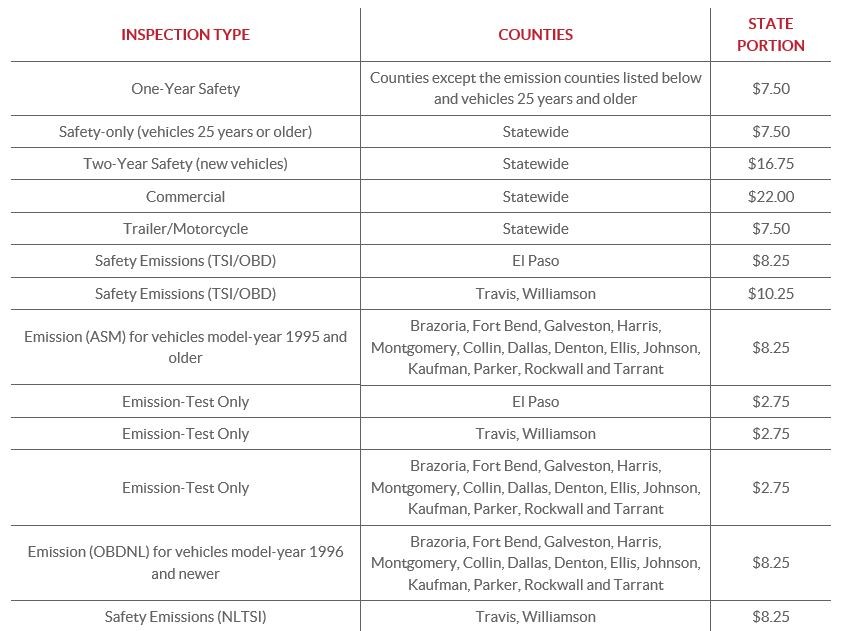
The cost of a vehicle inspection in Texas is determined by the type of vehicle you own and whether it requires an emissions test in your county. These fees are set by the state and are consistent across all licensed inspection stations. It’s important to remember that these are the official state fees, and they do not vary based on whether your vehicle passes or fails the inspection. The fee is for the service of conducting the inspection itself.
For most passenger cars and light trucks (model year 1996 and newer), which require both a safety and an OBD-II emissions inspection in applicable counties, the total fee is typically around $25.50. This covers the comprehensive safety check and the electronic emissions diagnostic. For passenger cars and light trucks (model year 1995 and older), which might require a different type of emissions test (such as a two-speed idle test), the fee can be slightly higher, often around $28.00 to $30.00. Vehicles that only require a safety inspection (e.g., in counties without emissions testing requirements, or certain older vehicles exempt from emissions testing) usually incur a fee of approximately $7.00. Motorcycles have a distinct safety inspection fee, typically around $7.00. Other vehicle types, such as commercial vehicles, may have different fee structures based on their weight and classification, reflecting the specific safety standards they must meet.
You’ll find these official fees clearly posted at all licensed Texas Department of Public Safety (DPS) vehicle inspection stations. The fixed nature of these costs means you can easily factor them into your annual vehicle maintenance budget, whether you’re planning a year of local tourism or extensive road trips exploring every corner of Texas.
Beyond the Basic Fee: Potential Additional Expenses
While the inspection fee itself is fixed and minimal, it’s crucial to acknowledge that an inspection can sometimes lead to additional, unplanned expenses if your vehicle doesn’t pass the first time. These potential costs are not part of the inspection fee itself but are a direct consequence of failing to meet the state’s safety or emissions standards.
The most significant potential additional expense comes from repair costs. If your vehicle fails either the safety or emissions test, you will be required to get the necessary repairs done before it can pass. For instance, a worn-out tire, a non-functioning headlight, or an illuminated “Check Engine” light (indicating an emissions-related issue) will result in a failure. These repairs can range from minor adjustments, like replacing a burned-out bulb, to more substantial work, such as brake system overhauls or catalytic converter replacements. To minimize these unexpected outlays, proactive vehicle maintenance is key. Regular oil changes, tire rotations, brake checks, and addressing dashboard warning lights promptly can often prevent costly surprises during your annual inspection. Thinking of it as an investment in your vehicle’s longevity and your travel safety can help frame these expenses positively within a responsible lifestyle budget.
Another factor to consider is re-inspection fees. If your vehicle fails its initial inspection, you’ll need to have it re-inspected after repairs are completed. Many licensed inspection stations offer a free re-inspection within a specific timeframe (usually 15 days) if the repairs were performed at the same station or if you return to the original station within that period. However, if you take your vehicle to a different station for the re-inspection, or if you exceed the designated timeframe, you will typically be charged the full inspection fee again. It’s wise to clarify the re-inspection policy with your chosen station upfront. While not a direct monetary cost, the time cost associated with repairs and re-inspections can also be an inconvenience, potentially delaying your plans. By preparing adequately and addressing known issues beforehand, you can streamline the process and minimize disruptions to your schedule, allowing you more time to enjoy your Texas adventures.
The Inspection Process: What to Expect and How to Prepare
Navigating the vehicle inspection process in Texas is straightforward, but knowing what to expect and how to prepare can make it even smoother. For both residents and travelers considering an extended stay or vehicle purchase, understanding these steps is key to hassle-free compliance. A well-prepared vehicle not only passes inspection more easily but also ensures a safer and more enjoyable journey across the diverse landscapes of the Lone Star State.
Navigating Your Texas Vehicle Inspection
The process begins with finding a licensed inspection station. These stations are easily identifiable by official Texas Department of Public Safety (DPS) signage, typically displaying a “Official Vehicle Inspection Station” logo. You can also locate nearby stations using online search tools provided by the DPS or local automotive service finders. Once you arrive, you’ll need to present your proof of insurance and a valid driver’s license. While vehicle registration is typically renewed after a successful inspection, having your current registration information handy can sometimes expedite the process.
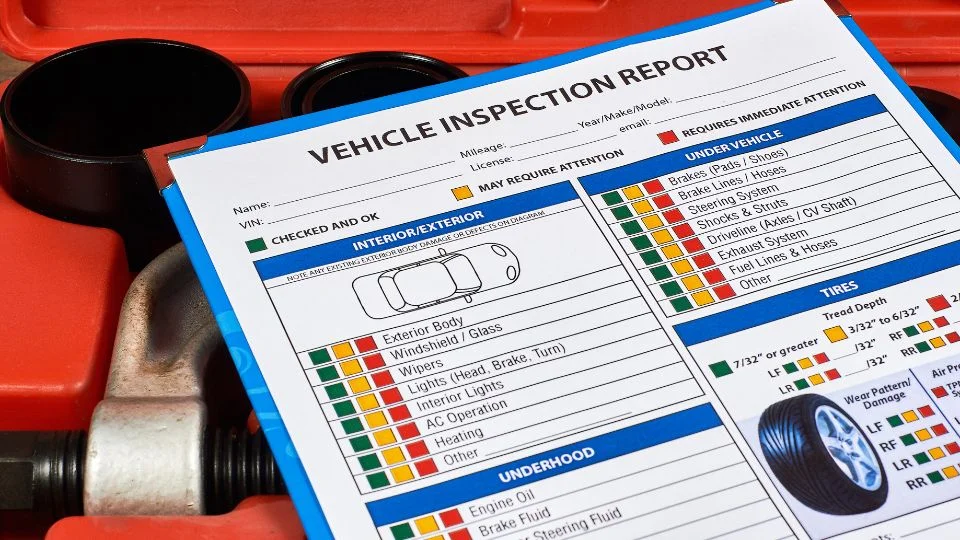
The inspection steps themselves are methodical. For the safety inspection, the technician will conduct a visual and functional check of numerous components. This includes:
- Brakes: Testing their effectiveness.
- Tires: Checking tread depth, condition, and pressure.
- Lights: Verifying all external lights (headlights, taillights, turn signals, brake lights, license plate light) are working correctly and are properly aimed.
- Horn: Ensuring it functions.
- Seatbelts: Checking condition and functionality.
- Mirrors: Ensuring an unobstructed view.
- Windows and Windshield: Checking for cracks, chips, and proper operation of wipers. Texas also has specific regulations on window tinting.
- Exhaust System: Looking for leaks or damage.
- Steering and Suspension: Basic checks for excessive play or wear.
For vehicles requiring an emissions test, the technician will either connect to your vehicle’s On-Board Diagnostics (OBD-II) system (for most 1996 and newer vehicles) or perform a tailpipe test (for certain older models). It’s crucial that your “Check Engine” light is not illuminated, as this will almost certainly result in a failed emissions test.
Upon completion, you will receive an inspection report indicating whether your vehicle passed or failed, along with reasons for any failure. A significant change in Texas in recent years is the transition to a sticker-free system. Instead of receiving a physical inspection sticker for your windshield, successful inspection data is electronically transmitted to the state. Your vehicle’s registration renewal will then verify that a valid inspection has been completed. This streamlined approach makes the process more efficient and reduces clutter on your windshield, a small but welcome detail as you drive towards your next destination.
Tips for a Smooth and Successful Inspection
Preparing your vehicle ahead of time can significantly increase your chances of passing the inspection on the first attempt, saving you time, money, and stress. This proactive approach aligns perfectly with a lifestyle of organized travel and responsible vehicle ownership.
Start with a pre-inspection checklist of basic self-checks. Walk around your vehicle and ensure all lights are working (headlights, high beams, turn signals, brake lights, hazard lights, license plate light). Check your tire pressure and visually inspect tires for adequate tread depth and any obvious damage. Test your horn and make sure your windshield wipers effectively clear water. Verify that all seatbelts latch and unlatch properly. Most importantly, check your dashboard for any illuminated warning lights, especially the “Check Engine” light. If this light is on, it’s highly advisable to diagnose and resolve the issue before your inspection, particularly if you’re in an emissions testing county.
It’s also a good idea to schedule ahead, especially if you’re in a busy urban area like Houston or Austin, or during peak times like the end of the month. This can minimize your waiting time. Keep maintenance records handy; while not usually required for the inspection itself, a history of regular service demonstrates your commitment to vehicle care and can be helpful if any questions arise. Understand your vehicle’s history and common issues specific to its make and model; this knowledge empowers you to address potential problems proactively. Finally, for those planning extensive road trips or extended stays, consider a more thorough pre-travel check-up with a trusted mechanic. This goes beyond the basic inspection requirements, ensuring your vehicle is not just compliant but truly optimized for performance and reliability on long hauls, offering you ultimate peace of mind as you venture across the vast and beautiful landscapes of Texas.
The Larger Picture: Vehicle Inspection and Your Texas Experience
Beyond the technicalities and fees, the Texas vehicle inspection is an integral part of enhancing your overall experience in the state. Whether you’re a permanent resident enjoying local life or a visitor traversing its diverse regions, a safely operating and legally compliant vehicle ensures that your focus remains on the journey and the memories you’re creating, rather than on potential roadside woes or regulatory concerns.
Ensuring Road Trip Readiness Across the Lone Star State
Texas is synonymous with road trips. Its sheer size means that getting from one fascinating point to another often involves significant driving. From exploring the historic streets of San Antonio and its iconic Alamo, to soaking up the sun on the beaches of Galveston, or embarking on an adventurous trek through the rugged, majestic beauty of Big Bend National Park, a safe and reliable vehicle is not just a convenience—it’s a necessity. Your annual vehicle inspection plays a crucial role in ensuring this road trip readiness.
Knowing that your brakes are responsive, your tires have ample tread, and all your lights are functioning correctly provides an unparalleled sense of security, especially when navigating unfamiliar roads or during adverse weather conditions that can occasionally sweep across Texas. Passing your inspection means your vehicle is mechanically sound for the long stretches of highway that connect charming small towns, vibrant cities, and breathtaking natural wonders. It translates into peace of mind, allowing you to fully immerse yourself in the awe-inspiring landscapes, the rich local culture, and the authentic Texas hospitality. Moreover, being compliant helps you avoid potential fines or unexpected delays due to non-compliance, which could disrupt carefully planned itineraries and impact your overall travel enjoyment. The proactive step of ensuring your vehicle passes inspection is a small investment that pays dividends in hassle-free exploration and a seamless journey, turning travel logistics into an assurance of adventure.
Beyond Compliance: Safety, Environment, and Community
While meeting state requirements is a primary motivation for vehicle inspections, it’s beneficial to view this annual ritual as more than just a regulatory hurdle. It’s a proactive contribution to public safety, environmental stewardship, and the overall well-being of the Texas community. Embracing this perspective elevates the inspection from a mere task to a responsible act.
The safety components of the inspection directly reduce the risk of accidents caused by mechanical failures, protecting not only you and your loved ones but also countless other drivers and pedestrians on Texas highways and byways. Every vehicle that passes inspection is one less potential hazard on the road, contributing to a safer driving environment for everyone. Similarly, the emissions inspection is a vital part of environmental stewardship. By ensuring vehicles meet emissions standards, Texas actively works to reduce air pollution, which is crucial for public health, especially in densely populated areas. Cleaner air means a healthier environment for families, cleaner skies for scenic views, and better conditions for enjoying outdoor activities across the state.
Ultimately, participating in vehicle inspections is a demonstration of being a responsible resident or a considerate visitor. It reflects a commitment to the community standards that enhance the quality of life for everyone in Texas. This commitment extends beyond mere legality; it embodies a lifestyle that values safety, respect for the environment, and communal well-being. By taking the time to understand and comply with these requirements, you not only ensure your own mobility and safety but also contribute positively to the collective experience of living in or visiting the magnificent state of Texas.
In conclusion, navigating the world of vehicle inspections in Texas is a straightforward process once you understand the requirements, costs, and benefits. The nominal fees for annual safety and, where applicable, emissions inspections are a small investment towards ensuring your vehicle is safe, compliant, and ready for whatever journey lies ahead. Whether you’re exploring the vibrant urban scenes, embarking on epic road trips to remote natural wonders, or simply commuting through your daily life, a properly inspected vehicle provides essential peace of mind. By taking a proactive approach to vehicle maintenance and preparing for your annual check-up, you not only adhere to state regulations but also prioritize safety, contribute to cleaner air, and ensure that your experiences across the diverse and beautiful Lone Star State are nothing short of spectacular. It’s a small task that yields significant returns in safety, convenience, and pure enjoyment.
LifeOutOfTheBox is a participant in the Amazon Services LLC Associates Program, an affiliate advertising program designed to provide a means for sites to earn advertising fees by advertising and linking to Amazon.com. Amazon, the Amazon logo, AmazonSupply, and the AmazonSupply logo are trademarks of Amazon.com, Inc. or its affiliates. As an Amazon Associate we earn affiliate commissions from qualifying purchases.