
Texas, the second-largest state in the United States, is a land of immense diversity, offering everything from bustling metropolises and historic towns to stunning natural landscapes and serene coastal stretches. For adventurers embarking on a quintessential American road trip, families planning a memorable getaway, or individuals considering a long-term stay or relocation, exploring the vastness of the Lone Star State often involves extensive driving. Whether you’re cruising through the vibrant streets of Austin, delving into the rich history of San Antonio, experiencing the dynamic culture of Houston, or exploring the urban sophistication of Dallas and Fort Worth, your vehicle is your key to unlocking these unforgettable experiences.
Ensuring your vehicle is in top condition and compliant with local regulations is paramount for a seamless and stress-free Texas adventure. Among these regulations, understanding the vehicle inspection process and its associated costs is a crucial piece of information, particularly for those planning extended travel, considering new accommodation options, or moving to the state. While the concept of an “inspection sticker” might sound simple, Texas transitioned to a paperless system several years ago, integrating the inspection verification directly into the vehicle registration process. This guide aims to demystify the cost of a Texas vehicle inspection, explain the process, and provide essential insights for travelers and new residents alike, ensuring your journey through this magnificent state is both enjoyable and compliant.
Navigating Vehicle Inspections in the Lone Star State: What Travelers Need to Know
For anyone traversing the expansive roads of Texas, the topic of vehicle inspections might initially seem like a technical detail. However, for those passionate about travel, tourism, and experiencing a destination fully, understanding these requirements is a practical necessity that directly impacts your ability to explore safely and legally. The state’s vehicle inspection program serves two primary purposes: enhancing road safety by ensuring vehicles meet minimum operational standards, and protecting environmental quality by verifying emission control systems are functioning correctly.
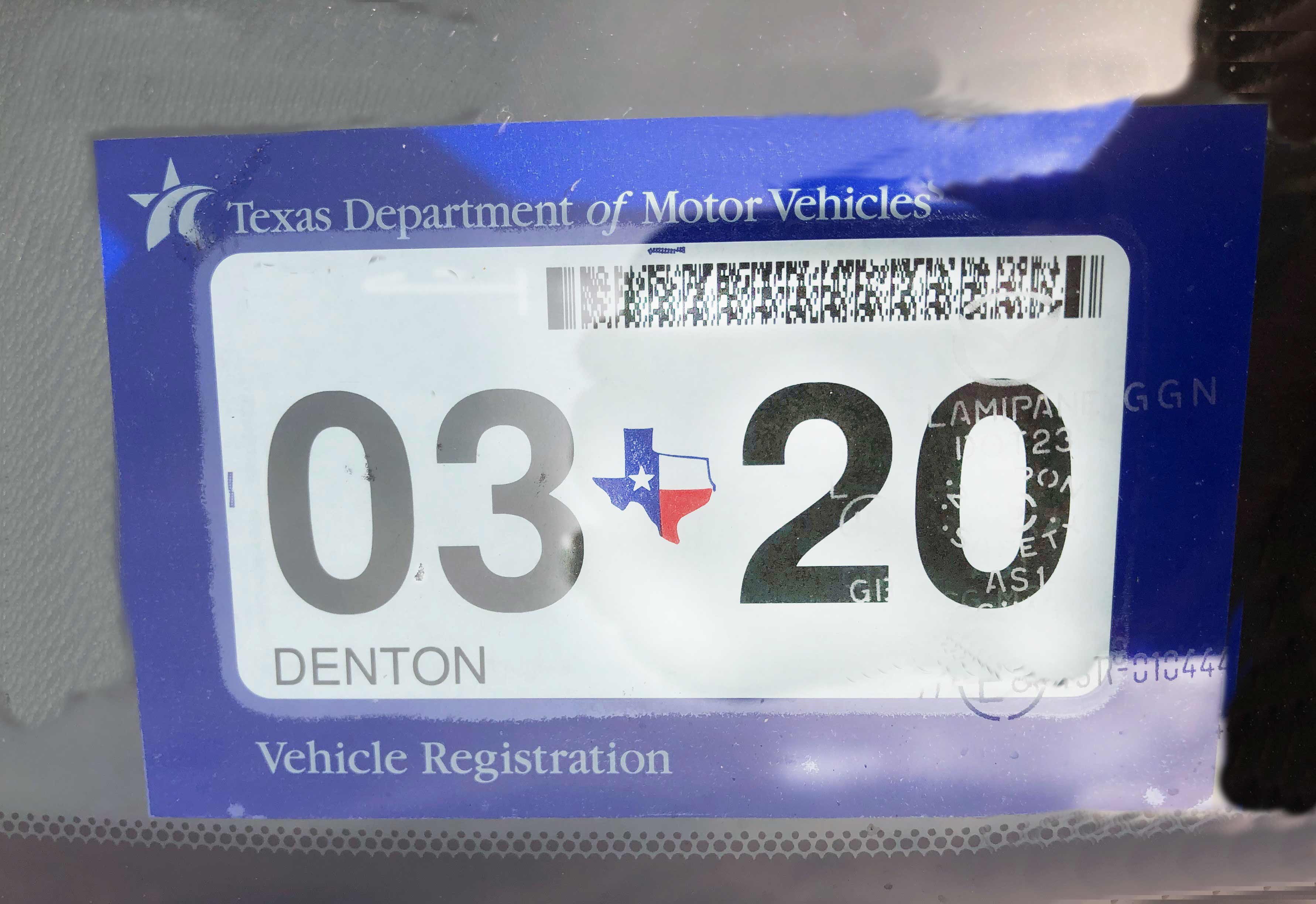
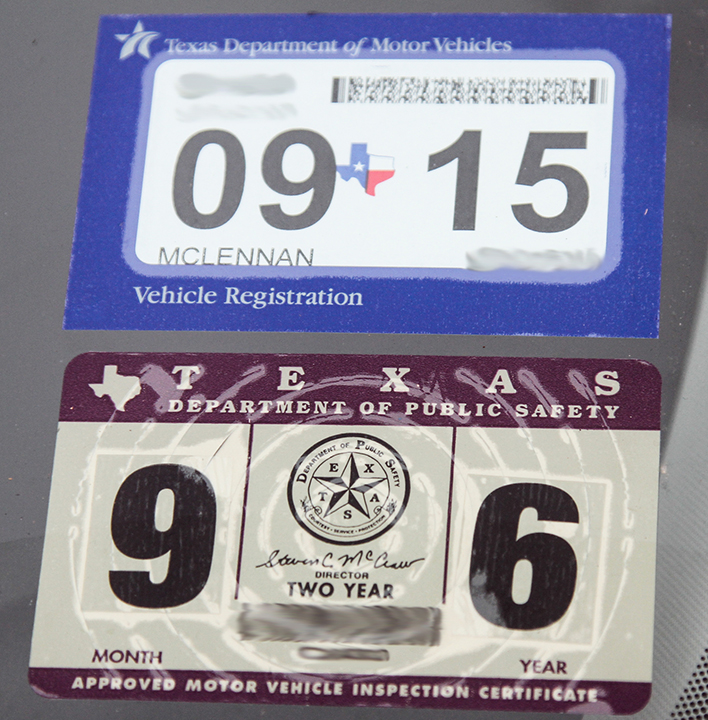
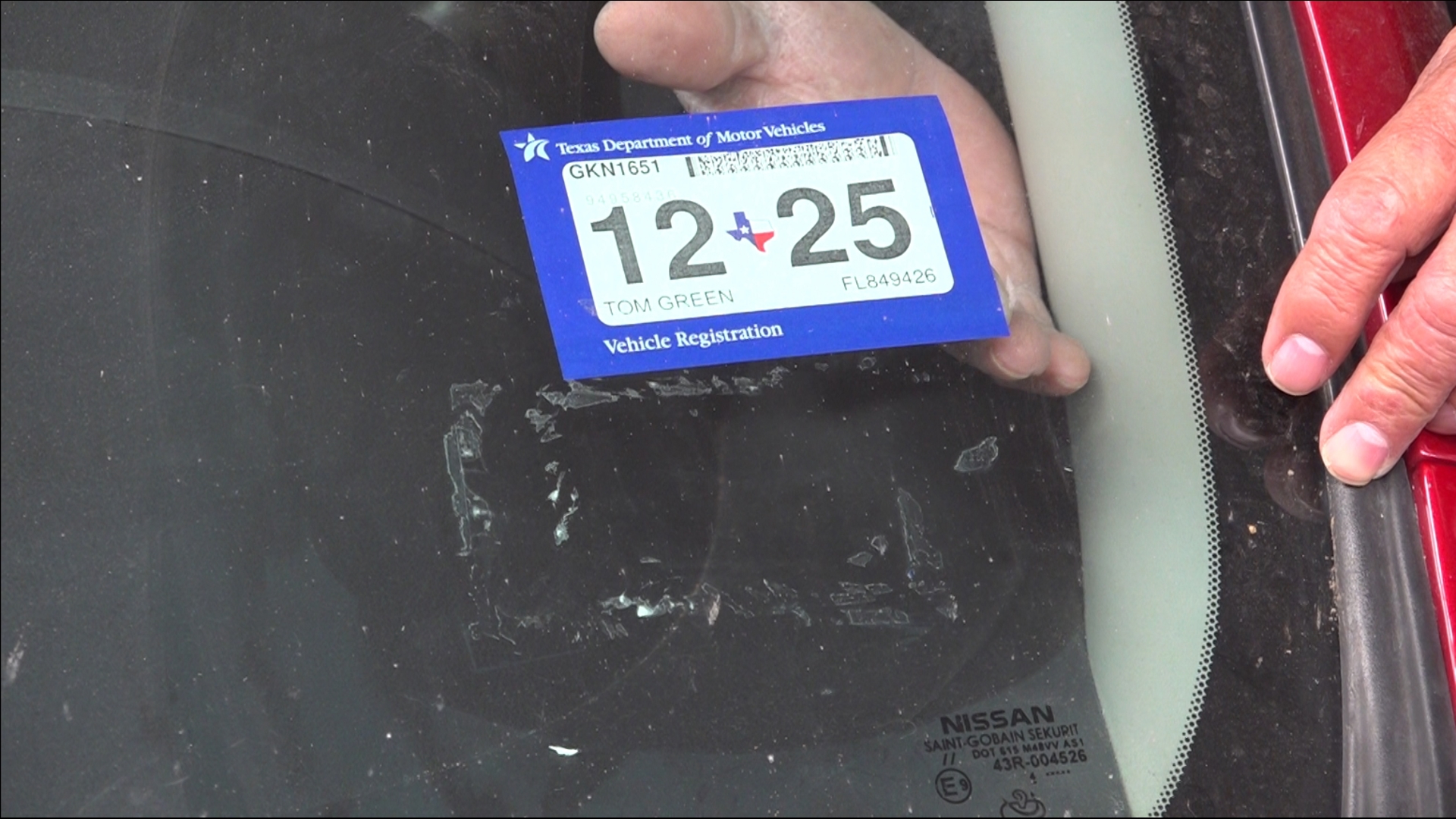
For out-of-state visitors, especially those on extended road trips or contemplating a move, knowing the local vehicle laws can save time, money, and potential headaches. While your home state’s registration is valid for typical tourist visits, if your plans involve establishing residency, enrolling in a long-term accommodation (like an apartment or rental villa), or even considering a stay for several months, you’ll need to understand the Texas system. The key takeaway for travelers is that the old physical inspection sticker is a thing of the past. Since March 1, 2015, Texas has implemented a “Two Steps, One Sticker” program, where the vehicle inspection and registration are linked. This means you must pass a vehicle inspection before you can renew your vehicle registration, and proof of inspection is verified electronically. There is no physical sticker to display on your windshield for passing the inspection itself; the only sticker you receive is your registration sticker. This digital integration simplifies the process but underscores the importance of the inspection as a prerequisite.
Understanding the Two-Part System: Safety and Emissions
The Texas vehicle inspection is comprehensive, typically comprising two main components: a safety inspection and, in certain areas, an emissions test. Both are critical for ensuring your vehicle is fit for the road and environmentally responsible, contributing to the overall lifestyle quality and safety of communities across the state.
The safety inspection is mandatory for all vehicles registered in Texas (with some specific exemptions like new vehicles under two years old). This detailed check ensures that your vehicle’s fundamental components are in good working order, minimizing the risk of accidents. Inspectors will typically examine:
- Brakes: Including service brakes and emergency brakes, checking for adequate stopping power and wear.
- Lights: Headlights (high and low beam), taillights, brake lights, turn signals, and license plate lights must all be functional and correctly aligned.
- Tires: Tread depth, condition, and proper inflation are checked to ensure safe traction and handling.
- Horn: Must be in working order and audible from a certain distance.
- Windshield Wipers: Essential for clear visibility during adverse weather conditions.
- Mirrors: Rearview and side mirrors must be present and provide adequate visibility.
- Steering and Suspension: Checked for excessive play or wear that could compromise control.
- Seat Belts: All required seat belts must be present and fully functional.
- Window Tint: Must meet legal specifications to ensure visibility.
- Exhaust System: Checked for leaks and proper functioning.
- Vehicle Identification Number (VIN): Verified against registration documents.
The emissions test is an additional requirement for vehicles primarily operated in certain densely populated metropolitan areas to combat air pollution. These areas are designated as non-attainment or near non-attainment for federal air quality standards. For travelers planning routes through or residing in these regions, understanding this requirement is vital. The counties currently requiring emissions testing include:
- Brazoria County (part of the Houston metropolitan area)
- Collin County (part of the Dallas-Fort Worth metropolitan area)
- Dallas County (part of the Dallas-Fort Worth metropolitan area)
- Denton County (part of the Dallas-Fort Worth metropolitan area)
- El Paso County
- Ellis County (part of the Dallas-Fort Worth metropolitan area)
- Fort Bend County (part of the Houston metropolitan area)
- Galveston County (part of the Houston metropolitan area)
- Harris County (part of the Houston metropolitan area)
- Johnson County (part of the Dallas-Fort Worth metropolitan area)
- Kaufman County (part of the Dallas-Fort Worth metropolitan area)
- Montgomery County (part of the Houston metropolitan area)
- Parker County (part of the Dallas-Fort Worth metropolitan area)
- Rockwall County (part of the Dallas-Fort Worth metropolitan area)
- Travis County (part of the Austin metropolitan area)
- Williamson County (part of the Austin metropolitan area)
The emissions test primarily involves connecting to your vehicle’s On-Board Diagnostics (OBD-II) system (for vehicles manufactured in 1996 or later) to check for malfunction indicator lights (“check engine” light) and to read emission-related codes. Vehicles manufactured between 1975 and 1995 in these counties may undergo a different type of emissions test. Certain vehicles are exempt from emissions testing, including new vehicles less than two years old, diesel-powered vehicles, motorcycles, and vehicles 25 years old or older.
Breaking Down the Cost: How Much is an Inspection in Texas?
Understanding the precise cost of a vehicle inspection in Texas is a fundamental aspect of budgeting for your travel or relocation expenses. The cost is standardized for the state-mandated fees, but the final price you pay can vary slightly depending on the inspection station’s service charges and whether your vehicle requires an emissions test.
The state-mandated fees for a vehicle inspection are as follows:
- Safety Inspection (only): Approximately $7.00. This applies to vehicles in counties that do not require an emissions test.
- Safety Inspection + Emissions Test: Approximately $18.50. This applies to vehicles in the 17 counties listed above that require both tests. This breaks down to about $7.00 for safety and $11.50 for emissions.
It’s crucial to note that these figures represent the state portion of the inspection fee. Licensed inspection stations are also permitted to charge an additional labor fee for conducting the inspection. This labor fee typically ranges from $15.00 to $25.00, depending on the station.
Therefore, the total cost you can expect to pay for a Texas vehicle inspection will generally fall within these ranges:
- For vehicles only requiring a safety inspection (most counties): Roughly $22.00 to $32.00 (State fee $7.00 + Station labor fee $15.00-$25.00).
- For vehicles requiring both a safety and emissions inspection (17 specific counties): Roughly $33.50 to $43.50 (State fee $18.50 + Station labor fee $15.00-$25.00).
These costs are relatively modest when compared to the peace of mind that comes with knowing your vehicle is safe and compliant. For travelers, factoring this small expense into your travel budget is essential, especially if you anticipate a long-term stay or are planning on purchasing a vehicle within the state.
Practical Considerations for Texas Road Trips and Relocation
Whether you’re embarking on an epic Texas road trip or planning a permanent move, navigating the nuances of vehicle inspections is a key part of your preparation. For those seeking unique experiences and diverse attractions, a reliable vehicle is indispensable.
Planning Your Texas Adventure: Ensuring Vehicle Readiness
For visitors planning extensive travel through the Lone Star State, ensuring your vehicle is road-ready long before you cross state lines is paramount. While an out-of-state vehicle does not require a Texas inspection for general tourism purposes, preventive maintenance is always a good idea. Before hitting the road, consider a thorough check of your vehicle’s brakes, tires, lights, and fluid levels. This proactive approach not only aligns with the spirit of safety inspections but also minimizes the risk of breakdowns in unfamiliar territories, potentially saving you from costly repairs and disrupting your carefully planned itinerary, which might include stays at various hotels or resorts.
If your travel plans are more open-ended and involve an extended stay – perhaps a seasonal escape to the Gulf Coast or a multi-month work assignment in Houston – you might find yourself needing to get a Texas inspection sooner than anticipated if you decide to establish temporary residency or purchase a vehicle locally. Finding an inspection station is usually straightforward; most automotive service centers, dealerships, and even some quick-lube shops are licensed to perform inspections. You can typically locate certified stations through the Texas Department of Public Safety website or by simply searching online for “vehicle inspection near me” in your specific Texas location.
A critical point to remember is what happens if your vehicle fails the inspection. If a vehicle does not pass, you will receive a failed inspection report detailing the reasons. You then have a grace period (typically 15 days) to get the necessary repairs made and have the vehicle re-inspected. Many stations offer a free re-inspection within this period if the repairs are done at the same location, or if you return with proof of repair within the designated timeframe. This situation highlights the importance of keeping your vehicle well-maintained to avoid any delays in your travel plans or complications with vehicle registration.
Moving to Texas? What New Residents Need to Know
For those embracing a new chapter and moving to Texas, understanding the vehicle inspection process is one of the foundational steps in establishing your new lifestyle. Within 30 days of establishing residency, you are required to register your vehicle in Texas. Before you can do this, your vehicle must pass a Texas safety inspection and, if applicable, an emissions test.
The process for new residents is a critical “first step” before you can obtain your Texas license plates and registration sticker. You will need to bring proof of insurance and your vehicle’s existing registration and title information to the inspection station. Once your vehicle passes the inspection, the results are electronically transmitted to the state. You will then take your passing inspection report, along with your title, proof of insurance, and other required documents, to your local county tax assessor-collector’s office to complete the registration and titling process. This streamlined, digital system ensures that all vehicles on Texas roads meet state standards, contributing to the safety and environmental integrity of your new home.
Beyond the Sticker: Road Safety and Enjoying Texas Travel
While the “sticker” (or lack thereof, in the digital era) is a specific requirement, the underlying principle of vehicle inspection is road safety, which is paramount for any successful travel or lifestyle experience. Texas offers an incredible array of destinations, from the vibrant arts scene of Marfa to the natural wonders of Big Bend National Park, and the historical landmarks of San Antonio. Exploring these magnificent places often requires significant driving, making a well-maintained vehicle not just a regulatory necessity but a practical imperative for comfort and reliability.
Regular vehicle maintenance, beyond just the annual inspection, contributes significantly to your overall travel enjoyment. Ensuring your tires are properly inflated, checking your oil and other fluids, and addressing any unusual noises or warning lights proactively will help prevent unexpected breakdowns that can derail your trip, whether you’re staying in a cozy boutique hotel or a sprawling resort. Embracing a proactive approach to vehicle care aligns perfectly with the spirit of intelligent travel and a responsible lifestyle, allowing you to focus on the discovery and enjoyment of Texas’s unique charm.
In conclusion, while the physical inspection sticker has been replaced by a digital verification system, the requirement for a valid vehicle inspection in Texas remains a critical component of vehicle ownership and operation. The costs are relatively low, ranging from approximately $22 to $45, depending on your location and the services required. For anyone exploring the extensive and diverse attractions of the Lone Star State, whether for a fleeting visit or a permanent relocation, understanding and adhering to these regulations ensures not only legal compliance but also a safer, more reliable, and ultimately more enjoyable journey through one of America’s most captivating states. So, get your vehicle checked, plan your route, and prepare to immerse yourself in the unforgettable Texas experience.
LifeOutOfTheBox is a participant in the Amazon Services LLC Associates Program, an affiliate advertising program designed to provide a means for sites to earn advertising fees by advertising and linking to Amazon.com. Amazon, the Amazon logo, AmazonSupply, and the AmazonSupply logo are trademarks of Amazon.com, Inc. or its affiliates. As an Amazon Associate we earn affiliate commissions from qualifying purchases.