
When planning a trip, considering a relocation, or even just exploring potential business opportunities, one of the most fundamental questions often revolves around the local tax structure. For those eyeing the Magnolia State, a common query arises: Does Mississippi have a state tax? The straightforward answer is yes, Mississippi does indeed have a state income tax, alongside various other taxes that impact residents, visitors, and businesses alike. Understanding these financial nuances is crucial for budgeting effectively, whether you’re planning a luxurious Gulf Coast escape, a historical tour through Vicksburg National Military Park, or contemplating a long-term stay in Jackson.
This comprehensive guide will delve into the specifics of Mississippi’s tax landscape, explaining the various types of taxes, their implications, and how they might affect your travel plans, accommodation choices, and overall lifestyle within the state. From individual income tax brackets to the sales tax you’ll encounter on souvenirs and meals, and the lodging taxes added to your hotel bill, we’ll cover what you need to know to navigate the financial aspects of experiencing Mississippi.
Understanding Mississippi’s Income Tax Landscape
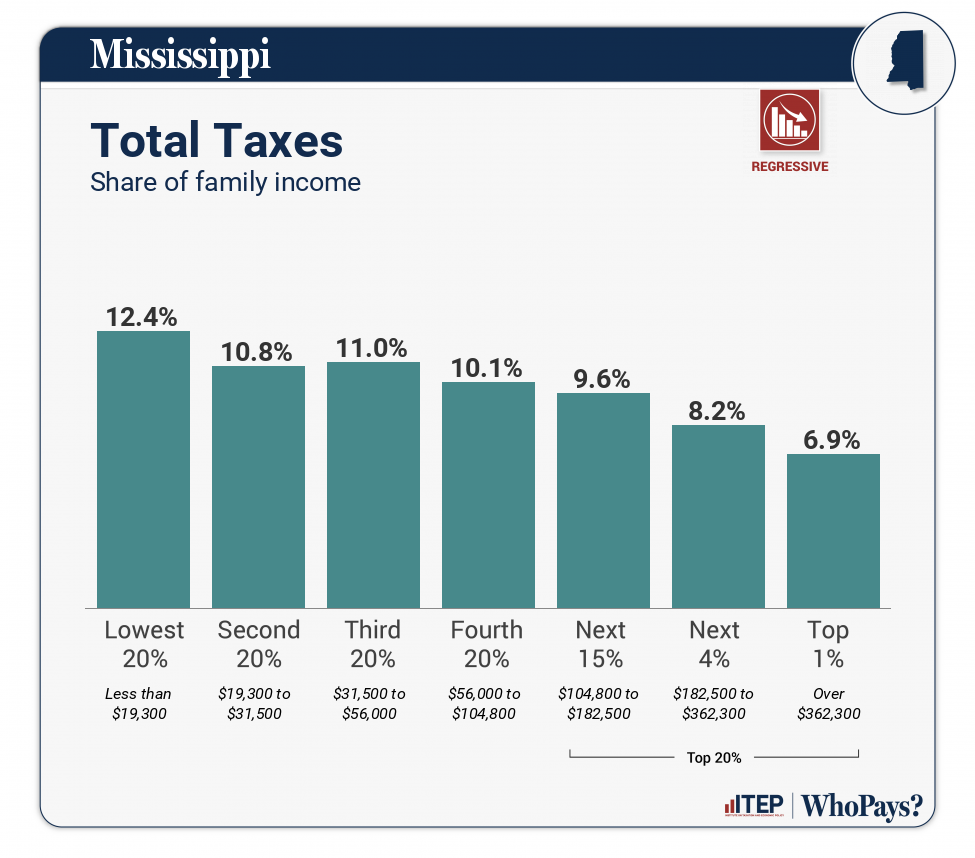
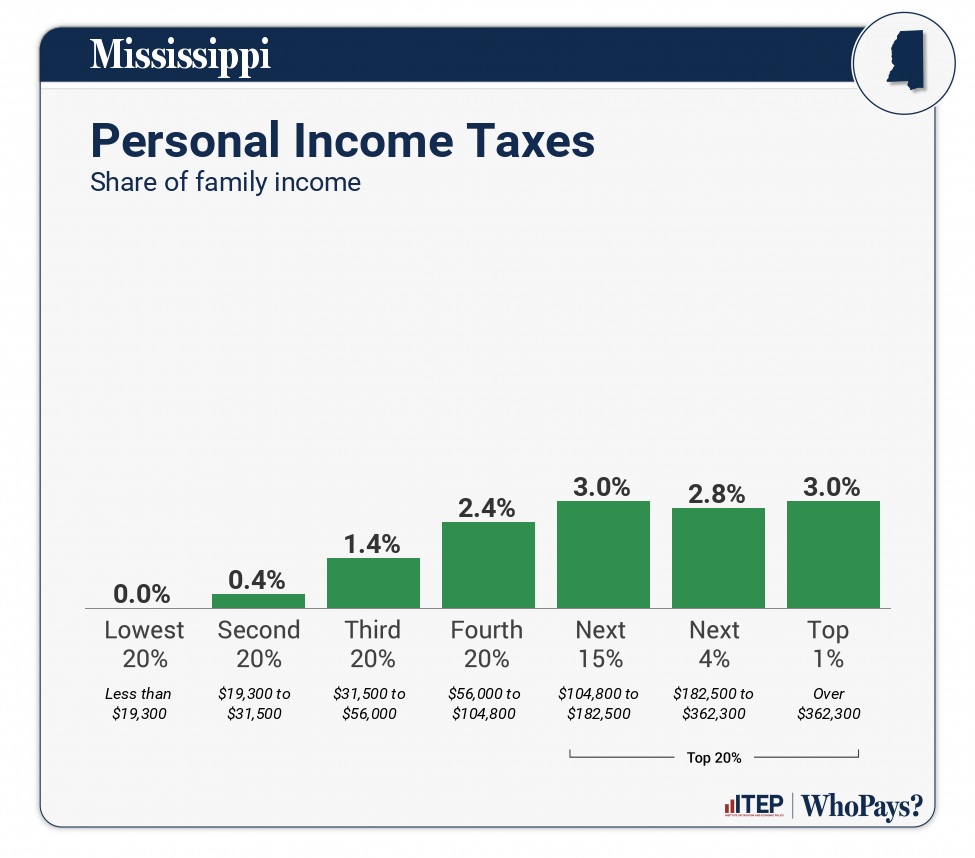
For individuals living or earning income in Mississippi, the state income tax is a significant component of their financial obligations. Unlike some states in the United States that forego income tax entirely, Mississippi levies a progressive income tax on both residents and non-residents who derive income from sources within the state. This means that as your taxable income increases, you may fall into higher tax brackets, although the tax rate only applies to the portion of income within that bracket.
The Basics of Individual Income Tax in Mississippi
The State of Mississippi assesses individual income tax based on a tiered system. As of recent updates, the tax structure is designed to apply different rates to different income levels, aiming for a generally fair distribution of the tax burden. For instance, the lowest income bracket might be taxed at a relatively low rate, while higher income earners face a higher marginal rate on their top earnings. It’s important to consult the most current tax laws published by the Mississippi Department of Revenue for the precise rates and brackets, as these can be subject to legislative changes.
Typically, the income tax applies to wages, salaries, business profits, and certain other forms of income earned by individuals. For travelers who might engage in temporary work or generate income during their stay, understanding these regulations is crucial. Even for those enjoying a leisurely vacation, knowing that their permanent move or extended stay could bring them into this tax system helps in long-term financial planning for a desirable lifestyle in the region.
Navigating Exemptions and Deductions
To alleviate the tax burden on individuals and families, Mississippi offers various exemptions and deductions that can reduce one’s taxable income. These provisions are particularly important for ensuring that the tax system is equitable and considers individual circumstances.
- Personal Exemptions: Taxpayers can claim personal exemptions for themselves, their spouses, and dependents. These exemptions subtract a fixed amount from their gross income before calculating the tax. The value of these exemptions can significantly reduce the overall tax liability, especially for larger families or those managing multiple dependents.
- Standard Deduction: Similar to the federal tax system, Mississippi allows taxpayers to choose between a standard deduction or itemized deductions. The standard deduction is a set amount that can be subtracted from your income, simplifying the tax filing process for many. It’s often the preferred choice for those whose itemizable expenses don’t exceed the standard amount.
- Itemized Deductions: For taxpayers with significant deductible expenses, itemizing can be more beneficial. Common itemized deductions might include medical expenses, certain taxes paid, and charitable contributions. The ability to itemize allows individuals to tailor their tax strategy to their specific financial situation, potentially leading to greater tax savings. Understanding these deductions is key for anyone considering making Mississippi their home, as they directly impact the disposable income available for travel, leisure, or investing in local accommodations.
Who is Subject to Mississippi’s Income Tax?
The reach of Mississippi’s income tax extends to various categories of individuals, not just full-time residents.
- Residents: If you are a legal resident of Mississippi, all of your income, regardless of where it was earned, is generally subject to Mississippi state income tax, unless specifically exempted.
- Non-Residents: Non-residents who earn income from sources within Mississippi are also subject to the state’s income tax on that Mississippi-sourced income. This could apply to individuals who work temporarily in the state, have rental properties, or conduct business operations there.
- Part-Year Residents: Individuals who move into or out of Mississippi during the tax year are considered part-year residents. They are typically taxed on income earned while they were a resident of Mississippi and on Mississippi-sourced income earned during the non-resident portion of the year.
For digital nomads, remote workers considering a change of scenery, or those planning extended stays for medical reasons or family visits, understanding these residency rules is vital for proper tax planning and avoiding unexpected liabilities. It helps in assessing the true cost of living and enjoying the diverse experiences Mississippi offers, from exploring the Natchez Trace Parkway to experiencing the vibrant culture of Clarksdale.
Sales, Property, and Tourism-Related Taxes: What Visitors and Residents Need to Know
Beyond income tax, several other tax categories significantly impact the cost of living and visiting Mississippi. These include sales tax, property tax, and specific taxes that directly affect the tourism and accommodation sectors. For anyone planning travel or considering investing in property, these are crucial considerations.
The Impact of Sales Tax on Your Mississippi Experience
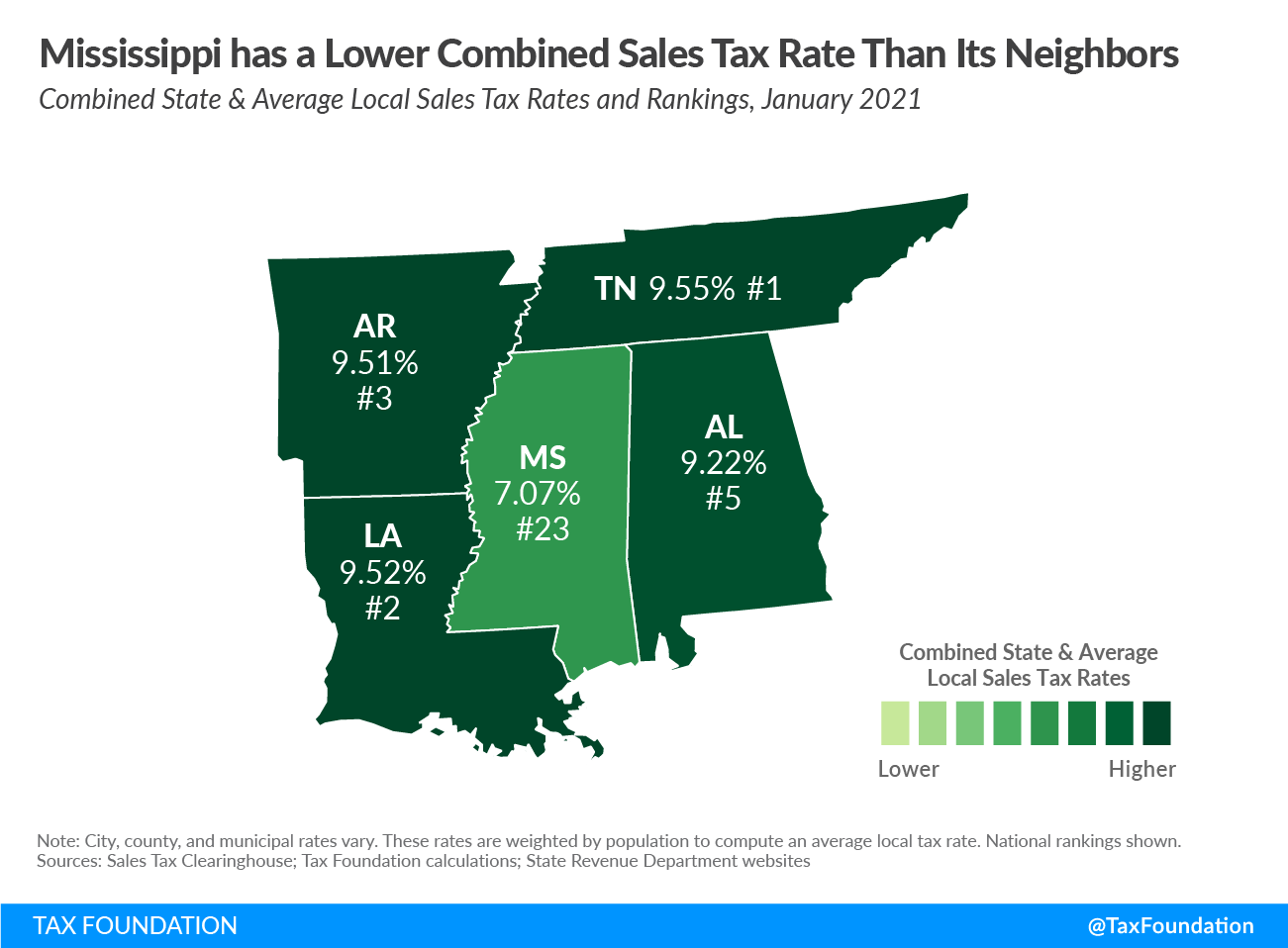
Sales tax is perhaps the most commonly encountered tax for both residents and tourists in Mississippi. It’s levied on the sale of most tangible personal property and certain services.
- State Sales Tax Rate: Mississippi has a statewide sales tax rate that applies uniformly across the state. This rate is added to the purchase price of eligible goods and services, meaning that the price you see on a tag before tax will be slightly less than the final amount you pay at the register.
- Local Sales Tax Additions: While there’s a statewide rate, some cities or counties may impose additional local sales taxes, often for specific purposes like funding local infrastructure or tourism initiatives. This means that the total sales tax rate can vary slightly depending on where you are in Mississippi. For instance, shopping in Biloxi or Tunica might include these additional local levies.
- What’s Taxed and What’s Exempt: Most retail sales of goods, including clothing, electronics, and souvenirs, are subject to sales tax. Services like restaurant meals are also typically taxed. However, there are often exemptions for certain necessities, such as prescription drugs and some groceries, though the rules can be complex. For travelers, this means budgeting an extra percentage for every meal out, every souvenir purchased, and every local craft discovered along the Mississippi Blues Trail. This impacts the overall budget for travel and lifestyle expenses.
Demystifying Property Taxes in Mississippi
Unlike income and sales taxes which have significant state-level components, property taxes in Mississippi are primarily administered and collected at the local level. This means that while the state sets some guidelines, the specific rates and assessments are determined by county and municipal governments.
- Local Assessment, Not State: Property taxes are levied on real estate, including residential homes, commercial properties, and land. The revenue generated from property taxes typically funds local services such as public schools, police and fire departments, and local infrastructure projects. Therefore, if you own property in Jackson, Pascagoula, or Tupelo, your property tax bill will come from your county or city, not the State of Mississippi.
- Homestead Exemption: Mississippi offers a significant benefit for homeowners: the homestead exemption. This exemption reduces the taxable value of a primary residence for qualified homeowners, potentially lowering their property tax bill. It’s a key consideration for anyone looking to purchase a home or invest in long-term accommodation within the state, directly influencing the affordability and appeal of residency. This can make owning a home in Mississippi more attractive compared to states with higher property tax burdens, enhancing the lifestyle for permanent residents.
- Implications for Accommodation and Long-Term Stays: While tourists won’t directly pay property taxes, these taxes indirectly influence the cost of accommodation. Property owners, including hotels, resorts, and rental property landlords, factor their property tax expenses into their pricing. Thus, understanding this local tax structure is essential for anyone considering investing in real estate for vacation rentals or extended stays.
Specific Taxes for Travelers: Lodging and Rental Cars
For those visiting Mississippi for tourism or business, certain taxes are specifically geared towards the travel and accommodation sectors, directly impacting the cost of their trip.
- Hotel and Lodging Taxes: When you book a hotel room, a suite, a resort, or even a vacation rental in Mississippi, you’ll almost certainly encounter a lodging tax. These taxes are typically a percentage of the room rate and are imposed by both the state and, often, by local municipalities or tourism commissions. The revenue generated frequently supports local tourism promotion, convention centers, and other initiatives designed to attract more visitors. For example, staying at a luxury property like the Beau Rivage Resort & Casino in Biloxi or a comfortable Wyndham Garden Hotel elsewhere will incur these additional charges. These taxes are a critical component of budgeting for any trip, whether it’s a short weekend getaway or an extended business stay.
- Rental Car Taxes: If your travel plans include renting a car to explore the historical sites of Vicksburg or the music heritage of Tupelo (home to the Elvis Presley Birthplace and Museum), be prepared for additional taxes on your rental agreement. These can include a state rental car tax and possibly local surcharges. These taxes, much like lodging taxes, contribute to state and local revenue and are an important line item for travelers to consider when calculating their total travel expenses.
These tourism-specific taxes are a common feature in many popular destinations and are integral to funding the infrastructure and marketing efforts that make places like Mississippi attractive to visitors. Knowing about them in advance ensures a more accurate travel budget and a smoother experience without unexpected costs.
Beyond the Essentials: Other Taxes and Business Considerations
While income, sales, and property taxes are the most prominent, Mississippi also levies other taxes that impact daily life and business operations within the state. Understanding these helps paint a complete picture of the state’s fiscal environment.
Everyday Expenditures: Fuel, Tobacco, and Alcohol Taxes
For both residents and visitors, several specific consumption taxes can affect daily spending.
- Gasoline Tax: A state tax is applied to each gallon of gasoline and diesel fuel sold in Mississippi. This revenue primarily funds the construction and maintenance of state roads and highways, which are essential for travel and tourism throughout the state. While the individual impact of this tax per fill-up might seem small, it adds up over long road trips across the Mississippi River region.
- Tobacco Tax: Mississippi imposes excise taxes on tobacco products, including cigarettes and other tobacco items. These taxes are generally aimed at discouraging tobacco use and generating revenue, often for public health initiatives.
- Alcoholic Beverage Tax: Similar to tobacco, alcoholic beverages are subject to state excise taxes. The specific rates can vary depending on the type of alcohol (beer, wine, spirits) and contribute to state revenue, often earmarked for specific programs or the general fund. For tourists enjoying Mississippi’s culinary scene or entertainment venues, these taxes are built into the price of beverages.
These specific taxes might not be at the forefront of a traveler’s mind but are part of the broader financial ecosystem that supports public services and amenities across the state, contributing to the overall quality of life and visitor experience.
Business Taxation: A Glimpse for Entrepreneurs and Investors
For those considering business ventures or investments in Mississippi, understanding the corporate tax structure is paramount. The state aims to balance revenue generation with creating an attractive environment for businesses to thrive.
- Corporate Income Tax: Mississippi levies a corporate income tax on the net income of corporations doing business within the state. Similar to individual income tax, this often involves a tiered rate structure. This is a critical consideration for any company looking to establish a presence, expand operations, or even send employees for extended business stays in cities like Jackson.
- Franchise Tax: In addition to corporate income tax, Mississippi also imposes a franchise tax on corporations for the privilege of doing business in the state. This tax is typically based on the capital employed in Mississippi.
- Other Business-Related Taxes: Depending on the industry and type of business, other taxes may apply, such as unemployment insurance taxes, workers’ compensation, and various licenses and permits. For entrepreneurs and businesses considering the economic landscape, these taxes contribute to the overall cost of doing business but are often offset by other state incentives or the benefits of the local market. The state’s economic development efforts often highlight specific advantages, which can be an important factor for companies looking to establish new hotels, tourism businesses, or other enterprises.
Strategic Tax Planning and Mississippi’s Economic Appeal
Understanding Mississippi’s tax framework isn’t just about compliance; it’s about strategic planning that can enhance one’s lifestyle, whether as a resident, retiree, or frequent traveler. The state’s tax policies often play a role in its appeal as a destination for various demographics.
Tax Advantages for Retirees and Long-Term Stays
Mississippi has long been considered a tax-friendly state for retirees, a factor that significantly enhances its appeal for those seeking a tranquil and affordable lifestyle in their golden years.
- Pension and IRA Exemptions: A major draw for retirees is that Mississippi exempts most retirement income from state income tax. This includes income from private and public pensions, government retirement plans, and often, distributions from IRAs and 401(k)s. This exemption can result in substantial savings for retirees, making their retirement income go further compared to states that fully tax these types of income.
- Overall Affordability: Coupled with relatively lower property taxes (especially with the homestead exemption) and a generally lower cost of living compared to many other United States regions, Mississippi’s tax structure makes it an attractive option for retirees looking for a comfortable and budget-friendly place to settle down. This favorable tax environment for retirees directly influences the lifestyle category of Budget Travel and Long-term Stay considerations, as more disposable income means more opportunities to enjoy Mississippi’s attractions and culture.
How Mississippi’s Tax Structure Compares
Comparing Mississippi’s tax system to other states often reveals its unique position. While it has a state income tax, its rates are generally competitive, and the exemptions for retirement income are particularly attractive.
- Neighboring States: When compared to states like Alabama or Arkansas, Mississippi’s overall tax burden for certain income levels or specific groups (like retirees) can be quite favorable. However, states like Florida or Texas have no state income tax, which can be a draw for high-income earners, but these states often compensate with higher property taxes or sales taxes.
- National Average: On a national scale, Mississippi often ranks as one of the states with a lower overall tax burden, especially when considering the average resident. This general affordability, influenced by tax policies, enhances its appeal for both tourism and relocation, impacting decisions related to Travel, Accommodation, and Lifestyle. The ability to potentially stretch one’s budget further allows for more enriching travel experiences, perhaps staying at a higher-rated hotel like an IP Casino Resort Spa or a Hard Rock Hotel & Casino Biloxi, or extending a trip to visit more landmarks.
Practical Tips for Navigating Mississippi’s Tax System
Whether you’re a potential resident, an entrepreneur, or a frequent visitor, navigating any state’s tax system requires diligence.
- Seek Professional Advice: For complex tax situations, especially concerning business operations, investments, or significant life changes like retirement or relocation, consulting a tax professional specializing in Mississippi tax law is highly recommended. This ensures compliance and helps optimize your financial strategy.
- Stay Informed: Tax laws are subject to change. Regularly checking the Mississippi Department of Revenue website or reputable financial news sources will help you stay updated on any new legislation or adjustments to tax rates, exemptions, or deductions.
- Budgeting for Travel: For tourists, remember to factor in sales tax on purchases and meals, as well as lodging and rental car taxes, into your overall travel budget. These can add a significant percentage to your expenses, especially if you opt for luxury travel experiences at places like MGM Resorts International’s offerings or Golden Nugget Biloxi properties. Accounting for these taxes ensures that your experience, from booking accommodation to enjoying local attractions, remains stress-free and within your financial comfort zone.
In conclusion, yes, Mississippi does have a state income tax, along with a comprehensive system of sales, property, and specific consumption taxes. However, understanding this system reveals a state that strives for a balanced approach, offering various exemptions and a generally favorable environment for retirees and those seeking a lower cost of living. For travelers, while taxes add to the cost of a trip, they contribute to the maintenance of the state’s infrastructure and the promotion of its vibrant tourism industry. By being informed, visitors and prospective residents can confidently plan their finances and fully enjoy all the unique charm and experiences that Mississippi has to offer.
LifeOutOfTheBox is a participant in the Amazon Services LLC Associates Program, an affiliate advertising program designed to provide a means for sites to earn advertising fees by advertising and linking to Amazon.com. Amazon, the Amazon logo, AmazonSupply, and the AmazonSupply logo are trademarks of Amazon.com, Inc. or its affiliates. As an Amazon Associate we earn affiliate commissions from qualifying purchases.