
Embarking on a career in education in the Lone Star State is a rewarding journey, offering opportunities to shape future generations amidst a vibrant cultural landscape. Texas, known for its diverse economy, rich history, and sprawling geography, is a magnet for professionals seeking new beginnings. For aspiring educators, navigating the pathway to teacher certification can seem daunting, but with the right guidance, it’s an achievable goal that opens doors to a fulfilling life and career. This comprehensive guide will walk you through the process of obtaining your teacher certification in Texas, intertwining practical steps with insights into the lifestyle, travel, and accommodation aspects that make living and working in this dynamic state such a unique experience.
As you consider teaching in Texas, you’re not just planning a career; you’re planning a life. The state offers an incredible array of experiences, from the bustling metropolitan hubs of Houston, Dallas, and Austin, to the historic charm of San Antonio and the rugged beauty of Big Bend National Park. Understanding the certification process is the first step, but envisioning your life in Texas – the communities you might join, the attractions you’ll explore, and the lifestyle you’ll embrace – makes the journey even more exciting. Whether you’re relocating from another state or beginning your educational career within Texas, this guide will serve as your compass.
Navigating the Lone Star State: Your Journey to Becoming a Texas Educator
The decision to become a teacher in Texas is often driven by a passion for education and a desire to contribute to a growing, diverse population. Beyond the classroom, Texas offers an exceptional quality of life, with relatively affordable living costs compared to other major states in the United States, a robust job market, and endless recreational opportunities. This blend of professional opportunity and lifestyle appeal makes Texas an attractive destination for new and experienced educators alike.
Why Texas? A State of Opportunity and Adventure
Texas’s booming economy and rapid population growth translate into a consistent demand for skilled educators across various subjects and grade levels. School districts, ranging from massive urban systems like Houston Independent School District and Dallas Independent School District to smaller, tight-knit rural communities, are constantly seeking dedicated teachers. This variety means you can find a teaching environment that perfectly aligns with your preferences and career goals.
But the appeal of Texas extends far beyond its educational job market. For those interested in Travel and Tourism, Texas is a treasure trove. Imagine weekends exploring the vibrant music scene and culinary delights of Austin, the historic missions of San Antonio including the iconic Alamo and the famous San Antonio River Walk, or the world-class museums and entertainment venues in Dallas and Houston. Space enthusiasts can even visit the NASA Johnson Space Center in Houston. The diverse landscapes, from Gulf Coast beaches to desert mountains, provide endless opportunities for outdoor adventures, appealing to every Lifestyle from budget travelers to those seeking luxury experiences.
First Steps: Eligibility and Choosing Your Path
Before diving into certification programs, it’s crucial to understand the basic eligibility requirements set by the Texas Education Agency (TEA). Generally, prospective teachers must hold a bachelor’s degree from an accredited institution. While many pathways exist, a minimum GPA (often 2.5 or higher) is typically required, though some programs may consider a GPA in your last 60 hours of coursework or specific subject areas.
Your initial decision will involve identifying which subject areas and grade levels you wish to teach. Texas offers certifications across a wide spectrum, from early childhood education to secondary subjects like mathematics, science, English language arts, and social studies, as well as special education and career and technical education. Thorough research into areas of high demand, such as STEM fields or bilingual education, can also inform your choice and enhance your job prospects once certified. Consider your passion, your academic background, and the needs of Texas schools to make an informed decision about your certification area.
Charting Your Course: Traditional vs. Alternative Certification Programs
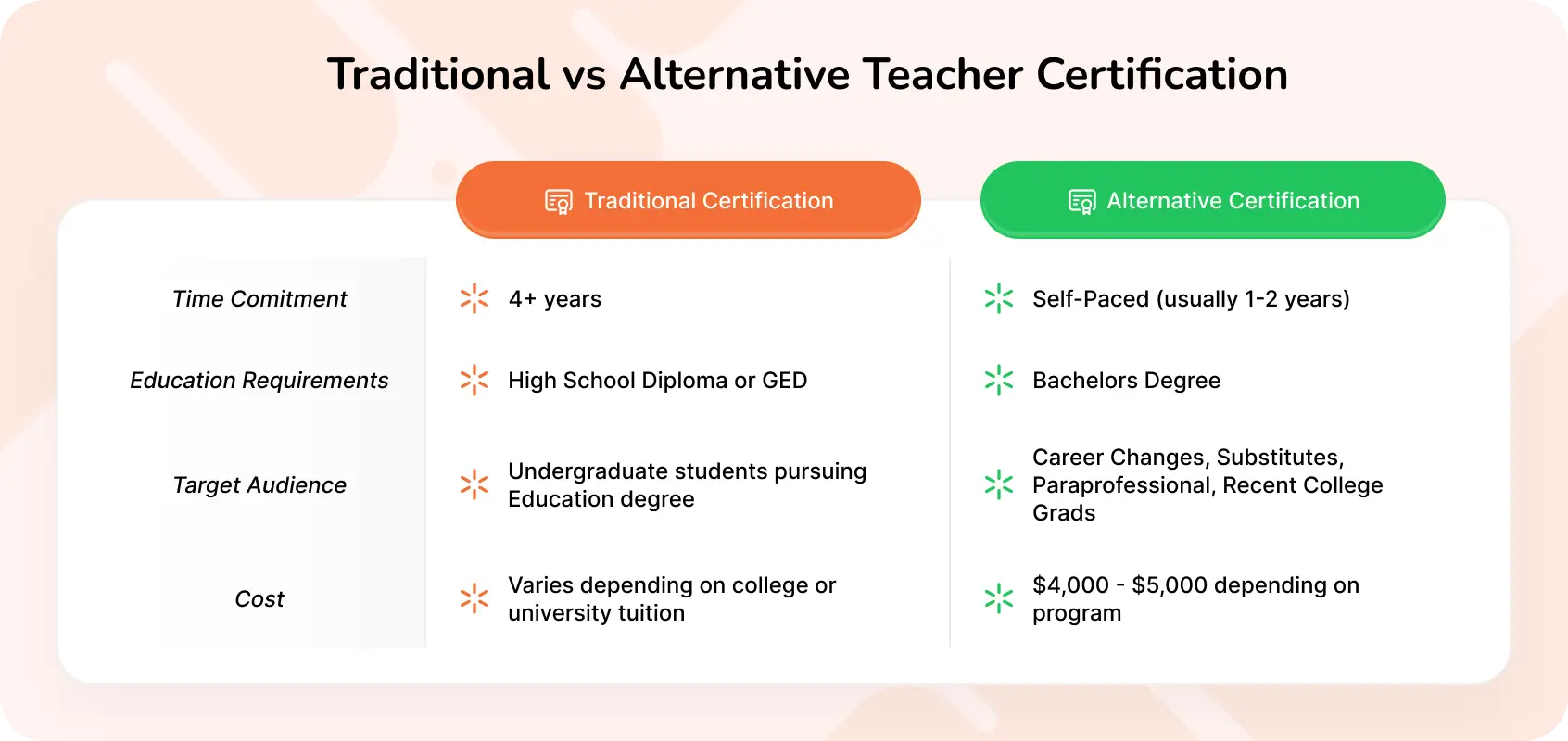
Once you’ve confirmed your eligibility and chosen your certification area, the next critical step is selecting the right preparation program. Texas offers two primary routes to teacher certification: traditional university-based programs and alternative certification programs (ACPs). Each path caters to different educational backgrounds and life circumstances, providing flexibility for a diverse range of candidates.
Traditional Certification: University-Based Routes
The traditional route is typically for individuals who are earning their bachelor’s degree in education or who have recently graduated and wish to complete an education preparation program (EPP) through a university. These programs are embedded within university curricula and usually involve a prescribed sequence of courses, field experiences, and student teaching.
For those pursuing a traditional certification, university life can offer a structured environment to gain pedagogical knowledge and practical experience. Many universities across Texas, such as the University of Texas at Austin, Texas A&M University, and the University of Houston, offer highly respected education programs. During your studies, you might find yourself exploring the vibrant campuses and surrounding communities. For instance, staying in Austin for university could mean enjoying its live music scene, exploring the Texas State Capitol, or relaxing by Lady Bird Lake. When visiting prospective universities, you may consider various Accommodation options, from boutique Hotels like The Driskill Hotel in Austin for a touch of luxury, to more budget-friendly extended-stay apartments for longer visits.
This path is ideal for individuals who prefer a comprehensive academic approach, often integrating master’s level coursework, and who have the time to dedicate to a full-time study schedule before entering the classroom as a certified teacher. The student teaching component, usually a semester-long, full-time placement, provides invaluable hands-on experience under the guidance of an experienced mentor teacher.
Alternative Certification Programs: A Flexible Approach
Alternative Certification Programs (ACPs) are designed for individuals who already hold a bachelor’s degree (or higher) in a field other than education and typically possess significant content expertise in the subject they wish to teach. These programs are particularly popular for career changers, military veterans, and those seeking a more accelerated path to the classroom. ACPs often allow candidates to begin teaching sooner, sometimes even while completing their certification requirements, which can be a significant advantage for those needing to maintain an income.
ACPs typically involve a combination of intensive coursework, training, and a supervised internship in a public school classroom. The curriculum focuses on essential pedagogical skills, classroom management, and child development, preparing candidates for the practical realities of teaching. Many ACPs offer online or hybrid formats, providing considerable Flexibility for individuals balancing work, family, or other commitments. This flexibility is a key aspect of Lifestyle considerations, allowing candidates to pursue their teaching dreams without completely uprooting their current lives.
When researching ACPs, ensure that the program is approved by the Texas Education Agency. The TEA website provides an updated list of all approved programs, which can be invaluable for cross-referencing and making an informed choice. Consider factors such as program length, cost, support services, and placement rates when selecting an ACP. During your research and initial interviews, you might find yourself traveling to different cities to meet with program coordinators. Planning your Travel and Accommodation strategically, perhaps looking for Hotels near program offices or schools where you might intern, can make the process smoother.
Mastering the Requirements: Coursework, Exams, and Background Checks
Regardless of the certification path you choose, there are several universal requirements that all aspiring Texas educators must fulfill. These include passing state-mandated examinations and undergoing a thorough background check, all designed to ensure that certified teachers are both competent and suitable for working with children.
The Rigors of Content and Pedagogy: Texas Certification Exams
To demonstrate mastery of both subject matter and teaching methodology, all candidates for teacher certification in Texas must pass a series of examinations known as the Texas Examinations of Educator Standards (TExES). These exams are developed and administered by the TEA and are critical hurdles in the certification process.
The primary exams include:
- Content Area Exam: This exam assesses your knowledge in the specific subject area you wish to teach (e.g., TExES English Language Arts and Reading 7-12, TExES Mathematics 4-8). It ensures you have a deep understanding of the curriculum you will be responsible for teaching.
- Pedagogy and Professional Responsibilities (PPR) Exam: The PPR exam evaluates your understanding of effective teaching practices, classroom management, student assessment, and professional responsibilities. It’s a test of your ability to apply educational theories in a practical classroom setting.
Preparing for the TExES exams requires diligent study and often involves utilizing study guides, practice tests, and review courses offered by your EPP or third-party providers. Successfully passing these exams is a significant milestone and a testament to your readiness to enter the teaching profession. As part of your certification journey, you might travel to designated testing centers, perhaps turning a testing trip into a short exploration of a new Texas city, integrating a bit of Travel into this crucial step.
Ensuring Safety: Fingerprinting and Background Verification
The safety and well-being of students are paramount. Therefore, all individuals seeking teacher certification in Texas must undergo a comprehensive criminal background check, which includes fingerprinting. This requirement is non-negotiable and is a standard procedure across the United States for those working with vulnerable populations.
The fingerprinting process is usually initiated through your EPP or directly with the TEA and involves scheduling an appointment at an approved fingerprinting service provider. The results are then submitted to the TEA for review. It’s crucial to complete this step promptly, as the certification process cannot be finalized without a clear background check. This administrative but essential step ensures that all Texas educators meet the highest standards of integrity and responsibility.
Embracing the Texan Lifestyle: Life Beyond the Classroom
Obtaining your teacher certification is just the beginning. Once you’re certified and secure a teaching position, you’ll have the opportunity to truly immerse yourself in the rich tapestry of Texan life. This includes settling into a community, exploring local attractions, and balancing your professional life with personal well-being and adventures.
Living in Texas: A Blend of Culture and Community
Texas is often described as a state of mind, characterized by its unique blend of Southern charm, Western ruggedness, and a strong sense of community. Each major city offers a distinct flavor. Austin is celebrated as the “Live Music Capital of the World” and a hub for technology and progressive culture. Houston boasts an international flair, incredible culinary scene, and a thriving arts district. Dallas and Fort Worth present a dynamic duo, with Dallas offering urban sophistication and Fort Worth embracing its cowboy heritage. San Antonio is steeped in history, while El Paso provides a unique bicultural experience on the border with Mexico.
As an educator, you’ll become an integral part of your local community, engaging with families and contributing to the social fabric. The Lifestyle here can cater to various preferences, whether you prefer the fast pace of a metropolis or the quiet charm of a small town. This diversity makes Texas an exciting place to build a life, offering plenty of local Tourism opportunities right at your doorstep.
Exploring Your New Home: Attractions and Accommodation Tips
Moving to Texas as a new teacher offers countless opportunities for exploration. During school breaks or long weekends, you can embark on various Travel adventures. For instance, you could take a road trip to the stunning canyons of Palo Duro Canyon State Park, explore the historic Galveston Island on the Gulf Coast, or delve into the art scene in Marfa.
When you first arrive or during your house-hunting phase, effective Accommodation planning is key. You might opt for extended-stay Hotels or serviced apartments in cities like Dallas or Houston that offer amenities like kitchenettes, ideal for a comfortable temporary setup. Websites specializing in Accommodation reviews and comparisons can help you find options that fit your budget and Lifestyle, whether you prefer a luxury resort experience or a more budget-conscious stay near your new school. Many new teachers also explore short-term rentals or roommate situations to get settled.
Your Educator’s Journey: Professional Growth and Personal Well-being
Becoming a certified teacher in Texas is a significant accomplishment, but the learning journey doesn’t end there. Texas requires continuing professional education (CPE) hours to maintain your certificate, encouraging ongoing growth and development in the profession. This commitment to lifelong learning ensures that Texas educators remain current with best practices and innovative teaching strategies.
Balancing the demands of teaching with personal well-being is also crucial for a sustainable and joyful career. The vast recreational opportunities in Texas provide ample avenues for relaxation and rejuvenation. Whether it’s hiking in a state park, enjoying a live concert, exploring a new restaurant, or simply unwinding by a lake, Texas offers a diverse array of options to recharge. Embracing the vibrant Lifestyle and local Culture will not only enrich your personal life but also provide a broader perspective that can enhance your teaching.
In conclusion, obtaining your teacher certification in Texas is a structured process with clear steps, from meeting eligibility requirements and selecting a program to passing state exams and undergoing background checks. As you navigate this professional journey, remember that you’re also stepping into a state rich with opportunities for personal growth, travel, and cultural immersion. Texas welcomes dedicated educators with open arms, ready to offer a fulfilling career and a dynamic life filled with unique experiences and unforgettable adventures. Your journey to becoming a Texas educator is not just about a certificate; it’s about building a life in the heart of the Lone Star State.
LifeOutOfTheBox is a participant in the Amazon Services LLC Associates Program, an affiliate advertising program designed to provide a means for sites to earn advertising fees by advertising and linking to Amazon.com. Amazon, the Amazon logo, AmazonSupply, and the AmazonSupply logo are trademarks of Amazon.com, Inc. or its affiliates. As an Amazon Associate we earn affiliate commissions from qualifying purchases.