
California, the Golden State, renowned for its sun-kissed beaches, towering redwood forests, vibrant cities, and groundbreaking innovation, operates on a specific time standard that often piques the curiosity of travelers and business professionals alike. When planning a journey, coordinating an international call, or simply trying to understand the rhythm of this diverse state, knowing its relationship to Greenwich Mean Time (GMT) is fundamental. For visitors arriving from distant shores, a grasp of California’s time zone is not merely a technical detail; it’s a crucial piece of the puzzle for minimizing jet lag, optimizing travel itineraries, and ensuring a seamless experience across all facets of travel, accommodation, and leisure.
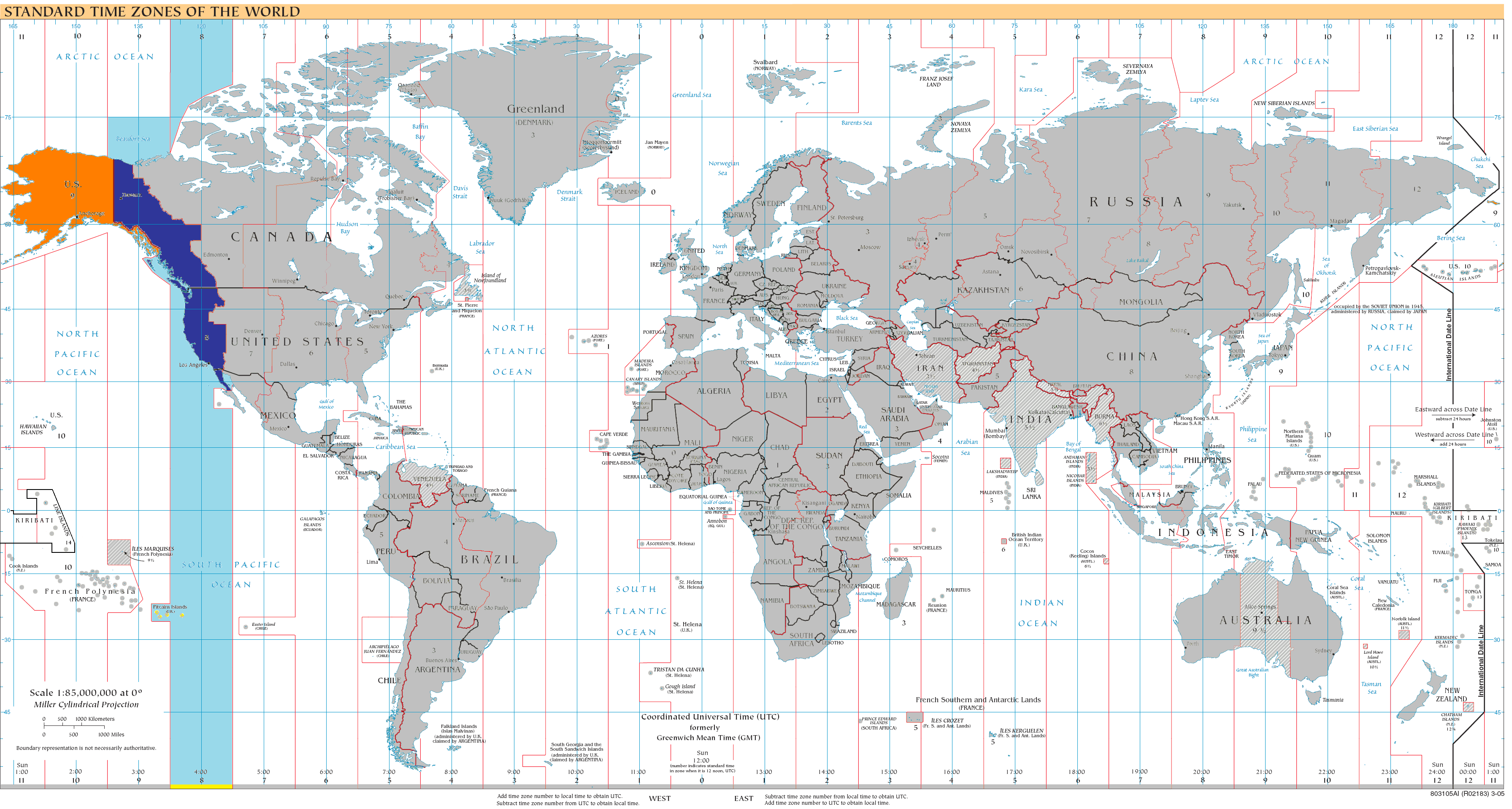
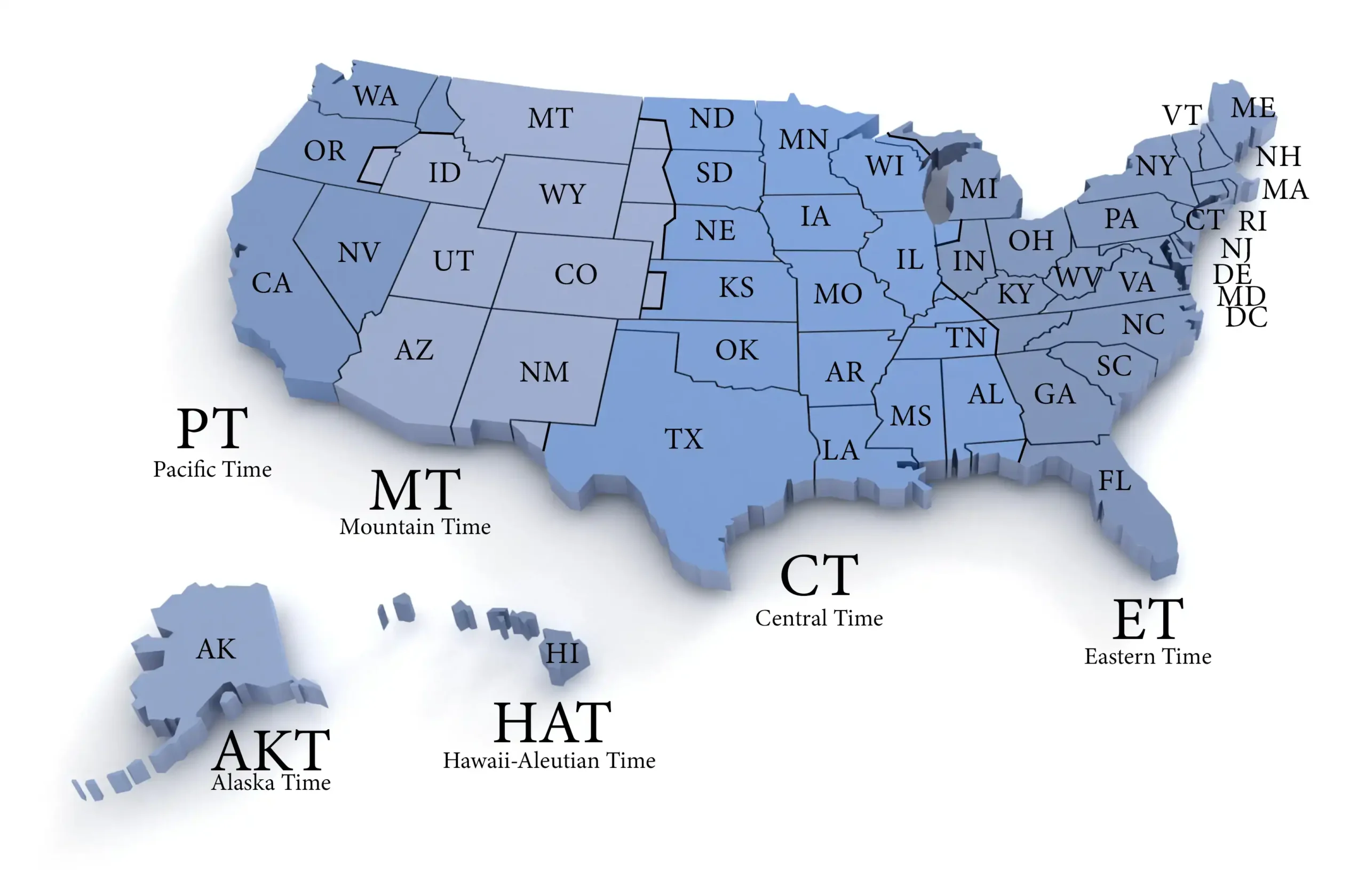
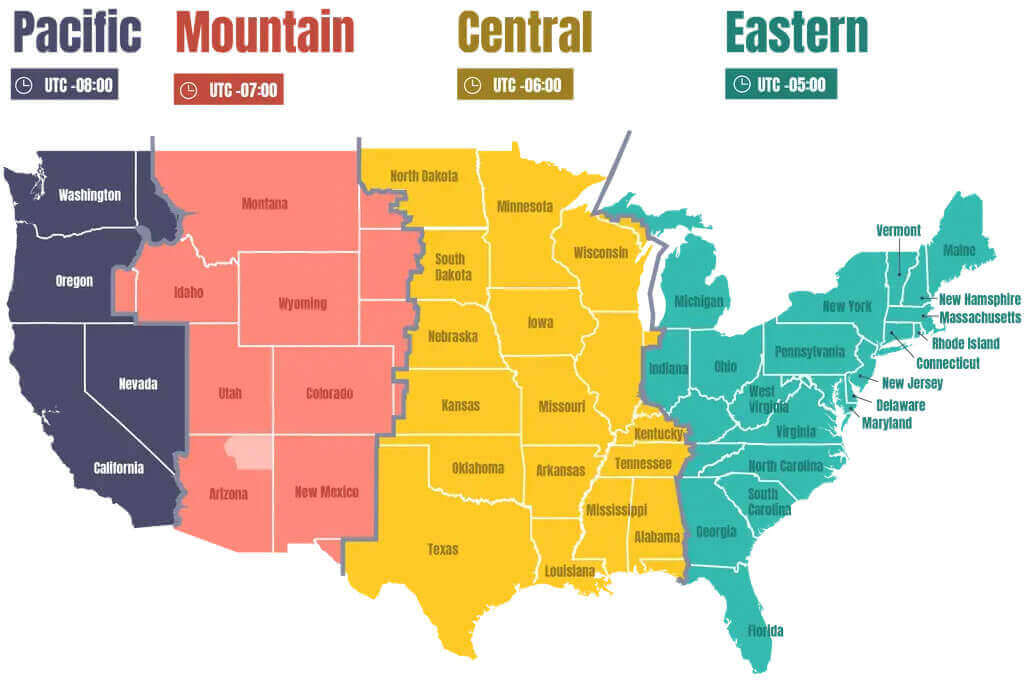
At its core, California observes Pacific Time, which encompasses both Pacific Standard Time (PST) and Pacific Daylight Time (PDT). This distinction is critical because it dictates how many hours California is behind Greenwich Mean Time at different points in the year. For the majority of the year, due to the practice of Daylight Saving Time, California shifts between these two designations. Understanding this ebb and flow is key to unlocking a stress-free California adventure, whether you’re exploring the iconic landmarks of Los Angeles, the sophisticated charm of San Francisco, or the relaxed atmosphere of San Diego. From booking hotels and planning excursions to simply making dinner reservations, the time zone is an invisible thread that connects all these elements.
Understanding California’s Time Zones: Pacific Standard Time (PST) and Pacific Daylight Time (PDT)
California, like much of the United States and North America, operates on a system that adjusts for daylight hours throughout the year. This system is known as Daylight Saving Time, and it significantly impacts the exact offset from Greenwich Mean Time.
PST vs. GMT: The Standard Offset
During the winter months, typically from early November to mid-March, California observes Pacific Standard Time (PST). When PST is in effect, California is eight hours behind Greenwich Mean Time. This can be expressed as GMT-8. For example, if it’s 3:00 PM GMT, it would be 7:00 AM PST in California. This standard offset is consistent across the entire state, from the northern forests down to the southern deserts, ensuring uniformity for residents and visitors alike.
This GMT-8 offset is particularly relevant for international travelers and those coordinating with time zones in Europe, Asia, or other parts of the world. Businesses often have to navigate this significant difference, scheduling conference calls and deadlines to accommodate colleagues across the globe. For tourists, this eight-hour difference means a substantial shift in their internal clock, necessitating careful planning to mitigate jet lag upon arrival and departure. Understanding this standard helps in pre-booking hotel check-ins, arranging airport transfers, and setting the pace for the first few days of exploration.
Embracing Daylight Saving Time: PDT Explained
The advent of spring brings a change to California’s time zone. On the second Sunday in March, residents “spring forward,” advancing their clocks by one hour. This marks the beginning of Pacific Daylight Time (PDT). During PDT, which lasts until the first Sunday in November, California is seven hours behind Greenwich Mean Time, or GMT-7.
This one-hour shift means an hour less of difference from GMT, but it also means an hour more of daylight in the evenings, which is a key reason for its implementation. For instance, if it’s 3:00 PM GMT during PDT, it would be 8:00 AM PDT in California. This adjustment aims to maximize daylight during waking hours, benefiting tourism, outdoor activities, and general lifestyle by allowing more time for leisure after work or school. For travelers, PDT means more daylight for sightseeing at destinations like Yosemite National Park or enjoying the beaches of Santa Monica. It also slightly lessens the time difference for those coming from eastern time zones, making the adjustment marginally easier. However, the initial “spring forward” can briefly disrupt sleep patterns, a factor to consider if you’re arriving around that specific weekend.
The Impact of Time Zones on California Travel and Tourism
The time difference between California and your origin point is more than just a number; it fundamentally shapes the travel experience. From managing your physical well-being to coordinating complex itineraries, the local time zone is a constant, subtle influence on your trip.
Planning Your Arrival: Minimizing Jet Lag
For international travelers, especially those crossing multiple time zones, jet lag is an almost inevitable companion. Arriving in California from Europe (a 7-8 hour difference) or Asia (often a 15-16 hour difference, requiring a shift across the International Date Line as well) means your body’s internal clock will be significantly out of sync. Strategies for minimizing jet lag are paramount for an enjoyable trip.
- Pre-adjustment: Gradually shifting your sleep schedule a few days before departure can help.
- Hydration and Light Meals: Staying well-hydrated and avoiding heavy meals during the flight can make a difference.
- Sunlight Exposure: Upon arrival, seek out natural light during the day, particularly in the morning, to help reset your circadian rhythm.
- Strategic Napping: Short, strategic naps can provide relief, but avoid long naps that might further disrupt nighttime sleep.
- Hotel Choice: Selecting a hotel with blackout curtains, comfortable bedding, and quiet rooms can significantly aid in recovery. Many upscale hotels in cities like Los Angeles and San Francisco are well-equipped to assist guests with jet lag, often offering amenities like 24-hour room service for unusual meal times or concierge services to help plan a gentle first day.
- Flexible First Days: Don’t overschedule your first day or two. Allow time for relaxation and adaptation. Perhaps a leisurely stroll along the Santa Monica Pier or a relaxed meal in Napa Valley could be ideal.
Coordinating Business and Leisure Across Time Zones
California is a global hub for business, particularly in technology (think Silicon Valley), entertainment (Hollywood), and trade. This means many visitors are balancing business commitments with leisure activities. The time zone difference can pose challenges for remote work and international meetings. Business travelers often find themselves starting their workdays earlier or ending later to accommodate colleagues in other time zones. High-end hotels catering to business travelers frequently offer amenities like 24-hour business centers, robust Wi-Fi, and in-room desks, understanding the need for flexible work schedules.
For leisure, coordinating activities within the state usually isn’t an issue as the entire state is on the same time. However, if you’re trying to communicate with family or friends back home, remember the GMT-7 or GMT-8 offset. Booking popular attractions like Disneyland or tours of Alcatraz Island should be done according to local California time. Many online booking systems will automatically convert to your local time, but always double-check to avoid confusion. For instance, a sunset cruise on San Francisco Bay departing at 6 PM local time might be early morning for someone in Europe, highlighting the continuous need to be mindful of the temporal gap.
Major California Destinations and Their Time Considerations
No matter where you go in California, from its northern border with Oregon to its southern edge bordering Mexico, the time zone remains consistent: PST/PDT. This simplifies internal travel greatly.
- Los Angeles: The sprawling metropolis of Los Angeles is a nexus of entertainment and culture. Planning your visit involves timing flights, checking into your hotel (perhaps a luxury suite in Beverly Hills), and scheduling visits to Universal Studios Hollywood or the Griffith Observatory. The time zone will dictate when you can comfortably call home after a day of sightseeing.
- San Francisco: Known for its iconic Golden Gate Bridge and rolling fog, San Francisco offers a different urban experience. Here, coordinating a cable car ride, a visit to Fisherman’s Wharf, or a wine tour in nearby Napa Valley will also adhere to the Pacific Time schedule. The time zone impacts when the city’s vibrant nightlife begins and when morning tourist attractions open.
- San Diego: Further south, San Diego offers a relaxed coastal vibe, famous for its beaches and the San Diego Zoo. The milder climate and focus on outdoor activities mean that enjoying the longer daylight hours of PDT can be particularly advantageous for beachgoers and hikers alike.
- Sacramento: As the state capital, Sacramento combines history with modern governance. Business visitors, particularly those dealing with state affairs, must also adhere to the same Pacific Time. The city’s old town and museums offer a quieter tourist experience, still bound by opening and closing times set to PST/PDT.
No matter your destination within California, being mindful of the state’s GMT offset will help you make the most of your journey and avoid any temporal missteps.
Navigating Accommodation and Activities in California
For any traveler, the hotel experience and the range of activities available form the backbone of a memorable trip. Time zones, while seemingly minor, play a critical role in the practicalities of both.
Hotel Check-ins and Check-outs Across Time Zones
A fundamental aspect of accommodation is adhering to check-in and check-out times. Most hotels in California, from budget-friendly motels to luxurious resorts, adhere to a standard check-in time, typically between 3:00 PM and 4:00 PM PST/PDT, and a check-out time around 11:00 AM or 12:00 PM PST/PDT. When you factor in the GMT offset and potential jet lag, early arrivals or late departures can become a point of consideration.
- Early Arrival: If you arrive from Europe on a morning flight, it might be 7:00 AM PST, but 3:00 PM GMT. Your body clock might be signaling afternoon, while the hotel’s policy indicates several hours until your room is ready. It’s always advisable to communicate your arrival time with the hotel in advance. Many hotels offer early check-in subject to availability or provide luggage storage services. Luxury hotels and resorts, understanding the needs of international travelers, are often more flexible or may offer amenities like a day-use lounge.
- Late Departure: Similarly, if your flight departs in the evening, a late check-out might be necessary. This often incurs an additional fee, but it can be worth it to have a comfortable base until your flight, especially if you’re still adjusting to the time zone. Some properties, particularly those designed for business stays or offering long-term accommodation, might have more generous policies or day rates.
Booking accommodation through platforms that display local times is crucial. Always confirm with the hotel directly if you have specific arrival or departure needs due to time zone adjustments.
Optimizing Sightseeing and Activity Schedules
California offers an astounding array of tourist attractions and activities. From historical landmarks to natural wonders, theme parks to cultural events, timing is everything.
- Attraction Opening Hours: Most attractions, such as museums, theme parks like Disneyland or Universal Studios Hollywood, and historical sites, operate on set opening and closing times in PST/PDT. Ensure you’re aware of these hours, especially if planning to visit popular spots that require advance booking. For example, tickets to Alcatraz Island in San Francisco often sell out weeks in advance for specific tour times.
- Tour Departures: Guided tours, whether for wine tasting in Napa Valley, exploring Yosemite National Park, or cruising along the coast of Big Sur, will have strict departure times. Missing a tour due to a miscalculation of the time zone can be a costly mistake. Always set your devices to local California time immediately upon arrival.
- Dining and Entertainment: Dining experiences, from casual eateries to Michelin-starred restaurants, operate on local time. Reservations for popular restaurants, especially in cities like Los Angeles or San Francisco, are highly recommended and should be made with the PST/PDT in mind. Evening entertainment, such as theater shows in Hollywood or live music venues, will also adhere to the local clock.
Lifestyle Adjustments for Visitors and Residents
Beyond the practicalities, the time zone also influences the lifestyle rhythm of California. The relatively late sunsets during PDT in summer allow for extended outdoor activities, enhancing the experience of visiting beaches, hiking trails, and outdoor dining. This contributes to California’s laid-back yet active image.
For residents, the shift between PST and PDT is an annual ritual that impacts daily routines, school schedules, and business operations. For visitors, embracing this rhythm, even for a short stay, can enrich their cultural immersion. Understanding when the sun rises and sets, and how that aligns with your internal clock, is key to truly experiencing the California lifestyle, whether you’re an early bird catching the sunrise over the Pacific or a night owl enjoying the vibrant urban scene.
Beyond Time: Exploring California’s Diverse Offerings
While understanding California’s time zone is crucial for smooth logistics, it’s merely the preface to the incredible story the state has to tell. California is a microcosm of the world, offering an unparalleled diversity of landscapes, cultures, and experiences that cater to every type of traveler.
Iconic Landmarks and Attractions
From architectural marvels to natural wonders, California’s landmarks are globally recognized.
- The Golden Gate Bridge in San Francisco stands as a testament to human ingenuity, offering breathtaking views of the Pacific Ocean and San Francisco Bay. Nearby, the historic Alcatraz Island prison provides a fascinating, albeit eerie, glimpse into the past.
- In Los Angeles, the Hollywood Walk of Fame and the majestic Griffith Observatory offer glimpses into the state’s entertainment legacy and celestial wonders. For thrill-seekers, Disneyland in Anaheim and Universal Studios Hollywood promise unforgettable family fun.
- Nature’s grandeur is on full display at Yosemite National Park, with its towering granite cliffs, giant sequoias, and pristine waterfalls. Further south, the desolate beauty of Death Valley National Park offers a stark contrast, showcasing extreme desert landscapes.
- The scenic Big Sur coastline drive is an adventure in itself, with dramatic cliffs meeting the tumultuous Pacific Ocean, interspersed with charming towns and incredible vistas. Each of these landmarks demands time for exploration, making careful scheduling based on California time crucial.
Culinary Delights and Local Culture
California’s food scene is as diverse as its population. From farm-to-table restaurants in Napa Valley to authentic Mexican cuisine in San Diego, and innovative fusion in Los Angeles and San Francisco, there’s a culinary journey for every palate. Exploring farmers’ markets, partaking in food tours, and indulging in local wines are integral parts of the California experience. The state’s local culture is a vibrant tapestry woven from its indigenous roots, Mexican heritage, Asian influences, and the continuous influx of diverse populations. This rich cultural mosaic is reflected in its art, music, festivals, and everyday life. Dining schedules and festival timings are always rooted in the local PST/PDT, making it essential to keep the time difference in mind when planning your gastronomic adventures or cultural immersions.
Choosing Your Ideal California Experience
Whether you’re seeking luxury travel with stays in opulent resorts, a budget-friendly road trip, a memorable family vacation, or a focused business trip, California has offerings to match.
- Luxury Travel: Indulge in five-star hotels, private tours of wineries, spa retreats, and high-end shopping experiences in places like Beverly Hills.
- Budget Travel: Explore affordable accommodations, public transport options, free attractions like beaches and parks, and delicious street food.
- Family Trips: Focus on theme parks, educational museums, and family-friendly resorts designed to entertain all ages.
- Business Stays: Choose hotels with excellent connectivity, meeting facilities, and easy access to business districts in San Francisco, Los Angeles, or Silicon Valley.
In all these scenarios, having a clear understanding of the GMT-7 or GMT-8 difference will enable you to plan more effectively, minimize logistical hiccups, and truly maximize your time in this magnificent state. From the moment you land to the time you depart, California’s time zone is a constant companion, influencing every aspect of your journey and contributing to the unique rhythm of the Golden State. Armed with this knowledge, you are well-prepared to embark on an unforgettable California adventure, perfectly in sync with local time.
LifeOutOfTheBox is a participant in the Amazon Services LLC Associates Program, an affiliate advertising program designed to provide a means for sites to earn advertising fees by advertising and linking to Amazon.com. Amazon, the Amazon logo, AmazonSupply, and the AmazonSupply logo are trademarks of Amazon.com, Inc. or its affiliates. As an Amazon Associate we earn affiliate commissions from qualifying purchases.