
Embarking on a journey to the heart of the United States, whether for a thrilling road trip, a long-term stay, or a new chapter of life, often involves practical considerations that lay the groundwork for unforgettable experiences. For those setting their sights on Texas, a state renowned for its vast landscapes, vibrant cities, and diverse attractions, understanding the nuances of vehicle ownership is paramount. From the bustling streets of Houston and Dallas to the scenic routes connecting charming small towns and breathtaking natural landmarks, having your own vehicle provides unparalleled freedom to explore.
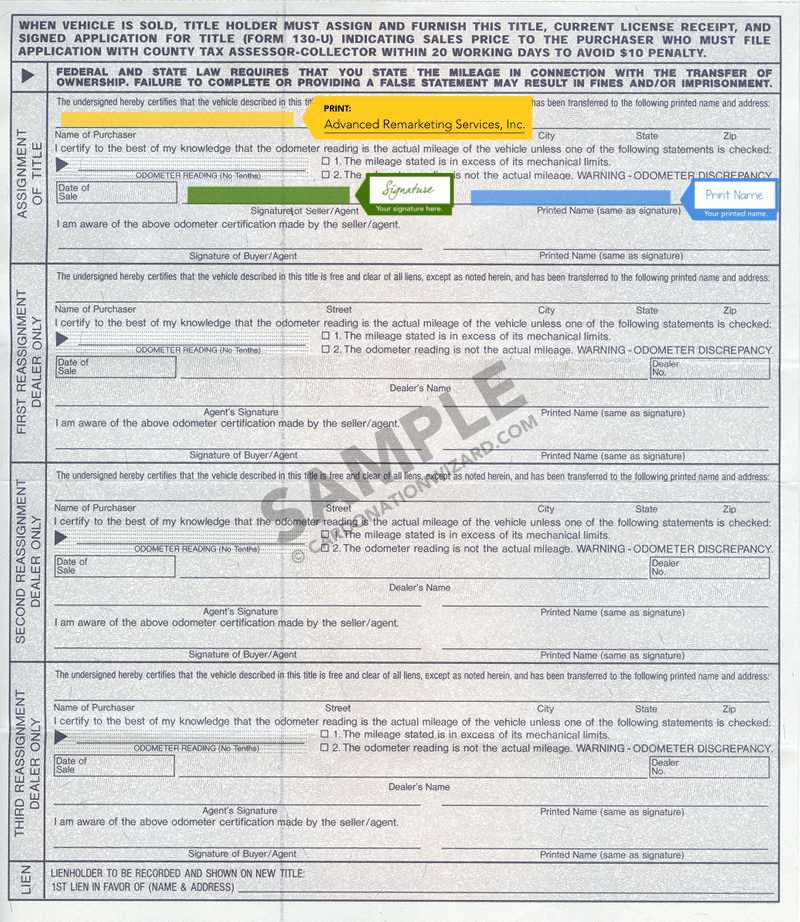
This comprehensive guide delves into the essential process of how to switch the title of a car in Texas. While seemingly a bureaucratic hurdle, correctly transferring your vehicle’s title is the key to legal ownership, ensuring smooth travel, and fully integrating into the Texas lifestyle. It’s a foundational step for anyone planning to embrace the boundless opportunities for travel, tourism, and exploration that the Lone Star State offers. Whether you’re relocating, purchasing a new vehicle for your Texas adventures, or navigating an inheritance, mastering this process will pave the way for a seamless and enjoyable experience.
Embarking on Your Texas Adventure: Why Car Ownership Matters
Texas is a state of immense scale and diverse beauty. From the coastal allure of Galveston to the rugged beauty of Big Bend National Park, and from the live music capital of Austin to the historic charm of San Antonio, its destinations are spread far and wide. For many, a car isn’t just a convenience; it’s a necessity for truly experiencing all that Texas has to offer. Public transportation options are robust in major metropolitan areas, but to venture beyond city limits, explore hidden gems, or embark on a multi-day road trip, a personal vehicle is invaluable.
The freedom to drive allows you to choose your own itinerary, discover unique roadside attractions, and access a wider range of accommodation options, from secluded villas to charming boutique hotels that might be off the main tourist routes. This flexibility caters to every travel style, whether you’re seeking luxury travel experiences in a high-end resort or budget travel by staying in more affordable motels. For family trips, a car provides the space and comfort needed for luggage, snacks, and car seats, making long drives across the vast plains more manageable. It’s the ultimate enabler for crafting personalized guides to Texas exploration.
Crucially, establishing legal ownership of your vehicle through proper title transfer is the first step in this journey. Without a correctly transferred title, you cannot legally register your vehicle, obtain proper insurance, or sell it in the future. This administrative step, therefore, directly impacts your ability to fully immerse yourself in the Texas lifestyle and enjoy seamless travel experiences. It ensures peace of mind, allowing you to focus on the open road ahead and the adventures that await.
The Foundation of Texas Exploration: Understanding Your Vehicle’s Title
At its core, a vehicle title is a legal document that establishes proof of ownership. Think of it as your car’s birth certificate, detailing who legally owns the vehicle. In Texas, this document is issued by the Texas Department of Motor Vehicles (TxDMV), but the transfer process is primarily handled by your local County Tax Assessor-Collector Office.
When you switch a car title, you are essentially updating this legal document to reflect the new owner. This is necessary in several common scenarios:
- Purchasing a Used Vehicle: When buying a car from a private seller or a dealership, the title must be transferred from the previous owner to you.
- Moving to Texas: If you’re relocating to Texas from another state and bringing your vehicle, you’ll need to transfer your out-of-state title to a Texas title.
- Inheriting a Vehicle: If you inherit a car, the title needs to be transferred into your name from the estate of the deceased.
- Receiving a Gift: If a vehicle is gifted to you, the title must be formally transferred.
Understanding these scenarios and the documents involved ensures you’re prepared for the administrative legwork, leaving more time for planning your next trip to a Texas hotel or landmark.
Navigating the Texas Road Map: Essential Steps to Car Title Transfer
Successfully switching a car title in Texas involves a series of steps and the collection of specific documents. While it might seem daunting at first, breaking it down makes the process straightforward. This section serves as your practical guide, ensuring you gather everything needed for a seamless transition, whether you’re planning a weekend getaway or a long-term stay.
Gathering Your Travel Documents: What You’ll Need
Before heading to the County Tax Assessor-Collector Office, ensure you have all the necessary paperwork. Think of these as your itinerary for a smooth journey through the title transfer process:
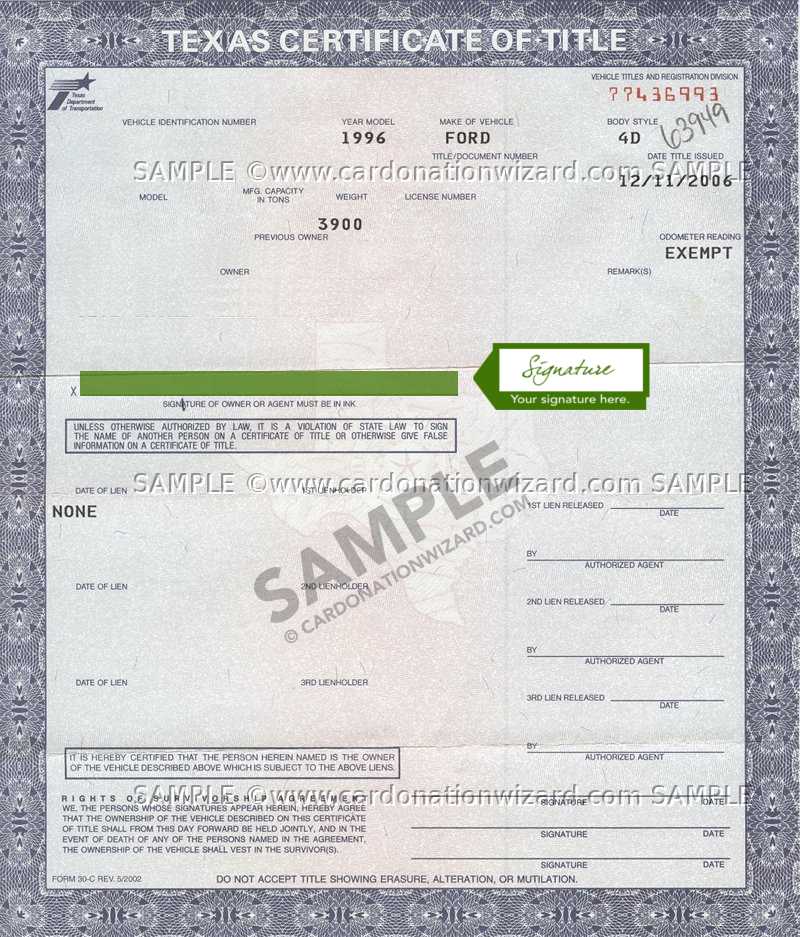
- Vehicle Title: This is the original certificate of title, signed by the previous owner (seller) and, if applicable, the lienholder (if there was a loan on the vehicle). Ensure all signatures are exactly as they appear on the title.
- Application for Texas Certificate of Title (Form 130-U): This crucial document must be filled out completely and accurately. It requires information about the buyer, seller, and vehicle, including the purchase price, which is used to calculate sales tax. You can usually find this form on the Texas Department of Motor Vehicles (TxDMV) website.
- Proof of Insurance: Texas law requires all registered vehicles to have liability insurance. You’ll need to show proof of current insurance coverage for the vehicle being titled in your name.
- Valid Photo ID: A current driver’s license or state-issued identification card is required for identification purposes.
- Vehicle Inspection Report (VIR): Before you can register your vehicle, it must pass a Texas safety inspection. If applicable in your county, an emissions test is also required. The inspection station will provide you with a Vehicle Inspection Report. This needs to be done before you visit the County Tax Assessor-Collector Office for registration.
- Odometer Disclosure Statement: For vehicles less than 10 years old, an odometer disclosure is required. This is often part of the Form 130-U, but a separate statement (Form VTR-40) may be needed in certain circumstances.
- Release of Lien (if applicable): If the previous owner had a lien on the vehicle, they must provide a signed release from their lienholder, confirming the loan has been paid off.
- Payment for Fees: Be prepared to pay applicable fees, including title transfer fees, sales tax (6.25% of the purchase price or standard presumptive value), and any local fees. Acceptable payment methods vary by County Tax Assessor-Collector Office, so it’s wise to check in advance.
Having these “travel documents” in order will significantly speed up your visit, ensuring you’re quickly back on the road to discover Texas’s countless experiences.
The Journey to Registration: Step-by-Step Guide
Once you have your documents in hand, the process of switching your car title in Texas follows these steps:
- Get Your Vehicle Inspected: This is a crucial pre-step. Locate an official Texas inspection station. Your vehicle will undergo a safety inspection, and if you’re in an eligible county, an emissions test. You’ll receive a Vehicle Inspection Report (VIR) once your vehicle passes. This report is valid for a limited time, so plan your title transfer soon after inspection.
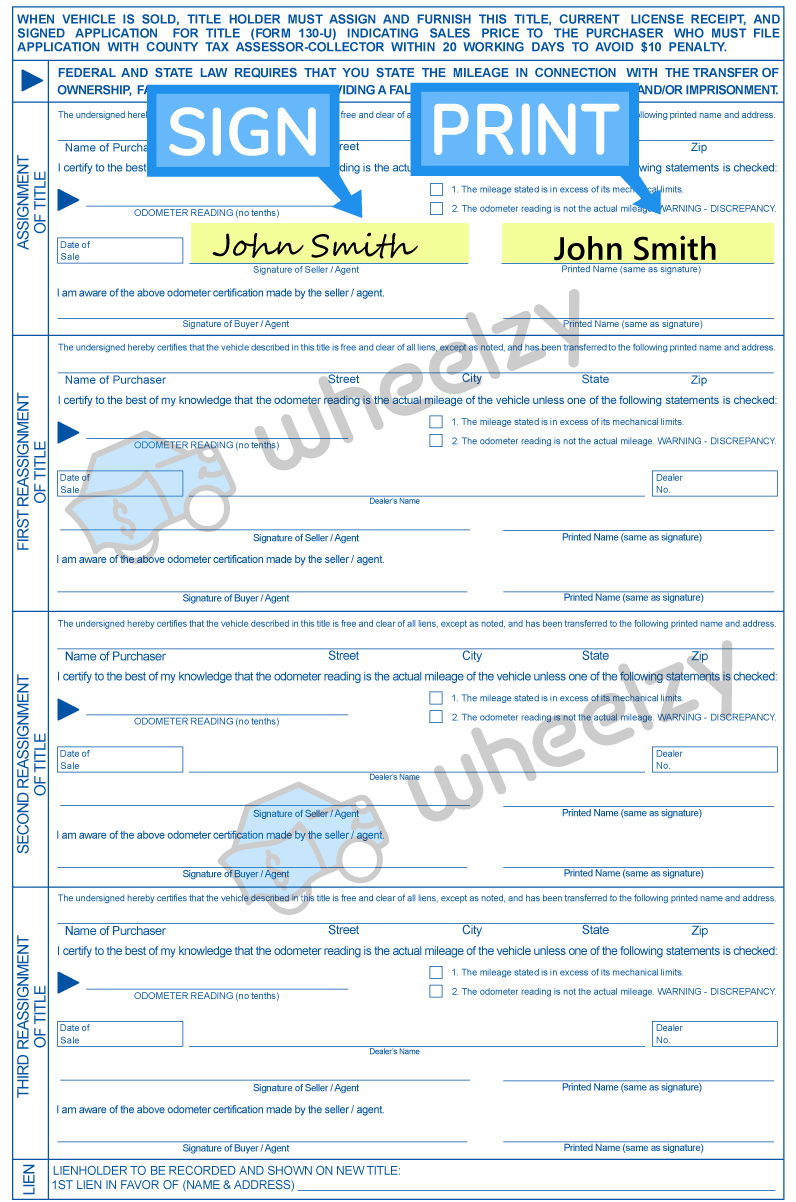
- Complete the Form 130-U: Both the buyer and seller must fill out and sign this form. Ensure all fields, especially the vehicle information, purchase price, and odometer reading, are accurate.
- Visit Your Local County Tax Assessor-Collector Office: This is where the magic happens. Bring all your prepared documents:
- Original Vehicle Title (signed over)
- Completed Form 130-U
- Proof of Insurance
- Valid Photo ID
- Vehicle Inspection Report (VIR)
- Any other supporting documents (e.g., lien release, power of attorney).
- Pay Applicable Fees: The clerk will calculate your sales tax, title transfer fee, and any other local registration fees. Be prepared to pay these on the spot.
- Receive Your New Registration and Plates (if applicable): Once fees are paid and documents are processed, you will typically receive your vehicle registration sticker and license plates (if new plates are required) immediately. A new official Texas Certificate of Title will then be mailed to you within a few weeks.
Following these steps ensures that your car is legally registered and ready to ferry you to your next Texas destination, from the historic sites in El Paso to the charming resorts along the Gulf Coast.
Special Routes: Title Transfer Scenarios for Every Traveler
The general title transfer process covers most situations, but some specific scenarios warrant additional attention. These often relate to unique travel or lifestyle changes, such as moving to Texas from another state or acquiring a vehicle through non-traditional means. Understanding these “special routes” will ensure your journey through the administrative landscape is as smooth as your drives through the scenic Texas Hill Country.
Arriving from Out-of-State: Your Texas Vehicle Welcome
For individuals making the exciting move to Texas – perhaps for a new job, a change of pace, or simply to immerse themselves in the rich culture and diverse tourism opportunities – bringing a vehicle from another state requires a specific title transfer process. This is a common scenario for those embracing a long-term stay in the Lone Star State.
Here’s what you need to know:
- Out-of-State Title: You will need your original vehicle title from your previous state. Ensure it is clear of any liens. If there’s a lien, you might need a letter from your lienholder confirming the details and permitting the Texas title transfer.
- Vehicle Inspection: Just like a Texas-purchased vehicle, your out-of-state vehicle must pass a Texas safety inspection and, if applicable, an emissions test.
- Form 130-U – Application for Texas Certificate of Title: This form is still required. For an out-of-state transfer, you’ll fill in your details as the owner.
- Proof of Insurance: Texas minimum liability insurance is mandatory.
- Identification: A valid driver’s license (preferably a new Texas license or a temporary one).
- Vehicle Identification Number (VIN) Verification: In some cases, especially if your out-of-state title does not clearly show the VIN or if there are discrepancies, a VIN inspection might be required. This can often be done at the inspection station or by law enforcement. The Form VTR-68-A (Statement of Fact for Presentation of Salvage, Nonrepairable, or Assembled Vehicle) may be used for specific VIN verification scenarios.
- New Resident Tax: While you generally don’t pay sales tax again if you’ve already paid it in another state, Texas does impose a “new resident tax” or “use tax” of $90 on vehicles moving into the state, in addition to the standard title and registration fees.
Completing this process allows you to fully settle into your new Texas home and begin exploring its vast offerings, from finding your ideal accommodation to planning family trips to the state’s amazing destinations.
Embracing New Wheels: Buying a Car in the Lone Star State
Whether you’re a long-time resident upgrading your ride or a visitor purchasing a vehicle for extended Texas exploration, the process of buying a car within the state requires careful attention to title transfer.
- From a Dealership: When you purchase a vehicle from a licensed dealership in Texas, they typically handle all the title and registration paperwork for you. They will submit the Form 130-U, collect sales tax, and process the application to the County Tax Assessor-Collector Office on your behalf. This is often the simplest route for new car buyers.
- From a Private Seller: This is where you, as the buyer, become responsible for initiating the title transfer.
- Get the Original Title: Ensure the seller provides you with the physical, original title, properly signed and dated by them (and any lienholders). Verify the Vehicle Identification Number (VIN) on the title matches the car itself.
- Complete Form 130-U: Both you and the seller must complete and sign this form, particularly noting the exact selling price, which determines your sales tax.
- Bill of Sale: While not always strictly required for title transfer if the Form 130-U is fully completed, a separate written bill of sale is highly recommended. It serves as extra proof of purchase and can detail any specific agreements.
- Vehicle Inspection: The vehicle must pass a Texas inspection before you can complete the registration.
- Proof of Insurance: Have your proof of insurance ready.
- Visit the County Tax Assessor-Collector Office: As with any title transfer, this is your final stop to submit all documents and pay fees.
For those engaging in business stays or extended corporate assignments in Texas, understanding these steps is critical. A properly titled and registered vehicle ensures legal compliance and allows for unrestricted mobility, whether you’re commuting to work or exploring Texas’s unique culture after hours.
Special Circumstances: Inherited or Gifted Vehicles
Sometimes, vehicles are acquired through means other than a direct purchase. If you’re inheriting a car, perhaps from a family member who loved to travel Texas roads, or if a car is gifted to you, the title transfer process has specific requirements:
- Inherited Vehicles: If the estate is going through probate, the executor will handle the title transfer with documentation from the probate court. If probate is not required (e.g., small estate affidavit), you might use a Form VTR-271 (Affidavit of Heirship for a Motor Vehicle) along with the original title and a death certificate.
- Gifted Vehicles: While sales tax is typically based on the purchase price, Texas has a standard presumptive value (SPV) that applies. If a car is gifted, you might still owe sales tax based on the SPV, unless it’s a direct gift between immediate family members, where a specific exemption form (Form VTR-141 – Affidavit of Motor Vehicle Gift Transfer) can be used.
These scenarios ensure that even in unique situations, ownership is legally established, allowing you to continue the vehicle’s legacy of travel and exploration.
Smooth Sailing: Tips for a Seamless Texas Title Transfer Experience
Successfully navigating the car title transfer in Texas means less stress and more time to enjoy your adventures. Here are some pro tips to ensure your experience is as smooth as a drive on a newly paved highway:
Planning Your Visit to the County Tax Assessor-Collector Office
The County Tax Assessor-Collector Office is your primary point of contact for title transfers. A little planning can save you a lot of time and potential headaches, making your administrative journey hassle-free and aligning with your desire for effortless travel.
- Check Operating Hours and Peak Times: Like many government offices, these can have specific hours and busy periods. Early mornings or mid-week tend to be less crowded. Check their website or call ahead.
- Verify Required Documents: Always double-check the current requirements on the Texas Department of Motor Vehicles (TxDMV) website or by calling your local office before your visit. Requirements can occasionally change, and specific situations might demand additional forms.
- Consider Online Forms: Many forms, like the Form 130-U, can be downloaded and filled out in advance. This saves time at the office and ensures legibility.
- Bring Copies: While you’ll need originals for submission, having copies of key documents for your records is always a good practice.
- Payment Methods: Confirm acceptable payment methods. Most offices accept cash, checks, and major credit/debit cards, but it’s best to be prepared.
A well-planned visit ensures a quick turnaround, so you can swiftly move from paperwork to planning your next Texas getaway.
Beyond the Title: Vehicle Inspection and Registration
Remember that title transfer is one part of the equation; registration is the other. Your vehicle must be properly registered to be legally driven on Texas roads.
- Timely Inspection: Get your safety inspection and, if required, emissions test done promptly. The Vehicle Inspection Report (VIR) is valid for a limited time, usually 90 days.
- Registration Sticker: Once your title transfer and registration are processed, you’ll receive a new registration sticker. This sticker must be displayed on your vehicle’s windshield and clearly visible.
- License Plates: If you’re a new resident or purchasing a vehicle without current Texas plates, new plates will be issued. Display them correctly on the front and rear of your vehicle.
- Keep Your Documents Safe: Store your new title (when it arrives in the mail) in a secure place, separate from your vehicle. Keep your registration and proof of insurance in your vehicle for easy access, as they may be requested during traffic stops.
By meticulously handling your car’s title and registration, you ensure that your vehicle is legally ready for all the Texas travel, tourism, and daily lifestyle adventures you embark upon. This foundational step provides the peace of mind needed to fully explore the diverse landscapes, vibrant cities, and welcoming communities of the Lone Star State, transforming administrative tasks into the gateway for unforgettable experiences.
LifeOutOfTheBox is a participant in the Amazon Services LLC Associates Program, an affiliate advertising program designed to provide a means for sites to earn advertising fees by advertising and linking to Amazon.com. Amazon, the Amazon logo, AmazonSupply, and the AmazonSupply logo are trademarks of Amazon.com, Inc. or its affiliates. As an Amazon Associate we earn affiliate commissions from qualifying purchases.