
Planning a trip to Boston, USA, is an exciting endeavor, whether you’re drawn by its rich history, vibrant culture, or academic prestige. However, one of the most crucial elements for a successful and enjoyable travel experience in this iconic New England city is understanding its climate. Boston’s weather is renowned for its distinct seasonal variations, offering everything from humid summers to snowy winters, and mild springs to crisp, colorful autumns. Knowing “What is the temperature in Boston?” isn’t just about packing the right clothes; it profoundly influences the type of activities you can enjoy, the attractions you visit, your accommodation choices, and even your overall lifestyle during your stay.

From strolling the historic Freedom Trail to catching a Boston Red Sox game at Fenway Park, or exploring world-class museums like the Museum of Fine Arts and the Isabella Stewart Gardner Museum, Boston offers diverse experiences throughout the year. Each season presents unique opportunities and challenges for travelers, making a keen awareness of temperature fluctuations essential for maximizing your tourism adventure. This guide will delve into Boston’s seasonal temperatures, their impact on travel planning, and how you can best prepare for your visit to this magnificent Massachusetts metropolis.
Boston’s Climate: A Seasonal Breakdown for Travelers
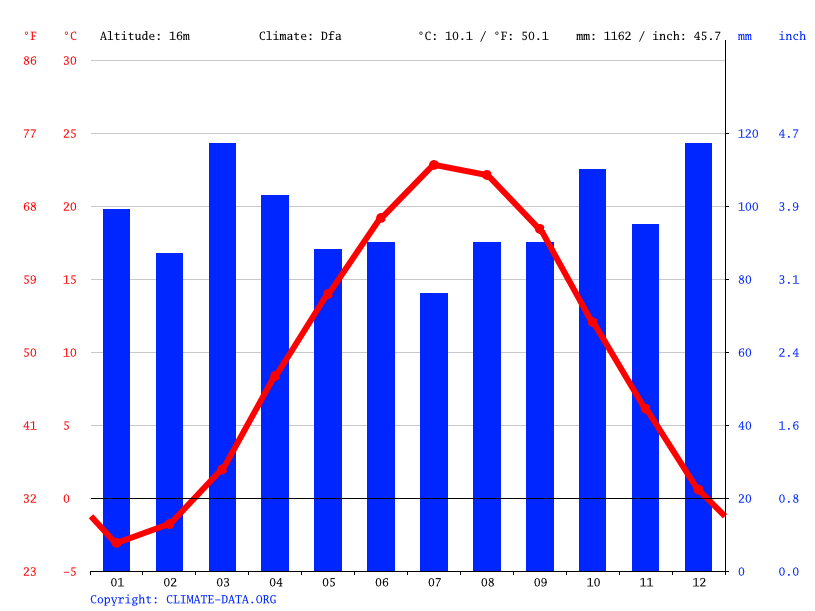
Boston’s climate is classified as humid continental, characterized by four distinct seasons, each with its own charm and temperature profile. Understanding these patterns is key to planning your perfect trip, whether you’re seeking a budget-friendly adventure, a luxurious escape, a family-focused vacation, or a productive business stay.
Spring in Boston: Awakening from Winter (March – May)
As Boston thaws from winter’s embrace, spring arrives with a sense of renewal, albeit with unpredictable temperatures.
- Temperatures: March can still feel quite wintry, with averages ranging from 30°F to 45°F (-1°C to 7°C). By April, temperatures climb to a more comfortable 40°F to 55°F (4°C to 13°C), and May sees pleasant averages of 50°F to 68°F (10°C to 20°C).
- Weather Characteristics: Expect a mix of sunny days, sudden rain showers, and occasionally lingering cold snaps, especially in early spring. Late spring brings more consistent warmth and blossoming greenery.
- Travel Impact: Spring is an excellent time for travelers who appreciate fewer crowds and the beauty of nature reawakening. The city’s parks, like the Boston Common and the Public Garden, burst with tulips and dogwoods. Walking tours along the Freedom Trail are enjoyable without the intense summer heat, allowing visitors to delve into history at sites such as the Old North Church and the Paul Revere House. The Charles River Esplanade becomes popular for jogging and cycling.
- Accommodation Considerations: Many hotels may offer slightly lower rates than peak summer season. Look for accommodations close to green spaces, such as the Boston Harbor Hotel or The Langham Boston, which offer proximity to waterfront activities and blooming cityscapes.
- Packing Tips: Layers are essential. Include light sweaters, waterproof jackets, comfortable walking shoes, and an umbrella.
Summer in Boston: Vibrant and Sunny (June – August)
Boston truly comes alive in summer, drawing large crowds with its warm weather and an abundance of outdoor activities.
- Temperatures: June offers pleasant temperatures from 60°F to 75°F (16°C to 24°C). July and August are the warmest months, with averages typically ranging from 65°F to 85°F (18°C to 29°C), often exceeding 90°F (32°C) with significant humidity.
- Weather Characteristics: Expect warm, sunny days interspersed with occasional thunderstorms and periods of high humidity.
- Travel Impact: This is peak tourist season. Attractions like Faneuil Hall Marketplace, the Boston Tea Party Ships & Museum, and the New England Aquarium are bustling. Whale watching tours depart regularly, and baseball games at Fenway Park are a quintessential Boston experience. Exploring the campuses of Harvard University or MIT is popular. Castle Island offers waterfront breezes and views of Boston Harbor.
- Accommodation Considerations: Hotels are at their most expensive, and booking well in advance is crucial. Look for accommodations with good air conditioning and perhaps a pool for cooling off, like the Four Seasons Hotel Boston or the Omni Parker House.
- Packing Tips: Lightweight, breathable clothing is a must. Don’t forget sunscreen, a hat, sunglasses, and comfortable sandals or walking shoes. A light jacket for cooler evenings is also advisable.
Autumn in Boston: A Tapestry of Colors (September – November)
Many consider autumn the most beautiful time to visit Boston, thanks to its stunning fall foliage and pleasant temperatures.
- Temperatures: September brings mild, comfortable weather, averaging 55°F to 70°F (13°C to 21°C). October cools down to 45°F to 60°F (7°C to 16°C), and November gets crisp, with temperatures from 35°F to 50°F (2°C to 10°C).
- Weather Characteristics: Generally sunny and clear days, with cooler nights. Rainfall is moderate. The highlight is the brilliant display of red, orange, and gold leaves.
- Travel Impact: This season is ideal for scenic drives and walks. The Arnold Arboretum and the Public Garden are spectacular. Day trips to nearby towns like Salem are popular, especially around Halloween. Cultural events like the Head of the Charles Regatta draw large crowds. Indoor landmarks and museums remain excellent choices.
- Accommodation Considerations: Hotel prices can still be high in early autumn due to popularity but generally decrease as winter approaches. Many travelers seek cozy boutique hotels like The Liberty Hotel or XV Beacon to enjoy the ambiance.
- Packing Tips: Layers are again crucial. Pack sweaters, a medium-weight jacket, jeans or comfortable trousers, and sturdy walking shoes. Gloves and a hat might be needed by late October or November.
Winter in Boston: A Snowy Wonderland (December – February)
Boston winters are cold and often snowy, creating a picturesque, albeit chilly, landscape.
- Temperatures: December typically ranges from 25°F to 40°F (-4°C to 4°C). January and February are the coldest months, with averages between 20°F to 35°F (-7°C to 2°C), though temperatures can drop significantly below 0°F (-18°C) during cold snaps.
- Weather Characteristics: Expect cold temperatures, frequent snowfall, and strong winds, especially near the coast. Blizzards are possible.
- Travel Impact: Winter offers a unique charm, particularly for those who enjoy festive holiday atmospheres or winter sports. Ice skating on the Frog Pond in Boston Common is a favorite activity. Indoor attractions become prime destinations, including the Museum of Science, the Boston Children’s Museum, and exploring Quincy Market for shopping and dining. Many hotels and resorts transform into cozy havens, offering seasonal amenities.
- Accommodation Considerations: Hotel prices are generally lower, except around major holidays like Christmas and New Year’s. Look for hotels with excellent heating, cozy communal areas, and perhaps an indoor pool, such as The Ritz-Carlton, Boston or the Hyatt Regency Boston.
- Packing Tips: Warmest clothing is essential: heavy winter coat, waterproof boots with good traction, thermal layers, hats, gloves, and scarves.
Planning Your Boston Getaway: Temperature’s Influence on Your Itinerary
The temperature in Boston is more than just a number; it’s a foundational element influencing every aspect of your travel planning. From the historical depths of the USS Constitution to the modern marvels of Copley Square, your comfort and enjoyment are intrinsically linked to the thermometer.
Adapting Activities to the Forecast
For outdoor enthusiasts, summer and autumn are prime. You can spend full days exploring the Freedom Trail, taking harbor cruises, or enjoying the vibrancy of Faneuil Hall Marketplace. However, if visiting in summer, plan your outdoor activities for cooler mornings or evenings to avoid the midday heat and humidity. Winter calls for a shift towards indoor pursuits. World-class museums, theatre shows, shopping at the Prudential Center, or visiting the Skywalk Observatory offer warmth and cultural enrichment. Even historically significant sites like the Bunker Hill Monument might be better viewed from a distance or on a day with less biting wind in winter.
Accommodation and Amenities
Your choice of accommodation can significantly impact your comfort based on the season. In summer, prioritize hotels with robust air conditioning. A suite or apartment with a balcony overlooking the Charles River is glorious on a mild evening, but less appealing during a heatwave without proper cooling. For winter stays, ensure your chosen establishment offers excellent heating. Indoor amenities become more valuable, from heated pools and fitness centers at resorts like the Mandarin Oriental Boston to cozy hotel bars and lounges where you can unwind after a chilly day of exploration. Consider hotels offering easy access to public transportation or enclosed walkways to minimize exposure to the elements.
Lifestyle and Budget Travel Considerations
Temperature can also influence your travel lifestyle. Luxury travel in Boston might mean booking a room at The Godfrey Hotel Boston during the vibrant summer, enjoying rooftop bars and al fresco dining. For budget travel, visiting in the shoulder seasons (spring or late autumn) or winter can yield significantly lower hotel and flight prices, allowing you to stretch your travel dollars further. Family trips in summer might prioritize outdoor fun, while winter family vacations could focus on indoor educational attractions like the Museum of Science. Business stays often necessitate a consistent climate, meaning good climate control in your hotel room or meeting suites is always a high priority, regardless of the outdoor temperature.
Essential Packing Tips for Boston’s Dynamic Weather
Given Boston’s famously changeable weather, especially in spring and autumn, mastering the art of layering is paramount.
- Layering Strategy: Always pack versatile layers. T-shirts, long-sleeved shirts, sweaters, and a versatile jacket or coat allow you to adapt to temperature swings throughout the day.
- Footwear: Comfortable, broken-in walking shoes are essential year-round. For winter, waterproof boots with good traction are a must. In summer, breathable sneakers or sandals are appropriate, but always bring a closed-toe option.
- Accessories: An umbrella is useful in all seasons except perhaps the driest parts of summer. In winter, pack a warm hat, gloves or mittens, and a scarf. Sunglasses are useful year-round.
- Seasonal Specifics: Consider thermal underwear for deep winter, and moisture-wicking fabrics for humid summer days.
Beyond the Thermometer: Experiencing Boston’s Climate through its Culture and Cuisine
The temperature in Boston isn’t just about comfort; it shapes the city’s cultural rhythm and culinary offerings. Experiencing Boston means embracing how its climate influences local lifestyle and tourism year-round.
Seasonal Flavors and Local Culture
Boston’s food scene evolves with the seasons. Summer brings fresh New England seafood, clam bakes, and outdoor dining on patios overlooking Boston Harbor. Fall is synonymous with apple cider, pumpkin spice, and hearty root vegetable dishes, often enjoyed in cozy taverns. Winter calls for comforting classics like clam chowder and warm baked goods, perfect after a stroll through the snow-dusted streets. Spring sees lighter fare reappear, celebrating local produce as it becomes available. From upscale dining at the Bostonian Hotel Boston to casual eateries, local menus reflect the temperature outside.
Beyond food, seasonal festivals and events are intrinsically linked to the weather. Summer hosts numerous outdoor concerts, street fairs, and the famous Boston Pops Fireworks Spectacular on the Charles River Esplanade. Fall is celebrated with harvest festivals and Halloween activities in historic neighborhoods. Winter embraces holiday markets, festive light displays, and ice sculptures, transforming the city into a festive wonderland.

Indoor vs. Outdoor Experiences
The temperature also dictates the balance between indoor and outdoor activities. In pleasant weather, Boston’s walkable nature shines, inviting exploration of its historic neighborhoods, parks, and waterfront areas. When the weather turns, the city’s impressive array of indoor attractions offers ample refuge and enrichment. These include art museums like the Museum of Fine Arts, science centers, historical exhibits, and even shopping centers like Copley Place or the Burlington Mall (if you venture a bit outside the city). Many hotels provide excellent amenities, from spas to fine dining, ensuring your comfort regardless of the forecast.
Understanding what is the temperature in Boston USA at different times of the year is more than a simple fact; it’s a crucial insight that empowers you to tailor your entire travel experience. Whether you dream of vibrant summer days, crisp autumn strolls, cozy winter escapes, or blossoming spring awakenings, Boston offers a memorable journey. By taking the time to consider the seasonal variations and packing accordingly, you ensure that your trip to this historic New England gem is as comfortable and enjoyable as possible, allowing you to fully immerse yourself in its unique charm and character.
LifeOutOfTheBox is a participant in the Amazon Services LLC Associates Program, an affiliate advertising program designed to provide a means for sites to earn advertising fees by advertising and linking to Amazon.com. Amazon, the Amazon logo, AmazonSupply, and the AmazonSupply logo are trademarks of Amazon.com, Inc. or its affiliates. As an Amazon Associate we earn affiliate commissions from qualifying purchases.