
The question of whether Texas is a “red” or “blue” state in 2024 is far more complex than a simple binary answer, especially when viewed through the lens of travel, tourism, and lifestyle. While historically a bastion of conservative politics, often painted a deep red on electoral maps, the Lone Star State is undergoing a dynamic transformation. Its vast geographical expanse, diverse population, and booming urban centers are challenging traditional political labels, creating a vibrant tapestry that caters to an incredibly wide range of visitors and residents. For anyone planning a trip, considering accommodation, or exploring the unique lifestyle offerings of Texas, understanding this evolving political landscape can offer deeper insight into the various cultural experiences available.
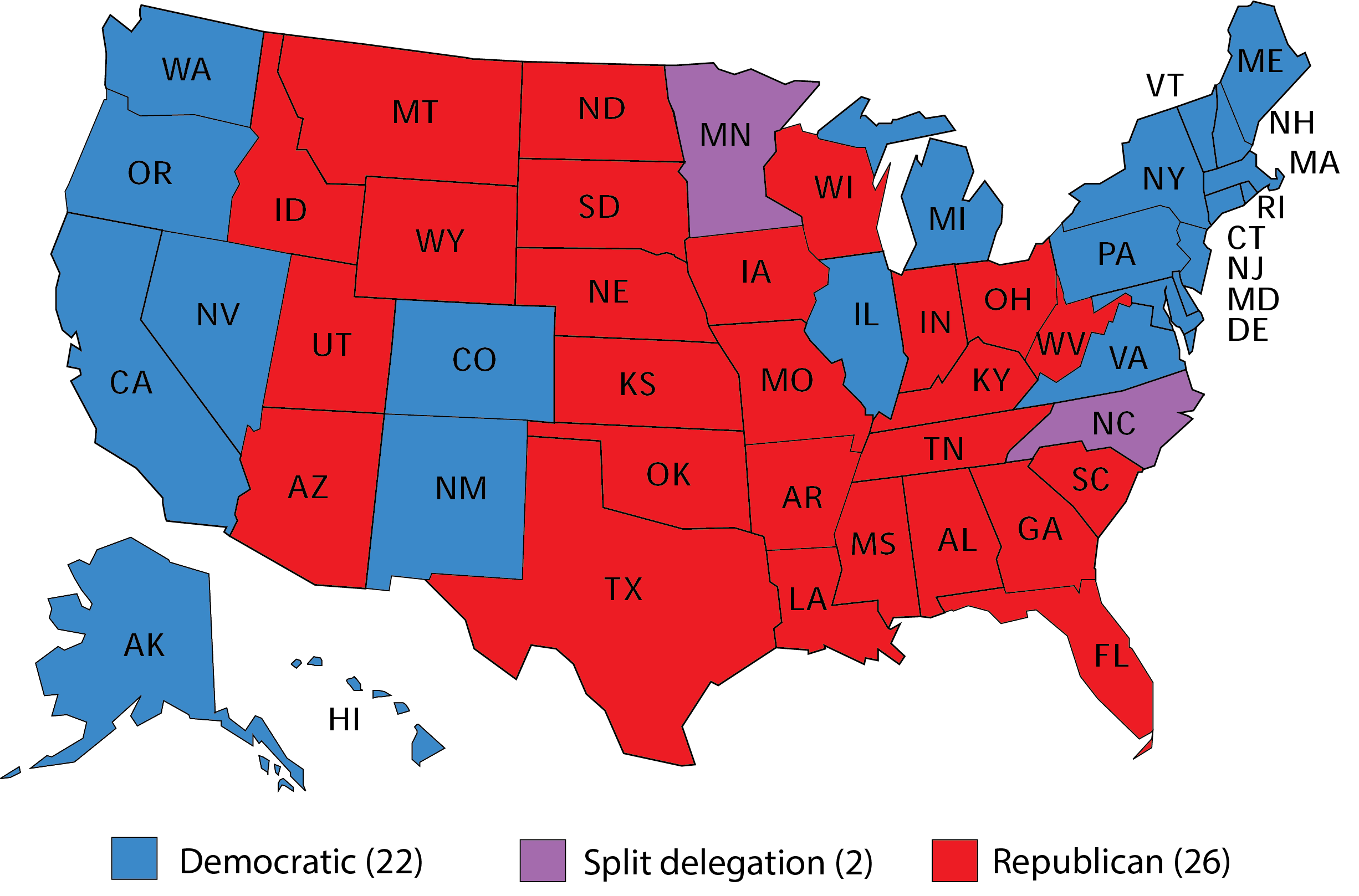
The Political Landscape of Texas: A Closer Look
Texas’s political identity in 2024 is a fascinating study in contrasts and demographic shifts. While statewide elections often lean Republican, the margins have been shrinking, and the state’s major metropolitan areas increasingly vote Democratic, creating a compelling internal struggle that resonates throughout its culture and economy.
Historical Context and Recent Trends
For decades, Texas has been a stronghold for the Republican Party, consistently voting for conservative candidates in national and statewide races. This long-standing “red” reputation is rooted in its cultural heritage, strong agricultural and energy sectors, and a population that historically valued self-reliance and limited government intervention. However, the last decade has seen significant demographic shifts, particularly a rapid increase in the Hispanic population and an influx of out-of-state residents drawn by job opportunities and a lower cost of living. These new Texans, often settling in urban areas, tend to bring more diverse political viewpoints, gradually altering the state’s political calculus.
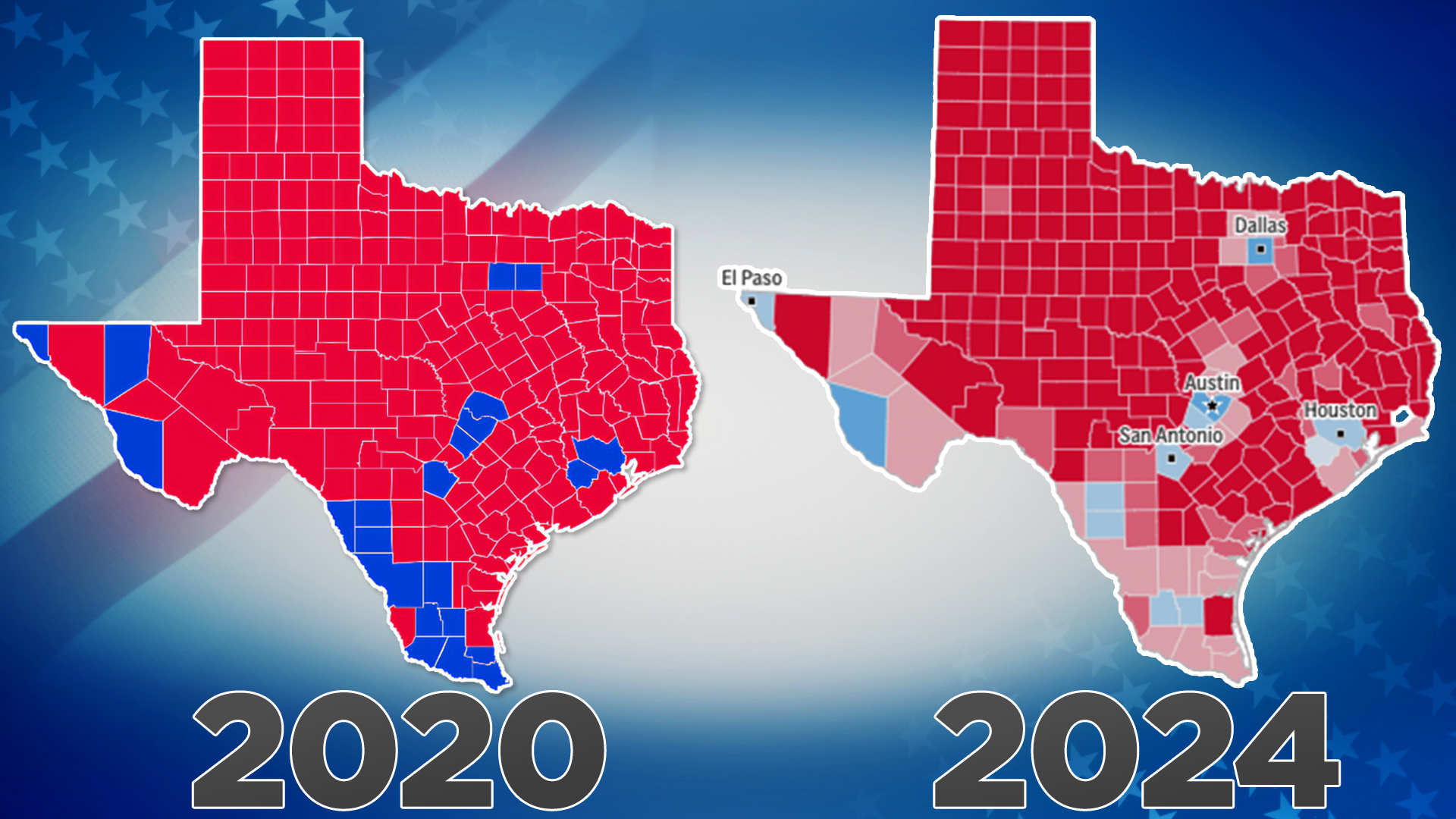
The major cities of Texas—Houston, Dallas, Austin, and San Antonio—have emerged as significant “blue” enclaves. These urban centers, bustling with innovation, diverse communities, and a younger demographic, consistently vote Democratic, often by substantial margins. Surrounding suburban counties, once reliably Republican, are also showing signs of shifting, becoming swing areas that can significantly influence election outcomes. This dynamic makes Texas a perpetual battleground state, with both national parties investing heavily in its future.
Urban Blue vs. Rural Red
The stark contrast between urban and rural Texas is perhaps the most defining feature of its political landscape. The vibrant, sprawling cities like Austin, known for its progressive policies, live music scene, and tech industry, stand in stark opposition to the vast, conservative rural stretches that uphold traditional Texan values.
In Austin, for example, one might find a preponderance of eco-conscious initiatives, diverse culinary scenes catering to various dietary preferences, and a generally more liberal social atmosphere. This attracts a specific type of traveler and resident, often seeking unique experiences and a tolerant, open-minded community. Conversely, venturing into the small towns of the Texas Hill Country or the Panhandle reveals a more traditional pace of life, where community events often revolve around rodeos, church gatherings, and local festivals that celebrate deep-rooted Texan heritage. These areas, staunchly conservative, offer a glimpse into a different aspect of Texas culture, attracting visitors interested in outdoor activities, historical sites, and authentic small-town charm.
This dichotomy is not just political; it shapes the very fabric of lifestyle and tourism. It means that within the same state, a traveler can move from a bustling, progressive metropolis with a thriving nightlife and art scene to a quiet, conservative rural town focused on heritage and natural beauty, all within a few hours’ drive. This diverse political identity, far from being a deterrent, actually enhances Texas‘s appeal as a destination, offering an unparalleled range of experiences.
Navigating Texas: A Diverse Travel and Tourism Experience
The political leanings of different regions in Texas subtly influence the unique travel and tourism experiences available, crafting diverse atmospheres from one city to the next. Understanding this allows travelers to better tailor their adventures to match their interests, whether seeking a cutting-edge urban escape or a tranquil historical retreat.
From Big Cities to Historic Towns
Austin, often dubbed the “Live Music Capital of the World,” embodies the “blue” spirit of Texas with its laid-back, progressive vibe. Visitors are drawn to its iconic music venues on Sixth Street, the vibrant food truck scene, and outdoor activities around Lake Travis and the Colorado River. Events like South by Southwest (SXSW) attract a global audience, showcasing technology, film, and music in an atmosphere of innovation and inclusivity. Accommodation options range from trendy boutique hotels like The Driskill Hotel to eco-friendly guesthouses, reflecting the city’s forward-thinking ethos. The Texas State Capitol building itself is a landmark, an architectural marvel that stands as a symbol of the state’s enduring political spirit.
Dallas and Houston, while also strong “blue” cities in terms of voting patterns, represent a more business-oriented and cosmopolitan liberal approach. Dallas offers world-class shopping, a thriving arts district, and a sophisticated culinary scene. Travelers can explore the Dallas Arts District, home to impressive museums and performance venues, or indulge in luxury stays at places like the Omni Dallas Hotel. Houston, a global energy hub, boasts incredible cultural diversity, a robust restaurant scene, and iconic attractions such as the NASA Johnson Space Center, which draws science and history enthusiasts from around the globe. Its hotel scene caters to both business travelers and leisure seekers, from opulent resorts to extended-stay apartments.
In contrast, San Antonio, while politically trending blue, maintains a strong connection to its deep historical roots, offering a different kind of “Texas” experience. Home to The Alamo and the enchanting San Antonio River Walk, it attracts millions annually to its rich Spanish colonial heritage. The vibe here is less about modern progressivism and more about preserving and celebrating history, making it a unique cultural destination. Hotels like Hotel Emma at Pearl Brewery beautifully blend historical architecture with contemporary luxury.
Moving into more rural and traditionally “red” parts of Texas, the experiences shift to rugged natural beauty and authentic Western culture. Places like Fort Worth, often considered “Where the West Begins,” offers a more conservative, family-friendly atmosphere centered around its cattle-drive heritage at the Fort Worth Stockyards National Historic District. The Texas Hill Country, a scenic region known for its vineyards, peach orchards, and natural swimming holes like those at Canyon Lake, offers serene escapes. Here, accommodations range from charming bed and breakfasts to rustic cabins, appealing to those seeking a quieter, more traditional United States experience.
Iconic Landmarks and Cultural Tapestry
Texas is home to an array of iconic landmarks that transcend political divisions, drawing visitors based on their universal appeal. From the solemn history of The Alamo in San Antonio to the awe-inspiring wilderness of Big Bend National Park in West Texas, these sites offer profound experiences regardless of one’s political stripe. The Guadalupe Mountains National Park provides unparalleled hiking and natural beauty, appealing to outdoor enthusiasts. Meanwhile, the beaches of Galveston Island and Padre Island National Seashore offer coastal relaxation, from bustling family resorts to untouched natural preserves.
The state’s cultural tapestry is similarly rich and varied. The distinct Tejano culture, particularly vibrant in San Antonio and the Rio Grande Valley, reflects its Mexican heritage through food, music, and festivals. German and Czech influences are prominent in the Hill Country towns like Fredericksburg and New Braunfels, evident in their architecture, cuisine, and annual celebrations. This rich blend of traditions means that tourism in Texas is never monolithic; it’s a journey through diverse historical narratives and living cultures, appealing to a global audience seeking authentic experiences.
Accommodation and Lifestyle: Catering to Every Traveler
The varied political and cultural landscape of Texas directly translates into a broad spectrum of accommodation options and lifestyle experiences, ensuring that every traveler finds their ideal stay, whether for luxury, budget, family trips, or business.
Hotel Diversity Across the State
The hotel industry in Texas is as diverse as its geography. In the “blue” metropolitan hubs, luxury and boutique hotels are abundant, catering to sophisticated tastes. Dallas and Houston boast numerous Five-Star Hotels and resorts offering world-class amenities, fine dining, and extensive meeting facilities, perfect for business travelers and those seeking indulgent getaways. Austin excels with trendy, artistic boutique hotels and a strong presence of Four Seasons Hotel Austin and Fairmont Austin caters to a younger, more design-conscious demographic, often featuring live music venues and farm-to-table restaurants.
Conversely, in the more rural and “red” parts of the state, accommodation leans towards family-friendly resorts, charming bed and breakfasts, and practical budget hotels. Towns near popular outdoor destinations like Canyon Lake or Port Aransas on the Gulf Coast offer vacation rentals, cabins, and campgrounds, emphasizing access to nature and outdoor activities. These options cater to budget travelers, families, and those seeking an authentic, less commercialized experience. Even in larger “red” cities like Fort Worth, you’ll find a blend, with historic hotels in the Stockyards offering a taste of the Old West alongside modern hotels catering to convention-goers.
For those planning longer stays, furnished apartments and extended-stay options are plentiful in both urban and suburban areas, accommodating everyone from relocating professionals to digital nomads exploring different Texan communities. The options are truly endless, reflecting the economic vitality and diverse demands across the state.

Lifestyle Choices and Travel Implications
The political leanings also manifest in lifestyle choices that affect tourism. In “blue” cities like Austin, the emphasis on sustainability, local sourcing, and alternative wellness is prominent. This translates into abundant farmers’ markets, vegan-friendly restaurants, yoga studios, and outdoor adventure sports, appealing to a health-conscious and environmentally aware demographic. The liberal arts and music scene also means a rich calendar of festivals, independent film screenings, and diverse artistic performances.
In “red” areas, the lifestyle often revolves around tradition, outdoor recreation, and community values. This might mean more opportunities for hunting, fishing, rodeo attendance, and experiencing classic Texan BBQ joints and steakhouses. The focus is on family-friendly activities, historical reenactments, and events that celebrate agricultural heritage or local craftsmanship. Even in large, predominantly Republican cities like El Paso, the emphasis might be on rugged desert landscapes, rich cultural fusion with Mexico, and a strong sense of community.
The blend of these lifestyles means that Texas can offer a luxury shopping spree in Dallas, a high-tech conference in Houston, a spiritual retreat in the Hill Country, a music festival in Austin, or a historical exploration in San Antonio—all within the same visit. This extraordinary range is precisely why Texas continues to be a top travel destination, appealing to a broad audience eager to explore its multifaceted identity.
In conclusion, labeling Texas simply as a “red” or “blue” state in 2024 overlooks its intricate political evolution and the rich diversity it offers. While its conservative roots remain strong, particularly in rural areas, the burgeoning “blue” urban centers are reshaping its identity. For travelers, this means Texas is not a monolithic entity but a vibrant collection of distinct regions, each with its own political flavor, cultural nuances, and unique attractions. Whether you seek the progressive energy of a tech hub, the historical charm of a mission city, the rugged beauty of its national parks, or the laid-back appeal of its coastal towns, Texas truly offers a travel and lifestyle experience for everyone, transcending simple political classifications.
LifeOutOfTheBox is a participant in the Amazon Services LLC Associates Program, an affiliate advertising program designed to provide a means for sites to earn advertising fees by advertising and linking to Amazon.com. Amazon, the Amazon logo, AmazonSupply, and the AmazonSupply logo are trademarks of Amazon.com, Inc. or its affiliates. As an Amazon Associate we earn affiliate commissions from qualifying purchases.