
For any traveler, understanding the local time zone is far more than a simple detail; it’s a fundamental pillar of trip planning that impacts everything from flight schedules and hotel bookings to coordinating sightseeing and business meetings. When you’re setting your sights on the vibrant metropolis of Detroit, Michigan, knowing its time zone is your first step towards a seamless and enjoyable journey. Detroit, often affectionately called the Motor City, operates within the Eastern Time Zone, a significant piece of information that helps visitors from across the globe harmonize their clocks with the rhythm of this historic and resurgent city.

The Eastern Time Zone is one of the most populous time zones in the United States, encompassing a vast array of states along the East Coast and extending westward into parts of the Midwest. For Detroit, this means aligning with major cities like New York City, Washington D.C., and Miami, making cross-regional planning within the USA significantly easier for travelers heading to these destinations after their Detroit adventure. However, for those arriving from further west or international locales, this time difference becomes a crucial factor in managing travel fatigue and ensuring timely arrivals for planned activities.
This comprehensive guide will delve into the specifics of Detroit’s time zone, explain its implications for travelers, and provide valuable insights into navigating the city’s rich tapestry of attractions, accommodations, and unique lifestyle experiences, all while keeping a keen eye on the clock.
Understanding Eastern Time: Detroit’s Place on the Clock
Detroit’s position in the Eastern Time Zone is a constant, though its exact offset from Coordinated Universal Time (UTC) shifts throughout the year due to the observance of Daylight Saving Time. Understanding this seasonal adjustment is key for any meticulously planned trip.
Eastern Standard Time (EST) vs. Eastern Daylight Time (EDT)
The Eastern Time Zone operates under two primary designations:
- Eastern Standard Time (EST): This is the official time during the colder months, roughly from early November to mid-March. During EST, Detroit is UTC-5, meaning it is five hours behind Coordinated Universal Time (UTC).
- Eastern Daylight Time (EDT): This is observed during the warmer months, typically from mid-March to early November. When EDT is in effect, clocks are moved forward by one hour, making Detroit UTC-4.
The transition between EST and EDT occurs like clockwork. In the spring, usually the second Sunday in March, clocks “spring forward” one hour. In the fall, typically the first Sunday in November, they “fall back” one hour, returning to EST. This annual adjustment is a critical detail, especially if your travel dates straddle these transition periods, as it could affect arrival times, scheduled tours, and even hotel check-in procedures.
The history of time zones in the USA is rooted in railroad standardization during the late 19th century, a fascinating historical tidbit that highlights the pragmatic need for uniform timekeeping across vast distances. Before this, towns often set their clocks based on local solar noon, leading to chaotic differences over short distances. Today, the system is enshrined in federal law, ensuring consistent time across designated regions and making travel and commerce more efficient. Michigan, like most of its eastern counterparts, has firmly adopted the Eastern Time Zone for practical and historical reasons.
Why Detroit’s Time Zone Matters for Travelers
The seemingly simple concept of a time zone holds significant weight for travelers. Ignoring it can lead to missed connections, forfeited bookings, and an unnecessary dose of stress.
- Flight Schedules and Connections: All flight times, whether for arrival in Detroit Metropolitan Wayne County Airport (DTW) or departures, are listed in local time. If you’re flying in from the Pacific Time Zone ([UTC-8]/[UTC-7]), for example, you’re looking at a three-hour time difference (or four hours during EDT). This means a 9 AM flight from Los Angeles landing in Detroit five hours later would actually be arriving at 5 PM local Detroit time, not 2 PM. Miscalculating this can lead to significant disruptions, especially if you have connecting flights or tight schedules.
- Hotel Check-ins and Check-outs: Hotels operate strictly on local time. Arriving “early” by your home time but “late” by Detroit time could mean missing your check-in window, especially if you didn’t inform the hotel of a late arrival. Similarly, misjudging check-out times can incur additional fees.
- Planning Meetings, Tours, and Events: Whether you’re in Detroit for business or pleasure, local events, museum hours, restaurant reservations, and concert start times are all firmly set to the Eastern Time Zone. Coordinating with local contacts or tour operators requires precise time zone awareness to avoid confusion and ensure punctuality.
- Minimizing Jet Lag: For travelers crossing multiple time zones, particularly from the west, jet lag can significantly impact the initial days of a trip. Knowing the exact time difference allows you to mentally prepare and adjust your sleep schedule gradually before and during your journey. Hydration, exposure to sunlight, and strategic napping can also help mitigate the effects, but the first step is always understanding the time shift.
- Coordination with Friends and Family: Staying connected with loved ones back home becomes easier when you’re aware of the time difference. A quick call to family in London or a business update to a colleague in Beijing requires a quick mental calculation to ensure you’re not calling them in the middle of the night.
Navigating the Time Difference: A Traveler’s Guide to Detroit
Once you’re aware of Detroit’s time zone, the next step is to integrate this knowledge into your travel planning. A few practical tips can make all the difference, ensuring your focus remains on enjoying the city rather than wrestling with your watch.
Practical Tips for Managing Time in Detroit
Modern technology has made time zone management considerably simpler, but a few old-fashioned habits still come in handy.
- Automatic Time Zone Settings: Most smartphones and smartwatches automatically adjust to the local time zone when you arrive at your destination. Ensure this feature is enabled before you travel. However, it’s always a good practice to manually verify the time upon arrival to avoid any tech glitches.
- Confirming Local Times for Bookings: Double-check all your reservations – flights, hotels, car rentals, restaurant tables, event tickets – and ensure you understand the times listed are in Detroit local time. If you booked from a different time zone, confirm whether the confirmation email reflects your home time or the destination’s local time.
- Using Time Zone Converter Apps: Many free and reliable time zone converter apps are available for your mobile device. These can be invaluable for quickly calculating time differences between Detroit and your home location or any other city you might need to coordinate with.
- Advice for International Travelers: For those arriving from distant lands, especially Europe, Asia, or Australia, the time difference can be substantial. Try to adjust your sleep schedule a few days before your trip by going to bed earlier or later, depending on your direction of travel. Once in Detroit, try to quickly adapt to the local schedule for meals and sleep, and expose yourself to natural light during the day.
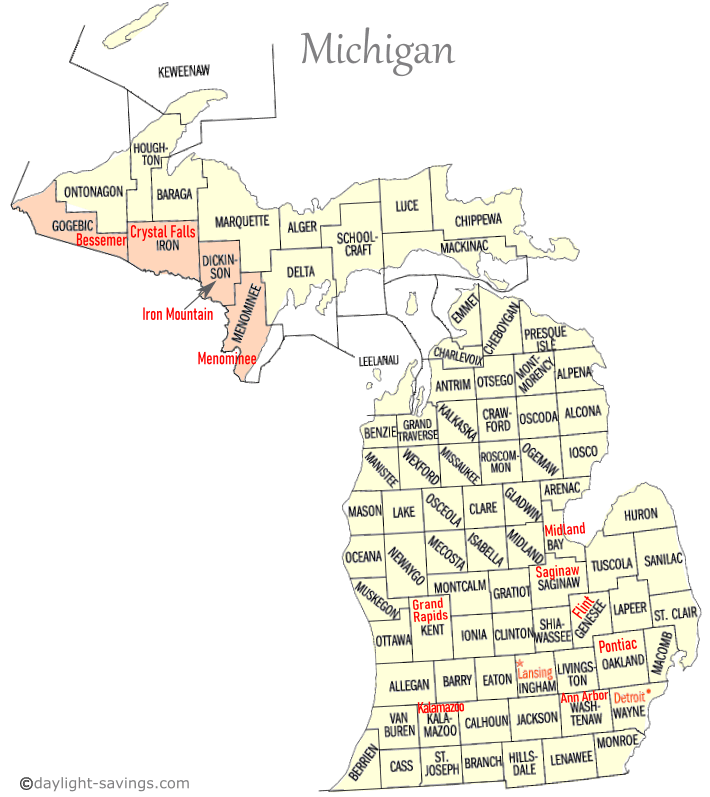
Detroit’s Proximity to Other Time Zones
Detroit’s geographical location also means it’s relatively close to other time zones, which can be relevant for road trips or understanding regional dynamics.
- Windsor, Ontario, Canada: Uniquely, Detroit shares an international border with Windsor, Ontario, Canada. Crucially, Windsor also observes the Eastern Time Zone and follows the same Daylight Saving Time schedule. This makes cross-border visits incredibly convenient from a time perspective, allowing for seamless day trips to explore Canadian culture, dining, or casinos just across the Detroit River.
- Chicago, Illinois: A major hub just a few hours’ drive west, Chicago operates on Central Time ([UTC-6]/[UTC-5]). This means Chicago is always one hour behind Detroit. If you’re planning a multi-city tour that includes both Detroit and Chicago, remember to adjust your watches as you cross into Illinois. This one-hour shift is significant for business travelers commuting between the two cities or for tourists planning activities in both. For example, leaving Detroit at 9 AM EST will get you to Chicago around 1 PM CST (assuming a four-hour drive), effectively making it a five-hour journey in terms of your personal clock.
Beyond the Clock: Experiencing Detroit’s Vibrant Culture and Attractions
While understanding Detroit’s time zone is essential for practical travel logistics, it’s merely the prelude to exploring a city brimming with history, innovation, and an undeniable spirit of resilience. Detroit offers a unique blend of experiences that cater to every type of traveler, from history buffs and art aficionados to foodies and sports enthusiasts.
Iconic Landmarks and Must-See Attractions
Detroit’s rich past and dynamic present are reflected in its impressive array of landmarks and attractions.
- The Henry Ford Museum of American Innovation and Greenfield Village: Located just outside the city center in Dearborn, this vast complex is a testament to American ingenuity. From Rosa Parks’ bus to the chair Abraham Lincoln was assassinated in, the museum houses iconic artifacts. Greenfield Village offers a living history experience, with historic buildings and craft demonstrations, making it an ideal destination for families and history enthusiasts.
- Motown Museum: “Hitsville USA” is where the magic happened. The former headquarters and recording studio of Motown Records is a pilgrimage site for music lovers. Step into Studio A, where legends like The Supremes and Marvin Gaye recorded timeless hits, and feel the energy of a musical revolution.
- Detroit Institute of Arts (DIA): Home to over 65,000 works of art, the DIA boasts one of the largest and most significant art collections in the United States. Its crown jewel is Diego Rivera’s “Detroit Industry Murals,” a stunning fresco cycle that pays homage to the city’s manufacturing prowess.
- Belle Isle Park: This 982-acre island park, designed by Frederick Law Olmsted (the landscape architect behind New York City’s Central Park), offers stunning skyline views, a conservatory, an aquarium, and plenty of recreational opportunities. It’s an urban oasis perfect for a leisurely afternoon.
- Architectural Marvels: Detroit’s downtown skyline is a captivating mix of historic art deco buildings and modern structures. Don’t miss the intricate details of the Guardian Building, a National Historic Landmark, or the opulence of the Fox Theatre, a beautifully restored movie palace and performing arts venue.
- Sports Venues: For sports fans, Detroit offers top-tier professional sports. Catch a Detroit Tigers baseball game at Comerica Park or watch the Detroit Red Wings (NHL) or Detroit Pistons (NBA) at the state-of-the-art Little Caesars Arena.
Culinary Delights and Accommodation in the Motor City
Detroit’s revitalization has brought a renaissance to its culinary scene and a diverse range of accommodation options to suit every traveler’s taste and budget.
- Food Scene: No visit to Detroit is complete without indulging in its iconic local foods. Try the famous Detroit-style pizza, known for its rectangular shape, thick, chewy crust, and caramelized cheese edges. Sink your teeth into a Coney dog from rival establishments Lafayette Coney Island or American Coney Island. Beyond these classics, the city boasts an eclectic array of restaurants, from fine dining to casual eateries, reflecting its diverse cultural influences and a burgeoning farm-to-table movement.
- Accommodation: Detroit’s hotel landscape has expanded dramatically, offering something for every style of traveler:
- Luxury Hotels: For those seeking upscale experiences, properties like the elegant Shinola Hotel in downtown Detroit offers boutique luxury, while the Detroit Marriott at the Renaissance Center provides stunning riverfront views and direct access to shops and restaurants. The MGM Grand Detroit combines lavish accommodations with a vibrant casino atmosphere.
- Boutique Stays: Smaller, independently owned hotels offer unique charm and personalized service, often reflecting the city’s artistic and historic character.
- Budget-Friendly Options: Numerous chains and independent hotels provide comfortable and affordable stays, especially in areas slightly outside the immediate downtown core or closer to the airport.
- Short-Term Rentals: For longer stays or those seeking a more local experience, apartments and villas available through platforms like Airbnb offer flexibility and a chance to immerse oneself in different neighborhoods. When booking, always check reviews, amenities, and location to ensure it aligns with your travel style, whether it’s a family trip, a business stay, or a solo adventure.
Planning Your Perfect Detroit Getaway
With the clock in mind and an appetite for adventure, planning your Detroit getaway becomes an exciting endeavor.
Best Time to Visit and Event Planning
Detroit experiences four distinct seasons, each offering a different charm.
- Spring (April-May): Pleasant temperatures, blooming flowers, and the start of outdoor festivals. Ideal for sightseeing and enjoying Belle Isle Park.
- Summer (June-August): Warm and sunny, perfect for baseball games, riverfront activities, and numerous street festivals. This is peak tourist season, so book accommodations and popular attractions in advance.
- Fall (September-October): Crisp air, vibrant fall foliage, and comfortable temperatures make it an excellent time for exploring. Football season is in full swing.
- Winter (November-March): Cold and snowy, offering opportunities for ice skating at Campus Martius Park and experiencing the city’s holiday lights. Many indoor attractions like museums and theaters provide a warm escape.
Regardless of when you visit, always cross-reference event schedules and opening hours with the current Detroit time zone to avoid any disappointments. A festival that starts at 10 AM local time means exactly that, not 10 AM by your home clock.

Essential Travel Tips for an Enjoyable Stay
- Transportation: Detroit is a city built for cars, and having access to one (either your own or a rental) is often the most convenient way to explore, especially if you plan to visit attractions outside downtown like The Henry Ford Museum. Downtown, the QLine streetcar offers a convenient way to get around Woodward Avenue, and ride-sharing services are readily available.
- Local Etiquette: Detroiters are generally friendly and proud of their city. Engage with locals, be respectful of the city’s history, and you’ll find a welcoming atmosphere.
- Pre-booking: For popular attractions like the Motown Museum, it’s highly recommended to book tickets online in advance, especially during peak season. This saves time and guarantees entry. Remember to note the local time for your booked slot.
In conclusion, understanding “What is Detroit MI Time Zone?” is the foundational knowledge for any successful trip to the Motor City. Operating in the Eastern Time Zone, with its seasonal shift between EST and EDT, impacts every logistical aspect of your journey. By being mindful of the clock, utilizing technology, and applying smart planning, you can effortlessly navigate time differences and fully immerse yourself in Detroit’s captivating blend of innovation, culture, and undeniable spirit. So set your watch, and get ready to explore one of America’s most fascinating urban destinations!
LifeOutOfTheBox is a participant in the Amazon Services LLC Associates Program, an affiliate advertising program designed to provide a means for sites to earn advertising fees by advertising and linking to Amazon.com. Amazon, the Amazon logo, AmazonSupply, and the AmazonSupply logo are trademarks of Amazon.com, Inc. or its affiliates. As an Amazon Associate we earn affiliate commissions from qualifying purchases.