
For travelers planning an unforgettable journey through the vast and diverse landscapes of the Lone Star State, or for residents simply navigating daily life, understanding Texas‘s time zones is more than just a trivial detail—it’s a critical piece of information for seamless travel, efficient business, and an enjoyable lifestyle. The short answer to the question “Is Texas Central Standard Time?” is, for the most part, yes. The vast majority of the state, including its major metropolitan areas and iconic travel destinations, operates on Central Time. However, like many expansive geographical regions, Texas presents a fascinating exception that adds a layer of complexity for those venturing to its far western reaches.
This comprehensive guide delves into the specifics of Texas’s time zones, exploring why this arrangement exists, how Daylight Saving Time impacts schedules, and the practical implications for anyone planning to visit or reside in this dynamic United States state. From booking accommodations to coordinating activities, understanding the temporal nuances of Texas is essential for a smooth and rewarding experience.
The Dominant Time Zone: Central Time
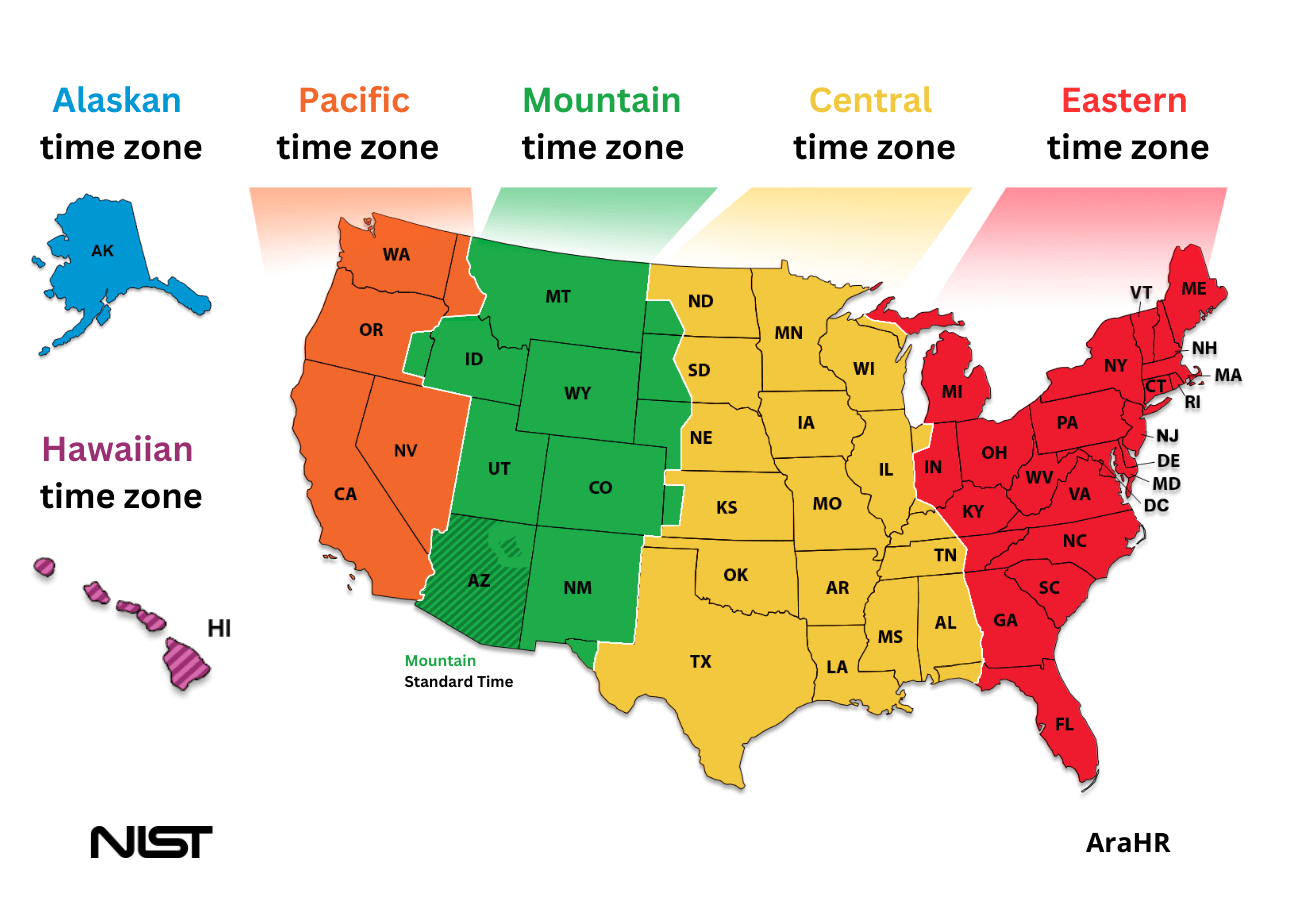
The overwhelming majority of Texas falls within the Central Time Zone (CT). This includes the state’s most populous cities and premier travel destinations, making it the standard reference point for most interactions within Texas. When you hear “Texas time,” it almost invariably refers to Central Time.
During the winter months, from early November to mid-March, this is specifically Central Standard Time (CST), which is UTC-6. As spring arrives, Texas, along with most of the United States, observes Daylight Saving Time, shifting to Central Daylight Time (CDT), which is UTC-5. This “spring forward” and “fall back” ritual is a familiar part of the lifestyle for residents and an important consideration for travelers booking flights or arranging tours.
Major cities such as Houston, Dallas, Austin, and San Antonio all operate on Central Time. This uniformity across the state’s economic, cultural, and political hubs simplifies planning for visitors exploring multiple destinations. Whether you’re savoring the vibrant culinary scene in Austin, exploring the historic sites of San Antonio, experiencing the urban sophistication of Dallas, or enjoying the coastal charm of Houston near the Gulf of Mexico, your watch will remain on Central Time. This consistency extends to most state landmarks, national parks, and other attractions across the vast central and eastern parts of Texas, including the famous Big Bend National Park in the southwestern part of the state.
The geographical reach of the Central Time Zone in Texas covers an immense area, stretching from the eastern border with Louisiana and Arkansas to the northern border with Oklahoma, and extending deep into the west. This vastness contributes to Texas’s diverse topography, from piney woods and prairies to deserts, all unified under a single temporal rhythm for the majority of its inhabitants.
Historical Context and Geographical Logic
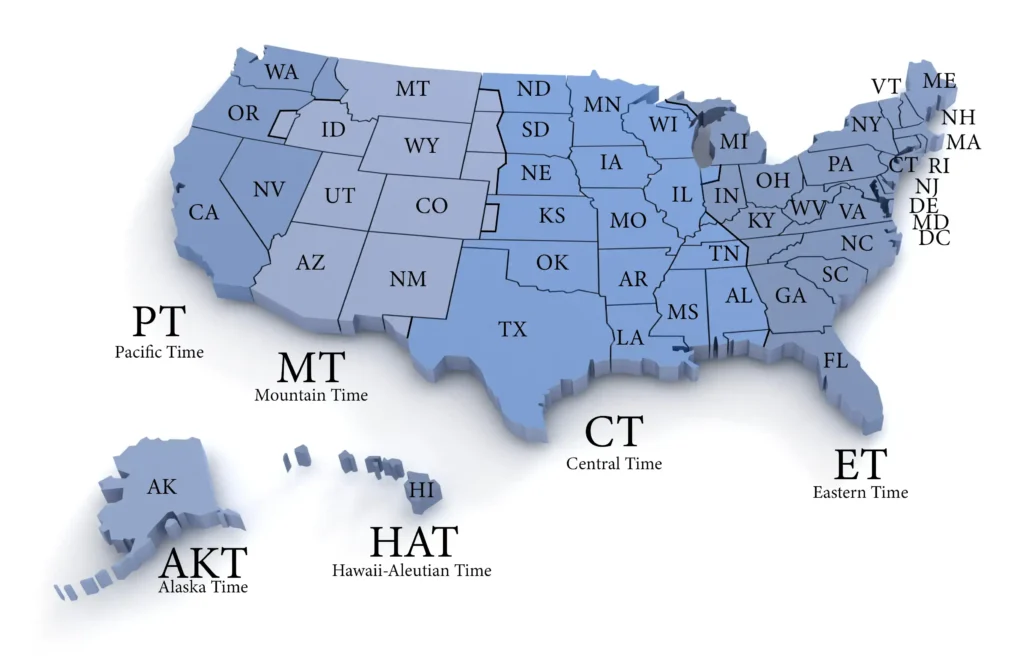
The establishment of time zones in the United States was primarily driven by the expansion of railroads in the late 19th century. Before standard time, each city often kept its own local time, making railroad scheduling a logistical nightmare. The railroads voluntarily adopted a standard system in 1883, which was later codified into law by the Standard Time Act of 1918. This act divided the country into four primary time zones: Eastern, Central, Mountain, and Pacific.
Texas’s considerable east-to-west expanse, spanning over 800 miles at its widest point, naturally places it across the geographical ideal boundary between the Central and Mountain Time Zones. While most of the state’s population centers and historical development occurred in its eastern and central parts, firmly aligning with Central Time, the extreme western counties naturally extend into the longitude where Mountain Time becomes more appropriate for solar alignment. This geographical reality is the root cause of the state’s time zone split, balancing administrative convenience with natural solar rhythms.
The Western Exception: Mountain Time
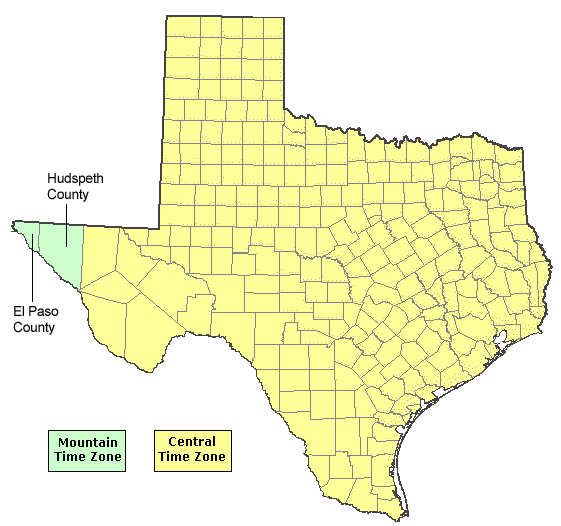
While the majority of Texas adheres to Central Time, there’s a notable exception in its far western corner: the city of El Paso and all of Hudspeth County. These areas operate on Mountain Time, setting them one hour behind the rest of the state. During the winter, they observe Mountain Standard Time (MST), which is UTC-7, and during Daylight Saving Time, they switch to Mountain Daylight Time (MDT), which is UTC-6.
This distinction is crucial for travelers, particularly those on road trips across the state or flying into El Paso International Airport. Imagine driving from Dallas to El Paso—a journey that takes over 8 hours. When you arrive, you’ll need to turn your clock back one hour, effectively gaining an hour. Conversely, traveling eastward from El Paso means losing an hour. This shift can subtly impact everything from hotel check-in times to meeting schedules if not properly accounted for.
The reason for El Paso and Hudspeth County being in the Mountain Time Zone is purely geographical. They are physically located much farther west than the rest of Texas, bordering New Mexico, which predominantly uses Mountain Time. To maintain consistency with its immediate neighbors and align with the natural solar day (where noon is roughly when the sun is highest), these areas adopted the western time zone. This makes sense from a local commerce and lifestyle perspective, as El Paso’s economic and cultural ties often extend westward into New Mexico and even to Ciudad Juárez in Mexico, which also largely observes Mountain Time.
Beyond El Paso itself, this time zone boundary encompasses a largely rural and mountainous region, home to natural wonders like the Guadalupe Mountains National Park, a testament to the diverse beauty of the Chihuahuan Desert. For adventurers exploring these western Texas landscapes, keeping track of the time zone is just another part of planning their outdoor experiences.
Navigating Time Zones: Practical Implications for Travelers and Residents
Understanding Texas’s time zone configuration is more than an academic exercise; it has real-world implications for anyone interacting with the state. From planning itineraries to coordinating family visits, a grasp of the time zones ensures smooth transitions and avoids unnecessary stress.
Planning Your Travel Itinerary
For tourists exploring Texas destinations, the time zone split primarily impacts journeys involving El Paso.
- Flights: When booking flights, especially connecting flights within Texas, always confirm the departure and arrival times in local time. A flight from Houston (CT) to El Paso (MT) might show a 3-hour flight duration but appear to arrive only 2 hours after departure due to the time zone change. Conversely, an eastbound flight will seem longer. Major airline booking systems usually adjust automatically, but it’s always wise to double-check.
- Road Trips: If you’re embarking on an epic Texas road trip, perhaps from the vibrant Austin music scene to the historical frontier of El Paso, be prepared for the time change. It’s a significant drive, and adjusting your internal clock and schedule upon crossing into Hudspeth County is key. Road signs might not explicitly announce the time zone change, so relying on your smartphone’s automatic time adjustment is helpful.
- Attractions and Events: Always verify the operating hours for attractions, tours, and events in El Paso and Hudspeth County with the understanding that they are one hour behind the rest of the state. Missing a timed entry to a museum or a concert because of a time zone miscalculation can be disappointing.
Booking Accommodations and Services
The time zone difference can subtly affect accommodation bookings and service appointments.
- Hotel Check-in/Check-out: While most hotels operate on their local time, misunderstandings can arise if you’re booking from a different time zone. Always confirm check-in and check-out times, especially if you have a tight schedule for meetings or attractions.
- Transportation Services: Coordinating shuttle services, car rentals, or even local taxi pickups between the two zones requires attention to detail. Ensure all parties are aware of which time zone they are referencing for pick-up or drop-off times.
- Business Travel and Meetings: For business professionals, scheduling calls or meetings between El Paso and cities like Dallas or Houston requires careful consideration. A 9 AM meeting in Dallas is an 8 AM start for colleagues in El Paso. Utilizing online scheduling tools that automatically adjust for time zones can be incredibly helpful.
Lifestyle and Communication
Beyond travel and business, the time zone difference impacts the daily lifestyle and communication for residents and those with family across the state.
- Family Communication: For families spread across Texas, remembering the one-hour difference for phone calls or video chats with relatives in El Paso becomes second nature.
- Local Culture and Rhythm: The later sunsets and sunrises in Mountain Time regions like El Paso can influence the local rhythm of life. Evening activities might start a little later, and the feeling of dusk lingers longer, which is a unique cultural nuance for those used to Central Time.
- Budget and Luxury Travel: Whether you’re a budget traveler meticulously planning every hour or a luxury traveler seeking seamless experiences, awareness of the time zones is a small detail that makes a big difference in ensuring your trip goes off without a hitch. From confirming reservations at a boutique hotel in Austin to scheduling a private tour of a San Antonio landmark, temporal accuracy is key.
Daylight Saving Time in Texas
Texas, in its entirety, observes Daylight Saving Time. This means that both the Central Time Zone and the Mountain Time Zone areas of the state adjust their clocks forward by one hour in the spring and back by one hour in the fall.
- Spring Forward: Typically on the second Sunday in March, clocks “spring forward” one hour. Central Standard Time (CST) becomes Central Daylight Time (CDT), and Mountain Standard Time (MST) becomes Mountain Daylight Time (MDT). This results in later sunsets and earlier sunrises, maximizing daylight during the warmer months, which is particularly beneficial for tourism and outdoor activities.
- Fall Back: On the first Sunday in November, clocks “fall back” one hour. CDT reverts to CST, and MDT reverts to MST. This brings an end to the extended evening daylight but ensures that mornings are not excessively dark.
The observance of Daylight Saving Time is consistent across the state’s time zones, meaning the one-hour difference between Central Texas and El Paso remains constant throughout the year. It’s an important aspect to remember when scheduling events, especially during the transitional weekends, as many events or services might specify times in relation to the shift. This uniformity simplifies matters by removing an additional layer of temporal complexity that might otherwise arise if only one part of the state observed DST.
For travelers, Daylight Saving Time primarily affects the perceived length of their day. Visiting in the summer means longer evenings to explore landmarks, enjoy outdoor dining, or partake in evening activities. During the winter, the earlier sunsets might necessitate earlier planning for outdoor excursions.
Conclusion
In summary, the answer to “Is Texas Central Standard Time?” is largely affirmative, encompassing the majority of the state’s population and its most frequented travel and tourism destinations. From the bustling streets of Houston to the historic charm of San Antonio, residents and visitors alike operate on Central Time, adjusting for Daylight Saving Time as the seasons change.
However, the expansive nature of Texas dictates a crucial exception: El Paso and Hudspeth County proudly reside in the Mountain Time Zone, making them one hour behind the rest of the state. This subtle yet significant detail is paramount for effective planning, whether you’re orchestrating a multi-city family trip, booking a luxury hotel stay, managing business commitments, or simply trying to catch a flight.
By being mindful of these time zone distinctions, especially when traveling to or through West Texas, you can ensure a smooth, well-coordinated, and enjoyable experience across this magnificent and temporally diverse state. So, set your watches, embark on your Texas adventure, and relish every moment without missing a beat!
LifeOutOfTheBox is a participant in the Amazon Services LLC Associates Program, an affiliate advertising program designed to provide a means for sites to earn advertising fees by advertising and linking to Amazon.com. Amazon, the Amazon logo, AmazonSupply, and the AmazonSupply logo are trademarks of Amazon.com, Inc. or its affiliates. As an Amazon Associate we earn affiliate commissions from qualifying purchases.