
For many, the allure of travel is about seamless experiences, breathtaking destinations, and the joy of discovery. Whether you’re exploring the vibrant music scene of Austin, delving into the rich history of San Antonio, enjoying the coastal charm of Galveston, or conducting business in bustling Dallas or Houston, Texas offers an incredible array of experiences. However, even the most meticulously planned trips can sometimes hit an unexpected snag. From disputes with accommodation providers to issues with tour operators, or even property damage claims, travelers occasionally find themselves in situations where a simple resolution seems out of reach.

While it’s always hoped that direct communication can resolve any travel-related grievance, there are instances where you might need to escalate your claim. This is where small claims court, known as Justice Court in Texas, comes into play. It’s designed to offer an accessible and cost-effective avenue for resolving minor civil disputes without the complexity and expense of traditional litigation. For the discerning traveler or lifestyle enthusiast, understanding how to navigate this system can be a powerful tool, ensuring that your rights are protected and that unfair situations don’t spoil your overall travel experience or impact your budget. This guide will walk you through the essential steps and strategies to help you effectively pursue and win your case in Texas small claims court, turning a potential travel nightmare into a manageable legal journey.
Navigating Travel Disputes: When Small Claims Court Becomes Your Last Resort
Imagine booking a luxurious suite in Houston, only to arrive and find a substandard room that doesn’t match the photos or promises. Or perhaps a scenic tour of Big Bend National Park was unexpectedly canceled without a refund, leaving you out of pocket. These are precisely the types of scenarios where the Texas small claims court system can provide a path to justice.
Small claims court is specifically designed for individuals and businesses to resolve monetary disputes without requiring a lawyer, although you are certainly entitled to have one. In Texas, these cases are handled in Justice Courts, also known as JP Courts. The key characteristic of small claims court is its monetary limit; currently, you can sue for up to $20,000. This makes it an ideal venue for many travel-related disputes, which often fall within this range.
Common travel-related issues that might lead you to small claims court include:
- Accommodation disputes: This could involve a hotel failing to honor a reservation, providing a room significantly different from what was advertised, overcharging, refusing a refund for a legitimate cancellation, or causing damage to your personal property during your stay. This applies to traditional hotels like a Marriott or a Hilton, as well as short-term rental platforms like Airbnb or Vrbo.
- Tour operator issues: If a guided tour to a landmark like the Alamo or a cultural food tour along the San Antonio River Walk was drastically different from what was promised, canceled without proper notice or refund, or involved deceptive practices.
- Car rental disagreements: Being charged for pre-existing damage, unexpected fees, or not receiving the vehicle type you booked from companies like Enterprise Rent-A-Car or Hertz.
- Airline problems (specific cases): While many airline disputes are regulated federally, certain claims not covered by federal law (e.g., issues with specific services offered by the airline or related vendors not directly tied to flight operations) might be eligible.
- Property damage: If your personal belongings were damaged by an establishment, such as a hotel or a restaurant, during your visit.
- Service provider negligence: Claims against local businesses in Texas that failed to provide agreed-upon services during your trip, such as event planners or specialized activity providers.
Understanding the monetary limit and the types of cases accepted is the first step. The goal of this process isn’t just to “win,” but to recover the money you’re owed and to hold businesses accountable, contributing to a more transparent and fair travel tourism industry for everyone.
Building Your Case: Essential Preparation for Travelers
Success in small claims court, much like preparing for an epic journey, hinges on meticulous planning and thorough preparation. For travelers, this often means treating every piece of documentation related to your trip as a potential piece of evidence. The judge relies on facts, not emotions, and your ability to present a clear, compelling narrative backed by irrefutable proof is paramount.
The Power of Documentation: Your Travel Itinerary as Evidence
Your travel itinerary, in its broadest sense, is the cornerstone of your case. Every detail, from the initial booking to the final receipt, can be crucial. Start by gathering all relevant documents in a well-organized manner. Think of yourself as a meticulous travel blogger, documenting every step of your journey.
- Booking Confirmations: These are your primary contracts. This includes confirmation emails or printouts for hotel reservations (e.g., from a Hyatt or an independent boutique hotel), car rentals, flights (if relevant to the claim, even if the airline itself isn’t the defendant), and tour bookings. Highlight the dates, costs, specific services promised (e.g., “ocean view suite,” “air-conditioned vehicle,” “English-speaking guide”), and any terms and conditions.
- Communication Records: Keep a detailed log of all correspondence with the defendant. This includes emails, text messages, chat transcripts from hotel websites, and even notes from phone calls (date, time, who you spoke to, what was discussed). If you sent a formal complaint, retain copies of that letter and any responses. This demonstrates your effort to resolve the issue amicably before resorting to legal action.
- Photos and Videos: Visual evidence is incredibly powerful. If your hotel room was not as advertised, take clear photos or videos immediately upon arrival. Document any damage, cleanliness issues, or discrepancies. If a tour was subpar, capture images of what was delivered versus what was promised. For instance, if you paid for a tour that promised a visit to a specific historical landmark but bypassed it, photos of the actual route could be helpful.
- Receipts and Invoices: Any expenses incurred as a direct result of the dispute are recoverable. This might include receipts for alternative accommodation, new transportation, or meals purchased due to a service failure. For example, if your pre-booked shuttle to Dallas/Fort Worth International Airport didn’t show up and you had to take an expensive taxi, keep that taxi receipt.
- Witness Statements: If anyone else was present during the incident (travel companions, other guests, independent observers), ask them for a written statement detailing what they saw or heard. Include their contact information.
- Website Screenshots/Advertisements: If the claim relates to misleading advertising, take screenshots of the original website, brochures, or social media posts that made the promises. Date these screenshots.
Organize these documents chronologically and create an index. Having a well-structured binder or digital folder will allow you to quickly reference specific pieces of evidence during your hearing.
Understanding Texas Law & Local Customs Affecting Your Claim
While small claims court is less formal, a basic understanding of Texas laws relevant to your dispute will significantly strengthen your position. You don’t need to be a legal expert, but knowing the principles that might apply can help you frame your arguments.
- Consumer Protection Laws: Texas has consumer protection statutes, such as the Deceptive Trade Practices Act (DTPA), which protects consumers from false, misleading, or deceptive business practices. Misrepresentation in advertising for a hotel suite or a tour package could fall under this.
- Contract Law: Most travel bookings are contracts. Understanding the basic principles of contract breach (e.g., when a service provider fails to deliver what was promised) is crucial. Your booking confirmation is your contract.
- Local Ordinances: Especially in popular tourist destinations like Austin or South Padre Island, there might be local ordinances related to short-term rentals, noise complaints, or specific tourism services that could be relevant. A quick online search for “city name consumer rights” can yield useful information.
- Statute of Limitations: Be aware of the time limits for filing your claim. For most contract disputes in Texas, you typically have four years from the date the breach occurred, but it’s always best to file as soon as possible while memories are fresh and evidence is readily available.
Familiarize yourself with the specific entity you are suing. Is it an individual, a corporation, or a limited liability company (LLC)? Knowing this will help you correctly identify the defendant when filing your paperwork.
Attempting Resolution Outside of Court
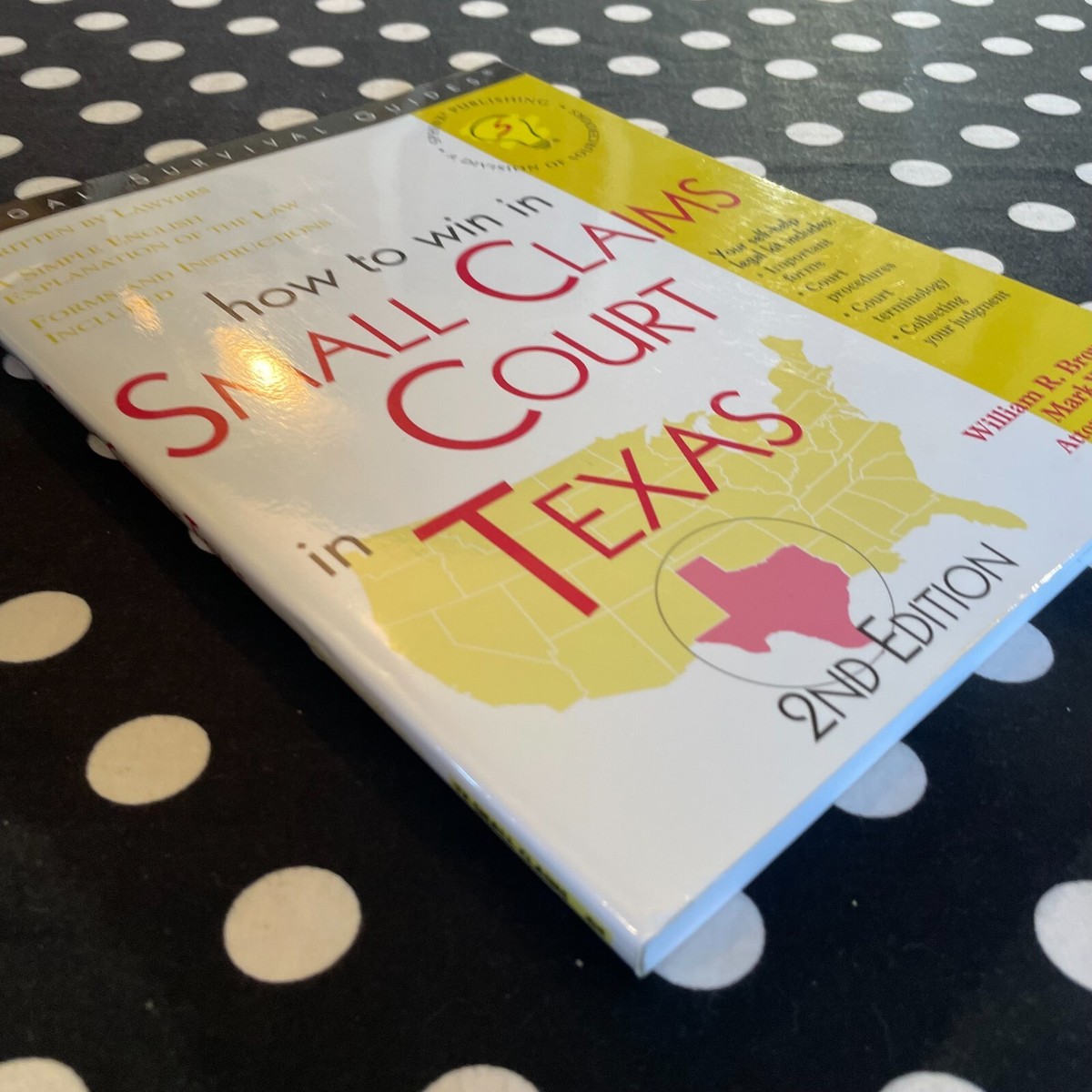
Before filing a lawsuit, the court often expects you to have made a good-faith effort to resolve the issue directly with the other party. This not only shows you are reasonable but can also lead to a quicker, less stressful resolution.
- Direct Communication: Send a formal written complaint (email or certified letter) to the business, clearly stating the problem, the dates it occurred, the financial impact, and what you expect as a resolution (e.g., a full refund, partial compensation). Give them a reasonable deadline to respond.
- Consumer Protection Agencies: For certain types of disputes, you might file a complaint with the Better Business Bureau (BBB) or a relevant state agency like the Texas Department of Licensing and Regulation if it pertains to licensed services. While these agencies don’t offer legal remedies, their involvement can sometimes prompt a business to resolve the issue to protect its reputation.
- Mediation: Some businesses or travel platforms offer mediation or arbitration as an alternative dispute resolution method. This can be a less formal way to reach a mutually agreeable settlement with the help of a neutral third party.
Document all attempts at resolution. If you have to go to court, this will demonstrate to the judge that you exhausted all reasonable options before seeking judicial intervention.
The Small Claims Court Process in Texas: A Step-by-Step Guide for Visitors
Successfully navigating the Texas small claims court process requires understanding each stage, from filing your initial paperwork to presenting your case. While the system is designed to be accessible, knowing what to expect can significantly reduce stress and improve your chances of success.
Filing Your Claim: Jurisprudence and Paperwork
The journey begins with properly initiating your lawsuit. This involves selecting the correct court and accurately completing the required forms.
- Where to File (Venue): In Texas, small claims cases are heard in Justice Courts. The critical factor is “venue” – meaning you must file your lawsuit in the Justice Court precinct where:
- The defendant resides.
- The incident (e.g., the breach of contract, the damage) occurred.
- A contract was entered into or was to be performed.
- For corporations, where their principal office is located or where a registered agent can be found.
For travelers, this often means filing in the county where the hotel or tour operator is located, or where the problematic service was provided (e.g., Austin for a dispute with a local music venue, or Galveston for an issue with a cruise line vendor).
- Filling Out the Petition: You will need to complete a form called a Petition (often “Plaintiff’s Original Petition”). This form requires you to:
- Clearly identify yourself (the “Plaintiff”) and the party you are suing (the “Defendant”). Ensure the defendant’s legal name and address are correct. For a business, this might be “XYZ Hospitality, Inc.” not just “The Grand Hotel.”
- State the specific amount of money you are suing for.
- Provide a concise, factual summary of why the defendant owes you money. This is where your organized documentation becomes invaluable. Explain the nature of the dispute (e.g., “Breach of Contract for Hotel Services,” “Deceptive Trade Practice for Tour Cancellation”).
- List the date(s) the incident occurred.
- Attach copies of relevant documents (e.g., contract, invoices, photos). Do NOT send originals; keep those for the hearing.
- Be clear, concise, and objective. Avoid emotional language.
- Filing Fees: There will be a filing fee, which varies by county but is typically under $100. If you cannot afford the fee, you can file a “Statement of Inability to Afford Payment of Court Costs,” which, if approved, can waive the fees.
- Serving the Defendant: Once your petition is filed, the defendant must be officially notified of the lawsuit. This is called “service.” In Texas, this is usually done by a constable or sheriff’s deputy, or a private process server, who will personally deliver the papers to the defendant. There is a fee for service. Proper service is critical; if the defendant isn’t properly served, your case cannot proceed. For businesses, service is usually made on a registered agent or an officer of the company.
After the defendant is served, they will have a specific amount of time (typically around 14 days) to file an “Answer.” If they don’t answer, you may be able to win a default judgment. If they do answer, a court date will be set.
Presenting Your Case: Tips for Travelers in the Courtroom
The day of your hearing is your opportunity to present your evidence and argument to the Justice of the Peace. While it’s a less formal setting than higher courts, professionalism and preparation are key.
- Organize Your Evidence: Bring all your original documents, photos, and any other evidence. Have them organized in a binder, tabs, or folders so you can quickly find and present them when called upon. Make extra copies for the judge and the defendant.
- Your Opening Statement: Briefly explain to the judge why you are there and what you are seeking. Focus on the key facts.
- Present Your Evidence: Systematically walk the judge through your evidence. Explain each document or photo and how it supports your claim. “Your Honor, this is the booking confirmation for my hotel room at The Grand Texas Inn on Sixth Street in Austin, showing the ocean-view suite I paid for. These photos, taken upon my arrival, clearly show the room had no ocean view.”
- Speak Clearly and Confidently: Address the judge respectfully (“Your Honor”). Stick to the facts. Avoid interrupting the judge or the defendant. Do not let emotions cloud your presentation.
- Anticipate the Defense: Try to think about what arguments the defendant might make and have responses or counter-evidence ready. For example, if they claim you canceled the booking, have your communication records showing otherwise.
- Witnesses: If you have witnesses, ensure they are present and prepared to testify. They will need to attest to what they personally observed.
- Closing Statement: Briefly summarize your key points and reiterate the amount you are seeking and why you are entitled to it.
The judge may ask questions, listen to the defendant’s side, and review all presented evidence. A decision might be made on the spot, or the judge may take the case under advisement and mail you the decision later.
After the Verdict: Enforcement and Collection
Winning your case is a significant step, but it’s not always the end of the process, especially if the defendant doesn’t pay voluntarily.
- If You Win: The judge will issue a judgment in your favor. This is a legal order stating that the defendant owes you money.
- Voluntary Payment: Sometimes, the defendant will pay the judgment willingly.
- Enforcement of Judgment: If the defendant does not pay, you may need to take steps to enforce the judgment. Common methods include:
- Abstract of Judgment: You can file an abstract of judgment with the county clerk. This creates a lien on any non-exempt real property the defendant owns in that county, making it difficult for them to sell or refinance without paying you.
- Writ of Garnishment: If you know the defendant has funds in a bank account, you can seek a writ of garnishment to seize money from that account.
- Writ of Execution: This allows a constable or sheriff to seize non-exempt property belonging to the defendant (e.g., equipment, inventory for a business) to sell and satisfy the judgment.
These enforcement methods often involve additional court fees, but these fees can usually be added to the amount the defendant owes you. Be aware that collecting a judgment can sometimes be challenging, especially if the defendant has limited assets or goes out of business.

Preventing Disputes: Smart Travel Practices to Avoid Court Altogether
While knowing how to win in small claims court is a valuable skill for any traveler, the best strategy is always prevention. By adopting smart travel practices, you can significantly reduce the likelihood of encountering disputes that necessitate legal action, ensuring your trips remain enjoyable and stress-free.
- Choose Reputable Travel Providers and Accommodation: Always research hotels, resorts, tour operators, and car rental companies thoroughly. Read recent reviews on multiple platforms (e.g., TripAdvisor, Google Reviews, Booking.com, Expedia). Look for consistent patterns of good service and quick resolution of issues. Brands like Hyatt, Hilton, or Marriott often have established customer service channels.
- Read Terms and Conditions Meticulously: Before clicking “book,” take the time to read the fine print. Pay close attention to cancellation policies, refund procedures, check-in/check-out times, baggage allowances (for airlines like Southwest Airlines or American Airlines), and what is included versus excluded in package deals. Many disputes arise from misunderstandings of these terms.
- Always Get It in Writing: Verbal agreements, especially in the heat of a travel moment, are hard to prove. Confirm everything in writing. If you have a special request or a specific expectation, ensure it’s explicitly noted in your booking confirmation or through email communication. If a hotel promises a free upgrade, get that promise in an email.
- Purchase Comprehensive Travel Insurance: For significant trips or large bookings, travel insurance can be a lifesaver. It can cover trip cancellations, interruptions, medical emergencies, and even lost luggage, often providing a quicker and less stressful resolution than court. Ensure you understand what your policy covers and its limitations.
- Document Everything from the Start: Make a habit of taking photos or videos of your hotel room upon arrival, especially if you notice anything amiss. Keep all receipts and confirmations digitally and physically. If you encounter an issue, immediately document it with photos, videos, and detailed notes (date, time, who you spoke to).
- Maintain Clear and Calm Communication: If a problem arises, try to resolve it calmly and directly with the service provider first. Clearly state the issue and what resolution you seek. Keep records of these conversations. Often, businesses are willing to resolve issues to maintain customer satisfaction and avoid negative reviews or legal action.
- Use Credit Cards for Bookings: Paying with a credit card offers an extra layer of protection. If you have a dispute, you can often initiate a chargeback process with your credit card company, which can sometimes resolve the issue without needing court intervention. This is particularly useful for significant purchases like airline tickets or multi-night hotel stays.
By integrating these smart travel practices into your lifestyle, you empower yourself to minimize risks and enjoy your travels to Texas and beyond without the shadow of potential legal disputes. While small claims court is a valuable recourse, informed preparation and proactive measures are your best allies for a truly worry-free travel experience.
LifeOutOfTheBox is a participant in the Amazon Services LLC Associates Program, an affiliate advertising program designed to provide a means for sites to earn advertising fees by advertising and linking to Amazon.com. Amazon, the Amazon logo, AmazonSupply, and the AmazonSupply logo are trademarks of Amazon.com, Inc. or its affiliates. As an Amazon Associate we earn affiliate commissions from qualifying purchases.