
For anyone considering a visit, relocation, or simply curious about the economic landscape of the Lone Star State, one of the most frequently asked questions revolves around its tax structure. Specifically, the query “Is there state income tax in Texas?” often surfaces, influencing decisions from vacation budgeting to long-term financial planning. The straightforward answer is a resounding no. Texas is one of a handful of states in the United States that does not levy a state income tax on its residents. This unique characteristic significantly shapes the state’s economy, its appeal to businesses and individuals, and even the way visitors experience its vibrant cities, sprawling landscapes, and rich culture.
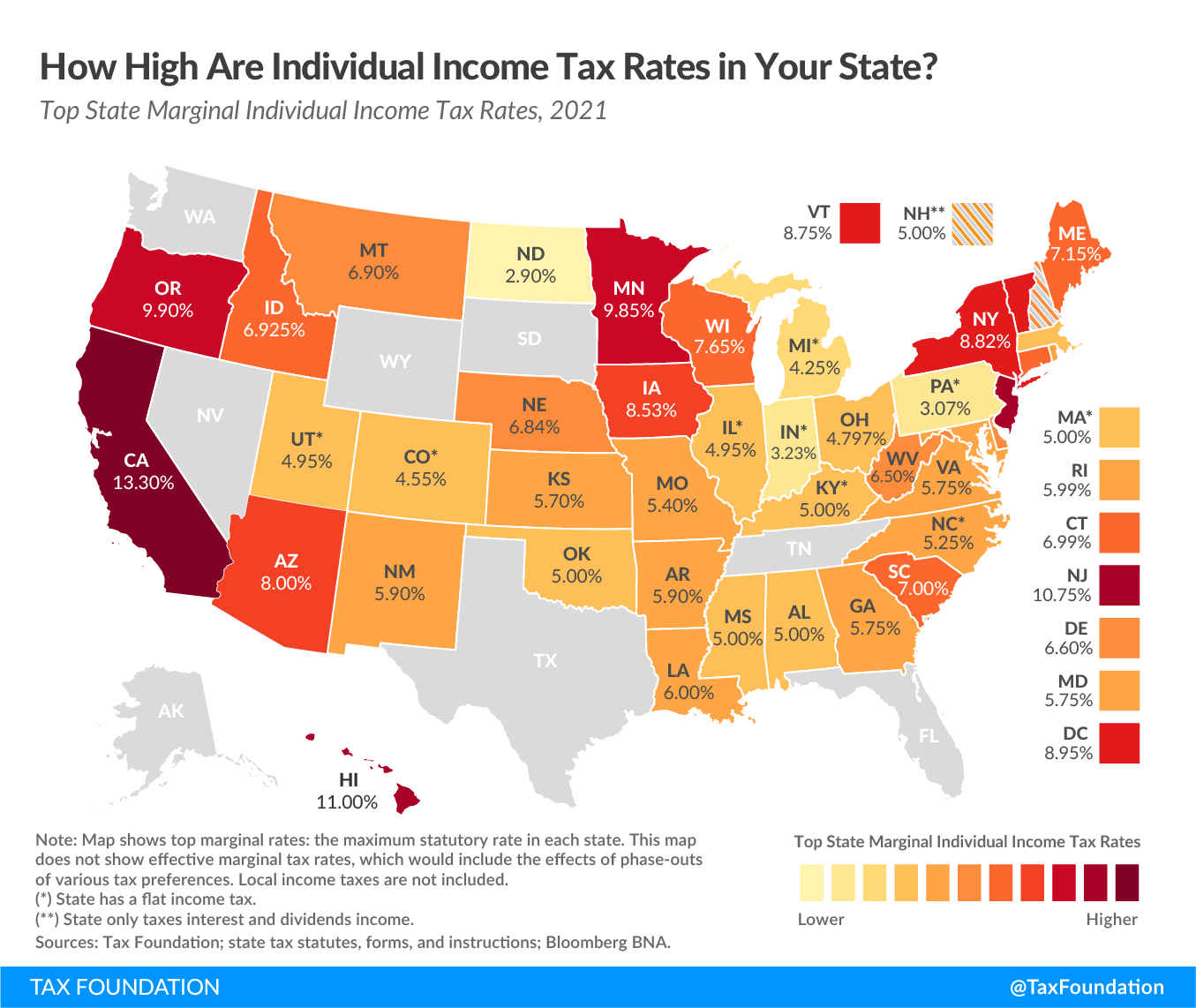
The absence of state income tax is a cornerstone of Texas’s economic strategy, designed to attract investment, foster business growth, and provide residents with more disposable income. However, this doesn’t mean the state operates without revenue. Instead, Texas relies heavily on other forms of taxation, primarily sales and property taxes, to fund its extensive public services, infrastructure projects, and robust tourism initiatives. Understanding this balance is crucial for anyone planning to immerse themselves in the Texan lifestyle, whether for a brief getaway or a permanent move. From the bustling streets of Houston and Dallas to the artistic vibes of Austin and the historic charm of San Antonio, the financial implications of this tax-friendly environment touch every aspect of life and travel in the state.
The Lone Star State’s Unique Tax Landscape
The absence of a state income tax in Texas is a defining feature that sets it apart from many other states in the United States. This policy is a deliberate choice, rooted in the state’s historical commitment to fiscal conservatism and its desire to create a business-friendly environment. Instead of taxing individual or corporate income, Texas generates revenue through a combination of sales taxes, property taxes, and various other fees and industry-specific taxes, such as those on oil and gas production. This diversified approach ensures that the state can fund its public services, maintain its infrastructure, and invest in growth, all while providing its residents with the benefit of retaining more of their earnings.
This tax structure has profound implications for both residents and visitors. For individuals living and working in Texas, the lack of state income tax can translate to a higher take-home pay compared to counterparts in states with high income tax rates. This can lead to greater disposable income, which in turn fuels consumer spending and contributes to the state’s dynamic economy. For businesses, the absence of a state income tax reduces the overall tax burden, making Texas an attractive location for companies looking to expand or relocate. This has led to significant corporate migration to the state, particularly in rapidly growing metropolitan areas like Dallas-Fort Worth and Austin, further stimulating job creation and economic prosperity.
Sales Tax: A Key Revenue Driver for Texas Travel
While residents enjoy the benefit of no state income tax, travelers and consumers in Texas directly contribute to state revenue through sales tax. This is perhaps the most immediate financial consideration for anyone planning a trip to the Lone Star State. The state sales tax rate in Texas is 6.25%, but local jurisdictions—cities, counties, and special purpose districts—can add their own sales taxes, often bringing the combined rate up to 8.25% in many areas. This means that nearly every purchase, from souvenirs and clothing to dining out at acclaimed restaurants and enjoying local entertainment, will be subject to this tax.
For tourists, understanding the sales tax is essential for accurate budgeting. When exploring the vibrant shopping districts of Houston, browsing boutiques in Austin, or picking up unique gifts in San Antonio, the sales tax will be added to the sticker price. This also applies to services like car rentals and many types of tickets for attractions. While accommodation is not subject to general sales tax, hotels and lodging establishments do levy a separate Hotel Occupancy Tax (HOT), which is another significant revenue source for local tourism initiatives. This HOT can vary widely by city, with some major tourist destinations having higher rates to fund convention centers, visitor bureaus, and local cultural programs that enhance the traveler experience.
Property Tax: Funding Local Services and Infrastructure
Beyond sales tax, property taxes constitute the largest source of revenue for local governments in Texas. While this form of taxation primarily affects homeowners and commercial property owners, its impact indirectly benefits visitors by funding the infrastructure and public services that make travel enjoyable and efficient. Property taxes are assessed by various local entities, including counties, cities, school districts, and special districts, leading to rates that can vary significantly across the state. This localized approach means that a home in Fort Worth might have a different effective property tax rate than a similar property in Corpus Christi or El Paso.
For residents, property taxes are a significant consideration in the overall cost of living. Homeowners in Texas often find that while they save on state income tax, their property tax burden can be higher than in some other states. These funds are critical for maintaining local roads, providing police and fire services, and, most importantly, funding public education. From a tourism perspective, well-maintained roads and efficient public services contribute to a smoother travel experience. The property tax revenue also indirectly supports the development of local parks, libraries, and other community amenities that can enhance the quality of life for residents and add to the appeal of a destination for visitors. While a tourist won’t directly pay property tax on their vacation, the quality of their experience is undoubtedly influenced by the services these taxes provide.
The Appeal of No State Income Tax for Residents and Businesses

The absence of a state income tax is a powerful magnet for both individuals and corporations, playing a significant role in Texas’s remarkable growth over the past few decades. This fiscal advantage translates into tangible benefits that shape the lifestyle, economic opportunities, and overall dynamism of the state. It’s a key factor contributing to the “Lifestyle” aspect of Texas’s appeal, attracting a diverse demographic from across the United States and beyond.
For residents, the most direct benefit is the increased take-home pay. With no portion of their wages automatically diverted to state income tax, individuals have more discretionary income. This can significantly impact financial planning, allowing for greater savings, investment, or spending on goods and services, including travel and leisure within the state. This financial flexibility supports various lifestyles, from those seeking budget-friendly living to those indulging in luxury travel experiences. It can make owning a home more attainable for some, or free up funds for family trips to Galveston beaches or exploring the natural beauty of Big Bend National Park. The lure of higher net earnings often influences relocation decisions, with many individuals and families choosing to move to Texas specifically for this financial advantage, contributing to the state’s ever-expanding population in cities like Frisco and Plano.
For businesses, the appeal is equally compelling. The absence of state income tax, coupled with a favorable regulatory environment and a skilled workforce, makes Texas a prime destination for corporate headquarters and new ventures. Companies can enjoy lower operating costs, which can be reinvested into growth, research and development, or passed on to employees in the form of higher wages or benefits. This has led to a boom in various industries, from technology and aerospace to energy and manufacturing, creating a robust job market and a strong economic engine. Major corporations have established significant presences in Texas, further cementing its status as an economic powerhouse. This business-friendly climate also fuels business travel, leading to increased demand for hotels, conference facilities, and corporate accommodation across the state, from upscale suites in Houston to boutique hotels in Austin.
Economic Growth and Lifestyle Implications
The strategic choice to forego state income tax has undeniably contributed to Texas’s remarkable economic expansion. The influx of both people and businesses creates a virtuous cycle: more businesses mean more jobs, more jobs attract more people, and a growing population fuels demand for goods, services, and housing. This dynamic environment supports a diverse range of lifestyles, from the bustling urban centers offering world-class entertainment and dining to serene rural communities providing a tranquil escape.
The economic vitality fostered by this tax policy also has a direct impact on the tourism and accommodation sectors. With a growing population and strong economic activity, there’s a constant demand for hotels, resorts, and various accommodation options. Business travelers frequent cities for conferences and meetings, staying in establishments ranging from the Hyatt Regency Dallas to the Omni Fort Worth Hotel. Leisure travelers, benefiting from potentially more disposable income (or simply drawn to the state’s attractions), explore Texas’s vast offerings, from the historic Alamo in San Antonio to the vibrant music scene of Austin, often choosing to stay in unique hotels like The Driskill or luxury resorts such as the Omni Barton Creek Resort & Spa. This robust travel and tourism industry is itself a significant employer and revenue generator, further reinforcing the state’s economic strength.
Navigating Texas as a Traveler: Financial Planning and Tourism
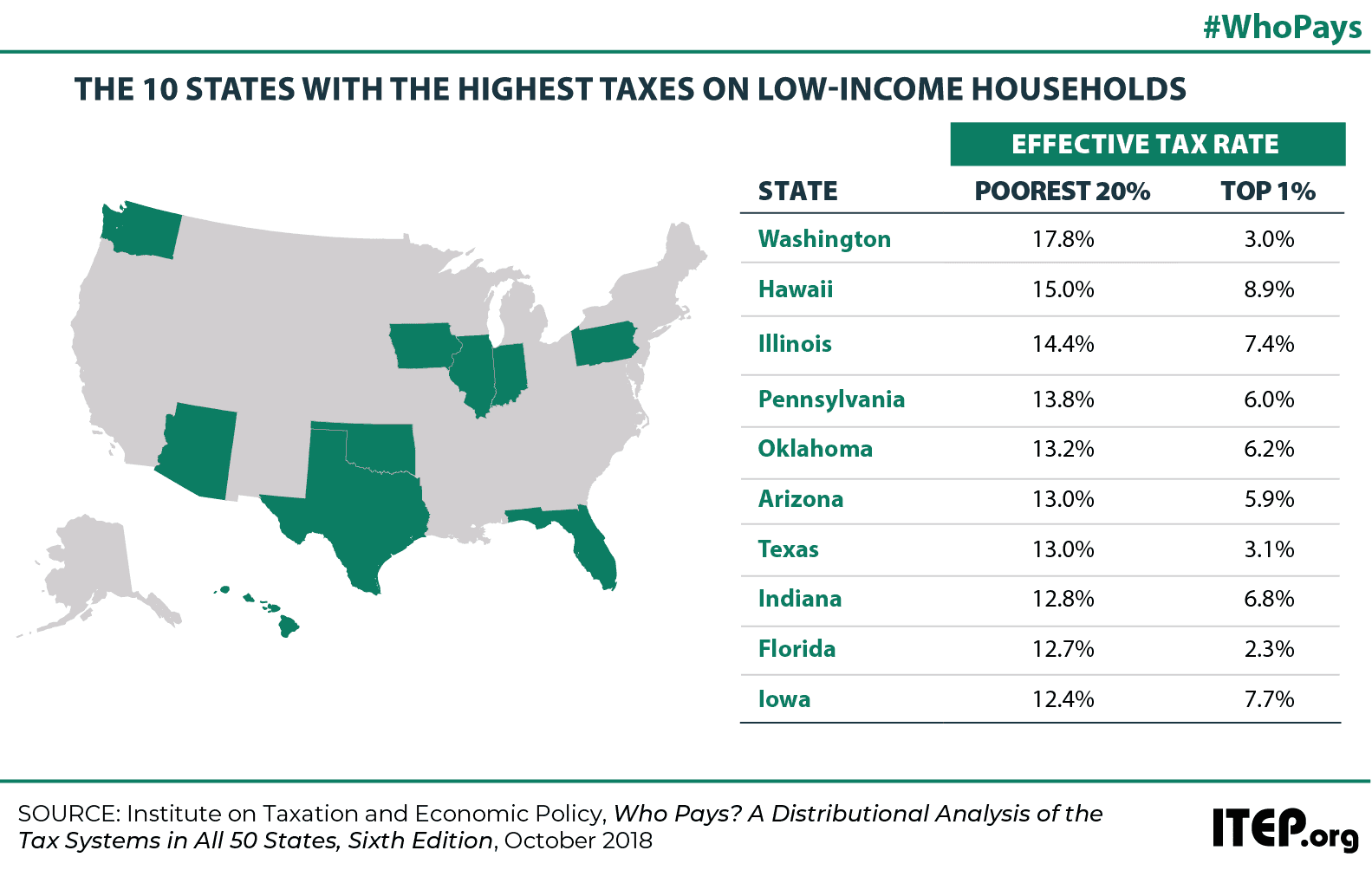
For travelers, the absence of state income tax in Texas doesn’t directly translate into cheaper vacation costs, but it certainly influences the overall economic environment that shapes travel experiences. Understanding how Texas funds itself is key to smart financial planning for any trip to the Lone Star State. Rather than focusing on income tax, visitors should be mindful of sales tax and the specific local taxes associated with accommodations.
When budgeting for a Texas vacation, consider that the combined state and local sales tax (up to 8.25% in many areas) will apply to most purchases, including restaurant meals, retail therapy, and entertainment tickets. While this is a standard feature in many states, being aware of the specific rate helps avoid surprises. More significantly for travel budgeting is the Hotel Occupancy Tax (HOT). This tax, levied by cities and counties, can vary considerably and is added to the cost of hotel rooms, resorts, and other lodging options. In popular tourist destinations like Austin or San Antonio, the HOT can be a substantial addition to your accommodation bill, making it an important factor when comparing hotel prices or planning your stay. These taxes, however, are often explicitly mentioned during the booking process, ensuring transparency for travelers.
The indirect impact on travel costs is more nuanced. The business-friendly tax environment in Texas can foster a competitive market for hotels, airlines, and tourist attractions, potentially leading to more competitive pricing for consumers. Additionally, the thriving economy attracts investment in new hotels, resorts, and tourism infrastructure, meaning visitors often have access to a wider range of high-quality accommodations and attractions, from luxury suites to budget-friendly apartments and unique villas. The continued development of new experiences, such as the latest exhibits at Space Center Houston or new dining concepts in Dallas, benefits from a healthy economic climate that encourages investment in the tourism sector.
Understanding Local Taxes and Tourism Spend
For many Texas cities, especially those heavily reliant on tourism, the Hotel Occupancy Tax is a crucial revenue stream. These funds are often earmarked specifically for promoting tourism and improving visitor experiences. This means that a portion of what a traveler pays in HOT goes directly back into maintaining landmarks like the Alamo, funding local marketing campaigns to attract more visitors, supporting convention centers, and enhancing the local culture and arts scene. Therefore, while paying taxes is rarely an exciting part of a vacation, in Texas, your tourism spend directly contributes to the vibrant attractions and amenities that draw millions to the state each year.
Consider destinations like South Padre Island, where beach tourism is paramount. The local taxes collected from visitors contribute to beach maintenance, public safety, and promotion of the island’s natural beauty. Similarly, in cultural hubs like Austin, HOT funds might support live music venues, art festivals, and historical preservation projects, enhancing the city’s unique charm. When visiting the diverse regions of Texas, from the canyons of Big Bend National Park to the historic districts of Galveston, remember that your financial contributions through sales and hotel taxes play a direct role in sustaining the very attractions and experiences you’re enjoying. This symbiotic relationship ensures that Texas can continue to offer unparalleled travel experiences, supported by a tax system that prioritizes economic growth and local funding.
In conclusion, while the answer to “Is there state income tax in Texas?” is a definitive no, the state’s alternative revenue strategies through sales and property taxes are robust. This unique tax environment not only fuels a dynamic economy, attracting businesses and residents seeking greater financial freedom, but also underpins the state’s thriving tourism industry. For travelers, understanding these specific taxes ensures a well-planned and enjoyable visit, knowing that their contributions help sustain the very attractions and infrastructure that make Texas an unforgettable destination. Whether you’re planning a luxurious resort stay, an adventurous trip through its national parks, or a cultural immersion in its vibrant cities, Texas offers a truly unique and economically distinctive experience.
LifeOutOfTheBox is a participant in the Amazon Services LLC Associates Program, an affiliate advertising program designed to provide a means for sites to earn advertising fees by advertising and linking to Amazon.com. Amazon, the Amazon logo, AmazonSupply, and the AmazonSupply logo are trademarks of Amazon.com, Inc. or its affiliates. As an Amazon Associate we earn affiliate commissions from qualifying purchases.